
How do you know if your smoke detector is really working when it matters most? You might think it’s enough to just have one installed, but without regular testing, you could be putting yourself and your loved ones at risk.
Testing your smoke detector is quick, simple, and could save lives. You’ll learn exactly how to test your smoke detector the right way, so you can feel confident that your home is protected. Keep reading—your safety depends on it.
Types Of Smoke Detectors
Smoke detectors come in different types. Each type works in a unique way to sense smoke. Knowing these types helps you test your smoke detector correctly. It also ensures better safety in your home.
Ionization Smoke Alarms
Ionization alarms detect small smoke particles from fast fires. They use a small amount of radioactive material inside. This material helps sense smoke quickly. These alarms are very common in homes. Testing them regularly is important for safety.
Photoelectric Smoke Alarms
Photoelectric alarms sense larger smoke particles from slow, smoldering fires. They use a light beam inside the unit. When smoke enters, it scatters the light. The alarm then sounds. These alarms are less likely to cause false alerts. Testing them ensures they work well.
Combination Alarms
Combination alarms use both ionization and photoelectric technology. They provide broader fire detection coverage. These alarms can sense different types of fires fast. They are a smart choice for home safety. Testing combination alarms covers both detection methods.
When To Test Your Smoke Detector
Testing your smoke detector is a key step in keeping your home safe. Knowing when to test helps ensure it works properly. Regular checks prevent unexpected failures. Smoke detectors save lives by alerting you early to fire. Timely testing gives you peace of mind.
Recommended Testing Frequency
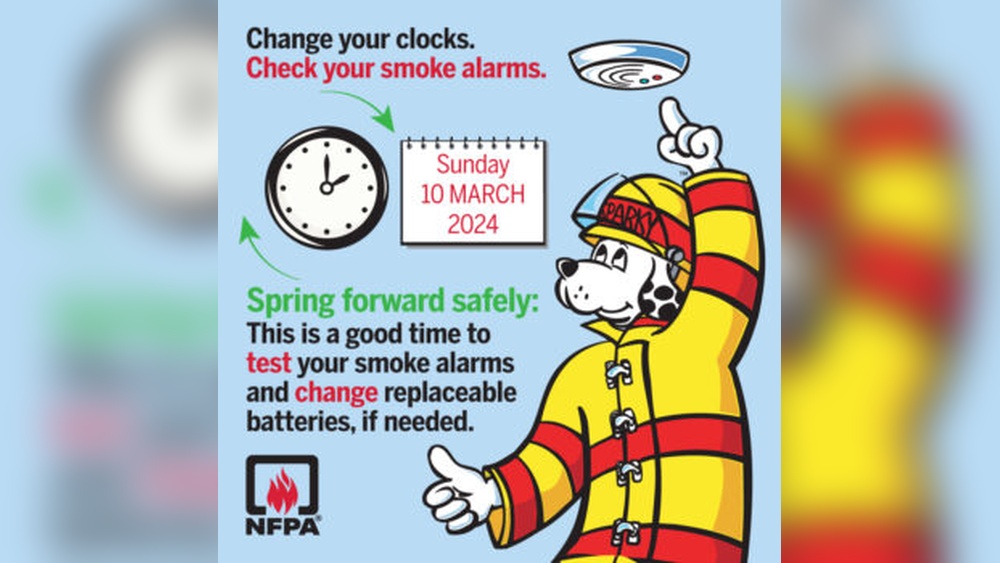
Test your smoke detector at least once a month. Monthly tests confirm the alarm and battery work well. Replace batteries every six months or as needed. Some detectors have a low battery warning sound. Follow the manufacturer’s guide for specific advice. Regular testing keeps your device ready to protect you.
Signs Your Detector Needs Testing
Detect unusual sounds like chirping or beeping. These sounds often mean low battery or malfunction. Check after power outages or storms. Dust or dirt buildup can block sensors. Test after cleaning or moving the detector. If the alarm does not sound during a test, replace the unit immediately.
Tools Needed For Testing
Testing your smoke detector is important for safety. Using the right tools makes the job easier and more accurate. You need simple items that help check if your smoke alarm works well. Below are the main tools needed for testing your smoke detector.
Battery Tester
A battery tester checks the power level of your smoke detector’s battery. It tells if the battery is good or weak. Using a battery tester helps avoid false alarms or no alarms. It is small, easy to use, and affordable. Always test the battery before other tests.
Smoke Detector Test Spray
This spray mimics smoke to test the detector’s sensor. It helps check if the alarm sounds properly. The spray is safe and made for testing smoke alarms only. Use it carefully by following the instructions on the can. Avoid using real smoke, which can cause damage or fire risk.
Ladder Or Step Stool
A ladder or step stool helps you reach the smoke detector. Most detectors are on the ceiling or high on walls. Using a stable ladder or stool keeps you safe while testing. Make sure it is tall enough and placed on a flat surface. Never climb on unstable furniture or objects.

Credit: www.amazon.com
Step-by-step Testing Process
Testing your smoke detector is important to keep your home safe. Follow these simple steps. Each step helps you check if the device works well. Regular testing ensures early warning in case of fire.
Visual Inspection
Look at your smoke detector closely. Check for dust, dirt, or damage. Clean the outside gently with a dry cloth. Make sure vents are clear. A dirty detector may not sense smoke properly.
Battery Check And Replacement
Remove the smoke detector from its place. Open the battery compartment. Take out old batteries and replace with new ones. Use the battery type recommended by the manufacturer. Close the compartment securely. Always use fresh batteries for best results.
Using The Test Button
Press and hold the test button on the detector. The alarm should sound loud and clear. If no sound, replace the batteries and try again. If still no sound, the detector might need replacement. Test buttons help check the alarm’s power and sound.
Testing With Smoke Simulation
Light a match and blow it out near the detector. Let the smoke reach the sensor. The alarm should activate quickly. Use this method carefully to avoid fire risks. Smoke simulation tests the detector’s real response to smoke.
Common Issues And Fixes
Smoke detectors are essential for home safety, but they can sometimes act up. Knowing common issues helps keep them working well. Simple fixes often solve these problems. Regular checks and quick actions keep your home safe and sound.
False Alarms
False alarms happen when the smoke detector goes off without smoke. Dust or insects inside the detector often cause this. Clean the detector gently with a vacuum or soft brush. Also, avoid placing detectors near kitchens or bathrooms. Steam and cooking fumes can trigger false alarms.
No Sound During Testing
Sometimes, the smoke detector makes no sound during testing. This often means dead or missing batteries. Replace the batteries with fresh ones and test again. If it still stays silent, the detector might be faulty. Consider replacing it to stay protected.
Intermittent Beeping
Intermittent beeping is a warning sign. It usually means low battery power or a loose battery. Remove the battery and put it back in firmly. If the beeping continues, replace the battery. Clean the battery contacts to ensure a good connection.
Maintaining Your Smoke Detector
Maintaining your smoke detector ensures it works properly when needed. A well-maintained detector can save lives by alerting you early to fire dangers. Simple steps keep it in good shape and ready to protect your home.
Regular Cleaning
Dust and dirt can block smoke sensors. Clean your smoke detector every month. Use a soft brush or vacuum cleaner to remove dust. Avoid spraying water or cleaning liquids. Keep the detector clear to detect smoke quickly.
Battery Replacement Schedule
Smoke detectors need fresh batteries to work well. Change batteries at least once a year. Some models use a 10-year sealed battery and do not need replacing. Test the detector monthly by pressing the test button. Replace batteries immediately if the alarm beeps.
When To Replace The Detector
Smoke detectors do not last forever. Replace the detector every 10 years. Check the manufacture date on the device. If it fails tests or shows damage, replace it sooner. A new detector offers better safety and reliability.
Additional Safety Tips
Testing your smoke detector is just one step in keeping your home safe. There are other important safety tips to follow. These help ensure your smoke alarms work well and protect your family better. Simple actions can make a big difference in fire safety.
Installing Detectors Properly
Place smoke detectors on every level of your home. Install one inside each bedroom and outside sleeping areas. Mount detectors on the ceiling or high on the wall. Avoid corners or places near windows and vents. Proper placement helps alarms detect smoke faster.
Interconnecting Multiple Alarms
Connect smoke detectors so they all sound together. This way, if one alarm detects smoke, all alarms will ring. It gives everyone more time to react and get to safety. You can use wired or wireless systems to link alarms.
Emergency Preparedness
Plan and practice your fire escape routes regularly. Teach all family members what to do if the alarm sounds. Keep a flashlight and phone nearby for emergencies. Knowing what to do saves lives and reduces panic.

Credit: www.nfpa.org

Credit: mammothsecurity.com
Frequently Asked Questions
How Often Should I Test My Smoke Detector?
You should test your smoke detector monthly. Regular testing ensures it functions properly and alerts you during emergencies. Replace batteries yearly or when the low battery alarm sounds. This simple routine keeps your home safe from fire hazards effectively.
What Is The Best Way To Test A Smoke Detector?
Press and hold the test button until the alarm sounds. This simulates smoke detection and checks the battery and circuitry. If it doesn’t sound, replace the battery or the entire unit. Regular testing guarantees your smoke detector works when needed.
Can I Use Smoke To Test My Detector?
Using actual smoke is not recommended for testing. It can damage the detector or cause false alarms. Instead, use the built-in test button. This method is safe, effective, and designed to verify the alarm’s functionality without risk.
What Should I Do If My Smoke Detector Doesn’t Sound?
First, check and replace the batteries. If it still doesn’t sound, clean dust from the unit. Persistent failure may mean the detector needs replacement. Always ensure your smoke detector is fully operational for your safety.
Conclusion
Testing your smoke detector is simple and important. Press the test button monthly to check its sound. Replace batteries once a year or when low. Clean the detector to remove dust and dirt. A working smoke detector can save lives and property.
Keep your home safe by staying alert. Don’t wait until it’s too late. Small steps make a big difference. Stay safe, stay prepared.