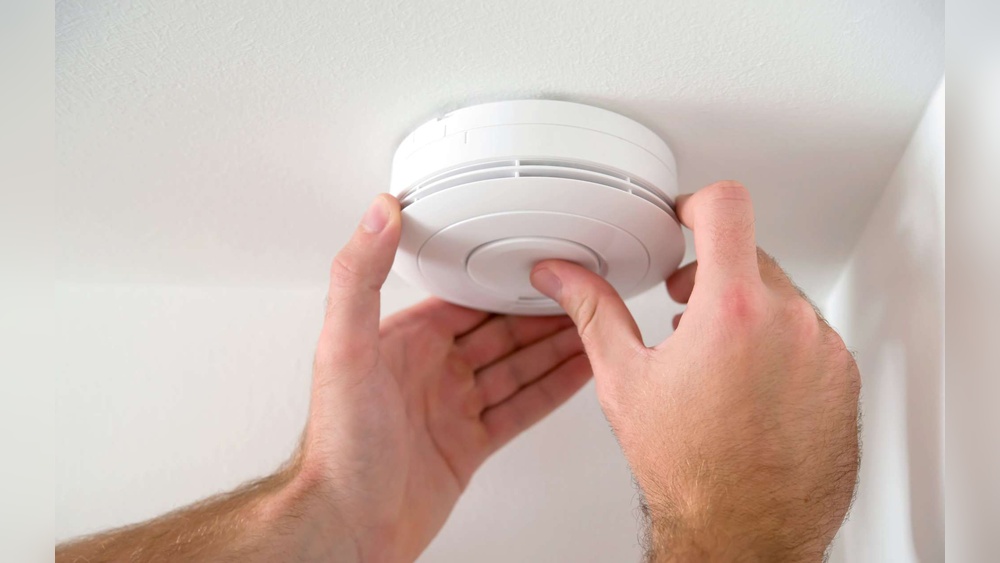

Is that constant beeping from your smoke detector driving you crazy? You’re not alone.
A smoke detector’s beep is meant to keep you safe, but when it won’t stop, it can quickly become frustrating. You need a quick, simple way to shut off that annoying sound without compromising your safety. In this guide, you’ll discover easy steps you can take right now to silence your beeping smoke detector and bring peace back to your home.
Keep reading—you’ll be glad you did.

Credit: www.youtube.com
Common Causes Of Beeping
Smoke detectors beep to warn you about problems. Understanding these sounds helps keep your home safe. The beeping usually signals a simple issue. Fixing it quickly stops the noise and ensures safety.
Low Battery Alert
Most smoke detectors beep when batteries run low. This sound repeats every minute or so. Changing the battery solves the problem fast. Use the correct battery type for your model.
Dust And Debris
Dust or dirt inside a detector triggers beeping. These particles block sensors from working well. Cleaning the device gently can stop the noise. Use a soft brush or vacuum for cleaning.
End Of Life Signal
Smoke detectors have a lifespan of about 8-10 years. After this time, they beep to signal replacement. This warning protects your safety with a new device. Check the manufacture date on the detector.
Electrical Issues
Hardwired smoke detectors may beep from electrical problems. Loose wires or power surges cause this sound. Inspect connections carefully or call an electrician. Fixing electrical issues prevents false alarms.

Credit: www.angi.com
Safe Ways To Stop The Beeping
Beeping smoke detectors can be annoying and stressful. The sound often means the device needs attention. Stopping the beep safely is important. Follow these simple steps to fix the issue without risk. Each method helps ensure your smoke detector works properly while stopping the noise.
Replacing The Battery
A low battery often causes the beeping sound. Open the detector’s cover carefully. Remove the old battery and replace it with a new one. Make sure the battery fits correctly and has fresh power. Close the cover and check if the beeping stops. Regular battery changes keep your detector active and quiet.
Cleaning The Detector
Dust and dirt can trigger false alarms. Use a soft brush or a vacuum cleaner on low power. Gently clean the detector’s vents and surface. Avoid using water or liquids inside the device. Cleaning removes particles that cause false beeps. Do this every few months to maintain good function.
Resetting The Device
Resetting can clear errors that cause beeping. Find the reset button on your smoke detector. Press and hold it for 15 to 20 seconds. Release the button and wait for the beep to stop. If no button is present, remove the battery and wait a minute. Then, reinsert the battery and test the device.
Checking Wiring Connections
Hardwired detectors may beep due to loose wires. Turn off the power at the circuit breaker first. Remove the detector from its base carefully. Check all wiring connections for looseness or damage. Tighten any loose wires and secure connections. Restore power and observe if the beeping ends. Only do this if you feel safe handling electrical parts.
When To Replace Your Smoke Detector
Knowing when to replace your smoke detector is key to home safety. Smoke detectors don’t last forever. Over time, their sensors wear out and may not work properly. Replacing them on time keeps your home protected from fire risks. Watch for clear signs that signal the need for a new detector.
Age Of The Detector
Most smoke detectors have a lifespan of about 10 years. After this time, their sensors become less reliable. Check the manufacturing date on the back of the detector. If it is older than 10 years, it is time to replace it. Using an old detector can give false alarms or fail during a fire.
Frequent False Alarms
False alarms can be annoying and unsafe. If your smoke detector beeps without smoke or fire, it may be faulty. Frequent false alarms suggest the detector is wearing out or has a weak sensor. Replacing it ensures accurate alerts and peace of mind.
Physical Damage Signs
Look for cracks, dents, or discoloration on your smoke detector. Physical damage can affect its ability to detect smoke properly. Water damage or corrosion inside the unit also means it should be replaced. A damaged detector may fail during an emergency, putting your family at risk.

Credit: waynealarm.com
Preventing Future Beeping
Preventing your smoke detector from beeping unexpectedly saves you time and stress. A well-maintained smoke alarm works better and lasts longer. Follow simple steps to keep your device quiet and reliable.
Regular Maintenance Tips
Clean your smoke detector once a month. Dust and dirt can cause false alarms and beeping. Use a soft brush or vacuum cleaner to remove debris gently. Test the alarm every month to check its function. Replace the unit every 10 years for safety.
Choosing The Right Batteries
Use high-quality batteries recommended by the manufacturer. Avoid cheap or old batteries that run out fast. Replace batteries at least once a year. Some detectors use lithium batteries that last longer. Always keep spare batteries at home for quick replacement.
Proper Installation Locations
Place smoke detectors on ceilings or high walls. Avoid kitchens and bathrooms where steam or smoke can trigger false alarms. Install detectors away from windows and vents to prevent drafts from interfering. Follow local building codes for the best placement.
Emergency Measures If Beeping Persists
Beeping smoke detectors warn about serious issues. Sometimes, the beeping does not stop even after changing batteries or cleaning. This situation calls for emergency actions to keep your home safe. Taking quick steps can help avoid danger and reduce stress.
Temporary Silence Methods
Try pressing the smoke detector’s silence or reset button. This can stop the beeping for a few minutes. Removing the battery may stop the noise but use this only for a short time. Keep in mind, disabling the detector for long puts your safety at risk. Use these methods only to buy time.
Contacting Professionals
Call a licensed electrician or fire safety expert if the beeping continues. Professionals can check the device for faults or replacements. They have the tools to fix wiring or sensor problems. Getting expert help ensures the smoke detector works correctly again.
Ensuring Home Safety
While dealing with the beeping, keep your home safe. Check other smoke detectors to see if they work. Have a fire escape plan ready and share it with family. Avoid ignoring the problem; safety comes first. Regular maintenance can prevent future emergencies.
Frequently Asked Questions
Why Is My Smoke Detector Beeping Constantly?
A smoke detector beeps constantly due to low batteries, dust buildup, or a malfunction. Check and replace batteries first. Clean the unit gently. If beeping continues, consider replacing the detector. Regular maintenance prevents false alarms and ensures safety.
How Do I Temporarily Silence A Beeping Smoke Detector?
Press the “silence” or “hush” button on the smoke detector to stop the beeping temporarily. This feature pauses alarms for several minutes. Use it during false alarms, but always address the cause promptly to maintain safety.
Can A Dead Battery Cause A Smoke Detector Beep?
Yes, a low or dead battery commonly causes beeping. Replace the battery immediately with the correct type. This often stops the beeping and ensures your detector works properly. Regular battery checks are crucial for reliable operation.
How Often Should I Replace Smoke Detector Batteries?
Replace smoke detector batteries at least once a year. Some models require battery changes every six months. Use fresh, high-quality batteries for best performance. Regular replacement prevents unexpected beeping and keeps your home protected.
Conclusion
A beeping smoke detector needs quick action. Check the battery first and replace it if low. Clean the detector to remove dust and debris. Reset the alarm after fixing the issue. Regular checks keep your home safe and quiet. Don’t ignore constant beeps—they warn you about danger.
Stay calm and follow these simple steps. Your safety matters most. Keep your smoke detector working well every day. Simple care saves you from noise and risk.


