
How many smoke detectors do you really need in your home? It’s a question that could save your life or the lives of your loved ones.
You might think one detector in the hallway is enough, but what if a fire starts in another room? Knowing the right number and placement of smoke detectors can give you peace of mind and keep your family safer. Keep reading to discover simple, effective tips that ensure your home is fully protected—before it’s too late.
Credit: georgebrazilplumbingelectrical.com
Smoke Detector Basics
Smoke detectors are essential tools for home safety. They warn you early about fire and smoke. Understanding how they work helps you protect your family better. This section covers the basics of smoke detectors and their types.
Types Of Smoke Detectors
There are mainly two types of smoke detectors: ionization and photoelectric. Ionization detectors sense small smoke particles from fast fires. Photoelectric detectors detect larger smoke particles from slow, smoldering fires. Many homes use both types for full protection.
How Smoke Detectors Work
Smoke detectors have sensors that spot smoke particles in the air. Ionization detectors use a small amount of radioactive material to detect smoke. Photoelectric detectors use a light beam and sensor to sense smoke. Once smoke is detected, the alarm sounds immediately. This early warning can save lives and property.
Placement Guidelines
Proper placement of smoke detectors is crucial for home safety. Correct locations ensure early fire detection and quick alerts. Follow these guidelines to keep your family safe and meet safety standards.
Rooms That Need Smoke Detectors
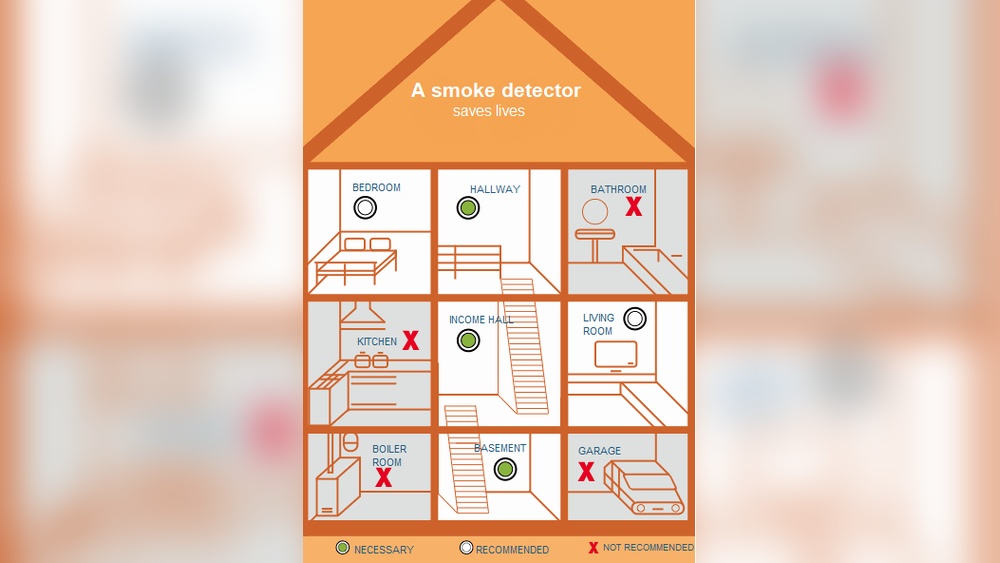
Install smoke detectors in every bedroom. Fires often start while people sleep. Place detectors outside sleeping areas, too, for extra protection. Living rooms and family rooms need detectors as well. Kitchens need special attention but avoid placing detectors too close to cooking appliances.
Ideal Locations Within Rooms
Mount smoke detectors on ceilings or high on walls. Smoke rises, so higher placement detects smoke faster. Keep detectors at least 10 feet away from cooking appliances. Avoid placing detectors near windows, doors, or air vents. These can affect detector performance. Hallways are good spots for detectors outside bedrooms.
Number Of Detectors By Home Size
Choosing the right number of smoke detectors depends on your home’s size. Different homes need different amounts of detectors to keep everyone safe. Proper placement ensures early fire detection. This section explains how many detectors each home size requires.
Small Homes And Apartments
Small homes and apartments usually need at least one smoke detector. Place it near the bedrooms. If the kitchen is close to sleeping areas, add a detector there. One or two detectors can cover these spaces well.
Medium-sized Houses
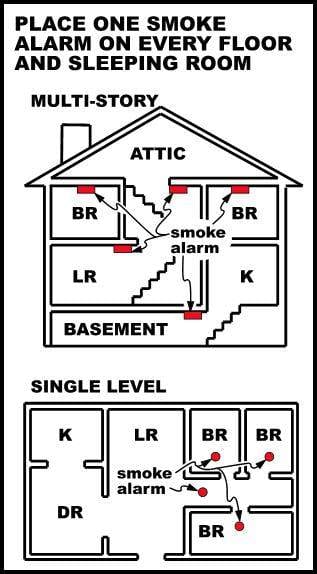
Medium-sized houses require more detectors. Install one on every level, including basements. Add detectors inside and outside bedrooms. This setup helps detect fires quickly, even in distant rooms. Four to six detectors often suit these homes.
Large Homes And Multi-story Buildings
Large homes and multi-story buildings need many smoke detectors. Place them in all bedrooms, hallways, and living areas. Each floor should have multiple detectors. Consider areas like basements and attics too. Eight or more detectors usually cover these homes.

Credit: www.firstalert.com
Special Considerations
Special considerations affect how many smoke detectors your home needs. Different home types and resident needs change the number and placement of detectors. These details keep your home safer and ensure early warnings in case of fire.
Homes With Basements And Attics
Basements and attics can hide early signs of fire. Smoke can spread quickly in these enclosed spaces. Install at least one smoke detector in each basement and attic. Place detectors near stairs to alert people moving between floors.
Older Homes And Safety Challenges
Older homes may have hidden wiring or poor ventilation. These issues can affect smoke detector performance. Test detectors often and replace old wiring if needed. Add extra detectors in hallways and rooms far from the main living area.
Homes With Children Or Elderly Residents
Children and elderly people need more time to react. Smoke detectors should be loud and placed in bedrooms and common areas. Consider detectors with voice alerts or low-frequency alarms. These features help wake everyone quickly and clearly.
Maintenance Tips
Proper maintenance keeps smoke detectors working well and saves lives. Smoke detectors need regular care to detect fires quickly. This section covers key tips for maintaining your smoke detectors. Follow these tips to keep your home safe.
Testing And Replacing Batteries
Test smoke detectors every month. Press the test button until the alarm sounds loud. This ensures the device works properly. Replace batteries at least once a year. Use fresh batteries to avoid weak alarms. Some smoke detectors have long-life batteries. Even then, test them monthly to be sure.
When To Replace Detectors
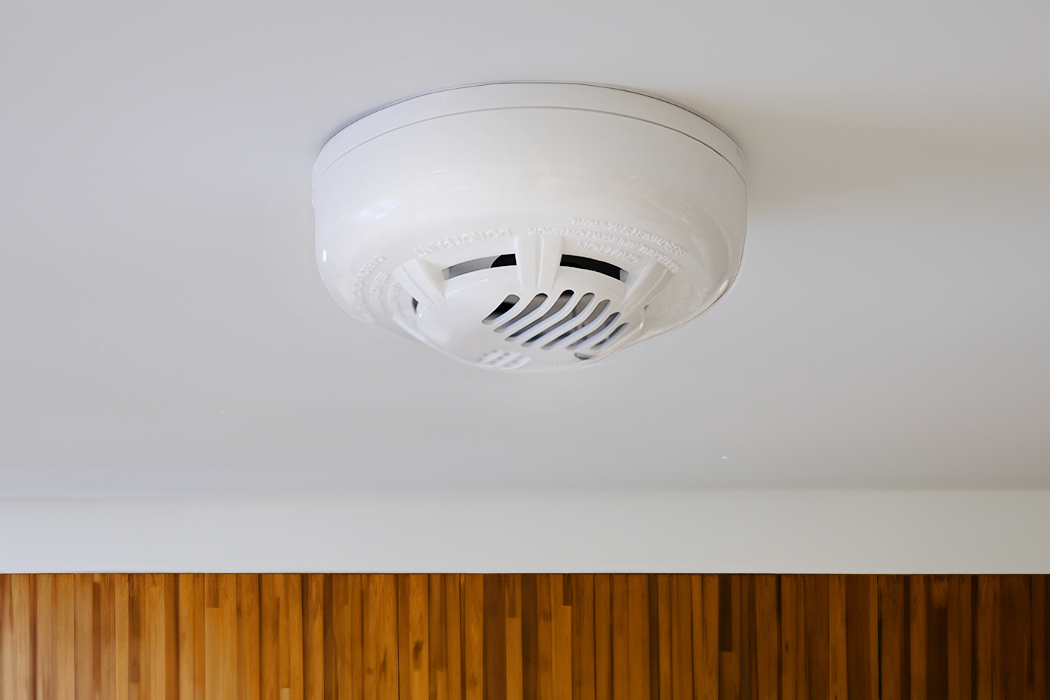
Smoke detectors do not last forever. Replace them every 10 years or as the manufacturer says. Old detectors may not sense smoke well. Look for physical damage or yellowing plastic. These signs mean the detector should be replaced. Always install new detectors to keep your home safe.
Credit: brinkshome.com
Integration With Home Safety Systems
Integrating smoke detectors with home safety systems improves overall protection. This connection helps respond faster during emergencies. It also allows homeowners to monitor their homes remotely. Smoke detectors that work with other safety devices create a safer environment.
Connecting To Alarm Systems
Smoke detectors linked to alarm systems send alerts to all devices. This means every alarm in the house will sound if smoke is detected. It helps wake everyone up quickly. The system can also notify emergency services automatically. This fast response can save lives and reduce damage.
Wired or wireless connections are common for linking smoke detectors. Wireless systems are easier to install and expand. Wired systems offer reliable communication without interference. Choose the type that fits your home’s layout and needs.
Smart Smoke Detectors
Smart smoke detectors connect to Wi-Fi and mobile apps. They send notifications to your phone anytime smoke or fire is detected. This feature helps protect your home even when you are away. Some models also detect carbon monoxide for added safety.
These detectors can integrate with other smart home devices. For example, they may trigger smart lights or unlock doors during an emergency. This automation improves safety and helps you respond faster. Smart smoke detectors offer modern features for better home protection.
Frequently Asked Questions
How Many Smoke Detectors Are Needed Per Home?
At least one smoke detector is needed on every floor of a home. Install detectors inside each bedroom and outside sleeping areas. Larger homes may require additional units for full coverage and safety.
Where Should Smoke Detectors Be Placed In A House?
Place smoke detectors in hallways, living rooms, and near kitchens. Avoid placing them too close to bathrooms or vents to reduce false alarms. Proper placement ensures early fire detection and safety.
How Often Should Smoke Detectors Be Replaced?
Smoke detectors should be replaced every 10 years. Test alarms monthly and replace batteries annually to maintain effectiveness. Old detectors may fail to detect smoke early enough.
Can One Smoke Detector Protect Multiple Rooms?
One smoke detector can protect a small area, but not multiple rooms. For optimal safety, install detectors in each bedroom and common area. This ensures early warning throughout the home.
Conclusion
Every home needs enough smoke detectors for safety. Place one in each bedroom and hallway. Don’t forget the kitchen and living areas. Test them regularly to make sure they work. Change batteries at least once a year. Proper placement can save lives and reduce damage.
Stay safe by installing the right number today. Safety starts with simple steps you can take now.