When was the last time you checked your smoke detector? If you’re unsure how to put a battery in a smoke detector, you’re not alone.
It’s a simple task that can make a huge difference in keeping your home safe. Imagine the peace of mind knowing your smoke detector is ready to alert you in case of danger. You’ll learn exactly how to install a battery quickly and correctly.
Keep reading to make sure your smoke detector is always working when you need it most.
Credit: www.youtube.com
Types Of Smoke Detectors
Smoke detectors come in different types, each with unique features. Choosing the right type helps keep your home safe. Understanding these types makes battery installation easier.
Battery-powered Models
Battery-powered smoke detectors run only on batteries. They are easy to install anywhere in the house. You just need to replace the battery regularly. These models work even during power outages. They are great for homes without hardwired systems.
Hardwired With Battery Backup
Hardwired smoke detectors connect to your home’s electricity. They also have a battery backup for power loss. This type combines constant power with battery reliability. The backup battery needs regular checks and replacement. These detectors often link to other alarms in the house.
Choosing The Right Battery
Choosing the right battery is important for your smoke detector’s safety and performance. The correct battery ensures the device works properly during emergencies. Using the wrong battery can cause false alarms or device failure. Let’s explore common battery sizes and trusted brands to help you decide.
Common Battery Sizes
Most smoke detectors use either 9-volt or AA batteries. The 9-volt battery is the most popular choice. Some models use AA or AAA batteries, but this is less common. Always check your smoke detector’s manual to find the right size. Using the correct battery size guarantees a secure fit and proper power supply.
Battery Brands To Consider
Choose batteries from well-known brands for better reliability. Brands like Duracell, Energizer, and Panasonic are trusted for smoke detectors. These brands offer longer battery life and consistent power. Avoid cheap or no-name batteries, as they might fail quickly. Investing in quality batteries keeps your home safe and your detector working well.
Tools You Might Need
Replacing a battery in a smoke detector is simple. Having the right tools helps make the job faster and easier. You do not need many tools, but a few basic items can help. These tools also keep you safe while working on the detector.
Battery
The most important tool is the correct battery. Smoke detectors usually use 9-volt or AA batteries. Check your smoke detector’s instructions to find the right type. Using the wrong battery can cause the detector to stop working.
Step Ladder
A small step ladder helps you reach the smoke detector. Many detectors are on the ceiling or high on the wall. A sturdy ladder keeps you steady and safe while changing the battery.
Screwdriver
Some smoke detectors have a cover held by screws. A screwdriver helps open the cover. Usually, a Phillips-head screwdriver works for most models. Keep it handy to avoid frustration.
Soft Cloth
A soft cloth cleans the detector before replacing the battery. Dust can block the sensor and stop the alarm from working. Gently wipe the inside and outside of the detector to keep it clean.
Credit: support.firstalert.com
Preparing The Smoke Detector
Preparing the smoke detector is the first step to installing a new battery. It ensures safety and proper functioning. Handle the detector carefully to avoid damage. Follow these simple steps to get ready.
Removing The Detector From The Ceiling Or Wall
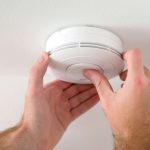
Locate the smoke detector on the ceiling or wall. Most detectors twist off or slide out from their base. Hold the base steady and turn the detector counterclockwise. If it clips in place, gently pull it down. Keep the detector close to avoid dropping it.
Opening The Battery Compartment
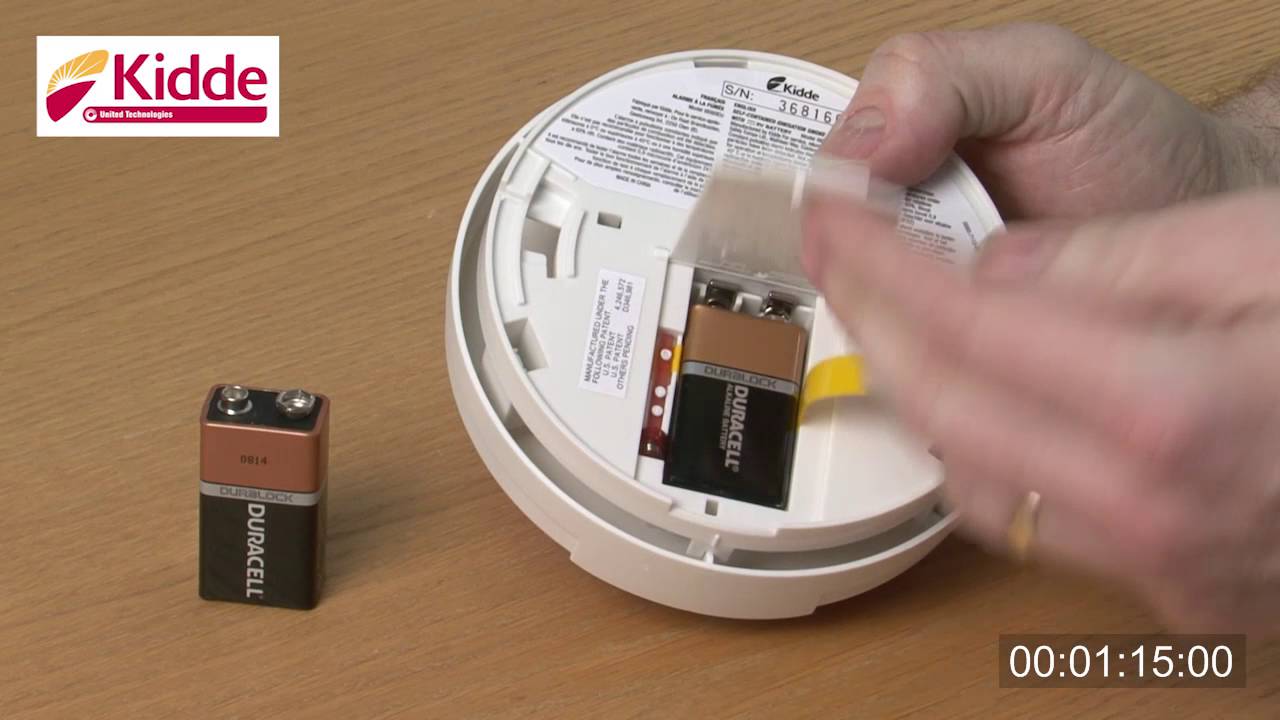
Find the battery compartment on the detector’s back or side. Slide the cover open or press the tab to release it. Some compartments use small screws; use a screwdriver if needed. Remove the old battery carefully. Clean the compartment if you see dust or dirt.
Installing The Battery
Installing the battery in a smoke detector is a simple but important step. This ensures the device works correctly and keeps you safe. Follow clear steps to place the battery properly.
Handling the battery carefully helps avoid damage. It also makes sure the smoke detector gets the power it needs. Next, learn how to match battery polarity and secure the battery in place.
Matching Battery Polarity
Check the battery for plus (+) and minus (-) signs. Match these signs with the markings inside the smoke detector. Aligning the battery correctly prevents damage and ensures power flow.
Wrong polarity means the smoke detector will not work. Take your time to insert the battery the right way. This step is crucial for safety and proper function.
Securing The Battery In Place
Push the battery firmly into its slot. It should fit snugly without moving around. A loose battery can cause the detector to lose power.
Close the battery cover securely. Make sure it clicks or locks in place. This keeps the battery safe and prevents accidental removal.

Credit: support.firstalert.com
Testing The Smoke Detector
Testing the smoke detector is a key step after installing the battery. It confirms the device works correctly and keeps your home safe. Regular testing helps find problems early. It also ensures the alarm sounds when needed.
Using The Test Button
Locate the test button on the smoke detector. Press and hold it for a few seconds. The alarm should sound loudly. This sound shows the battery and sensor are working. No sound means the battery might be dead or the device is faulty. Test the alarm once a month for safety.
Ensuring Proper Functionality
Listen carefully to the alarm sound. It should be clear and loud. Check the detector’s light indicator. A blinking light usually means normal operation. Clean the smoke detector regularly to avoid dust buildup. Dust can stop the sensor from working well. Replace batteries every year or as recommended. Proper care keeps the smoke detector ready to protect.
Tips For Maintenance
Keeping your smoke detector working well needs regular care. Small steps help keep your home safe. Follow these tips to maintain your smoke detector properly.
Regular care makes sure the alarm is ready to warn you in an emergency. It also helps the device last longer and work without problems.
Regular Battery Replacement Schedule
Change the battery at least once every year. Choose a day you can remember easily, like a birthday or holiday. This habit helps avoid dead batteries and false alarms.
Some smoke detectors beep when batteries are low. Do not ignore these sounds. Replace the battery right away to keep the alarm active.
Cleaning The Smoke Detector
Dust and dirt can block the smoke sensor. Clean the device every six months to keep it clear. Use a soft brush or vacuum on low power.
Do not use water or cleaners on the smoke detector. Wipe the outside gently with a dry cloth. This simple step helps the alarm work better and last longer.
Troubleshooting Common Issues
Sometimes, smoke detectors have small problems after you change their batteries. These issues can stop the alarm from working right. Knowing how to fix these common problems helps keep your home safe. Below are simple tips to fix two usual problems.
Detector Won’t Turn On
Check if the battery is inserted the right way. The plus (+) and minus (−) signs must match. Clean the battery contacts with a dry cloth to remove dirt or dust. Press the test button firmly to see if it works. If it still doesn’t turn on, try a new battery. Make sure the battery is fresh and not expired. Sometimes, the smoke detector itself may be broken and need replacement.
False Alarms After Battery Change
False alarms can happen after you replace the battery. This might happen if the battery is loose or not placed correctly. Open the detector and check the battery fit. Dust inside the detector can also cause false alarms. Use a soft brush or vacuum to clean it gently. Avoid spraying water or cleaner inside. If false alarms continue, reset the detector by pressing the test button for 15 seconds. This often clears the error and stops false alarms.
Frequently Asked Questions
How Do You Open A Smoke Detector To Insert A Battery?
To insert a battery, twist or slide the smoke detector cover open. Most models have a latch or tab for easy access. Always check the user manual if unsure. Handle the detector gently to avoid damage.
What Type Of Battery Does A Smoke Detector Use?
Most smoke detectors use a 9-volt or AA battery. Check your specific model for the correct type. Using the right battery ensures proper function and safety.
How Often Should You Replace Smoke Detector Batteries?
Replace batteries at least once a year or when the detector beeps. Regular replacement ensures continuous protection. Mark your calendar or set reminders to maintain safety.
Can I Use Rechargeable Batteries In Smoke Detectors?
Rechargeable batteries are not recommended as they may drain quickly. Use standard alkaline batteries for reliable performance. This keeps your smoke detector functioning optimally.
Conclusion
Putting a battery in a smoke detector is simple and quick. Always use the right battery type for safety. Test the detector after installing the battery to ensure it works. Regularly check and replace batteries to keep your home safe.
A working smoke detector can save lives in emergencies. Stay alert and maintain your device well. Safety starts with small steps like this. Don’t wait—keep your smoke detector ready at all times.