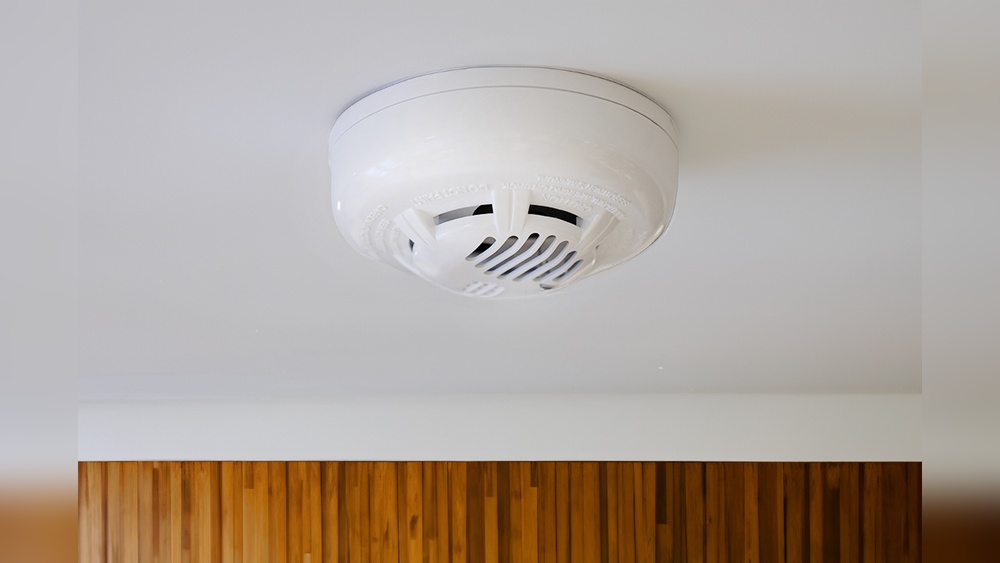

How many smoke and carbon monoxide detectors do you really need in your home? It’s a question that might seem simple but can make a huge difference in keeping you and your family safe.
Having the right number of detectors in the right places can alert you to danger early and give you precious time to act. If you’re unsure about where to put them or how many to install, this guide will clear up the confusion.
By the end, you’ll know exactly what steps to take to protect your home and loved ones better than ever before. Keep reading to find out how to make your home a safer place today.
Smoke Detector Basics
Understanding smoke detectors is key to home safety. These devices warn about fire early. This warning can save lives and property.
Knowing the basics helps you choose the right detectors. It also guides proper placement and maintenance. Let’s explore how smoke detectors work and the types available.
Types Of Smoke Detectors
Two main types exist: ionization and photoelectric. Ionization detectors sense fast, flaming fires. They use a small amount of radioactive material. This helps detect smoke particles quickly.
Photoelectric detectors spot slow, smoldering fires. They use a light beam to detect smoke. When smoke enters, it scatters the light. This triggers the alarm.
Some models combine both types. These dual-sensor alarms offer better protection. They detect various fire types early and accurately.
How Smoke Detectors Work
Smoke detectors sense smoke particles in the air. Ionization types detect changes in electrical current. Smoke interrupts this current, triggering the alarm.
Photoelectric types use a light sensor. Smoke scatters the light beam inside the detector. This activates the alarm signal.
Most detectors run on batteries or house power. Battery-powered models need regular checks. Hardwired units have battery backup for power loss.

Credit: cpisecurity.com
Carbon Monoxide Detector Basics
Carbon monoxide (CO) is a silent, deadly gas. It has no smell, color, or taste. This makes CO detectors essential for home safety. Knowing the basics helps you choose and place the right detectors. This section explains the types of CO detectors and how they work.
Types Of Co Detectors
There are three main types of carbon monoxide detectors: battery-powered, plug-in, and hardwired. Battery-powered detectors run on replaceable or sealed batteries. They are easy to install anywhere in the home.
Plug-in detectors connect directly to wall outlets. Many have battery backup for power outages. Hardwired detectors connect to the home’s electrical system. They often include battery backup as well.
Some CO detectors combine with smoke alarms. These dual detectors save space and provide both protections. Choose the type that fits your home and needs.
How Co Detectors Function
CO detectors sense the level of carbon monoxide in the air. They use sensors that react to the gas molecules. When CO reaches dangerous levels, the detector sounds an alarm.
Most detectors have digital displays showing CO levels. This feature helps track the gas concentration over time. The alarm alerts you before CO levels become life-threatening.
Regular testing and battery replacement keep detectors working well. Proper maintenance ensures early warning and keeps your family safe.
Placement Guidelines For Smoke Detectors
Proper placement of smoke detectors is vital for home safety. Correct spots help detect fires early and keep everyone safe. This section explains where to place smoke detectors and how to avoid common problems.
Recommended Locations
Install smoke detectors inside every bedroom. Place one outside each sleeping area as well. Put detectors on every floor, including basements. Mount them on the ceiling or high on walls. Keep detectors at least 10 feet from cooking appliances. This reduces false alarms from cooking smoke.
Avoiding False Alarms
Do not place detectors near bathrooms. Steam can trigger false alarms. Avoid installing detectors near windows or vents. Drafts may interfere with proper sensing. Keep detectors away from heating and cooling devices. These can cause false alerts too. Regular cleaning helps keep detectors working well.

Credit: www.firstalert.com
Placement Guidelines For Carbon Monoxide Detectors
Proper placement of carbon monoxide detectors is key for home safety. These devices must be installed in spots where they can detect harmful gas quickly. Correct placement helps protect your family from carbon monoxide poisoning.
Understanding where to place detectors can prevent false alarms and missed dangers. Follow clear guidelines for the best results.
Ideal Locations
Install detectors outside each sleeping area. This lets the alarm wake everyone up if gas is present. Place at least one on every floor of the house. Include the basement and the main living area. Avoid putting detectors in kitchens or bathrooms. Steam and cooking fumes can cause false alarms. Mount detectors on the wall or ceiling, about 5 feet above the floor. This height catches carbon monoxide effectively.
Common Mistakes To Avoid
Do not install detectors near windows or vents. Fresh air can clear the gas and delay the alarm. Avoid placing detectors too high or too low. Carbon monoxide mixes with air and spreads evenly. Installing them at random heights can reduce sensitivity. Never put detectors inside garages or furnace rooms. These places might have temporary gas spikes. Avoid covering detectors with furniture or curtains. The gas needs clear access to reach the sensor.
Number Of Detectors Needed Per Home Size
Knowing how many smoke and carbon monoxide detectors your home needs is key for safety. The size and layout of your home affect the number of detectors required. Different home sizes call for different setups to ensure full coverage. This guide breaks down the number of detectors needed based on home size.
Small Homes
Small homes need at least one smoke detector on each level. Place detectors near sleeping areas for quick alerts. One carbon monoxide detector near bedrooms is enough. Compact spaces mean fewer detectors but full coverage is still essential.
Medium To Large Homes
Medium and large homes require more detectors to cover all rooms. Install smoke detectors in every bedroom and hallway. Add one on each floor, including basements and attics. Carbon monoxide detectors should be near all sleeping areas. Larger homes need careful planning for detector placement.
Multi-story Homes
Multi-story homes need detectors on every floor, including the basement. Place smoke detectors inside and outside all bedrooms. Carbon monoxide detectors belong near bedrooms on each level. Stairways benefit from detectors to warn residents moving between floors. Multiple floors increase the number of detectors needed.
Special Considerations
Special considerations help determine the right number of smoke and carbon monoxide detectors. Different homes have unique needs. Some factors increase the need for more detectors. Understanding these factors keeps your home safer.
Older Homes
Older homes may have outdated wiring or hidden fire risks. These homes need more detectors to cover all areas. Smoke detectors should be in every bedroom and hallway. Carbon monoxide detectors are essential near heating systems.
Homes With Fuel-burning Appliances
Fuel-burning appliances like gas stoves or fireplaces produce carbon monoxide. These homes require extra carbon monoxide detectors. Place detectors near appliances and sleeping areas. This setup helps catch dangerous gas early.
Homes With Multiple Bedrooms
Each bedroom should have its own smoke detector. This ensures everyone hears the alarm in an emergency. Place carbon monoxide detectors outside sleeping areas. This placement gives early warning to all residents.
Maintenance And Testing
Smoke and carbon monoxide detectors save lives by alerting you to danger early. Proper maintenance and testing keep these devices working well. Regular checks ensure they respond quickly in emergencies. Neglecting maintenance can lead to false alarms or no alarms at all.
Regular Testing Tips
Test your detectors once a month. Press the test button until the alarm sounds. If the alarm does not sound, replace the batteries or the unit. Clean the detectors gently with a soft brush or vacuum. Avoid using water or cleaning chemicals on the devices. Keep detectors free from dust and debris. This helps maintain their sensitivity and reliability.
Battery Replacement Schedules
Change batteries at least once every year. Use fresh, high-quality batteries for best performance. Some detectors use sealed batteries that last up to 10 years. For these, replace the whole unit after the battery life ends. Always replace batteries immediately if the low battery warning sounds. This sound is a chirp every 30 to 60 seconds. Regular battery changes prevent device failure during emergencies.

Credit: ismarthomesecurity.com
Legal Requirements And Standards
Knowing the legal requirements and standards for smoke and carbon monoxide detectors is important. These rules protect your home and family from fire and gas dangers. Following the correct guidelines ensures your safety and helps avoid fines or legal trouble.
Local Building Codes
Local building codes set the minimum number of detectors needed in your home. These codes vary by city or state. Some areas require a smoke detector in every bedroom and outside sleeping areas. Others may demand carbon monoxide detectors near bedrooms or on every floor. Check your local code to meet all rules and keep your home safe.
National Fire Protection Association Guidelines
The National Fire Protection Association, or NFPA, provides widely accepted safety standards. NFPA 72 is the main guideline for smoke and carbon monoxide alarms. It recommends installing smoke alarms inside each bedroom, outside sleeping areas, and on every level of the house. Carbon monoxide alarms should be placed outside bedrooms and on each floor. Following NFPA guidelines helps ensure maximum protection.
Frequently Asked Questions
How Many Smoke Detectors Are Needed Per Home?
Install smoke detectors inside every bedroom, outside each sleeping area, and on every floor. This ensures early fire detection and safety.
Where Should Carbon Monoxide Detectors Be Placed?
Place carbon monoxide detectors near bedrooms and on every level of your home. Avoid placing them directly above fuel-burning appliances.
Can One Detector Cover Multiple Rooms?
No, one detector cannot cover multiple rooms effectively. Install detectors in each required area for proper safety coverage.
How Often Should Detectors Be Replaced?
Smoke and carbon monoxide detectors should be replaced every 10 years. Regular replacement ensures they function correctly during emergencies.
Conclusion
Smoke and carbon monoxide detectors keep your home safe. Place them in bedrooms, hallways, and living areas. Check local rules for exact numbers needed. Test detectors regularly to ensure they work well. Replace batteries at least once a year. Remember, having enough detectors can save lives.
Stay safe by installing the right amount today. Safety starts with simple steps like these.