
Your safety at home starts with small, smart steps. One of the easiest and most effective ways to protect yourself and your loved ones is by installing a battery operated smoke detector.
But maybe you’re wondering, “How do I get it done right? ” Don’t worry—you’re about to learn a simple, clear guide that will help you install your smoke detector quickly and confidently. Keep reading, and you’ll discover tips that make this important task straightforward, so you can feel safer in your own space without any hassle.

Credit: www.firstalert.com
Choosing The Right Smoke Detector
Choosing the right smoke detector is important for home safety. It helps detect smoke early and alerts you to danger. Different detectors work better in different places. Picking the right one can save lives and protect your property.
Types Of Battery Operated Smoke Detectors
There are mainly two types of battery operated smoke detectors. Ionization detectors respond quickly to fast flaming fires. Photoelectric detectors are better at sensing slow, smoldering fires. Some models combine both types for better protection. Choose based on the type of fire risk in your home.
Key Features To Consider
Look for a smoke detector with loud alarms for clear alerts. A test button helps check if the device works. Some have a silence feature to stop false alarms. Choose a detector with a low battery warning light. These features make the device easier to use and maintain.
Battery Life And Maintenance
Battery life varies by model and usage. Many detectors use 9-volt or AA batteries. Some have sealed batteries that last up to 10 years. Regularly test your detector to ensure it works. Replace batteries at least once a year or when low battery alerts sound.

Credit: www.firstalert.com
Gathering Necessary Tools
Before installing a battery operated smoke detector, gather all necessary tools. Having the right tools ready makes the process smooth and fast. It also ensures the detector works safely and correctly.
Tools You’ll Need
Start with a drill or screwdriver for mounting the detector. Use screws and wall anchors to secure it tightly. A ladder or step stool helps reach high places easily. Keep a pencil handy to mark drilling spots. Don’t forget to have fresh batteries ready for the smoke detector.
Safety Equipment
Wear safety goggles to protect your eyes from dust and debris. Use gloves to keep your hands safe while handling tools. If drilling on a ladder, make sure it is stable and on flat ground. Safety first to avoid accidents during installation.
Selecting Installation Locations
Selecting the right locations to install battery operated smoke detectors is key for safety. Proper placement ensures smoke is detected early. It gives you more time to act in an emergency.
Smoke rises, so detectors should be high on walls or ceilings. Choosing spots away from windows, fans, or vents helps avoid false alarms. Placement matters for both effectiveness and reliability.
Ideal Placement Tips
Install smoke detectors in every bedroom and outside sleeping areas. Place one on each level of your home, including the basement. Mount detectors on the ceiling or high on walls, 4 to 12 inches from the ceiling.
Keep detectors at least 10 feet from cooking appliances to reduce false alarms. Avoid corners where smoke might not reach easily. Hallways are good spots to catch smoke moving through rooms.
Avoiding Common Mistakes
Do not install detectors near windows or vents. Airflow can push smoke away from sensors. Avoid placing detectors in kitchens or bathrooms to prevent steam or cooking smoke from triggering false alarms.
Do not install detectors in garages or dusty areas. Dirt and fumes can damage the sensor. Avoid putting detectors too close together; space them at least 10 feet apart.
Preparing The Installation Site
Preparing the installation site is a key step to install a battery operated smoke detector. It ensures the device works well and stays secure. Taking time to prepare the area helps avoid problems later. Focus on cleaning and marking spots before checking the wall or ceiling material.
Cleaning And Marking Spots
Start by cleaning the surface where you will place the detector. Use a dry cloth to remove dust and dirt. A clean surface helps the detector stick better and stay firm. Next, mark the exact spots for drilling or attaching the detector. Use a pencil to draw small dots. This step makes the installation easier and more accurate. Double-check the marks to ensure the detector will be centered and level.
Checking Wall Or Ceiling Material
Identify the type of wall or ceiling where you plan to install the detector. Different materials need different tools and anchors. Drywall, plaster, wood, or concrete each require a unique approach. Make sure the surface is strong enough to hold the detector. Avoid weak or crumbly areas. Choose the right screws and anchors based on the material. This prevents the detector from falling or becoming loose over time.
Installing The Smoke Detector
Installing a battery-operated smoke detector is simple and quick. This device helps keep your home safe by alerting you to smoke or fire early. Follow clear steps to mount and set up your smoke detector properly. This ensures it works well and protects your family.
Mounting The Bracket
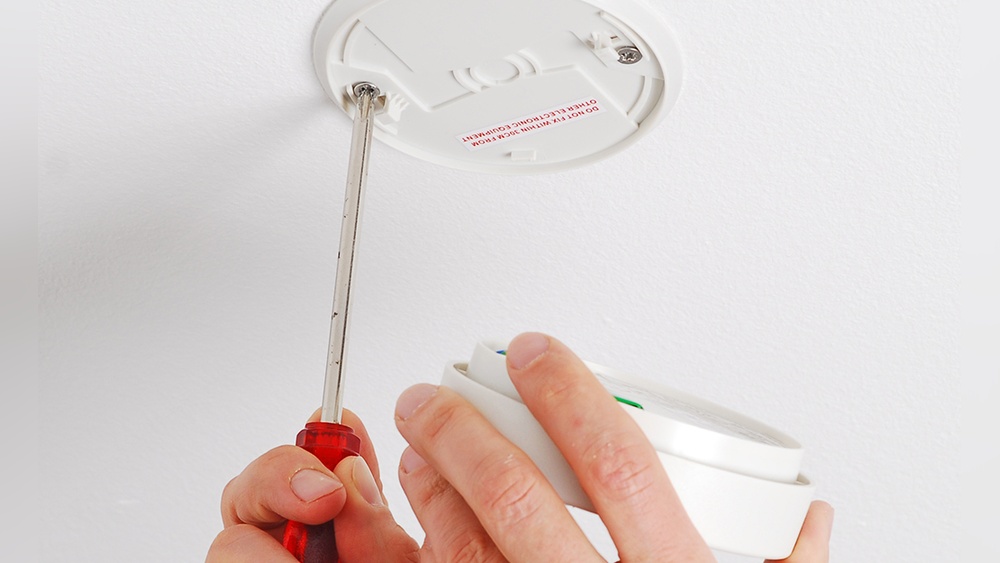
Start by choosing a good spot on the ceiling or high on a wall. Use a pencil to mark where screws will go. Hold the bracket in place and drill holes for the screws. Secure the bracket tightly to avoid any movement.
Attaching The Detector
Line up the smoke detector with the mounted bracket. Twist or snap the detector onto the bracket. Make sure it fits firmly and does not wobble. Check that it sits flush against the ceiling or wall.
Inserting The Batteries
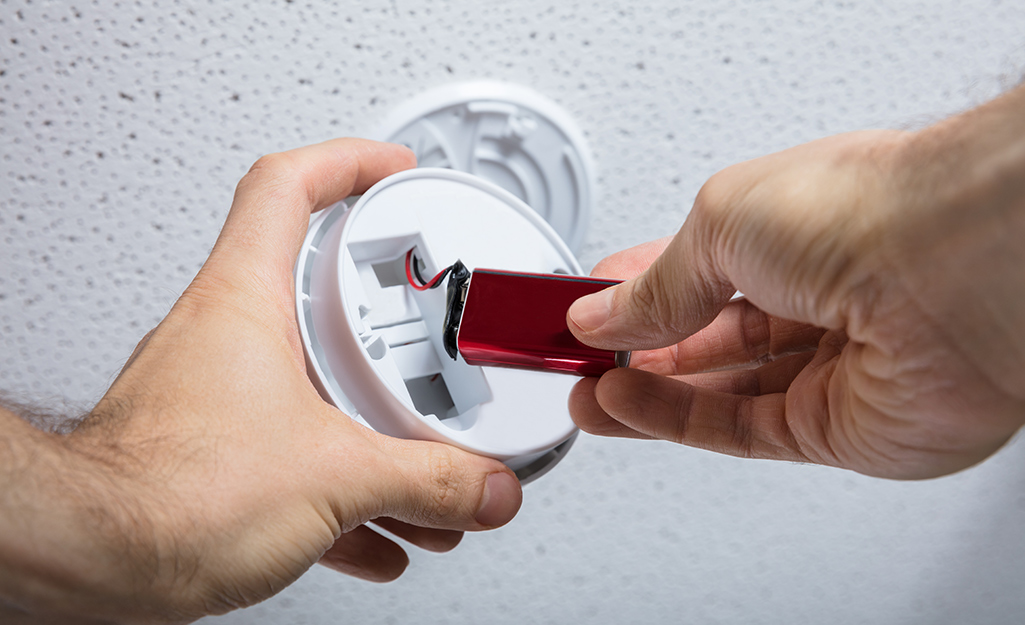
Open the battery compartment on the detector’s back or side. Insert fresh batteries matching the plus and minus signs. Close the compartment securely. Press the test button to check if the detector works.
Testing The Smoke Detector
Testing the smoke detector is a crucial step after installation. It ensures the device works properly. Regular tests keep your home safe. A working smoke detector can save lives.
Using The Test Button
Locate the test button on the smoke detector. Press and hold it for a few seconds. The alarm should sound loud and clear. If the sound is weak or absent, replace the batteries. Repeat the test after battery replacement. This simple step confirms the detector’s alert function.
Ensuring Proper Functionality
Check the detector’s response beyond the test button. Wave a small piece of smoke near the sensor. The alarm should activate promptly. Clean the detector regularly to avoid dust buildup. Dust can block the sensor and reduce sensitivity. Test the device monthly to maintain safety. Replace the detector every ten years for best performance.
Maintaining Your Smoke Detector
Maintaining your battery operated smoke detector is key to keeping your home safe. A well-kept detector works properly when you need it most. Small steps can make a big difference in its performance and lifespan.
Regular care helps prevent false alarms and ensures the device senses smoke quickly. Follow these simple tips to keep your smoke detector in top shape.
Regular Battery Replacement
Replace the batteries at least once a year. Use fresh batteries to avoid low power warnings. Some detectors beep when batteries run low. Don’t ignore these signals. Always keep spare batteries at home for quick changes.
Cleaning And Dust Removal
Dust and dirt can block the sensor and stop the alarm. Clean your smoke detector every few months. Use a soft brush or a vacuum cleaner with a brush attachment. Avoid harsh chemicals or water. Keep the device dry and free from dust.
Routine Testing Schedule
Test your smoke detector once a month. Press the test button until the alarm sounds. If it doesn’t beep, check the batteries or replace the unit. Regular testing ensures the alarm is ready to alert you in an emergency.
Troubleshooting Common Issues
Troubleshooting common issues with battery operated smoke detectors helps keep your home safe. These detectors are easy to install but may face small problems. Fixing these problems quickly ensures the device works well.
Common problems include false alarms, the detector not powering on, and low battery alerts. Each issue has simple solutions that anyone can try at home.
False Alarms
False alarms happen when the detector senses smoke or steam incorrectly. Clean the detector’s sensor regularly to avoid dust buildup. Avoid placing the detector near kitchens or bathrooms. Steam and cooking smoke can trigger false alarms. Test the detector after cleaning to check if the problem stops.
Detector Not Powering On
The detector may not turn on due to weak or dead batteries. Remove the battery and insert a new one carefully. Check if the battery is placed correctly with the right polarity. Inspect the battery contacts for dirt or corrosion. Clean the contacts with a dry cloth to improve connection. Press the test button to see if the detector powers on.
Low Battery Alerts
Low battery alerts sound a beep or chirp to warn you. Replace the battery immediately to keep the detector working. Use fresh, good-quality batteries for longer life. Always carry extra batteries in your home. Test the detector after replacing the battery to confirm the alert stops.
Credit: www.homedepot.com
Frequently Asked Questions
How Do I Install A Battery Operated Smoke Detector?
First, select a suitable ceiling spot. Use screws or adhesive to fix the mounting bracket. Insert the battery and attach the detector. Test it to ensure it works properly.
Where Should I Place Battery Operated Smoke Detectors?
Install them on every level of your home, especially near bedrooms and kitchens. Avoid placing detectors near windows or vents to prevent false alarms.
How Often Should I Replace Smoke Detector Batteries?
Replace batteries at least once a year or immediately when the low battery alarm sounds. Regular testing ensures the detector functions correctly.
Can I Install A Smoke Detector Without Tools?
Yes, some models use adhesive strips for easy installation. However, screws provide a more secure and long-lasting fix.
Conclusion
Installing a battery-operated smoke detector keeps your home safe. Place it on the ceiling or high on a wall. Test the alarm regularly to ensure it works well. Change batteries once a year or when the low battery alert sounds.
Clean the detector to avoid dust build-up. Simple steps like these protect your family from fire risks. Stay alert and keep your smoke detector ready at all times. Safety starts with small actions you can do today.

