
Looking for a simple, affordable way to organize your pool towels? Building your own PVC pool towel rack is easier than you think.
With just a few materials and some basic steps, you can create a sturdy and stylish rack that keeps your towels neat and ready for use. Imagine never having to hunt for a dry towel again or deal with soggy messes.
Keep reading, and you’ll discover exactly how to build a PVC towel rack that fits your space and style perfectly. Your pool area is about to get a major upgrade!
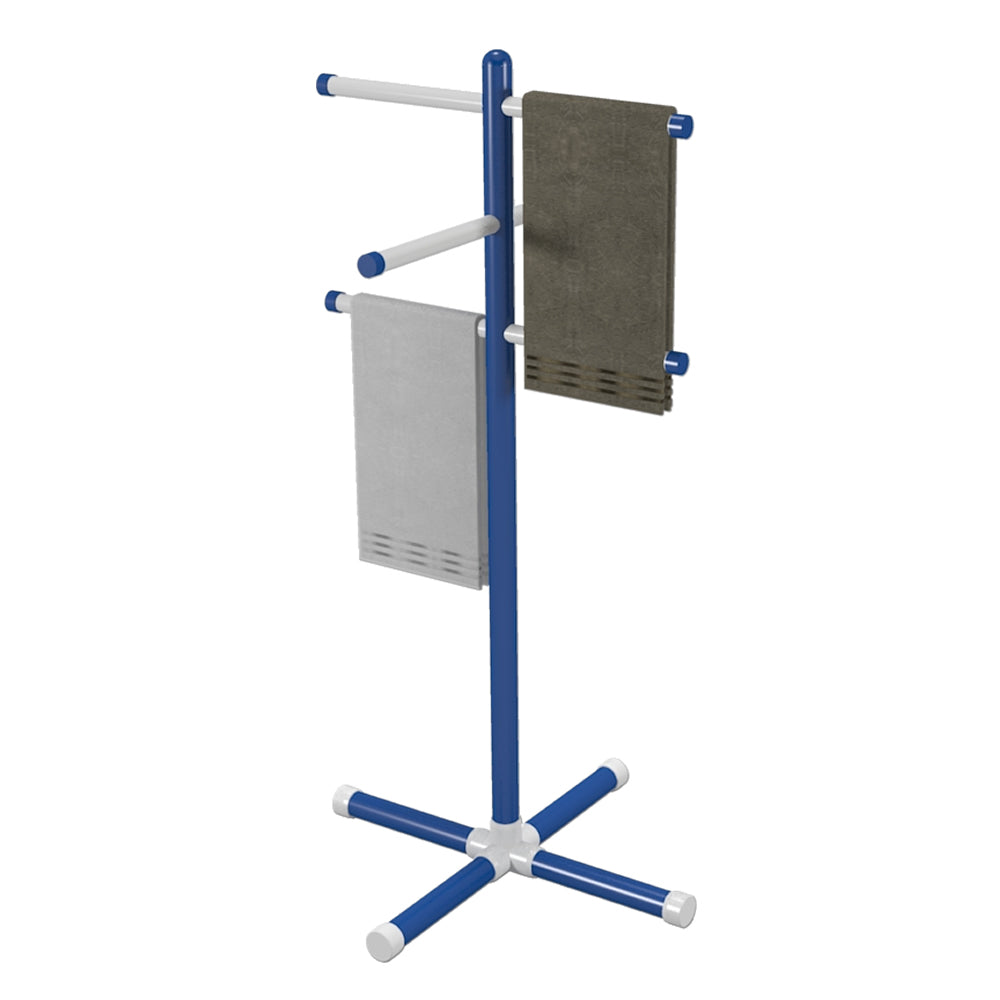
Credit: formufit.com
Materials Needed
Building a PVC pool towel rack requires a few simple materials. These materials are easy to find and affordable. Having the right items makes the project smooth and fun. Below is a list of what you need to get started.
Pvc Pipes And Fittings
Use PVC pipes as the main structure of the towel rack. Choose pipes that are strong but lightweight. Common sizes are 1/2 inch or 3/4 inch diameter. You will also need fittings like elbows, tees, and connectors. These help shape the rack and hold pipes together firmly.
Tools Required
Gather basic tools to cut and join the PVC parts. A hacksaw or PVC pipe cutter works well for cutting. Sandpaper or a file smooths rough edges after cutting. A measuring tape helps keep parts the correct size. Use a marker to mark where to cut. Finally, a PVC glue or cement is necessary to bond pieces securely.
Additional Supplies
Consider extra items to improve your rack’s look and function. Spray paint made for plastic can color your rack. Rubber caps or end plugs protect pipe edges and keep towels from slipping off. Non-slip pads or mounting brackets keep the rack stable and fixed in place near the pool.

Credit: www.reddit.com
Planning Your Towel Rack
Planning your PVC pool towel rack is the first step to a useful and sturdy project. Proper planning saves time and materials. It helps to avoid mistakes during building. Think about where you want to place the rack. Consider how many towels it should hold. This way, you can build a rack that fits your needs perfectly.
Choosing The Size
Decide how big your towel rack should be. Think about the number of towels you want to hang. A small rack is easier to build but holds fewer towels. A larger rack needs more PVC pipes but offers more space. Measure the area near your pool. Make sure the rack fits well without blocking walkways. Choose a size that balances space and capacity.
Design Options
Explore different shapes and styles for your rack. A simple horizontal bar is quick to build. A multi-tier design offers more hanging space. Consider adding hooks for smaller items. Think about stability and ease of use. Your design should be strong enough to hold wet towels. Keep it simple to avoid complex cuts and fittings.
Measuring And Marking
Accurate measuring is key for a good build. Use a tape measure for all parts. Mark the PVC pipes clearly with a pencil. Double-check all measurements before cutting. Mark where each joint and connector will go. Precise marking ensures easy assembly. This step prevents errors and saves materials.
Cutting Pvc Pipes
Cutting PVC pipes is an important step in building your pool towel rack. Accurate cuts ensure the rack fits well and holds towels securely. Taking time to cut pipes correctly saves effort later. Using the right tools and methods makes the job easier and safer.
Safety Tips
Wear safety glasses to protect your eyes from flying debris. Use gloves to avoid cuts and scrapes on your hands. Work in a well-lit area to see clearly. Keep your workspace clean to prevent accidents. Always cut away from your body to avoid injuries.
Cutting Techniques
Measure the pipe length carefully before cutting. Mark the cut line with a pencil or marker. Use a fine-toothed saw or PVC cutter for clean cuts. Cut slowly and steadily for a straight edge. Sand the cut ends lightly to remove rough spots.
Organizing Pieces
Sort cut pieces by size and shape for easy assembly. Label each piece with tape or a marker. Arrange parts in the order you will use them. Store small parts in a container to avoid loss. Keeping organized speeds up the building process.
Assembling The Frame
Assembling the frame is the first step in building your PVC pool towel rack. This step creates the basic structure. The frame must be strong and well-built. It holds the entire rack together and supports the towels. Follow each step carefully to make sure the rack lasts long and works well.
Connecting Pipes And Fittings
Start by gathering all pipes and fittings. Use PVC pipes cut to the correct length. Join pipes with elbow and T-shaped fittings. Push pipes firmly into fittings for a tight fit. Avoid gaps or loose connections. Use PVC cement for stronger joints. Apply cement carefully to pipe ends and inside fittings. Hold pieces together for a few seconds until dry.
Ensuring Stability
Stability is key for a safe towel rack. Make sure the base is wide and even. Use crossbars to add support and prevent wobbling. Check that all joints are secure. Add extra fittings if needed for strength. Place the frame on a flat surface during assembly. This prevents uneven weight and keeps the rack steady.
Checking Alignment
Align all parts before the cement sets. Use a level to check horizontal and vertical pipes. Make small adjustments to keep the frame straight. Misaligned pipes can cause imbalance and weakness. Take time to ensure pipes are parallel and square. Proper alignment improves the rack’s look and durability.
Securing And Finishing
Securing and finishing your PVC pool towel rack is crucial for durability and a neat look. Proper steps make your rack strong and safe to use. This part guides you on how to join the pieces firmly and make the surface smooth and attractive.
Using Pvc Cement
PVC cement bonds the pipes permanently. Apply a thin layer on both pipe ends and fittings. Press them together quickly and hold for a few seconds. The cement melts the plastic, creating a solid joint. Let it dry fully before moving the rack.
Sanding Rough Edges
After cementing, check for any sharp or rough edges. Use fine sandpaper to smooth these spots. Sanding prevents cuts and gives a clean finish. Wipe away dust with a cloth before the next step.
Optional Painting Or Decorating
Paint adds color and protects the rack from sun damage. Use paint made for plastic surfaces. Apply light coats and let each dry well. You can also add stickers or wrap with waterproof tape. Decorating makes your rack unique and fun.
Mounting And Placement
Mounting and placement are key steps in building a PVC pool towel rack. These steps ensure your rack stays sturdy and easy to use. The right spot makes towels dry faster and keeps the area neat. Consider space, sun, and ease of reach before installing.
Choosing Location
Pick a spot near the pool for quick towel access. Choose a dry area to avoid mildew. Avoid direct sun if possible, to keep towels from fading. Make sure the spot has enough room for the rack size. Check the surface type, as it affects mounting options.
Wall Mounting Vs Freestanding
Wall mounting saves floor space and looks tidy. It works well on strong walls like brick or wood. Freestanding racks move easily and fit any area. They need a flat, stable surface to avoid tipping. Decide based on your pool layout and space.
Securing The Rack
Use strong anchors or screws for wall mounts. Drill pilot holes to avoid cracking PVC or walls. For freestanding racks, add weight or use rubber feet. This stops the rack from falling in wind or bumps. Double-check all parts are tight before use.
Maintenance Tips
Maintaining your PVC pool towel rack keeps it looking new and working well. Simple care steps extend the rack’s life. Follow these tips to keep your towel rack clean and strong.
Cleaning Pvc Surfaces
Use a soft cloth or sponge with mild soap and water. Wipe down the PVC pipes gently to remove dirt and stains. Avoid harsh chemicals or abrasive scrubbers that can scratch the surface. Rinse with clean water and dry with a towel to prevent water spots.
Preventing Damage
Do not overload the towel rack with heavy items. Keep it away from sharp objects that might cause scratches or cracks. Check for loose joints and tighten them if needed. Avoid exposing the rack to extreme heat or direct sunlight for long periods.
Seasonal Storage Advice
Before storing for winter, clean the rack thoroughly. Let it dry completely to stop mold and mildew growth. Store the rack indoors or in a dry place. Cover it with a cloth to protect from dust and dirt. This care helps the rack last through changing seasons.

Credit: www.youtube.com
Frequently Asked Questions
What Materials Are Needed For A Pvc Pool Towel Rack?
You need PVC pipes, connectors, a saw, measuring tape, and sandpaper. These materials are affordable and easy to find at hardware stores. They ensure the rack is sturdy and weather-resistant for outdoor pool use.
How Do I Cut Pvc Pipes Accurately?
Measure twice and mark the pipe clearly before cutting. Use a fine-toothed saw or PVC cutter for clean edges. Sand the cut ends to remove roughness and ensure proper fitting.
Can I Customize The Size Of The Towel Rack?
Yes, PVC pipes can be cut to any length. Customize the rack size to fit your pool area and towel quantity. Adjust connectors accordingly for a secure assembly.
How Do I Assemble The Pvc Towel Rack?
Connect pipes using PVC connectors based on your design. Ensure tight joints for stability. Use PVC glue if a permanent rack is desired. Assembly requires no special tools or skills.
Conclusion
Building a PVC pool towel rack is simple and fun. It saves space and keeps towels dry. You only need basic tools and easy steps. This project fits any poolside or backyard area. It helps keep your pool area neat and tidy.
Plus, you can customize the rack to your style. Enjoy a practical and low-cost solution for towel storage. Try it yourself and see how useful it is!

