
Are you tired of your towel rack falling off the wall or feeling loose every time you grab a towel? Anchoring a towel rack correctly is the key to keeping it sturdy and reliable.
Whether you’re dealing with drywall, tile, or plaster, knowing the right steps can save you time, money, and frustration. In this guide, you’ll discover simple, proven methods to securely anchor your towel rack so it stays put—even with daily use.
Keep reading, and you’ll have a strong, dependable towel rack in no time.

Credit: diy.stackexchange.com
Choosing The Right Location
Choosing the right location for your towel rack is important for both function and style. A well-placed towel rack keeps towels dry and easy to reach. It also helps keep your bathroom neat and organized. Careful placement prevents damage to walls and makes the rack last longer.
Ideal Height For Towel Racks
The best height for a towel rack is usually between 48 and 52 inches from the floor. This height works well for most people. It keeps towels within easy reach after washing hands or showering. For children, you can place the rack lower, around 36 to 40 inches. This simple step makes your bathroom user-friendly for all ages.
Finding Studs Or Solid Surfaces
Mounting your towel rack on a solid surface is key to strong support. Walls with studs are the best spots. Use a stud finder to locate wooden studs behind drywall. If no studs are available, use heavy-duty wall anchors. These give extra strength and prevent the rack from falling. Avoid mounting only on drywall without anchors or studs, as it may not hold weight well.

Credit: www.thisoldhouse.com
Gathering Necessary Tools And Materials
Gathering the right tools and materials is the first step to anchor a towel rack securely. This preparation makes the installation smoother and safer. Knowing what you need saves time and prevents mistakes. You need to choose the correct anchors and have all tools ready before starting.
Types Of Anchors For Different Walls
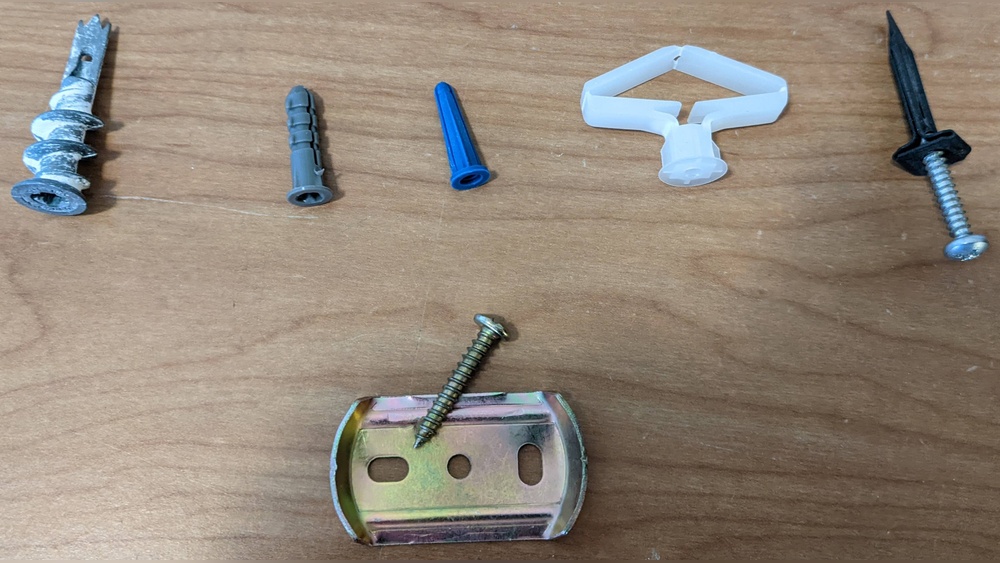
Different walls need different types of anchors. Drywall, plaster, and concrete all require specific anchors to hold the towel rack firmly. For drywall, plastic expansion anchors or toggle bolts work well. Plaster walls need molly bolts or anchors designed for brittle surfaces. Concrete or brick walls require heavy-duty anchors like sleeve anchors or masonry screws.
Choosing the right anchor depends on the wall material and the weight of the towel rack. Using the wrong anchor can cause the rack to fall and damage the wall. Check your wall type carefully before buying anchors.
Essential Tools Checklist
Gathering all necessary tools before installation is important. A drill with the correct drill bits is essential for making holes for anchors. A screwdriver or drill with a screwdriver bit helps to fasten screws into anchors. A level ensures the towel rack hangs straight. A pencil marks spots for drilling.
Other useful tools include a tape measure to space the mounting holes accurately and a stud finder to locate studs behind drywall. Having a hammer may help to tap anchors into place. Prepare these tools to make the installation process easier and faster.
Preparing The Wall
Preparing the wall is the first step to securely anchor a towel rack. It ensures the rack stays firmly in place and supports the weight of wet towels. Proper preparation avoids damage to the wall and potential safety hazards.
Marking Drill Points
Begin by holding the towel rack against the wall at the desired height. Use a pencil to mark the spots where you will drill holes. Double-check the marks to ensure they are level and aligned. Accurate marks make installation easier and cleaner.
Checking For Hidden Pipes And Wires
Before drilling, scan the wall for pipes and electrical wires. Use a stud finder with a wire detection feature for safety. Avoid drilling into any hidden pipes or wires to prevent accidents. This step protects your home and ensures a safe installation.
Installing The Anchors
Installing anchors is a key step in securing a towel rack firmly to the wall. Anchors provide extra support and prevent the rack from loosening over time. This step requires careful drilling and placing of anchors in the correct spots. The right anchors make the towel rack strong and safe to use.
Drilling Pilot Holes
Start by marking the spots where the towel rack will attach to the wall. Use a pencil for clear, visible marks. Choose a drill bit slightly smaller than the anchor size. Drill straight and steady pilot holes at the marked points. These holes guide the anchors and help them fit tightly. Avoid drilling too deep to protect the wall behind.
Inserting Plastic And Metal Anchors
Plastic anchors are common and work well in drywall. Push the plastic anchor into the pilot hole until it is flush with the wall. Tap gently with a hammer if needed. Metal anchors offer stronger support for heavier racks. Insert metal anchors by screwing or tapping them into the holes. Make sure each anchor fits snugly and does not wiggle. Properly inserted anchors hold screws tightly, securing the rack firmly.
Mounting The Towel Rack
Mounting the towel rack is the key step in making it secure and functional. Proper mounting ensures the rack can hold towels without falling. This part needs care and precision to get right. Follow simple steps to attach the rack firmly to the wall.
Aligning The Rack With Anchors
First, hold the towel rack against the wall. Match the holes on the rack with the anchors in the wall. Check if the rack is level. Use a level tool for accuracy. Mark the spots for screws clearly on the wall. This step helps prevent mistakes later.
Securing Screws For Stability
Insert screws through the towel rack holes into the anchors. Tighten the screws slowly and evenly. Avoid over-tightening to prevent damage. Make sure the rack does not wobble. Test the stability by gently pulling on the rack. Secure screws keep the towel rack strong and safe.
Testing And Adjusting
After mounting your towel rack, testing and adjusting are essential steps. These steps ensure the rack stays secure and works well over time. Take time to test firmness and make final adjustments for safety and function.
Checking For Firmness
Press gently on the towel rack from different angles. It should not move or wiggle. Slight movement means the anchors may not be tight enough. Try pulling the rack lightly to check for any looseness. A firm rack holds steady without shifting.
Making Final Adjustments
Use a screwdriver to tighten screws if the rack feels loose. Avoid overtightening, which can damage the wall or anchors. Adjust the rack’s position slightly if it tilts or feels uneven. Test again after each adjustment to confirm stability.
Maintenance Tips
Maintaining a towel rack helps it last longer and stay strong. Regular care stops damage and keeps the rack looking good. Simple steps can protect it from rust and looseness. Follow these tips to keep your towel rack safe and firm.
Preventing Rust And Damage
Wipe the towel rack dry after use. Moisture causes rust on metal racks. Use a soft cloth to clean the rack weekly. Avoid harsh chemicals that can wear off the finish. A light coat of clear nail polish protects metal parts. Check for signs of rust and fix them quickly.
Reinforcing Loose Racks
Loose racks can fall and cause damage. Tighten screws every few months to keep the rack steady. Use a screwdriver to check if screws are loose. Add wall anchors if screws do not hold well. Replace damaged screws with stronger ones. Press the rack firmly to test its strength after fixing.

Credit: www.reddit.com
Frequently Asked Questions
How Do You Anchor A Towel Rack Securely?
To anchor a towel rack securely, use wall anchors or toggle bolts. Locate studs if possible, drill pilot holes, insert anchors, then screw the rack tightly. This ensures stability and prevents damage to drywall or plaster.
What Tools Are Needed To Anchor A Towel Rack?
You need a drill, level, screwdriver, tape measure, pencil, wall anchors, and screws. These tools help measure, mark, and securely fasten the towel rack to the wall.
Can I Install A Towel Rack Without Studs?
Yes, use heavy-duty wall anchors or toggle bolts to secure the rack. These provide strong support when studs are unavailable, preventing the rack from loosening or falling.
How High Should I Mount A Towel Rack?
Mount the towel rack about 48 inches from the floor. This height is comfortable for most users and allows towels to hang freely without touching the floor.
Conclusion
Anchoring a towel rack properly keeps it secure and stable. Choose the right anchors for your wall type. Measure and mark carefully before drilling any holes. Use a level to keep the rack straight. Tighten screws firmly, but avoid overtightening.
A well-anchored towel rack holds towels safely and looks neat. Taking these simple steps saves time and prevents damage. Now, enjoy a sturdy towel rack in your bathroom.