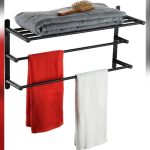

Have you ever wondered how much weight your towel rack can actually hold? Whether you’re thinking about hanging heavy bathrobes, multiple towels, or even other items, knowing the limit of your towel rack is key to avoiding unexpected damage.
You don’t want your rack to come crashing down just when you need it most. You’ll discover exactly how to assess your towel rack’s strength and learn simple tips to make sure it stays secure and reliable. Keep reading to protect your walls and keep your bathroom organized without any hassle.

Credit: www.amazon.com
Types Of Towel Racks
Towel racks come in different types, each with unique features and weight limits. Choosing the right type affects how much weight the rack can hold. Understanding these types helps pick the best towel rack for your needs.
Wall-mounted Racks
Wall-mounted towel racks attach directly to the wall. They usually hold more weight than other types. The strength depends on the wall material and the mounting hardware used. These racks can hold multiple towels or heavy wet towels without bending.
Freestanding Racks
Freestanding racks stand on the floor without wall support. They offer flexibility to move anywhere. Weight capacity depends on the rack’s size and frame strength. Some models hold several towels, but very heavy loads may cause tipping.
Over-the-door Racks
Over-the-door racks hang on door tops. They are easy to install and remove. Weight limits are lower because they rely on the door’s strength. Best for light or dry towels to avoid door damage or slipping.
Heated Towel Racks
Heated towel racks warm towels while drying them. They are fixed to walls and built to hold moderate weight. The heating elements and design reduce moisture, which helps keep towels light. Suitable for regular towel loads.
Materials And Their Strength
Choosing the right material for a towel rack affects how much weight it can hold. Different materials offer different strengths and weaknesses. Understanding these materials helps in picking a towel rack that fits your needs and space.
Metal Racks
Metal racks are strong and durable. They hold heavy towels easily without bending. Stainless steel and aluminum are common metals used. Metal resists rust, which makes it good for bathrooms. These racks last long and support more weight than other materials.
Plastic Racks
Plastic racks are light and affordable. They hold less weight than metal racks. High-quality plastic can support medium weight towels. Plastic racks may crack or break under too much weight. They work best for light use and small towels.
Wooden Racks
Wooden racks look natural and stylish. They can support medium to heavy towels if made well. Hardwood is stronger than softwood for towel racks. Wood can absorb moisture, so proper sealing is important. Well-treated wood racks last longer and hold weight better.
Composite Materials
Composite racks combine wood, plastic, and other materials. They offer good strength and moisture resistance. These racks balance durability and style. Composite materials often hold more weight than plastic but less than metal. They suit bathrooms with moderate towel weight needs.
Mounting Methods And Weight Capacity
Choosing the right mounting method affects how much weight a towel rack can hold. Different types offer varied strength and durability. Knowing these methods helps pick the best rack for your needs. Each mounting style has pros and cons for weight support.
Screws And Wall Anchors
This method is the strongest for mounting towel racks. Screws go directly into the wall studs or with wall anchors for drywall. It can hold heavy towels and bathrobes easily. Proper installation ensures the rack stays secure and stable. Ideal for long-term use and heavy loads.
Adhesive Mounts
Adhesive mounts use glue or sticky pads to attach racks to walls. They are easy to install and do not damage walls. Weight capacity is lower than screws, usually up to 5-10 pounds. Best for lightweight towels and small bathrooms. Not suitable for wet or humid places.
Suction Cups
Suction cups stick to smooth, non-porous surfaces like tiles or glass. They are simple to move and remove without damage. Weight capacity is limited, often less than 5 pounds. Perfect for temporary use or rentals. Avoid using for heavy or wet towels.
Freestanding Stability
Freestanding towel racks do not require wall mounting. They stand on the floor and can be moved easily. Weight capacity depends on the rack’s frame and design. Many hold several towels without tipping over. Good for rental homes or places where wall mounting is not allowed.
Factors Affecting Weight Limits
The weight a towel rack can hold depends on several key factors. Understanding these helps you choose the right rack for your needs. It also ensures safe and lasting use. Each factor plays a role in the rack’s strength and durability.
Wall Type And Condition
The type of wall affects how much weight a towel rack supports. Drywall alone holds less weight than concrete or brick. Walls with damage or moisture problems weaken the rack’s grip. Always check the wall’s condition before installation.
Installation Quality
Proper installation is crucial for weight capacity. Screws must fit tightly and go into studs or anchors. Poor installation can cause racks to loosen or fall. Using the right tools and hardware improves strength.
Rack Design
Some towel racks are built stronger than others. Metal racks usually hold more weight than plastic ones. The shape and size of the rack also matter. Wider racks with multiple support points spread weight better.
Usage Patterns
How you use the rack changes its weight limit. Hanging only towels is easier than adding heavy wet clothes. Constant pulling or twisting can weaken the rack over time. Gentle use helps the rack last longer and hold more.
Testing Towel Rack Strength
Testing towel rack strength shows how much weight it can hold safely. Knowing this helps prevent damage and accidents. Different methods check the rack’s durability and stability. These tests range from simple home checks to detailed professional assessments. Each method reveals useful information about the towel rack’s limits.
Common Weight Tests
Common weight tests use everyday items like books or water bottles. People hang these items on the rack to see if it holds. The weight increases step-by-step. This shows the rack’s maximum capacity before bending or breaking. Such tests are easy and quick to perform.
Diy Testing Methods
DIY testing methods involve simple tools and materials at home. Use a bathroom scale to measure the weight applied to the rack. Place weights slowly and observe if the rack moves or loosens. These tests help identify weak spots in mounting or material. They are safe and cost-effective for most users.
Professional Assessments
Professional assessments use special equipment to test strength accurately. Experts apply controlled pressure to measure the rack’s load capacity. They check installation quality and material strength. These assessments ensure the rack meets safety standards. Ideal for new products or critical installations.

Credit: www.command.com
Maximizing Towel Rack Durability
Maximizing towel rack durability helps it hold more weight safely. It keeps your towels organized and your bathroom neat. Small steps can make a big difference in the rack’s strength and life.
Focus on good habits and smart choices. This protects your towel rack from damage and wear. Follow these simple tips to get the best use out of your rack.
Proper Installation Tips
Use strong anchors for wall mounting. Drywall anchors or screws into studs work best. Make sure the rack is level and tight against the wall. Avoid using weak adhesive strips or hooks. A sturdy installation supports more weight without slipping.
Regular Maintenance
Check the rack often for loose screws or cracks. Tighten screws if they feel loose. Clean the rack gently to prevent rust or damage. Wipe off water spots and dust regularly. Small fixes keep the rack strong and secure.
Avoiding Overloading
Do not hang heavy items beyond the rack’s limit. Use it only for towels or light clothes. Overloading can bend or break the rack. Spread out towels evenly to balance weight. A balanced load prevents stress and damage.
Choosing The Right Rack
Select a rack made from strong materials like metal or solid wood. Check the weight rating before buying. Avoid plastic racks for heavy towels. Pick a size that fits your space and needs. A good rack lasts longer and holds more weight safely.
Alternatives For Heavy Loads
Towel racks have limits on how much weight they can hold. For heavy towels or many items, regular racks may not be enough. Choosing stronger options keeps your bathroom organized without damage. Here are some alternatives designed for heavier loads.
Double Bars And Shelves
Double bars offer more space and better weight support. They spread the load across two bars instead of one. Shelves add a flat surface for towels and other items. This setup holds heavier loads safely and keeps towels dry and neat.
Reinforced Racks
Reinforced racks have stronger materials like metal or thick plastic. They include extra brackets or screws for more support. These racks resist bending and falling even under heavy weight. Installing them properly ensures long-lasting strength.
Custom Solutions
Custom racks are made to fit your exact needs. You can choose size, shape, and strength. They work well for special spaces or very heavy items. A custom rack provides reliable support and matches your bathroom style perfectly.

Credit: yourpghlawyer.com
Frequently Asked Questions
How Much Weight Can A Standard Towel Rack Hold?
A standard towel rack typically supports 5 to 10 pounds. Its capacity depends on material and installation quality. Heavy towels or multiple items may exceed this limit. Always check manufacturer guidelines for exact weight limits.
Does Wall Type Affect Towel Rack Weight Capacity?
Yes, wall type greatly affects weight capacity. Drywall alone holds less weight than studs or concrete. Anchors improve drywall support but cannot match stud-mounted racks. Proper installation ensures maximum strength and safety.
Can Towel Racks Hold Wet Towels Without Damage?
Towel racks can hold wet towels if properly installed. Wet towels add weight, often around 1-2 pounds each. Ensure racks are securely mounted to avoid loosening or damage. Choose corrosion-resistant materials for durability in moist environments.
How To Increase Towel Rack Weight Capacity?
To increase capacity, mount racks into wall studs or use heavy-duty anchors. Opt for metal racks over plastic for added strength. Regularly check mounting hardware for tightness. Distribute weight evenly to prevent strain on one point.
Conclusion
Towel racks hold different weights depending on their type and installation. Wall-mounted racks support less weight than freestanding ones. Always check the rack’s material and mounting hardware. Heavy towels or multiple items need stronger racks and secure fittings. Proper installation helps avoid damage and keeps towels safe.
Choose a towel rack that fits your daily needs. This way, your bathroom stays organized and functional. Simple steps make a big difference in towel rack use.