Have you ever wondered if your smoke detector is hardwired or just battery-operated? Knowing this can make a big difference in how you maintain your home’s safety.
If your smoke detector is hardwired, it means it’s connected directly to your home’s electrical system, offering more reliable protection. But how can you tell for sure? You’ll learn simple ways to identify if your smoke detector is hardwired and why it matters for your peace of mind.
Keep reading to make sure your home is as safe as possible.
Credit: www.familyhandyman.com
Types Of Smoke Detectors
Smoke detectors are essential for home safety. They alert you to smoke and fire early. There are different types of smoke detectors. Knowing the type helps you maintain them properly.
Battery-powered Models
Battery-powered smoke detectors work using batteries only. They are easy to install anywhere in the home. No wiring or electrician is needed. You must check and replace batteries regularly. These models are portable and can be moved easily.
Hardwired Systems
Hardwired smoke detectors connect directly to your home’s electrical system. They often have a battery backup for power outages. These systems are usually linked together. When one detects smoke, all alarms sound. Installation requires professional wiring and is more permanent.

Credit: redsmokealarms.com.au
Identifying Hardwired Smoke Detectors
Knowing whether your smoke detector is hardwired helps with maintenance and safety checks. Hardwired smoke detectors connect directly to your home’s electrical system. They often have a battery backup to keep working during power cuts. Identifying these units is simple with a few easy steps.
Checking For Electrical Wires
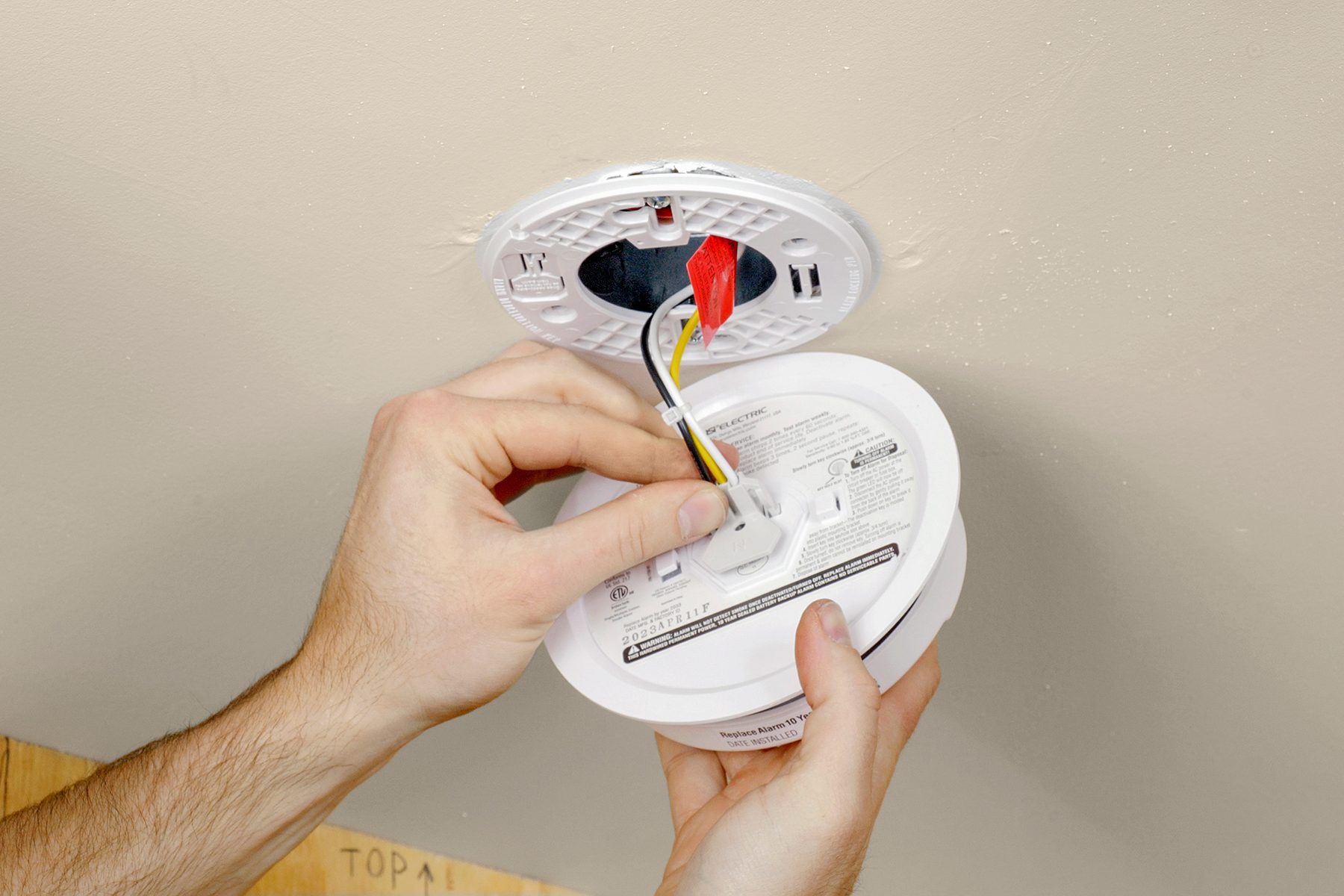
Look at your smoke detector closely. A hardwired detector has wires coming from the ceiling or wall. These wires supply power constantly. You might see a small plastic box covering the wires. Battery-only detectors lack these wires and hang loosely.
Presence Of Battery Backup
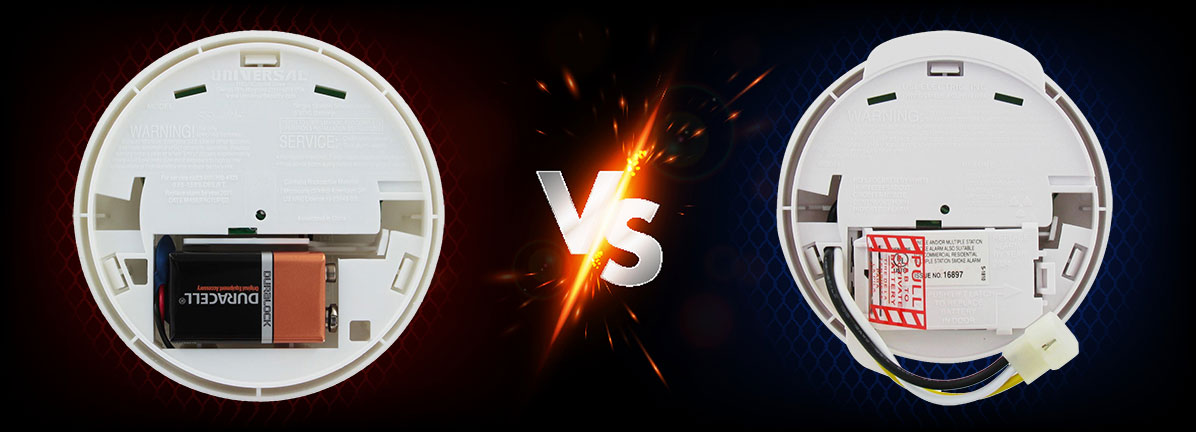
Many hardwired smoke detectors have a small battery inside. This battery acts as a backup. It keeps the alarm active if the power goes off. Check the detector’s side or bottom for a battery compartment. Battery-only alarms rely solely on this power source.
Testing With Power Outage
Turn off the main electricity switch to test your smoke detector. Hardwired alarms will keep beeping using the battery backup. Battery-only detectors will stop working immediately. This simple test confirms if your alarm is hardwired or not.
Advantages Of Hardwired Smoke Detectors
Hardwired smoke detectors offer several benefits over battery-only models. They connect directly to your home’s electrical system. This connection improves reliability and safety. Many homeowners prefer hardwired alarms for their steady performance. Let’s explore two key advantages of these devices.
Continuous Power Supply
Hardwired smoke detectors receive constant power from your home’s wiring. They do not rely solely on batteries. This means they stay active even during long periods. Battery-only alarms may fail if batteries run out. Hardwired units usually have a battery backup for power outages. This dual power source ensures the alarm works all the time.
Interconnected Alarms
Hardwired smoke detectors can link to each other across your home. When one alarm senses smoke, all alarms sound together. This feature alerts everyone quickly, no matter where they are. Interconnected alarms improve safety by providing early warnings. Battery-only alarms often lack this useful connection.
Safety Tips For Hardwired Detectors
Hardwired smoke detectors offer reliable protection by connecting directly to your home’s power. Safety is key with these devices. Proper care keeps them working well and protects your family.
Here are important safety tips for hardwired smoke detectors to follow.
Regular Maintenance
Test your smoke detectors once a month to ensure they work. Press the test button until you hear the alarm sound. Replace the backup battery every year. Clean the detector gently with a soft brush or vacuum. Dust and debris can block the sensor and reduce effectiveness.
Professional Installation
Have a licensed electrician install hardwired smoke detectors. Correct wiring prevents electrical hazards. Professionals ensure the detector links properly to other alarms in the home. This allows all alarms to sound during a fire, giving you early warning.
Replacing Old Units
Replace smoke detectors every 10 years. Over time, sensors wear out and may fail. Old units can give false alarms or no alarms at all. Check the manufacture date on the back of your detector. Swap out old detectors to keep your system reliable and safe.
Troubleshooting Common Issues
Smoke detectors are vital for home safety. Hardwired models connect directly to your home’s electrical system. This connection usually means fewer issues but some problems can still occur. Knowing how to troubleshoot common issues helps keep your detector reliable.
Troubleshooting can be simple. It often involves checking power sources and sensor function. Here are common problems and how to address them.
False Alarms
False alarms happen frequently with smoke detectors. Dust or insects inside the unit may trigger alerts. Clean the detector gently with a vacuum or soft cloth. Avoid strong cleaning chemicals that can damage sensors. Cooking smoke or steam can also cause false alarms. Try relocating the detector if alarms occur often near kitchens or bathrooms.
Power Interruptions
Hardwired detectors rely on home electricity. Power outages stop the main power supply. Check if the circuit breaker has tripped. Reset it if needed. Some detectors have a light to show power status. If the light is off, power is lost. A power interruption can cause the alarm to beep or stop working.
Battery Backup Failures
Hardwired smoke detectors include battery backups. These batteries work when power fails. Test batteries regularly by pressing the test button. Replace batteries at least once a year. A weak battery causes low-battery chirps. Do not ignore these sounds. A dead battery backup makes your detector less safe during outages.
Credit: www.universalsecuritystore.com
Frequently Asked Questions
How Can I Tell If My Smoke Detector Is Hardwired?
Check your ceiling for a power cable connected to the smoke detector. Hardwired detectors have direct electrical wiring, unlike battery-operated ones that rely solely on batteries.
Does A Hardwired Smoke Detector Need Batteries?
Yes, most hardwired smoke detectors include backup batteries. These batteries ensure the alarm works during power outages, providing continuous safety.
What Are The Benefits Of A Hardwired Smoke Detector?
Hardwired smoke detectors offer constant power and interconnectivity. When one alarm sounds, all alarms in the system activate, enhancing home safety.
Can I Install A Hardwired Smoke Detector Myself?
Installing hardwired detectors requires electrical knowledge. It’s best to hire a licensed electrician to ensure proper and safe installation.
Conclusion
Knowing if your smoke detector is hardwired helps keep your home safe. Hardwired detectors connect directly to your home’s power supply. They often have a battery backup for extra security. Check for wires inside the unit or near the ceiling.
Also, look for a test button or a label saying “hardwired. ” Regularly test your smoke detector to ensure it works well. Staying informed about your smoke alarms protects your family from fire dangers. Simple checks make a big difference in home safety.