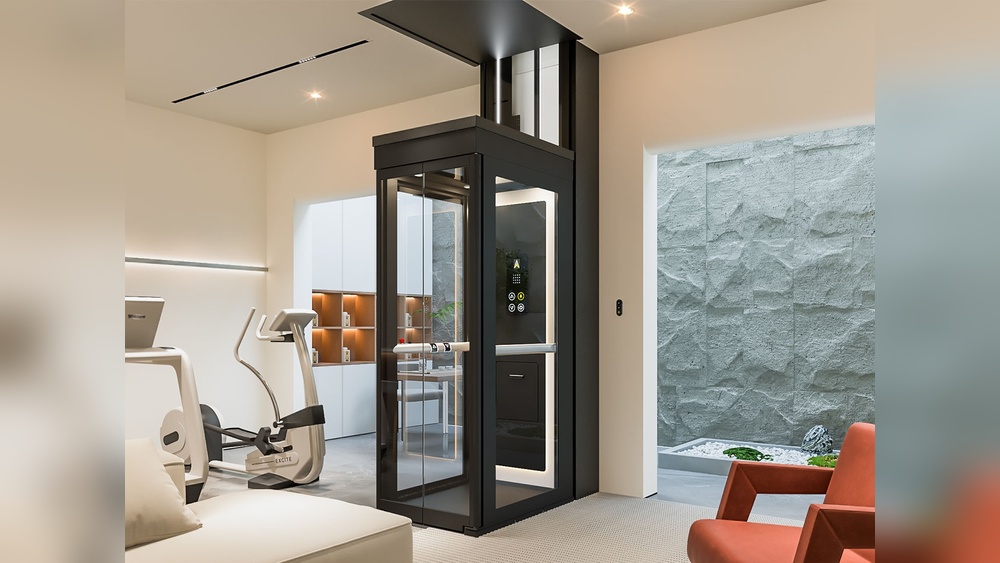

Imagine moving effortlessly between floors in your home without climbing stairs or taking up precious space. A space saving home elevator can transform your daily life, making your home more accessible and comfortable—whether for aging parents, family members with mobility challenges, or simply for added convenience.
You might think installing an elevator means sacrificing a large chunk of your living area, but modern designs are compact, stylish, and surprisingly easy to fit into tight spaces. If you want to enhance your home’s functionality without losing square footage, keep reading to discover how a space saving home elevator could be the perfect solution for you.
Benefits Of Space Saving Elevators
Space saving home elevators offer many benefits. These elevators fit into small spaces without sacrificing comfort or style. They improve home accessibility and add value to your property. Their compact design makes them ideal for modern homes with limited room. Below are key advantages of choosing space saving elevators.
Maximizing Small Areas
Space saving elevators require very little floor space. They fit neatly into tight corners or narrow shafts. This saves room for other uses in your home. You can keep living areas open and uncluttered. Their small footprint works well in apartments or townhouses. The design uses vertical space efficiently. This allows for easier movement between floors without losing space.
Enhancing Home Accessibility
These elevators help people move easily inside the home. They benefit elderly family members and those with mobility issues. No need to climb stairs or use bulky lifts. Controls are simple to use and safe. They provide smooth rides between floors. Accessibility improves independence and comfort. Space saving elevators ensure everyone can enjoy the whole house.
Adding Property Value
Installing a space saving elevator can increase your home’s market value. Buyers often look for homes with easy access and modern features. Elevators add convenience and appeal to future owners. They show that the home is designed for comfort and care. This can make your property stand out in a competitive market. It is a smart investment for long-term value.

Credit: www.capsremodeling.com
Types Of Compact Home Elevators
Compact home elevators are designed to fit small spaces without sacrificing comfort or safety. These elevators offer a practical solution for homes with limited room. They come in various types, each with unique features and installation needs. Understanding these options helps choose the right elevator for your home.
Vacuum Technology Elevators
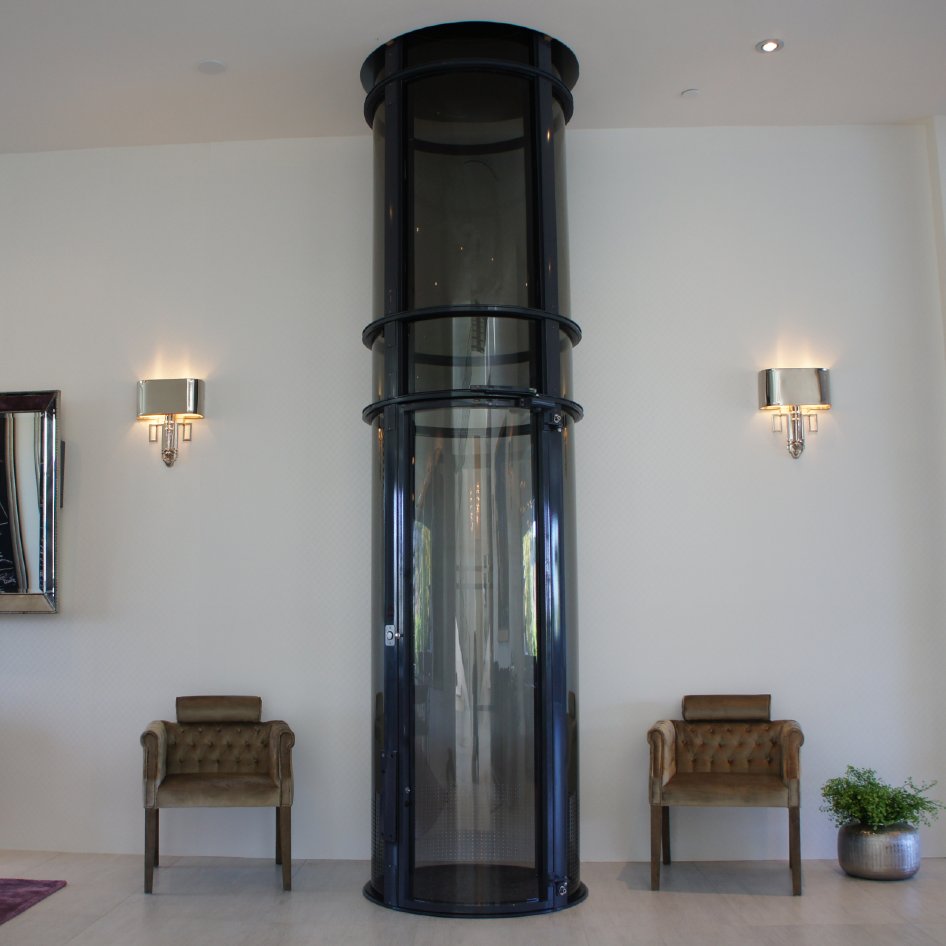
Vacuum technology elevators use air pressure to move the cabin up and down. They do not need cables or pulleys. These lifts are lightweight and easy to install. Their transparent design adds a modern touch to any home. They require minimal space and maintenance.
Shaftless Residential Lifts
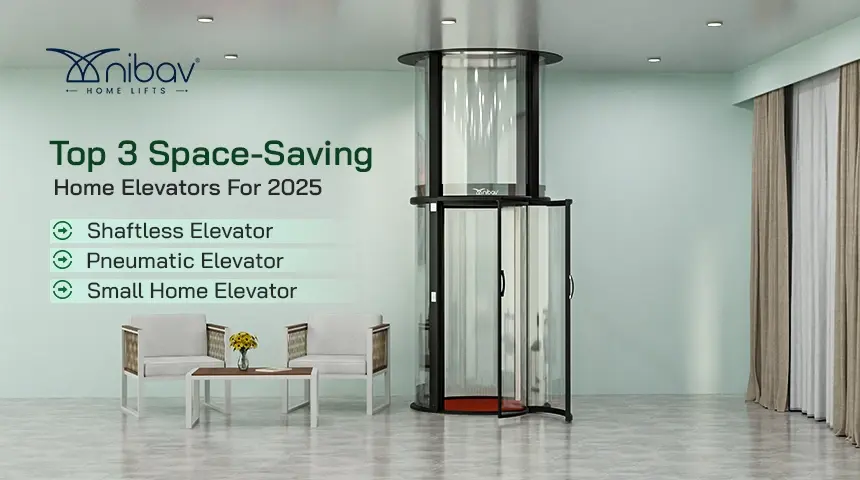
Shaftless residential lifts do not need a full elevator shaft. They use a platform that moves between floors. These elevators fit well in homes with tight spaces. Installation is faster and less disruptive. They provide a smooth, quiet ride.
Pneumatic Home Elevators
Pneumatic home elevators use suction and air pressure to move the cabin. They are energy efficient and eco-friendly. These elevators have a sleek, cylindrical design. They require no machine room or pit. Pneumatic lifts are perfect for modern homes.
Hydraulic Mini Elevators
Hydraulic mini elevators use fluid pressure to lift the cabin. They can carry heavier loads compared to other compact lifts. These elevators are smooth and stable in operation. Installation may need a small pit but no large shaft. They suit homes needing reliable, quiet lifts.
Design And Style Options
Space saving home elevators offer many design and style options. They fit well in different homes. Their look can match modern or traditional spaces. Each elevator can be tailored to fit your taste. The layout inside also saves space while being functional. These choices make home elevators a smart and stylish addition.
Modern Vs Traditional Designs
Modern home elevators have clean lines and minimal details. They use glass, metal, and sleek controls. These designs suit contemporary homes well. Traditional elevators have classic shapes and warm materials. Wood panels and brass fittings are common. They blend nicely with vintage or rustic interiors. Choose a style that fits your home’s character.
Customizable Finishes
Finishes can change the look of an elevator completely. You can pick colors that match your walls. Wood grain or metal finishes add texture and warmth. Some elevators allow you to add lighting inside. Mirror panels can make the space feel larger. These options let you create a unique style. Custom finishes help elevators blend or stand out.
Space-efficient Layouts
Space saving elevators use smart designs inside. Compact cabins fit in small areas without feeling tight. Some models have corner entry doors to use space better. The controls are easy to reach and simple to use. Elevators can be shaftless or have minimal pit depth. These layouts keep your home open and easy to move around. They work great in tight spaces or narrow hallways.
Installation Considerations
Installing a space saving home elevator requires careful planning. Understanding the key factors helps ensure a smooth setup. Several important considerations affect the installation process and outcome. These include space, structure, and timing. Each aspect plays a vital role in achieving a safe and efficient elevator installation.
Space Requirements And Measurements
Accurate space measurement is crucial before installation. Space saving elevators need less room than traditional lifts but still require a minimum area. Measure ceiling height, floor dimensions, and shaft size. Consider door clearances and turning space inside the elevator. Confirm there is enough room for the elevator and mechanical parts. Proper measurements prevent delays and costly changes during installation.
Structural Modifications
Structural changes may be necessary to support the elevator. Walls, floors, or ceilings might need reinforcement. The elevator shaft must be stable and secure. Check if plumbing or electrical lines interfere with the installation area. Structural work should comply with local building codes and safety standards. Hiring a professional ensures modifications are done correctly and safely.
Installation Timeframes
Installation time varies depending on elevator type and home layout. Compact models usually install faster than larger, traditional elevators. Time for structural changes affects the schedule. Expect anywhere from a few days to several weeks. Planning installation during low-activity periods reduces disruption. Clear communication with installers helps keep the project on track.
Safety Features And Standards
Safety is the top priority for any space saving home elevator. These elevators include multiple safety features. They meet strict standards to protect users and ensure reliable operation. Understanding these safety aspects helps homeowners choose the best option for their needs.
Emergency Systems
Space saving home elevators come with built-in emergency systems. They include an alarm button to alert others quickly. Many have an emergency phone or intercom for instant communication. Backup power allows the elevator to move to the nearest floor during a power outage. Safety brakes stop the elevator if it moves too fast or malfunctions. These systems ensure help is always available.
Compliance With Building Codes
All home elevators follow strict building codes. These codes regulate design, installation, and operation. Compliance guarantees the elevator is safe and reliable. Inspectors check elevators before use to meet local and national rules. Following codes reduces accidents and liability. It also makes the elevator insurance-friendly.
User-friendly Controls
Controls are designed for easy and safe use. Buttons are large with clear labels for quick operation. Many models include voice commands and touchscreens. Controls respond smoothly to prevent accidental stops or starts. Safety locks prevent unauthorized use, especially by children. User-friendly controls make the elevator accessible to everyone.
Credit: www.nibavlifts.us
Cost Factors And Budgeting
Space saving home elevators offer great convenience in small spaces. Understanding cost factors helps you plan your budget well. Various elements affect the total expense of installing and maintaining these elevators. This section breaks down the key costs to consider for your home elevator project.
Price Ranges For Different Models
Home elevators vary widely in price based on design and technology. Simple, compact models start around $3,000 to $8,000. Mid-range elevators with better finishes and features cost between $10,000 and $25,000. Luxury or custom models can exceed $50,000. Prices depend on size, lifting capacity, and materials used.
Installation And Maintenance Costs
Installation adds to the overall cost significantly. Basic models may require $2,000 to $5,000 for setup. More complex elevators with shaft construction can cost $10,000 or more to install. Regular maintenance is essential for safety and smooth operation. Annual service fees usually range from $200 to $500. Budgeting for repairs is also wise.
Financing And Incentives
Several financing options make elevators affordable. Home equity loans and personal loans are common choices. Some manufacturers offer payment plans or leasing options. Check local government programs for incentives or rebates. These can lower your upfront costs. Speak to a financial advisor for the best plan.
Maintenance And Longevity
Space saving home elevators add convenience and accessibility to any home. Proper maintenance ensures smooth operation and safety. Regular care also extends the elevator’s lifespan. A well-kept elevator saves money and prevents unexpected breakdowns.
Routine Servicing Tips
Check the elevator’s mechanical parts regularly. Lubricate moving components to reduce wear and tear. Clean the elevator shaft and cabin to avoid dust buildup. Inspect safety features like emergency brakes and alarms. Schedule professional inspections every six months. Keep the control panel free from moisture and dirt. Replace worn-out parts immediately to prevent further damage.
Troubleshooting Common Issues
Listen for unusual noises during operation; they may indicate problems. If the elevator stops between floors, reset the system carefully. Check power supply and circuit breakers for electrical faults. Ensure the doors open and close smoothly without resistance. Test emergency communication devices often. For persistent issues, contact a certified technician. Avoid DIY repairs on complex elevator components.
Extending Elevator Lifespan
Use the elevator gently to reduce stress on parts. Avoid overloading beyond the recommended weight limit. Maintain a clean environment around the elevator area. Update software and control systems as advised by the manufacturer. Keep detailed records of all maintenance and repairs. Train family members on proper elevator use and safety. Investing in quality parts boosts durability and performance.
Credit: www.vacuumelevators.com
Choosing The Right Elevator For Your Home
Choosing the right elevator for your home requires careful thought. This choice affects your daily comfort and the value of your property. A well-chosen elevator fits your space and meets your needs. It also ensures safety and ease of use for all family members. Consider various factors before making a decision. These include space, features, and expert advice.
Assessing Your Space Needs
Measure the area where the elevator will be installed. Note ceiling height and floor layout. Consider door placement and any obstacles. Think about how many people will use the elevator. Also, plan for future needs, such as mobility aids. Choose an elevator size that fits well without crowding the space.
Comparing Features And Benefits
Look at different elevator types: hydraulic, pneumatic, or cable-driven. Each has unique advantages and costs. Check safety features like emergency stop buttons and backup power. Consider speed and noise levels too. Some models offer customizable interiors. Select features that match your lifestyle and budget.
Consulting With Professionals
Talk to elevator installers and home builders. They provide valuable insights about design and installation. Professionals can recommend models suitable for your home. They ensure compliance with local building codes. Scheduling a site visit helps assess technical requirements. Their advice reduces risks and avoids costly mistakes.
Frequently Asked Questions
Will Medicare Pay For A Home Elevator?
Medicare does not pay for home elevators. It classifies them as home modifications, not medical equipment. Coverage is unavailable.
How Much Would It Cost To Put An Elevator In My Home?
Installing a home elevator typically costs between $3,000 and $53,000. Price varies by model, size, and installation complexity.
What Is The 3 4 Rule For Elevators?
The 3/4 rule for elevators limits the gap between the elevator door and shaft to a maximum of ¾ inch. This ensures safety by preventing objects or fingers from getting caught. It applies mainly to residential elevators to meet building codes and safety standards.
How Much Does A Pve30 Home Elevator Cost?
The PVE30 home elevator typically costs between $20,000 and $35,000. Prices vary by installation and customization.
Conclusion
Space saving home elevators offer convenience in tight spaces. They fit well in small homes without losing style. Installing one can improve daily movement and safety. Many models require little space and easy setup. Choosing the right elevator adds value to your home.
Small but efficient—these elevators make life easier. Consider one to enhance comfort and accessibility today.