Imagine walking into your home and feeling instantly relaxed, even if every inch of space counts. You don’t have to sacrifice comfort or style just because your square footage is limited.
With smart design and clever solutions, your home can feel roomy, organized, and truly yours. Whether you live in a cozy apartment or a compact house in Austin, Texas, discovering space-saving ideas will change how you live daily. Ready to unlock the potential of your home and enjoy more freedom without moving?
Let’s dive into simple yet powerful ways to create space-saving homes that work perfectly for you.
Compact Furniture Choices
Choosing the right furniture is key for space-saving homes. Compact furniture helps maximize every inch. It makes small spaces feel larger and more functional. Smart furniture choices can add style and comfort without clutter.
Multifunctional Pieces
Furniture with more than one use saves space and money. A sofa bed can serve as a couch by day and a bed by night. Tables with storage compartments hide items neatly. These pieces reduce the need for extra furniture.
Foldable And Collapsible Options
Foldable furniture offers flexibility and ease. Chairs and tables can fold away when not in use. This frees up floor space quickly. Collapsible furniture is perfect for small rooms and apartments.
Built-in Storage Furniture
Furniture with built-in storage keeps rooms tidy. Beds with drawers underneath store clothes or linens. Ottomans with hidden compartments hold blankets or toys. These designs combine seating and storage efficiently.
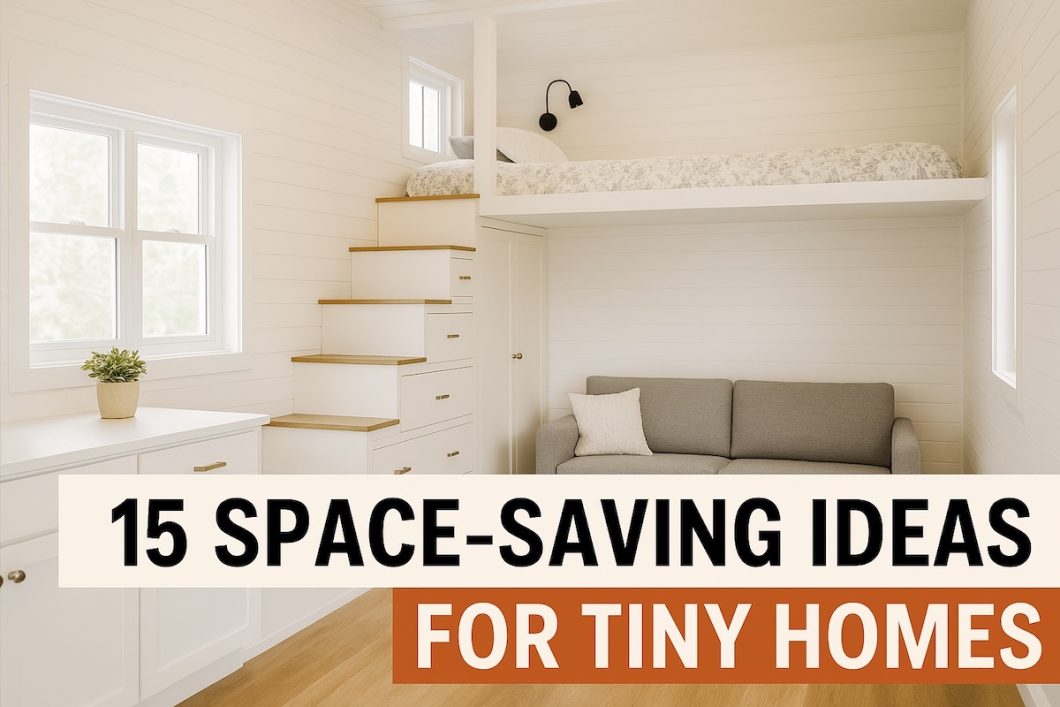
Credit: tinyhouseblog.com
Smart Storage Solutions
Smart storage solutions make small homes feel larger and more organized. They help keep clutter out of sight. Clever designs use every inch of space efficiently. These ideas fit perfectly in space-saving homes.
Under-stairs And Under-bed Storage
The area under stairs often goes unused. Adding drawers or cabinets here maximizes storage. It is perfect for shoes, books, or toys. Under-bed storage uses the space beneath your bed. Rolling bins or built-in drawers keep items hidden. Both options save floor space and keep rooms tidy.
Hidden Compartments
Hidden compartments add surprise storage spots in your home. They fit inside walls, furniture, or floors. These secret spaces store valuables or small items safely. They help reduce visible clutter. Hidden compartments are ideal for small homes needing extra storage.
Vertical Wall Shelving
Vertical shelves use wall space instead of floors. Tall shelving units store books, plants, or decor. Floating shelves keep things off the floor. Wall-mounted racks hold kitchen tools or bathroom items. Vertical storage opens up room and keeps things easy to reach.
Space-efficient Layouts
Space-efficient layouts make small homes feel larger and more comfortable. Thoughtful design helps use every inch wisely. Clever planning creates a flow that supports daily life without clutter. This section explores key ideas to optimize space and style.
Open Floor Plans
Open floor plans remove walls and barriers. This design blends rooms into one big space. It allows light to travel freely, brightening the entire home. Without walls, furniture can be arranged in many ways. The open space feels bigger and less cramped.
Zoning With Rugs And Furniture
Zoning divides spaces without building walls. Rugs mark different areas like dining or relaxing spots. Furniture placement guides movement and creates clear zones. This method keeps a small home organized and functional. It adds style while making each area distinct.
Integrated Kitchen And Living Areas
Combining kitchen and living areas saves space. This layout encourages socializing while cooking or relaxing. Multi-use furniture fits both areas well, such as kitchen islands with seating. The shared space reduces the need for extra rooms. It makes daily tasks easier and more enjoyable.
Innovative Room Designs
Innovative room designs transform small homes into functional, comfortable spaces. Creative ideas make every inch count. These smart designs combine style and utility to improve daily living.
Space-saving homes benefit from furniture and layouts that adapt to different needs. The right design can add storage, seating, and sleeping areas without clutter. Such solutions help maintain openness and ease of movement.
Murphy Beds And Wall Beds
Murphy beds fold up against the wall to free floor space. They create room for activities during the day. These beds often include shelves or desks for extra use.
Wall beds are ideal for studio apartments and guest rooms. They hide away easily and open smoothly. This design keeps rooms tidy without sacrificing comfort at night.
Lofted Sleeping Areas
Lofted beds raise the sleeping area above the floor. This opens space below for desks, sofas, or storage. Lofts work well in rooms with high ceilings.
This design suits children’s rooms and tiny homes. It separates sleeping from living areas. Loft beds add a playful and practical touch to small spaces.
Expandable And Modular Rooms
Expandable rooms adjust size by sliding walls or foldable panels. They create more space when needed and shrink back later. This flexibility suits changing family needs or gatherings.
Modular rooms use movable units that serve different functions. These rooms can be rearranged quickly to suit tasks. Modular designs keep homes dynamic and clutter-free.
Utilizing Vertical Space
Utilizing vertical space is key to creating more room in small homes. It helps maximize every inch without cluttering floors. Vertical solutions bring storage and style up, leaving the floor clear. These ideas make rooms feel larger and more open.
Tall Cabinets And Shelves
Tall cabinets use the wall height fully. They offer ample storage without taking wide floor space. Shelves stacked vertically keep items organized and easy to reach. Use narrow, tall units in tight spots. This draws the eye upward, adding a sense of height.
Hanging Storage Systems
Hanging storage frees up counters and floors. Hooks, racks, and hanging baskets hold kitchen tools or accessories. They work well in kitchens, bathrooms, and closets. Use ceiling hooks for plants or lights. This adds function and charm above head level.
Loft Storage Solutions
Loft spaces provide hidden storage above living areas. Platforms or raised beds create extra room underneath. Store seasonal items or boxes in loft nooks. This keeps belongings out of sight but easy to access. Loft solutions add usable space without building out.
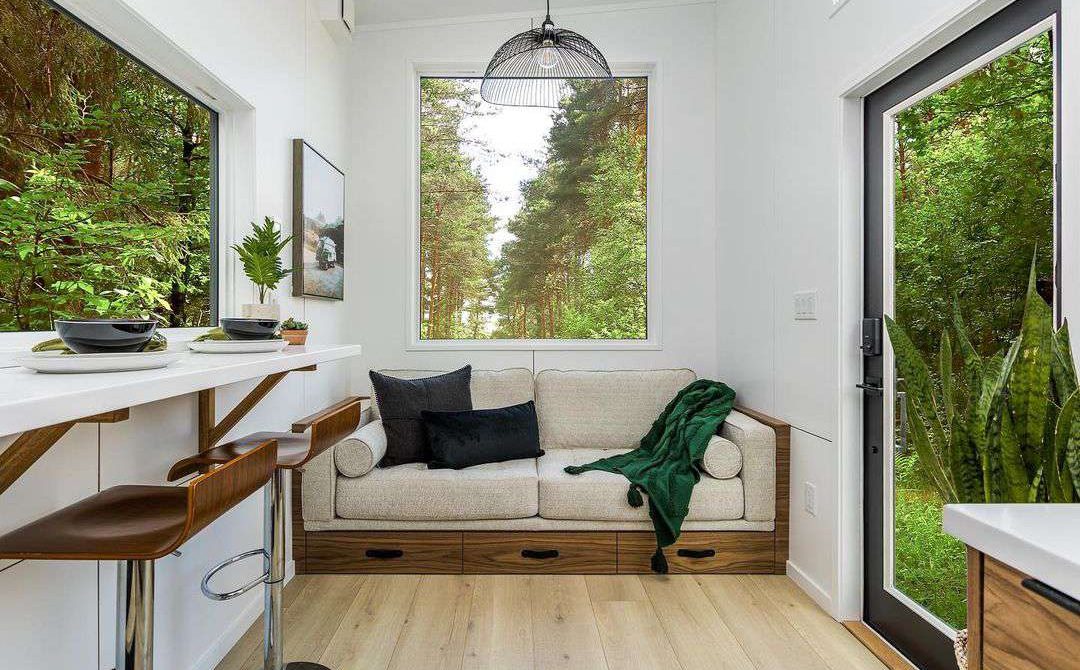
Credit: unitedtinyhomes.com
Creative Outdoor Extensions
Creative outdoor extensions transform small homes into spacious retreats. These ideas extend living space beyond walls. They blend comfort with nature. Simple upgrades make outdoor areas more useful and inviting. Let’s explore practical ways to expand your home outdoors.
Decks And Patios As Living Areas
Decks and patios serve as extra living rooms. They offer fresh air and sunshine. Adding comfortable seating turns them into social spots. Use weatherproof rugs and cushions for coziness. String lights create a warm ambiance at night. These spaces invite relaxation and gatherings.
Fold-out Outdoor Furniture
Fold-out furniture saves space and adds function. Chairs and tables fold flat when not in use. They fit small patios or balconies easily. This furniture adapts to your needs quickly. Lightweight materials make moving simple. Fold-out options maximize outdoor comfort without clutter.
Storage Sheds And Cabinets
Storage sheds keep outdoor tools and gear tidy. Compact cabinets organize small items neatly. Both protect belongings from weather damage. Position sheds in unused corners to save yard space. Choose stylish designs that match your home. Organized storage frees up room for living and play.
Technology To Save Space
Technology plays a big role in making small homes feel bigger and more useful. New innovations help people use every inch without clutter. Smart designs let homes change and adapt easily.
These tools and systems save space while keeping homes comfortable and stylish. Space-saving technology is key for city living and tiny houses.
Motorized Furniture Lifts
Motorized furniture lifts move beds, tables, and sofas with ease. They tuck away furniture into walls or ceilings. This frees up floor space for daily activities. With a button press, furniture appears or hides quickly. These lifts use motors to save energy and effort.
Smart Home Storage Systems
Smart storage systems organize belongings efficiently. They use sensors and apps to track items. Shelves and drawers adjust to fit different shapes and sizes. These systems help avoid clutter and maximize storage areas. Smart storage keeps everything neat and easy to find.
Compact Appliances
Compact appliances fit perfectly in small kitchens and homes. They use less space but work just as well. Examples include small refrigerators, slim dishwashers, and stacked washer-dryers. These appliances save room and reduce energy use. Compact designs make homes more functional and neat.

Credit: www.styleathome.com
Decor Tips For Small Spaces
Decorating small spaces needs smart choices to make rooms feel bigger. Use simple tricks to open up space and add style. These tips help create a cozy and bright home without clutter.
Light Colors And Mirrors
Light colors make rooms feel larger and airier. Whites, pastels, and soft neutrals reflect light well. Paint walls and ceilings in these shades for a spacious look.
Mirrors bounce light and create depth. Place large mirrors opposite windows to double natural light. Use mirrored furniture or decor to add shine without bulk.
Minimalist Design
Minimalism keeps spaces clean and open. Choose furniture with simple lines and small footprints. Avoid heavy or bulky items that crowd the room.
Limit decor to a few key pieces. Clear surfaces and tidy storage help reduce visual clutter. Each item should serve a purpose or add beauty.
Strategic Lighting
Good lighting brightens small rooms and highlights features. Use a mix of ceiling, task, and accent lights. Layered lighting adds depth and warmth.
Install wall sconces or pendant lights to save floor space. Use adjustable lamps to focus light where needed most. Bright corners feel more inviting and spacious.
Frequently Asked Questions
What Are The Best Design Tips For Space-saving Homes?
Using multi-functional furniture and vertical storage maximizes space. Incorporate built-in shelves and foldable elements to keep rooms open and organized. Light colors and mirrors also enhance the feeling of spaciousness in small homes.
How Can I Maximize Storage In A Tiny Home?
Utilize under-bed drawers, wall-mounted shelves, and hidden compartments. Optimize vertical space with tall cabinets and hooks. Use furniture with built-in storage like ottomans or benches to reduce clutter effectively.
Are Space-saving Homes Affordable To Build Or Buy?
Yes, space-saving homes often cost less due to smaller size and efficient materials. Prefab and modular options reduce construction time and expenses while maintaining quality and functionality.
What Furniture Works Best In Space-saving Homes?
Choose foldable tables, stackable chairs, and sofa beds. Opt for furniture with dual purposes, such as storage ottomans or beds with drawers underneath, to save floor space and increase usability.
Conclusion
Space-saving homes offer smart ways to live comfortably in small areas. Using clever storage and multifunctional furniture saves room. These ideas help create cozy, organized spaces that feel bigger. Small homes can be stylish, practical, and inviting too. Embracing space-saving designs improves daily living and reduces clutter.
Everyone can enjoy a neat, efficient home without extra space. Simple changes make a big difference in tiny homes. Choose solutions that fit your lifestyle and needs best. Space-saving homes prove that less can truly be more.