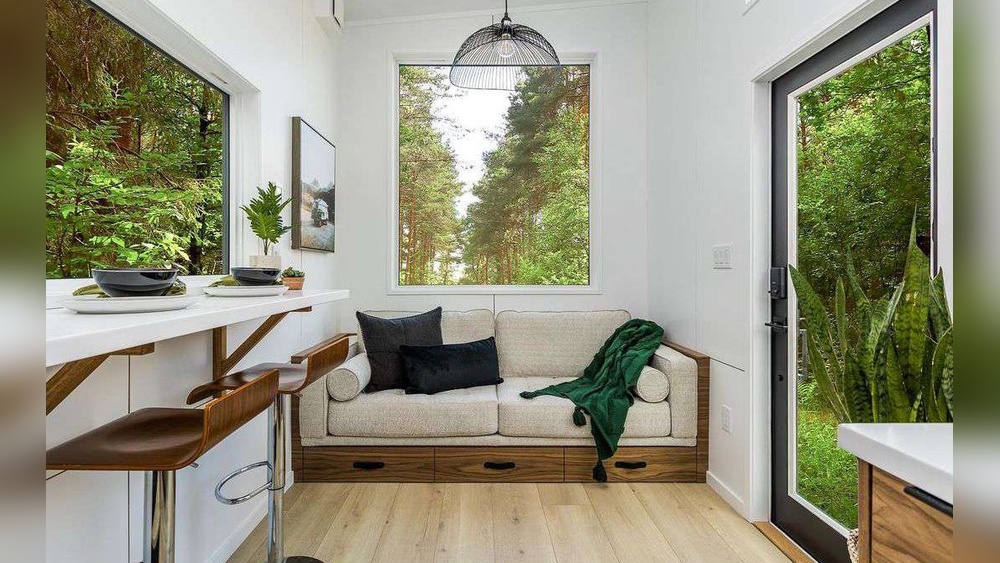

Living in a tiny home means every inch counts—and that’s where space saving furniture becomes your best friend. Imagine turning a single piece of furniture into a cozy bed, a stylish sofa, and a hidden storage unit all at once.
When you choose the right space saving furniture, you’re not just saving room—you’re gaining freedom, comfort, and style in your small living space. If you want to make your tiny home feel bigger, more organized, and incredibly functional, keep reading.
This article will show you clever furniture ideas and smart storage tips that transform tiny living from a challenge into a joy. Your perfect, spacious tiny home starts here.
Credit: www.extraspace.com
Multifunctional Furniture
Multifunctional furniture plays a key role in tiny homes. It helps save space while offering many uses. Choosing pieces that serve more than one purpose keeps the home organized. It makes small areas feel larger and more comfortable. This kind of furniture fits perfectly in tiny living spaces. It adapts to different needs throughout the day.
Sofa Beds And Storage Ottomans
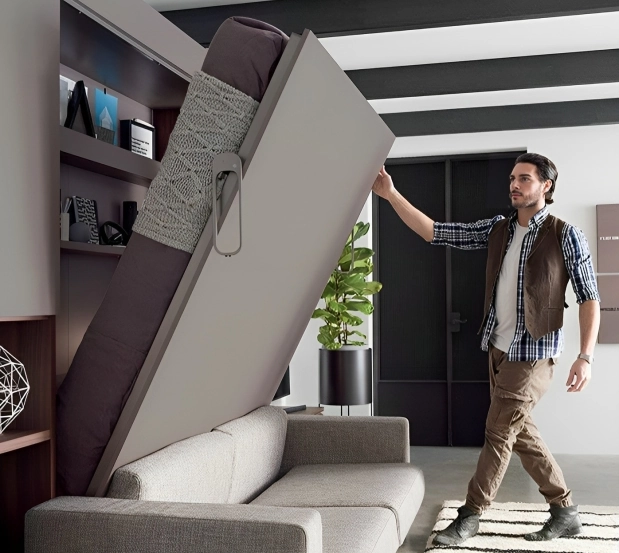
Sofa beds combine seating and sleeping in one unit. They provide a comfortable place to sit and a bed at night. Storage ottomans offer hidden space inside for blankets or toys. They also work as seats or footrests. Both pieces help reduce clutter and free up floor space.
Fold-down Tables And Desks
Fold-down tables attach to walls and fold flat when not in use. They create extra dining or work surfaces without taking much room. Fold-down desks are perfect for small offices or craft areas. They keep the space open and flexible for other activities.
Under-bed And Couch Storage
Using the space under beds and couches for storage saves room. Drawers or bins can hold clothes, shoes, or books. This hidden storage keeps items out of sight but easy to reach. It helps maintain a clean and tidy living space.
Bar Seating Alternatives
Bar seating uses narrow counters and stools to save space. It fits well in kitchens or living areas. Stools can slide under the counter when not used. This setup replaces bulky dining tables and creates a casual eating spot.
Custom Built-ins
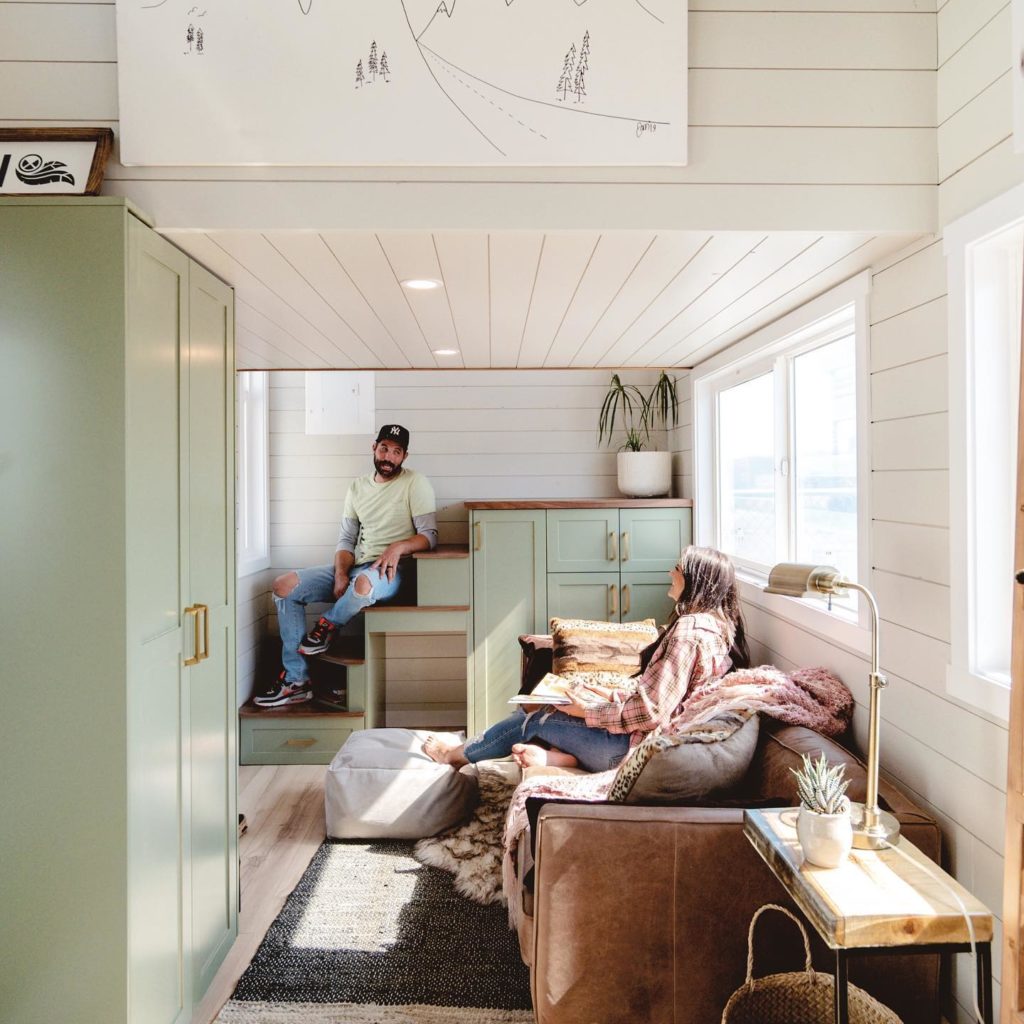
Custom built-ins match the home’s shape and size exactly. They use every inch of wall space for shelves or cabinets. Built-in furniture looks neat and stays fixed in place. It offers personalized storage and seating solutions for tiny homes.
Credit: tinyhouseexpedition.com
Vertical Storage Solutions
Vertical storage solutions make tiny homes feel more spacious. They use the height of your walls and ceilings. This approach frees up floor space and keeps things organized. Vertical storage is smart and practical. It fits well in small areas. Here are some effective ways to add vertical storage to your tiny home.
Wall Shelves And Cabinets
Wall shelves and cabinets add storage without using floor space. Install shelves at different heights to hold books, plants, or kitchen items. Cabinets with doors hide clutter and keep things neat. Choose slim designs to avoid crowding the room. Floating shelves create an open feel. Use the space above doorways or windows for extra storage. Wall-mounted cabinets can store dishes, tools, or clothes efficiently.
Ceiling Storage Options
Ceiling storage uses space that usually goes unused. Hang racks or nets from the ceiling for light items like blankets or bags. Ceiling-mounted shelves can hold boxes or less-used items. This keeps the floor clear and rooms tidy. Use pulley systems to raise or lower storage easily. Ensure items are secure and won’t fall. Ceiling storage is perfect for seasonal items you want out of the way.
Hooks And Racks On Doors
Hooks and racks on doors add quick-access storage. Hang coats, bags, or kitchen utensils on door hooks. Over-the-door racks can hold shoes, cleaning supplies, or towels. This method uses often-overlooked space. It keeps essentials within reach but out of sight. Choose sturdy hooks to hold heavier items safely. Door storage helps reduce clutter on counters and floors.
Organization Techniques
Organization plays a key role in tiny homes. Every inch counts. Keeping things neat makes small spaces feel larger. Smart organization helps reduce clutter and keeps daily life simple. Using clever storage solutions makes tiny homes comfortable and functional.
Using Dividers And Organizers
Dividers and organizers separate items and create clear spaces. Drawer dividers keep utensils and tools in place. Shelf organizers stack items neatly to save vertical space. Using boxes and bins helps group similar things together. Clear containers make it easy to see what is inside. These tools keep small items from getting lost or messy.
Rolling Carts For Mobility
Rolling carts add flexible storage to tiny homes. They can move from room to room as needed. Use carts for kitchen supplies, office materials, or craft tools. When not in use, carts tuck away in closets or corners. Their mobility makes it easy to keep essentials close by without clutter.
Decluttering Strategies
Regular decluttering keeps tiny homes organized. Remove items that are unused or unnecessary. Sort belongings into keep, donate, and toss piles. Focus on essentials that serve multiple purposes. Minimal belongings reduce mess and free up space. Simple habits like daily tidying help maintain order.
Credit: foyr.com
Space Optimization Tips
Space optimization plays a key role in making tiny homes livable and comfortable. Smart choices help stretch every inch without feeling crowded. Simple habits and clever designs create an airy, functional space. Below are practical tips to improve space use effectively.
Maximizing Natural Light
Natural light opens up small rooms and makes them feel larger. Use large windows and glass doors to invite sunlight inside. Keep window coverings minimal to avoid blocking light. Mirrors placed opposite windows reflect light and brighten dark corners. Light-colored walls and furniture also enhance brightness. Bright spaces reduce the need for extra lamps and keep the home cheerful.
Keeping Spaces Tidy
Clutter shrinks tiny homes quickly. Keep only what you need and use daily. Store items out of sight in built-in cabinets and under furniture. Regularly clear surfaces like tables and counters. Use baskets and bins to organize small items neatly. A tidy home feels more spacious and calm. Clean floors and clear pathways help movement and prevent trips.
Utilizing Unused Corners
Empty corners often waste valuable space. Add corner shelves to store books, plants, or decor. Place small desks or foldable tables in corners for work or meals. Use corner seating with built-in storage for extra seats and hidden compartments. Hooks in corners hold bags, coats, or kitchen tools. Making use of corners adds function without crowding central areas.
Frequently Asked Questions
How To Maximize Space In A Tiny Home?
Maximize tiny home space by using multifunctional furniture, vertical storage, and fold-down pieces. Declutter often and use natural light to keep areas open. Utilize under-bed storage and custom-built solutions to optimize every corner efficiently.
What Are The Common Mistakes In Tiny Houses?
Common tiny house mistakes include poor space planning, ignoring storage needs, overloading furniture, neglecting natural light, and underestimating ventilation.
What Kind Of Furniture Is Best For Small Spaces?
Space-saving furniture like sofa beds, storage ottomans, fold-down tables, and built-in shelves suits small spaces best. Choose multifunctional and compact pieces that maximize storage and floor area efficiently.
What Is One Major Concern Of Owning A Tiny Home?
One major concern of owning a tiny home is limited space, which challenges storage and daily living comfort.
Conclusion
Space-saving furniture makes tiny homes feel larger and more comfortable. Choosing smart, multi-use pieces helps you use every inch wisely. Simple designs and clever storage keep your space neat and open. Small homes don’t mean you must give up style or function.
With the right furniture, living tiny becomes easy and enjoyable. Try these ideas to create your perfect, cozy home. Every bit of space counts, so use it well. Your tiny home can be both practical and welcoming.