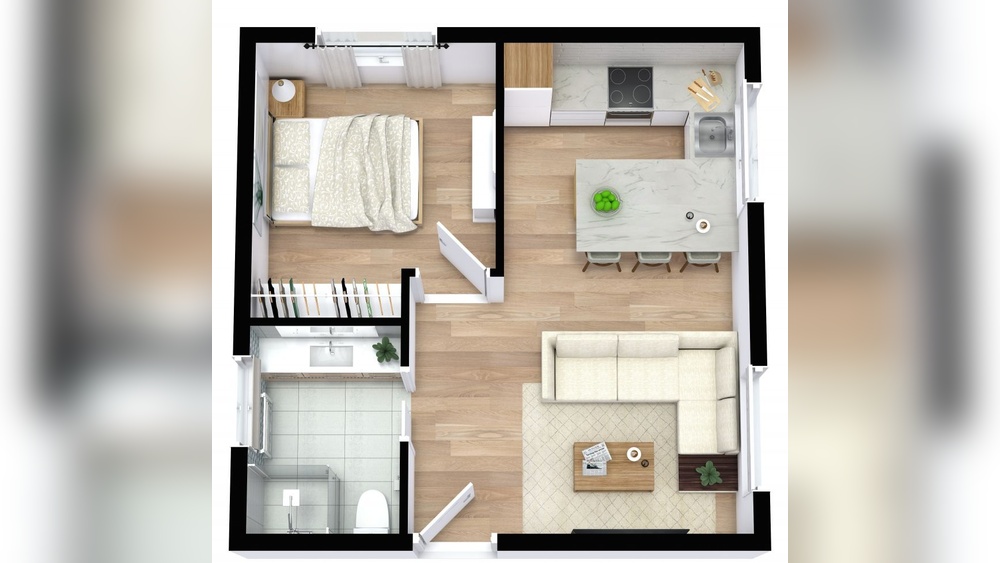

Are you dreaming of a cozy home that fits your lifestyle without wasting a single inch of space? Small homes with smart, space-saving plans offer the perfect solution.
Whether you’re downsizing, building your first home, or simply want to live more efficiently, the right design can make your small space feel open, organized, and surprisingly roomy. You’ll discover clever layouts and practical ideas that help you maximize every corner, so your home works harder for you.
Ready to unlock the secrets of small home living and create a space that’s both stylish and functional? Keep reading to find out how smart planning can transform your small home into a spacious haven.
Space-saving Layouts
Space-saving layouts are key in small home plans. They help make the most of every square foot. Clever designs create rooms that feel larger and more open. Smart use of space improves comfort and functionality.
Small homes benefit from layouts that combine style with practicality. The goal is to avoid clutter and wasted areas. Thoughtful planning lets you live freely, even in a limited space.
Open Floor Plans
Open floor plans remove unnecessary walls and barriers. This design connects the kitchen, dining, and living areas. It allows natural light to flow freely, making rooms look bigger. Open spaces also encourage family interaction and ease of movement.
By removing doors and walls, you gain extra usable space. Furniture placement becomes flexible, fitting your needs perfectly. This layout suits small homes aiming for an airy, inviting feel.
Multi-functional Rooms
Rooms that serve more than one purpose save space and add value. A guest room can double as a home office. Living rooms might include hidden storage or fold-out beds.
Designing flexible spaces means fewer rooms, but more uses. This approach reduces clutter and keeps your home organized. Multi-functional rooms adapt to your lifestyle changes easily.
Vertical Space Use
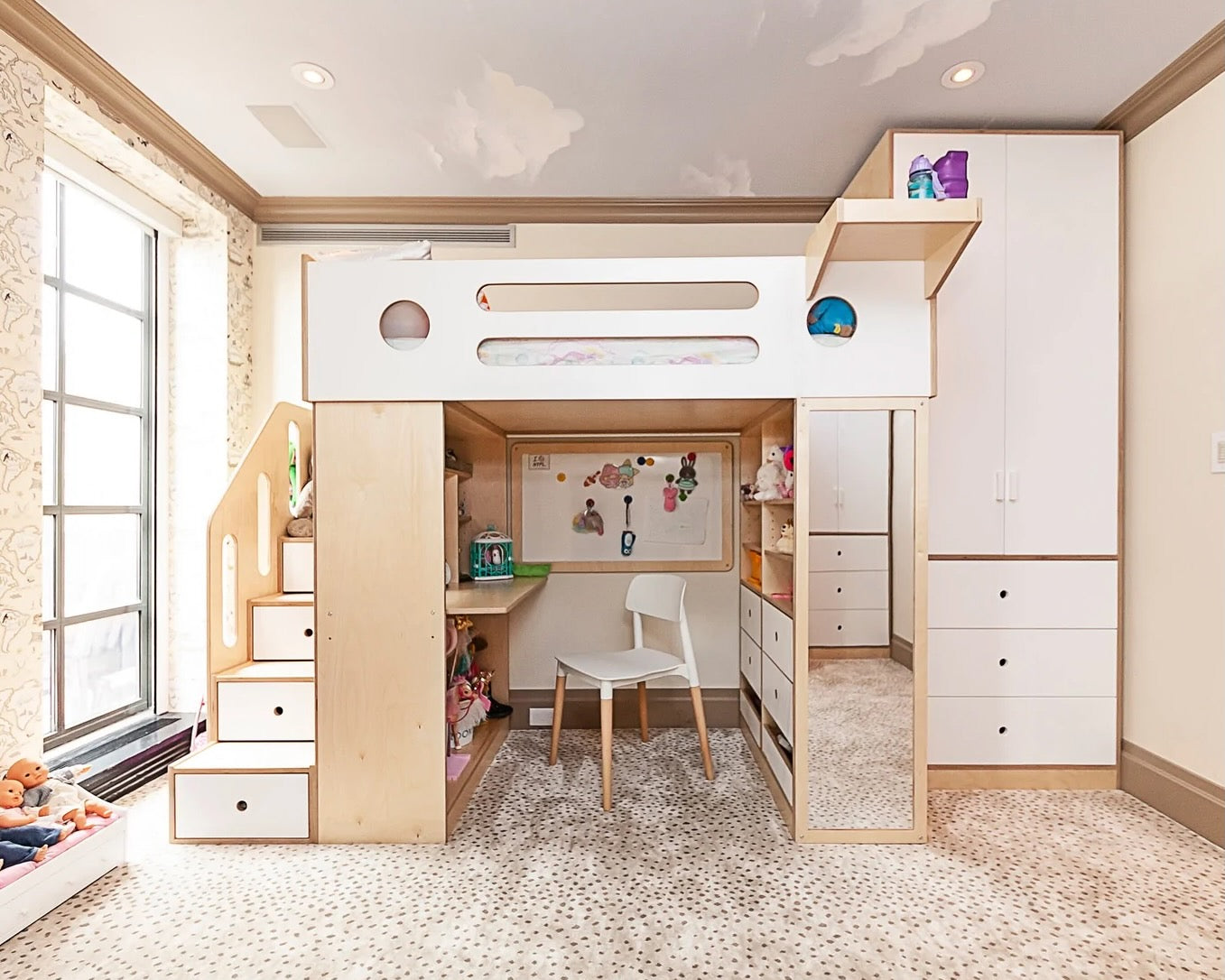
Using vertical space is a smart way to save floor area. Tall shelves, wall hooks, and overhead cabinets provide extra storage. Loft beds and raised platforms open up living space below.
Vertical designs draw the eye upward, creating a sense of height. This technique helps small homes feel less cramped and more spacious. Efficient vertical use keeps floors clear and rooms tidy.
Creative Storage Ideas
Creative storage ideas transform small homes into cozy, clutter-free spaces. Clever solutions make every inch useful. They keep your home organized and spacious. Smart storage helps you live comfortably without extra rooms.
These ideas fit well in small home plans. They combine style and function. Each option hides items neatly and saves floor space. Explore three popular creative storage ideas below.
Built-in Shelving
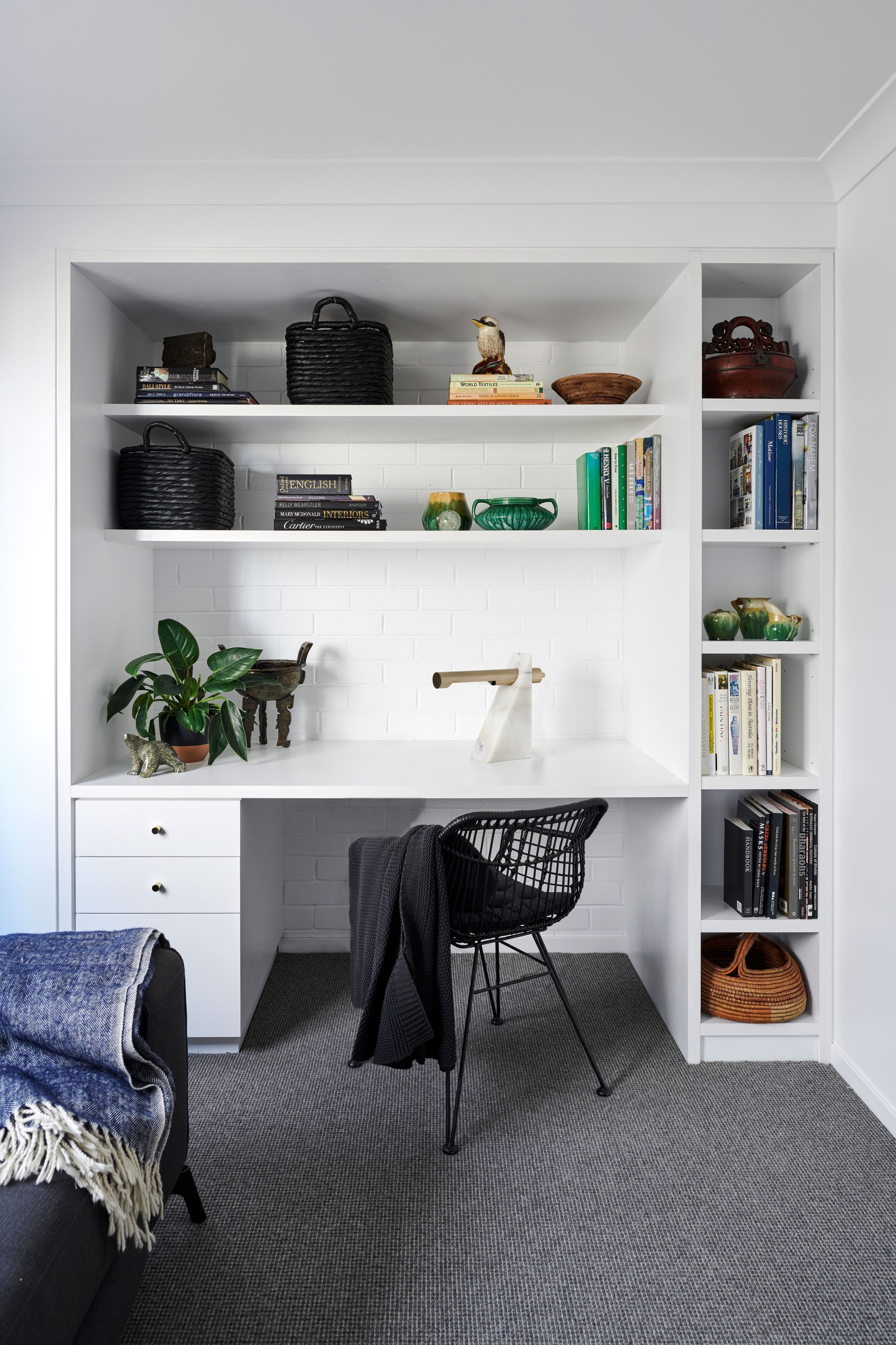
Built-in shelving uses wall space efficiently. It creates storage without bulky furniture. Shelves can fit around doors, windows, and corners. Custom shelves hold books, decor, and daily items.
This design blends with your home style. It frees up floor space for other uses. Built-ins can include cabinets for hidden storage. They keep your home tidy and open.
Under-stair Storage
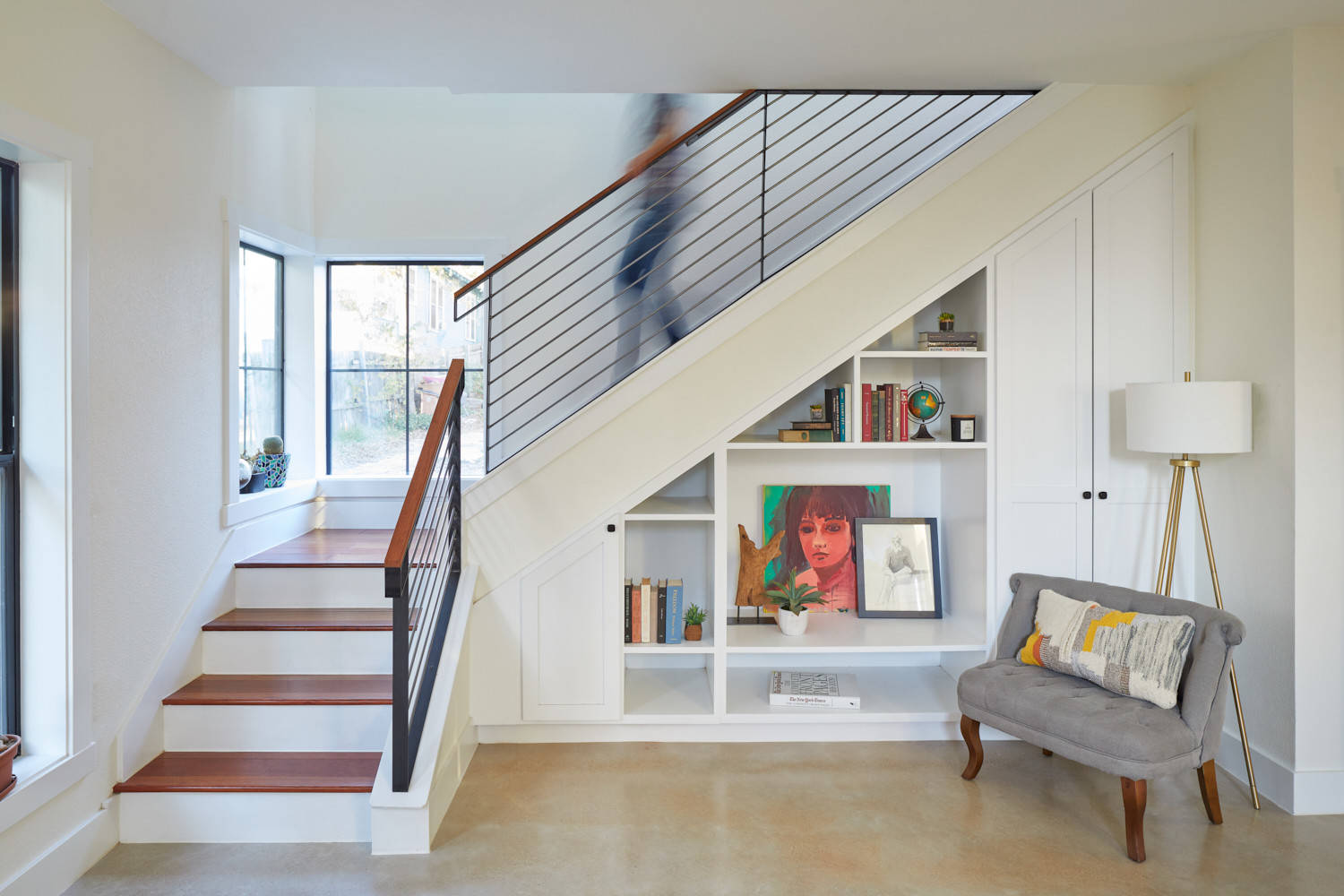
Under-stair storage turns unused space into a storage area. Drawers, cabinets, or open shelves fit below stairs. This space stores shoes, bags, or cleaning supplies.
It’s perfect for small homes with stairs inside. This storage option is both practical and neat. It hides clutter and uses a forgotten spot.
Hidden Compartments
Hidden compartments offer secret places to store items. They appear as part of furniture or walls. Examples include beds with storage under the mattress or false panels in cabinets.
These compartments keep valuables safe and out of sight. They maximize storage without taking extra room. Hidden storage keeps your home looking clean and simple.
Furniture For Small Spaces
Furniture plays a crucial role in small homes designed for space saving. Choosing the right pieces helps maximize every inch without clutter. It creates a functional and comfortable living space.
Smart furniture choices allow small homes to feel open and organized. They help store items neatly and keep rooms flexible for different activities. Space-saving furniture is a must in tiny living areas.
Foldable And Expandable Pieces
Foldable furniture saves space by collapsing when not in use. Tables, chairs, and beds that fold away free up valuable floor area. Expandable pieces adjust size to fit more people or tasks.
This type of furniture adapts to your needs quickly. It keeps the home neat and easy to move around in. Ideal for dining rooms, guest areas, or workspaces in small homes.
Convertible Furniture
Convertible furniture has two or more uses in one item. A sofa that turns into a bed or a desk that becomes a dining table are examples. These pieces reduce the number of furniture needed.
They make small spaces more efficient and versatile. You get comfort and functionality without extra clutter. Perfect for small homes where space is limited.
Custom-made Solutions
Custom furniture fits perfectly into unique small spaces. It uses corners, walls, and odd areas for storage or seating. Custom pieces make the most of every inch in your home.
This approach allows personal style and practical needs to blend well. It often includes built-in shelves, benches, or loft beds. Custom furniture keeps small homes organized and stylish.
Credit: www.istairs.net
Design Elements To Enhance Space
Design elements play a key role in making small homes feel larger and more comfortable. Thoughtful choices can open up rooms and create a sense of spaciousness. Simple tricks and smart materials help save space without clutter.
Small homes benefit from careful design that enhances light and air flow. These details improve the atmosphere and make everyday living easier. Bright, clean, and minimal styles often work best in compact spaces.
Light Colors And Reflective Surfaces
Light colors make walls and floors appear bigger and brighter. Whites, creams, and soft pastels reflect more light. Reflective surfaces like mirrors and glossy tiles bounce light around the room. This effect reduces shadows and dark corners. Using these colors and materials creates an airy, open feel in small homes.
Maximizing Natural Light
Natural light expands small spaces visually and improves mood. Large windows and glass doors bring sunlight inside. Avoid heavy curtains; use sheer or no window coverings. Skylights add light from above and open up ceiling height. Position mirrors across from windows to double the light’s reach. Natural light connects indoor and outdoor spaces, making rooms feel less confined.
Minimalist Decor
Minimalist decor keeps rooms uncluttered and easy to move in. Select only essential furniture with clean lines and simple shapes. Store items out of sight in built-in cabinets or under beds. Avoid bulky or overly ornate pieces that crowd the space. Use a few well-chosen accessories to add personality without mess. Minimalism helps small homes feel calm and spacious.
Outdoor Space Integration
Integrating outdoor space into small home plans boosts living areas without expanding the footprint. Thoughtful design blends indoor comfort with fresh air and nature. Outdoor areas become extensions of the home, offering spots to relax, dine, or store items.
Smart use of outdoor space saves room inside. It adds versatility and charm. Small homes gain a sense of openness and light through connected patios, decks, and gardens.
Patios And Decks
Patios and decks create extra living space outside the home. They provide places for seating, dining, or socializing. Simple materials and compact designs keep them affordable and easy to maintain.
Sliding doors or large windows connect patios to indoor rooms. This connection increases natural light and airflow. Multi-use furniture on decks can fold or stack to save space.
Green Spaces
Small green spaces bring nature close to the home. Vertical gardens and container plants fit well in limited areas. They improve air quality and offer calming views.
Even a few pots of herbs or flowers make a difference. Green spaces encourage outdoor activities and add color without clutter.
Outdoor Storage Options
Outdoor storage frees up indoor space by holding tools and equipment outside. Compact sheds or benches with hidden compartments work well. These options keep clutter away while blending with the home’s style.
Use vertical shelves or wall hooks to maximize storage capacity. Proper outdoor storage keeps the home tidy and organized.
Credit: www.kaikodesign.com.au
Cost-effective Building Tips
Building a small home with space-saving designs can be affordable with smart choices. Cost-effective building tips help keep expenses low without sacrificing quality. These strategies focus on using resources wisely and prioritizing needs.
Using Salvaged Materials
Salvaged materials cut costs and reduce waste. Old wood, bricks, and fixtures can be reused effectively. These materials add character and save money on new supplies. Check local salvage yards or online marketplaces for deals. Always inspect materials for safety and quality before use.
Diy Construction Strategies
Doing some work yourself lowers labor costs. Simple tasks like painting, flooring, or installing fixtures can be done with basic skills. Learning from online tutorials makes DIY easier. Hiring professionals only for complex jobs saves money. Teaming up with friends or family speeds up the process and reduces expenses.
Budgeting For Essentials
Focus spending on the home’s core needs. Prioritize structure, insulation, and basic utilities. Avoid expensive extras or luxury features early on. Plan for future upgrades as budget allows. Keep track of expenses and adjust plans to stay within budget. A clear budget prevents overspending and stress.
Regulations And Practical Considerations
Planning a small home with space-saving features requires careful attention to regulations and practical details. Understanding these factors early helps avoid costly mistakes. It also ensures your home is safe and legal. This section covers important rules and considerations for small home building projects.
Local Building Codes
Local building codes set the rules for construction in your area. They cover safety, structure, and zoning requirements. These codes dictate minimum room sizes, ceiling heights, and emergency exits. Small homes must meet these standards to get approval. Check your city or county office for specific code details. Following codes prevents legal problems and protects your investment.
Hidden Costs To Expect
Building a small home often comes with unexpected expenses. Site preparation, permits, and inspections add to costs. Utility hookups for water, electricity, and sewage can be pricey. Custom features or specialized materials may increase the budget. Always set aside extra money for these hidden costs. Planning finances carefully helps keep your project on track.
Balancing Customization And Budget
Customizing your small home allows personal style and comfort. Yet, more customization usually means higher costs. Focus on essential space-saving solutions first. Add special features only if the budget allows. Choose designs that maximize function without extra expense. This balance creates a practical home you can afford.
Credit: casakids.com
Examples Of Small Home Plans
Small home plans focus on smart use of limited space. They help create comfortable living areas without excess. These plans often include clever storage and multi-purpose rooms.
Below are some popular examples that combine style and function. Each plan suits different needs but saves space efficiently.
Tiny Home Floor Plans
Tiny home plans usually cover under 400 square feet. They maximize every inch with built-in furniture and vertical storage. Loft beds and fold-out tables are common features. These layouts make small living feel open and cozy.
Efficient Studio Layouts
Studio layouts use one open room for living, sleeping, and cooking. Space-saving furniture like sofa beds and wall desks keep rooms flexible. Compact kitchens with essential appliances fit neatly in corners. These plans are perfect for singles or couples.
Compact Family Homes
Compact family homes balance shared space and privacy. They often have two or three bedrooms with smart storage solutions. Open floor plans connect living and dining areas for a spacious feel. These homes suit small families wanting comfort and efficiency.
Resources For Small Home Builders
Building a small home with space-saving plans needs smart resources. These tools help builders and homeowners design efficient, comfortable living areas. Access to the right information makes the process easier and more affordable.
Small home builders can find ideas, advice, and support from many sources. Online platforms offer practical tips and real-life examples. Exploring these resources saves time and avoids common mistakes.
Online Communities
Online communities connect builders with similar goals. Forums and social media groups share plans and success stories. Members exchange ideas about space-saving furniture and layouts. Questions get quick answers from experienced builders. These groups inspire creativity and provide support.
Helpful Websites
Helpful websites offer free and paid plans tailored for small homes. They include detailed floor plans and 3D models. Many sites focus on maximizing every square foot. Builders can browse designs by style, size, or budget. Clear instructions guide users through the building process.
Video Tutorials
Video tutorials provide step-by-step building guidance. Visual lessons show how to save space with smart design tricks. They cover topics like storage solutions and multi-purpose rooms. Watching videos helps builders understand complex ideas easily. Tutorials also demonstrate how to use tools and materials properly.
Frequently Asked Questions
What Is The Best Layout For A Small House?
The best layout for a small house features an open floor plan combining kitchen, dining, and living areas. This design maximizes space and enhances family interaction. Avoid excess walls and doorways to create a more spacious, functional, and inviting home environment.
How Much Would It Cost To Build A 20×20 Tiny House?
Building a 20×20 tiny house typically costs between $15,000 and $40,000. Costs vary by materials, labor, and location. DIY projects and reclaimed materials lower expenses. Budget for basic structure only; high-end features increase cost. Check local building codes to avoid surprises and extra fees.
Can You Build A Tiny House For $5000?
Building a tiny house for $5000 is possible with DIY skills, reclaimed materials, and a basic design. Expect minimal features and limited compliance with building codes. Avoid expensive appliances and complex systems. Location and sweat equity significantly impact costs. Plan realistically for hidden expenses and a simple, functional structure.
Is It Cheaper To Buy A Tiny Home Or Build A Tiny Home?
Building a tiny home can be cheaper with DIY skills and salvaged materials. Buying saves time but often costs more.
Conclusion
Small homes with space-saving plans offer smart, practical living solutions. Efficient layouts use every inch wisely, making rooms feel larger. Clever storage ideas keep clutter away and free up space. Choosing the right design helps create comfort without excess size.
Simple, well-planned homes suit many lifestyles and budgets. Embrace creativity to make small spaces both functional and cozy. Thoughtful planning turns limited space into a welcoming home.