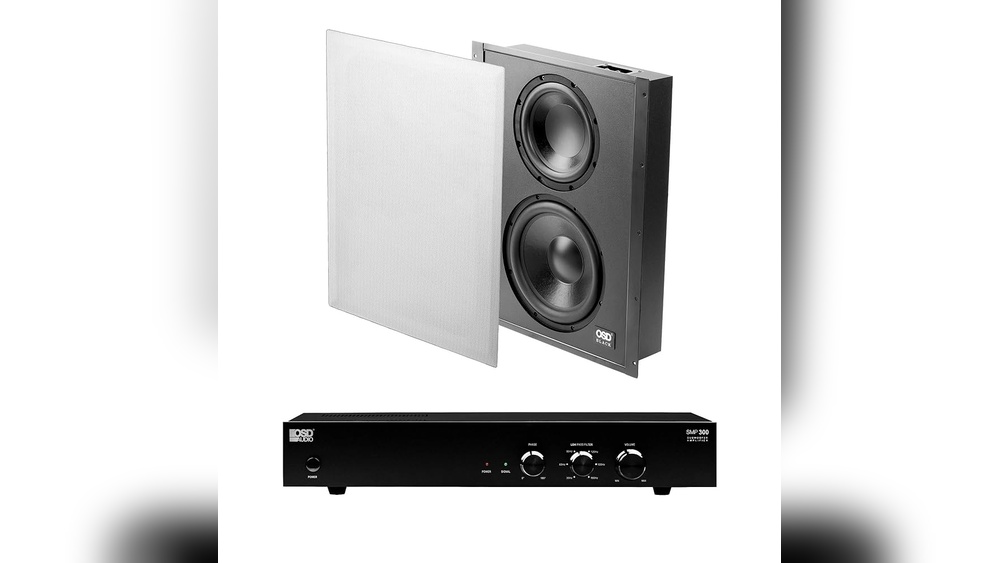

Are you tired of bulky home stereo setups that take over your living space? What if you could enjoy rich, immersive sound without sacrificing room to clunky speakers and wires?
Your home deserves a setup that fits perfectly—giving you top-quality audio while keeping your space neat and organized. You’ll discover smart, space-saving solutions for your home stereo that deliver powerful sound and stylish design. Ready to transform your listening experience without clutter?
Let’s dive in and make every inch of your room work for you.

Credit: www.amazon.com
Choosing Compact Speakers
Choosing compact speakers is key to saving space in your home stereo setup. Small speakers can still deliver clear, rich sound. They fit nicely on shelves, desks, or in tight corners. Compact speakers help keep your room neat and organized. They also blend well with your decor.
Finding the right type of compact speaker depends on your room size and style. Consider how much space you have and how you want your system to look. Some speakers need extra equipment, while others have built-in amplifiers. Think about wireless options for less clutter. Proper placement of speakers improves sound quality in small rooms. Let’s explore some popular compact speaker choices and tips for placement.
Bookshelf Vs Tower Speakers
Bookshelf speakers are smaller and easier to place. They work well on shelves or stands. Tower speakers are taller and take up more floor space. They offer deeper bass and louder sound. In small rooms, bookshelf speakers save space and avoid overpowering the room. Tower speakers suit larger spaces better. Choose bookshelf speakers for compact setups that still sound great.
Wireless And Powered Options
Wireless speakers connect without cables, reducing clutter. They use Bluetooth or Wi-Fi for easy setup. Powered speakers have built-in amplifiers, so no extra gear is needed. This saves space and simplifies your stereo system. Combining wireless and powered features means fewer wires and less equipment. These options fit well in small rooms with limited space.
Speaker Placement For Small Rooms
Place speakers at ear level for the best sound. Keep them a few inches away from walls. Avoid corners to reduce echo and bass buildup. Use stands or shelves to position speakers correctly. Angle speakers slightly toward your listening spot. Proper placement creates clear sound without loud volume. Experiment with positions to find what sounds best in your room.

Credit: www.sony-africa.com
Optimizing Room Layout
Optimizing your room layout is key to a space-saving home stereo setup. It helps you get great sound without using much space. Planning your speaker placement and seating area improves sound quality. It also keeps the room tidy and comfortable.
Measuring And Mapping Space
Start by measuring the room carefully. Note the length, width, and height of the space. Mark areas for furniture and stereo equipment. Use graph paper or a digital tool to draw a map. This helps you see where speakers and seats fit best. Accurate mapping avoids clutter and wasted space.
Nearfield Listening Setup
Nearfield setup means placing speakers close to the listener. This reduces echoes and room noise. Position the speakers about 3 to 4 feet away. Keep them at ear level for clear sound. Nearfield setups work well in small rooms and save space. They deliver crisp audio without needing big speakers.
Avoiding Wall Reflections
Sound bounces off walls and causes distortion. Keep speakers away from walls by a few inches. Use soft materials like curtains or rugs to absorb sound. Place foam panels on side walls to reduce echoes. Avoid placing speakers directly in corners. This reduces reflections and keeps sound clean.
Utilizing Vertical Space
Utilizing vertical space in your home stereo setup frees up floor area and keeps your room tidy. It helps create a clean look while maintaining great sound quality. Vertical storage options give you more flexibility in small spaces.
Wall-mounted Speakers
Wall-mounted speakers save floor space and improve sound direction. Mount them at ear level for the best audio experience. Choose brackets that allow tilting and adjusting the angle. This setup keeps speakers out of the way but close enough for clear sound.
Floating Shelves And Cabinets
Floating shelves hold stereo components without taking floor space. Use sturdy shelves for receivers, players, and small speakers. Cabinets with doors hide wires and devices, keeping the area neat. Place them higher on the wall to maximize room below.
Ceiling Speaker Integration
Ceiling speakers blend into the room without using any floor or wall space. They offer wide sound coverage and keep your setup minimal. Install speakers in key listening areas for balanced audio. This option suits rooms with limited wall space or modern decor styles.

Credit: www.youtube.com
Smart Component Storage
Smart component storage helps keep your home stereo setup neat and efficient. It reduces clutter and protects your devices. Proper storage also improves airflow and extends the life of your equipment. Organizing components close to your listening area makes operation easier and tidier.
Closet And Utility Room Installation
Use a closet or utility room for your stereo components. These spaces hide bulky equipment from view. Shelves or racks can hold receivers, amplifiers, and media players safely. Make sure the area has good ventilation to prevent overheating. Running cables through walls or floor vents keeps wires out of sight. This setup saves living room space and keeps your system organized.
Multi-function Furniture
Choose furniture that stores stereo components and serves another purpose. Media consoles with built-in shelves work well. Coffee tables or sideboards with hidden compartments keep devices safe. Look for pieces with cable holes to manage wires easily. Multi-function furniture blends your stereo system into your room design. It creates a clean, modern look without extra clutter.
Cable Management Solutions
Proper cable management reduces mess and improves safety. Use cable ties, clips, or sleeves to bundle wires neatly. Label cables for quick identification during setup or troubleshooting. Wall-mounted raceways hide cables along baseboards or walls. Velcro straps allow easy adjustments without damage. Organized cables prevent tangling and make your space look tidy.
Enhancing Sound Without Bulk
Enhancing sound quality in a small home stereo setup does not require large, bulky equipment. Compact solutions can deliver clear, rich audio without crowding your space. Smart choices and proper placement help you enjoy great sound while keeping your room tidy.
Subwoofers For Small Spaces
Choose subwoofers designed for compact rooms. Smaller models can provide deep bass without overpowering the area. Place the subwoofer near a corner to boost sound naturally. Use adjustable settings to control bass levels and avoid distortion. This approach keeps your setup neat and powerful.
Acoustic Treatments
Acoustic panels absorb unwanted echoes and improve sound clarity. Install foam panels or bass traps on walls and corners. These treatments help balance audio and reduce noise reflections. They do not take much space and blend well with room decor. Clearer sound means better listening without extra gear.
Using Soundbars Effectively
Soundbars offer a slim, space-saving alternative to traditional speakers. Position them below or above your TV for optimal audio. Look for models with built-in subwoofers to reduce equipment count. Connect soundbars wirelessly to avoid clutter from cables. This setup enhances sound without filling your room.
Wireless And Multiroom Systems
Wireless and multiroom systems offer a modern solution for home stereo setups. They eliminate the need for many wires and bulky equipment. This setup fits perfectly in small spaces and apartments. You can enjoy high-quality sound without clutter. These systems bring flexibility and ease to your audio experience. Control and expand your music with simple tools. They adapt to your home and lifestyle.
Benefits Of Wireless Connectivity
Wireless connectivity removes the need for cables and wires. This creates a cleaner and more organized space. You can place speakers anywhere without worrying about cords. It also reduces setup time and effort. Wireless systems use Wi-Fi or Bluetooth for strong and stable connections. This ensures smooth audio playback without interruptions. The lack of wires makes your home look neat and modern.
App Control And Integration
Most wireless systems come with easy-to-use apps. These apps allow you to control volume, playlists, and settings. You can manage multiple speakers from your phone or tablet. Integration with smart home devices adds convenience. Voice control works with assistants like Alexa and Google Home. This makes playing music simple and quick. The app also helps update your system and troubleshoot issues.
Expanding Sound Zones
Multiroom systems let you add speakers in different rooms. You can play the same song everywhere or different music in each zone. This creates a personalized listening experience for your family. Expansion is simple and does not require new wiring. Each speaker connects wirelessly to the main system. This setup is ideal for homes with many rooms or open spaces. It keeps your home stereo system flexible and space-saving.
Budget-friendly Space Savers
Creating a home stereo setup without taking up much space is possible on a budget. Smart choices help save room and money. Small spaces need compact, affordable solutions that fit well.
Focus on gear that is both small and cost-effective. Use simple DIY ideas to hold speakers without bulky stands. Buying used equipment can stretch your budget while adding quality sound.
Affordable Compact Gear
Look for stereo components designed for small spaces. Compact amplifiers and bookshelf speakers deliver good sound without large footprints. Brands offer budget-friendly models that fit neatly on shelves or desks.
Choose wireless or all-in-one systems to reduce cables and clutter. Small gear lets you enjoy music without crowding your room. Prioritize devices with multiple functions to save space and cost.
Diy Speaker Stands
Build your own speaker stands using simple materials. Wooden crates, metal pipes, or sturdy boxes work well. DIY stands keep speakers at the right height and free up floor space.
Custom stands match your room style and save money. They can be designed to fit corners or attach to walls. This approach keeps your setup tidy and personalized.
Second-hand Equipment Tips
Check local markets and online platforms for used stereo gear. Second-hand items often cost less and still work great. Inspect equipment carefully for damage or wear before buying.
Ask sellers about the item’s history and test it if possible. Buying used lets you afford higher-quality brands without paying full price. This method supports space-saving and budget goals.
Maintaining Audio Quality
Maintaining high audio quality is key in any home stereo setup, especially when saving space. Small spaces challenge clear sound delivery and speaker placement. Careful attention to setup and upkeep keeps your music crisp and balanced.
Good sound depends on precise calibration, avoiding clutter, and keeping your system updated. These steps ensure your audio stays rich without taking up too much room.
Calibrating Your Setup
Calibration adjusts your stereo system to the room’s shape and size. Use a sound meter or calibration microphone for best results. Position speakers at ear level and angle them toward your listening spot. Adjust bass, treble, and balance to suit your space. Proper calibration prevents sound distortion in tight areas.
Avoiding Overcrowding
Overcrowding your space with many devices harms audio clarity. Keep speakers apart to reduce sound interference. Use wall mounts or shelves to free floor space. Limit the number of connected devices to avoid signal loss. A clean, open setup improves sound flow and quality.
Regular System Updates
Update your stereo system’s firmware and software regularly. Manufacturers release updates to fix bugs and improve sound performance. Check your device settings or app for updates. Staying current helps your system run smoothly and keeps audio quality sharp. Regular updates protect your investment.
Frequently Asked Questions
What Is The 83% Rule For Speakers?
The 83% rule for speakers means placing them 83% of the room’s length from the front wall. This optimizes sound quality and reduces echo.
What Is The 38% Rule For Speaker Placement?
The 38% rule places speakers 38% of the room’s length from the front wall to improve sound clarity and imaging.
What Is The Golden Rule For Home Theater?
The golden rule for home theater is to optimize speaker placement for balanced sound and clear dialogue. Create an immersive, comfortable viewing environment.
What Is The 1/3 Speaker Rule?
The 1/3 speaker rule suggests placing speakers one-third of the room’s length from walls. This improves sound clarity and balance.
Conclusion
Creating a home stereo setup that saves space enhances both sound and style. Choose compact speakers and smart placement to fit small rooms. Use shelves, corners, or wall mounts to keep floors clear. A good subwoofer adds rich bass without bulk.
Keep cables tidy to avoid clutter and improve safety. Simple steps like these make your space feel larger and your sound clearer. Enjoy great audio without sacrificing your living area. Small spaces can deliver big sound with careful planning. Start arranging today for a neat, powerful stereo experience.

