
Imagine living comfortably in a home that fits perfectly into a small space without feeling cramped. If you’re intrigued by the idea of a tiny home but worry about where to put your things, this article is for you.
You’ll discover smart, practical ways to save space that make every inch count. From furniture that transforms to hidden storage spots you never thought of, these clever ideas will help you create a cozy, organized home that works for your lifestyle.
Ready to see how space-saving tiny homes can change the way you live? Keep reading and unlock the secrets to making small spaces feel big.
:max_bytes(150000):strip_icc()/sycamoretinyhousemaderelative10A-243672efb1654b089040015f1a28dc22.jpg)
Credit: www.treehugger.com
Space-saving Furniture
Space-saving furniture is key in tiny homes. It helps make the most of limited areas. Smart furniture designs keep the home organized and comfortable. Choosing the right pieces allows more room to move and live freely.
Fold-down And Pull-out Pieces
Fold-down tables and desks attach to walls. They fold flat when not in use. Pull-out beds or shelves slide out only when needed. These pieces save floor space and add flexibility. They create more open space during daily activities.
Multi-functional Designs
Furniture that serves more than one purpose works well. A storage ottoman can be a seat and a box. Sofas with built-in drawers hold blankets or books. Beds with storage underneath keep items hidden. Multi-functional designs reduce the need for extra pieces.
Transforming Furniture
Transforming furniture changes its shape to fit different needs. Murphy beds fold up into the wall to free space. Sofas can turn into beds for guests. Tables may expand or shrink depending on use. This type of furniture adapts to daily life easily.
Custom Built-ins
Custom built-ins fit perfectly in your tiny home. They use every inch of wall and floor space. Built-in shelves, cabinets, and desks provide tailored storage. These pieces help avoid clutter and keep the home neat. Custom designs make the space feel larger and more personal.
Credit: tinyhouseblog.com
Wall And Ceiling Storage
Wall and ceiling storage offers practical solutions for tiny homes. These spaces often go unused but can hold many items. Using walls and ceilings frees up precious floor area. This makes tiny homes feel larger and less cluttered.
Smart storage ideas fit small spaces well. They keep belongings organized and easy to reach. Wall and ceiling storage can be customized to suit each home’s style and needs.
Vertical Shelving
Vertical shelving uses wall height to store items. Tall shelves hold books, kitchenware, or decor. They keep things visible and accessible. Shelves above sinks or desks save counter space. Open shelves create an airy feel and prevent cramped spaces.
Wall-mounted Cabinets
Wall-mounted cabinets hide clutter behind doors. They protect items from dust and damage. Cabinets come in many sizes and shapes. They can store clothes, tools, or pantry goods. Floating cabinets add storage without touching the floor.
Overhead Racks
Overhead racks use ceiling space for storage. They are ideal for light or bulky items. Pots, pans, or seasonal gear fit well here. Racks keep floors clear for walking and living. Make sure racks are secure and easy to access.
Hooks And Hangers
Hooks and hangers keep items off surfaces. Hang coats, bags, or kitchen utensils on walls. They make use of small wall spaces near doors or counters. Hooks are affordable and easy to install. Using hangers reduces clutter and helps organize daily items.
Hidden Storage Ideas
Hidden storage ideas play a key role in making tiny homes feel spacious. Clever use of space keeps the home tidy and comfortable. These smart storage solutions help use every inch wisely. They free up floor space and reduce clutter. Here are some practical hidden storage ideas to try.
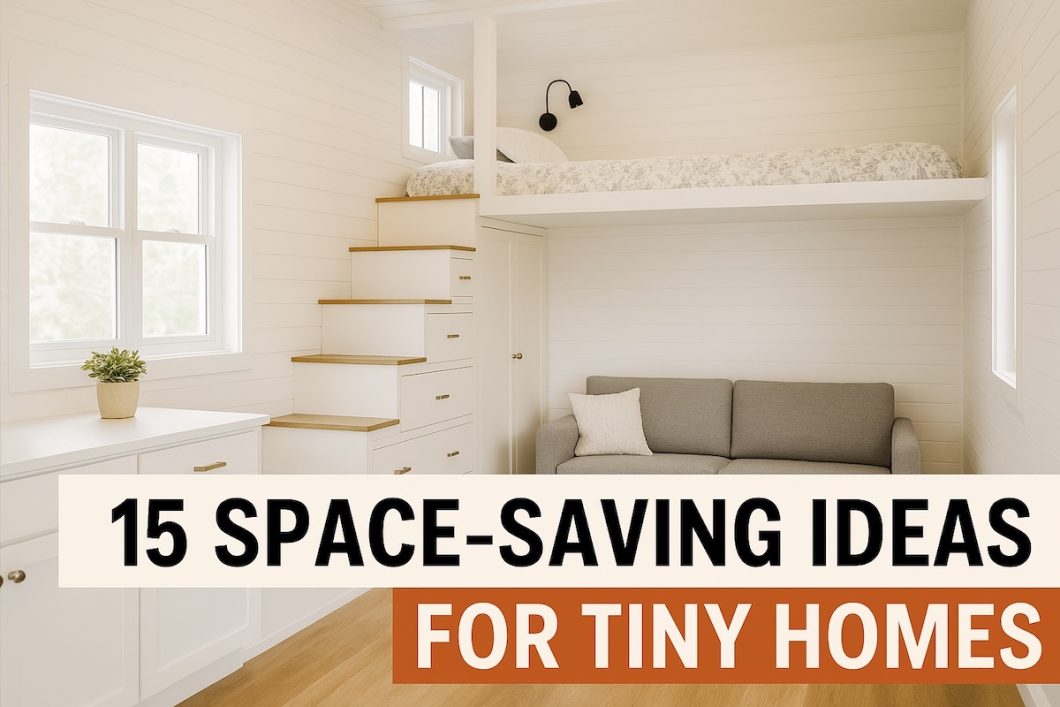
Understairs And Floor Compartments
Understairs space often goes unused in tiny homes. Creating storage compartments here adds valuable room for belongings. Drawers or pull-out bins fit well under stairs. Floor compartments are another smart option. Liftable panels reveal hidden spaces for storing items. Both options keep things out of sight yet easy to reach.
Concealed Storage Spaces
Concealed storage blends storage with home design. Walls with built-in shelves or niches hide items neatly. Furniture with secret compartments offers extra storage. For example, beds with storage under the mattress or benches with hollow seats. These hidden spaces reduce visible clutter and maintain a clean look.
Cabinet And Door Organizers
Cabinet and door organizers use vertical space inside doors and cabinets. Slim racks hold spices, cleaning supplies, or small tools. Hooks and pockets attach to cabinet doors for extra storage. These organizers keep essentials handy while saving shelf space. They also make small kitchens and bathrooms more efficient.
Smart Organizers
Smart organizers make tiny homes feel larger and more comfortable. They help keep things tidy and easy to find. Using smart organizing tools lets you use every inch of space wisely. These tools fit perfectly in small areas and help reduce clutter. Small homes need clever storage ideas to stay neat and functional.
Drawer And Cabinet Dividers
Dividers turn cluttered drawers into neat sections. They keep utensils, tools, or clothes separated. This makes items easy to grab and put away. Dividers come in many sizes and shapes to fit any drawer. They help use drawer space fully and avoid mess.
Stackable Bins And Baskets
Stackable bins save floor and shelf space by stacking up. Baskets hold items like toys, books, or kitchen supplies. You can label each bin to find things fast. These bins keep small items organized and out of sight. They are light and easy to move around.
Magnetic Strips
Magnetic strips hold metal tools, knives, or keys on walls. They free up drawer and counter space. You can stick strips on any wall or inside cabinets. Magnetic strips keep items visible and easy to reach. They add a modern look while saving space.
Vacuum-sealed Bags
Vacuum-sealed bags shrink bulky clothes or bedding. They remove air to save lots of space in closets or under beds. These bags protect items from dust and moisture. Perfect for seasonal clothes or extra bedding in tiny homes. They keep belongings fresh and compact.
Maximizing Overlooked Areas
Maximizing overlooked areas is key in tiny homes. Every inch counts. Small spaces demand smart use of hidden spots. These areas often go unused but hold great potential. Clever storage and design transform these spaces into practical zones. This approach helps keep the home tidy and open. It creates more room without expanding the footprint.
Behind Doors
The space behind doors is often wasted. Add hooks or slim racks here for storage. Use this space for coats, bags, or cleaning tools. Over-the-door organizers fit perfectly in tiny homes. They hold shoes, kitchen items, or toiletries. This keeps clutter off floors and counters. Doors become handy storage spots without taking extra space.
Corners And Nooks
Corners and nooks are perfect for small shelves or cabinets. Triangular shelves fit well in corners. Use these for books, plants, or kitchen spices. Nooks can fit small desks or seating areas. Custom built-ins make the most of odd shapes. These cozy spots add function and charm. They make the tiny home feel larger and more organized.
Above Toilets And Appliances
The space above toilets and appliances is often free. Install shelves or cabinets here to store essentials. Keep towels, toiletries, or laundry supplies off counters. Use vertical space to reduce clutter. Floating shelves add storage without crowding the room. This area is easy to access yet usually empty. It helps free up other parts of the home.
Tips For Clutter-free Living
Living in a tiny home means every inch counts. Keeping your space clutter-free makes your home feel larger and more comfortable. Simple habits and smart planning help maintain a neat, organized environment. Below are useful tips to keep clutter away and enjoy a tidy tiny home.
Regular Decluttering
Decluttering often prevents items from piling up. Set a weekly time to sort through belongings. Remove things you no longer use or need. Donate or recycle items to keep your space clear. Small efforts regularly avoid overwhelming messes later.
Efficient Use Of Space
Use vertical space with shelves and hooks on walls. Choose furniture that doubles as storage, like beds with drawers. Hidden compartments under stairs or floors maximize space. Utilize corners and door backs for extra storage. Smart designs make your tiny home feel roomy.
Maintaining Organization
Label storage boxes and bins for easy finding. Use drawer dividers to keep small items tidy. Keep daily-use items within reach to avoid clutter. Make a habit of putting things back after use. Consistent organization saves time and keeps your home neat.
Inspiring Tiny Home Examples
Tiny homes inspire with clever ideas that make small spaces feel large. These homes prove smart design beats size. Every inch counts. Space-saving solutions make living easy and comfortable. Let’s explore some inspiring tiny home examples that show this well.
Innovative Layouts
Innovative layouts shape how tiny homes use space. Open floor plans create a sense of roominess. Lofted beds free the floor for other uses. Narrow hallways become storage spots. Designers use angles and curves to fit more into less. Each layout balances privacy and openness smartly.
Creative Storage Solutions
Creative storage keeps tiny homes neat and tidy. Hidden compartments under floors hide clutter well. Wall-mounted shelves hold books and decor without crowding floors. Fold-out cabinets expand storage when needed. Furniture with built-in drawers saves space. Every storage idea maximizes space and simplifies life.
Multi-use Living Areas
Multi-use living areas adapt to different needs daily. A dining table transforms into a desk or work area. Sofas convert into beds for guests. Kitchen counters double as workstations. Spaces serve many purposes without feeling crowded. This flexibility makes tiny home living practical and cozy.

Credit: www.roomsketcher.com
Frequently Asked Questions
How To Save Space In A Tiny Home?
Save space in a tiny home by using vertical shelves, multi-functional furniture, and hidden storage under floors or stairs. Utilize corners, backs of doors, and ceiling racks. Choose fold-down or transforming furniture and install clever organizers in cabinets and drawers to keep everything tidy and accessible.
Does Nys Allow Tiny Homes?
New York State allows tiny homes, but they must meet local building codes and zoning regulations. Check specific area rules before building.
How Much Would It Cost To Build A 20×20 Tiny House?
Building a 20×20 tiny house typically costs between $30,000 and $60,000. Price varies by materials, labor, and location.
Do Tiny Homes Really Work As A Solution To Homelessness?
Tiny homes offer affordable, quick housing options that provide stability and privacy for homeless individuals. They work best combined with support services to ensure long-term success.
Conclusion
Space-saving tiny homes offer smart solutions for small living. Using vertical shelves and multi-purpose furniture maximizes every inch. Hidden storage under floors or stairs keeps spaces neat and tidy. Folding and transforming furniture frees up valuable floor area. Custom-built storage fits your needs perfectly.
Clever organizers in cabinets and closets reduce clutter effectively. Small homes can feel spacious with the right design choices. These tips help create a comfortable and functional living space. Embrace simplicity and creativity to enjoy tiny home living fully.


