
Are you overwhelmed by scattered files, photos, and important documents cluttering your digital space? Finding the right home storage solution can transform how you organize and protect your data.
Imagine having all your memories, work files, and media easily accessible in one secure place—without worrying about losing anything. You’ll discover the best home storage options designed to fit your needs, keep your data safe, and simplify your digital life.
Keep reading to find the perfect storage solution that puts you in control of your data today.
Smart Storage Devices
Smart storage devices bring convenience and security to home data management. They offer efficient ways to store, access, and protect your files. These devices fit different needs, from simple backups to complex network sharing.
Choosing the right device depends on your data size and access preferences. Let’s explore some popular smart storage options for home use.
Network Attached Storage (nas)
NAS is a dedicated storage device connected to your home network. It allows multiple users to access files at the same time. NAS devices often include backup and media streaming features. They provide centralized storage, making file sharing easy and safe. Many NAS units support remote access from smartphones or computers.
Personal Cloud Storage
Personal cloud storage lets you keep data on your own device but access it over the internet. It combines cloud convenience with local control. Files are stored securely at home, avoiding third-party servers. You can sync data across devices without monthly fees. This option works well for users who want privacy and mobility.
Desktop Hard Drives
Desktop hard drives are simple, plug-and-play storage solutions. They connect to your computer via USB or other ports. These drives offer large storage capacity at a low cost. They serve well for backups or extra file space. Desktop hard drives are easy to move and use with multiple computers.
Credit: contabo.com
Maximizing Space Efficiency
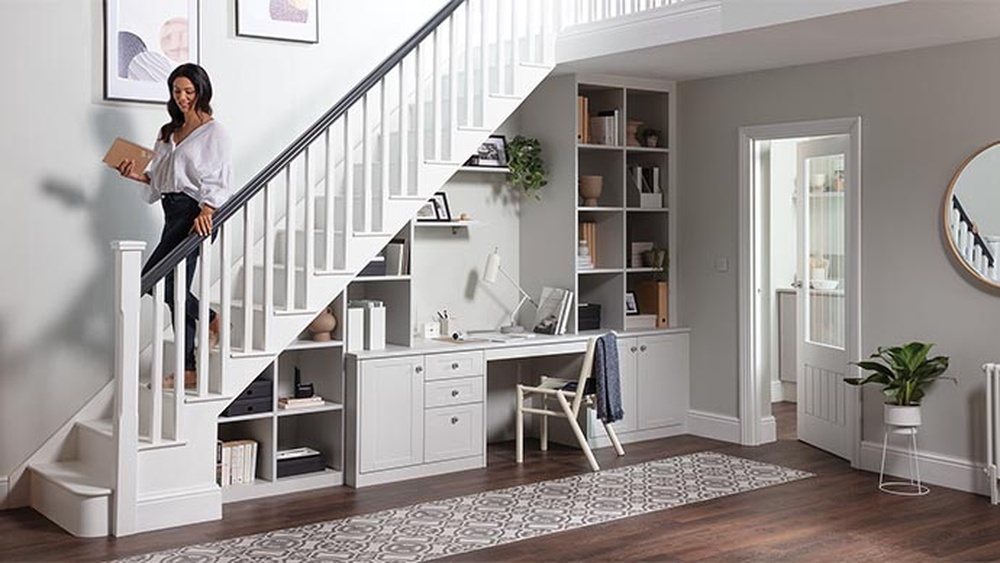
Maximizing space efficiency is essential for a tidy and functional home. Small spaces can feel larger with smart storage strategies. Using every inch wisely helps keep your home organized and clutter-free.
Simple ideas can make a big difference. Focus on smart storage that fits your lifestyle and needs. This way, your home stays neat without extra effort.
Vertical Storage Ideas
Use vertical space by adding shelves or wall hooks. Tall bookcases and hanging racks free up floor space. Store items higher to clear surfaces below. Vertical racks in kitchens or bathrooms add extra storage. This approach keeps things visible and easy to reach.
Multi-functional Furniture
Choose furniture that serves more than one purpose. Beds with drawers or ottomans with storage hide clutter. Fold-out desks or tables save space when not in use. Multi-functional pieces reduce the need for extra furniture. This saves room and keeps your home tidy.
Decluttering Techniques
Remove items you no longer use or need. Sort belongings into keep, donate, or discard piles. Regular decluttering stops mess from building up. Use storage bins and labels to organize what remains. Clear spaces feel larger and more calming.
Data Backup Strategies
Data backup strategies protect your important files from loss and damage. They ensure your data stays safe and accessible. Choosing the right backup method keeps your digital life organized and secure.
Local Vs Cloud Backup
Local backup stores data on physical devices like external hard drives. It offers quick access and full control. Cloud backup saves files online through internet services. It provides remote access and off-site protection. Combining both methods creates a strong defense against data loss.
Automated Backup Systems
Automated backups run on a schedule without manual effort. They reduce the risk of forgetting to save files. Many software options support automatic backup to local or cloud storage. Set it once and let the system handle regular data copies.
Data Security Tips
Use strong passwords to protect your backup accounts and devices. Enable two-factor authentication whenever possible. Encrypt sensitive files before backing them up. Keep backup devices in a safe place to avoid physical damage or theft.
Organizing Digital Content
Organizing digital content is key to managing home storage efficiently. Digital files pile up quickly without order. A clear system helps find files fast and reduces clutter. Simple methods make digital storage less stressful and more productive.
Use consistent rules for naming files, arranging folders, and adding tags. These steps create a smooth workflow and save time.
File Naming Conventions
Name files clearly and consistently. Use dates, descriptions, and version numbers if needed. Avoid spaces or special characters that cause errors. For example, use “2024_Tax_Return.pdf” instead of “tax return final”. Short, clear names help locate files quickly and improve search results.
Folder Structure Best Practices
Create folders by categories like work, personal, or projects. Use subfolders for more detail, such as year or topic. Keep folder names simple and logical. Avoid too many layers, which can confuse users. A clean folder structure makes navigation easy and keeps files organized.
Tagging And Metadata
Tags and metadata add extra info to files. They help sort and filter files beyond folder names. Use keywords related to content, date, or status. Many programs allow custom tags. This system improves search speed and helps group related files from different folders.
Smart Home Integration
Smart home integration transforms traditional storage into a connected experience. It links your data storage with devices in your home. This connection makes managing files easier and more efficient. It also adds convenience and security to your daily routine.
Smart storage solutions work with apps and voice assistants. They let you control and access data without complex steps. This technology suits homes of all sizes, making storage smarter and more accessible.
Connecting Storage To Smart Devices
Storage devices now connect directly to smart home systems. You can sync your hard drives with smart hubs and assistants. This setup allows automatic backups and easy file sharing across devices. It keeps your data organized and ready to use anytime.
Media Streaming Solutions
Smart storage supports smooth media streaming at home. Stored videos, music, and photos play instantly on smart TVs and speakers. No need to transfer files manually. Your entertainment flows seamlessly from storage to any connected device.
Remote Access And Control
Access your stored data from anywhere using smart home apps. You can upload or download files remotely with ease. Control storage settings and monitor usage through your smartphone. This feature keeps your data safe and within reach, no matter where you are.
Credit: www.gsl-energy.com
Choosing The Right Storage
Choosing the right storage for your home is essential for keeping data safe and easy to access. Different homes have different needs. Picking the best option means understanding those needs well. The right storage solution keeps your files organized and secure.
Assessing Storage Needs
Start by listing what data you want to store. Think about photos, videos, documents, and apps. Check how much space each type needs. Consider how often you will use the data. This helps find the right size and type of storage.
Also, decide if you need quick access or just backup. Some storage devices are faster than others. Choose one that fits your daily use and backup plans.
Budget-friendly Options
Many storage choices fit different budgets. External hard drives offer good space for less money. USB flash drives are affordable for small files. Cloud storage can save money by paying only for what you use.
Look for deals and compare prices before buying. Cheaper options can still be reliable if chosen carefully. Avoid overspending on features you do not need.
Future-proofing Your Setup
Plan for more data in the future. Choose storage that can grow with your needs. Some systems allow adding more drives later. This saves money and hassle over time.
Check if the device supports the latest technology. Fast connections and good security keep data safe and accessible. A future-proof setup prevents frequent upgrades.
Maintenance And Upgrades
Maintaining and upgrading your home storage solutions ensures they work smoothly and store data safely. Routine care helps prevent data loss and keeps devices running at top speed. Small steps can extend the life of your storage system and improve its performance.
Regular Data Cleanup
Deleting old and unnecessary files frees up space for new data. Organize files into folders for easy access. Regular cleanup reduces clutter and speeds up data retrieval. Use tools to find duplicate files and remove them. Backup important data before deleting anything.
Firmware And Software Updates
Keep storage device firmware up to date for security and stability. Update software that manages your storage system often. These updates fix bugs and add new features. Set devices to update automatically if possible. Check update notifications regularly to stay current.
Expanding Storage Capacity
Add more storage drives to handle growing data needs. Use external drives or upgrade internal storage components. Choose compatible devices for seamless integration. Consider cloud storage for extra backup and remote access. Plan storage expansion based on future data growth.

Credit: www.amazon.com
Frequently Asked Questions
What Are The Best Home Storage Solutions For Data?
The best home storage solutions include NAS devices, external hard drives, and cloud backup. They offer security, accessibility, and easy data management. Choosing depends on your budget, storage needs, and tech comfort level.
How Does Network Attached Storage (nas) Work?
NAS is a dedicated data storage device connected to your home network. It allows multiple users to store and access files centrally and securely from any device in the home.
Why Choose Nas Over Traditional External Hard Drives?
NAS provides centralized storage accessible by all network devices. It offers better data management, backup options, and media streaming. External drives are limited to single-device use and lack network features.
What Factors To Consider For Home Data Storage?
Consider storage capacity, data security, ease of use, and expandability. Also, check compatibility with your devices and the availability of backup options to protect against data loss.
Conclusion
Choosing the right home storage solution keeps your data safe and organized. Simple setups fit small needs, while NAS offers more power. Consider space, budget, and ease of use before buying. Good storage helps you find files quickly and protects them from loss.
Keep backups to avoid surprises. Smart storage makes life easier and saves time. Start small, grow as needed, and enjoy peace of mind.