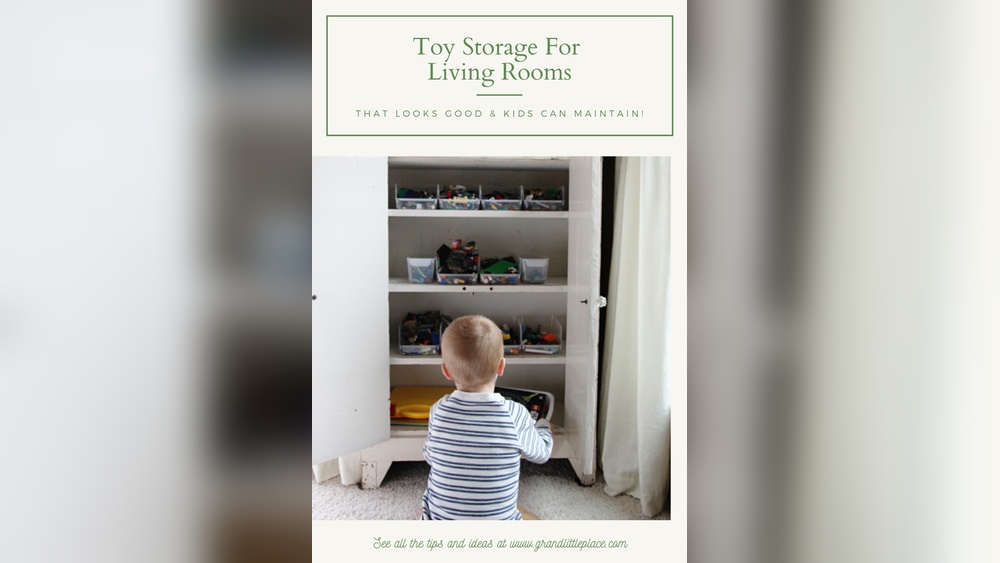

Do you ever feel like your small space is bursting at the seams with toys? Keeping your home tidy when every corner seems to overflow can be overwhelming.
But what if organizing your child’s toys didn’t have to mean sacrificing precious space or style? You’ll discover smart, simple toy organization ideas designed specifically for small spaces. These tips will help you reclaim your rooms, reduce clutter, and create a playful yet orderly environment that works for both you and your kids.
Ready to transform chaos into calm? Let’s dive in and unlock easy ways to organize toys without the stress.
Space-saving Storage Solutions
Small spaces need smart storage choices for toys. Space-saving storage solutions help keep toys organized and the area neat. These ideas use vertical and hidden spaces to maximize storage without cluttering the room. They work well in apartments, small bedrooms, or play corners.
Vertical Shelving Options
Vertical shelves use wall height to store toys. Tall shelving units hold bins and books safely. Open shelves keep toys visible and easy to grab. Narrow shelves fit tight spaces and corners well. Use colorful bins or baskets to separate toy types. This keeps the area tidy and fun for kids.
Under-furniture Storage
Under beds or sofas can hide many toys. Low-profile bins with wheels slide in and out easily. Clear containers let you see the contents quickly. Use shallow trays for small items like blocks or cars. This storage keeps toys out of sight but within reach. It frees up floor space for play.
Wall-mounted Organizers
Wall-mounted organizers save floor space completely. Pockets, hooks, and small shelves hold various toy sizes. Hang art supplies, stuffed animals, or small games on the wall. Magnetic strips or pegboards create flexible storage areas. This keeps toys off the floor and creates more play space.
Multi-functional Furniture
Multi-functional furniture offers smart solutions for organizing toys in small spaces. These pieces combine storage with everyday use. They save space and keep rooms tidy. Using furniture that serves more than one purpose helps maximize limited areas. It also makes cleanup easier for both kids and adults.
Storage Ottomans
Storage ottomans provide hidden compartments for toys. They act as seats or footrests while holding many items inside. Kids can quickly stash away small toys after playing. These ottomans come in various sizes and styles. They fit well in living rooms, bedrooms, or play areas. This furniture keeps toys out of sight but within reach.
Convertible Tables
Convertible tables change from a play surface to a storage unit. Some have lids that lift to reveal space inside. Children can use them for crafts, puzzles, or games. When finished, toys fit neatly inside the table. These tables help keep clutter off the floor. They are perfect for small playrooms or shared spaces.
Toy Benches With Compartments
Toy benches offer seating and organized storage at once. Compartments under the seat hold books, blocks, or dolls. Children can sit comfortably while choosing toys to play with. This furniture suits entryways, bedrooms, and play corners. It encourages kids to put toys away after use. Benches add function without taking extra space.
Creative Container Ideas
Creative container ideas help keep toys neat in small spaces. They save room and make cleanup faster. Using smart containers, you can store many toys without clutter. Here are some simple and smart container ideas to try.
Stackable Bins
Stackable bins use vertical space well. You can place one bin on top of another. This keeps floors clear and toys organized. Choose bins with lids to keep dust away. Clear or colorful bins add a fun touch. Stackable bins are easy to move and rearrange.
Clear Storage Boxes
Clear storage boxes let you see inside quickly. No need to open every box to find toys. They come in many sizes to fit any toy. Use boxes with handles for easy carrying. Clear boxes keep toys dust-free and tidy. They work well on shelves or under beds.
Labeling Tips For Easy Access
Labels help kids find toys fast. Use simple words or pictures for labels. Place labels on the front of containers. Change labels as toy collections change. Clear labels keep the system working long-term. This encourages kids to put toys back in the right place.

Credit: www.emcoz.co.zw
Decluttering Strategies
Keeping toys organized in small spaces can feel overwhelming. Decluttering strategies help create order and make the space functional. Removing excess toys frees up room and reduces mess. Simple steps keep play areas neat and enjoyable for kids.
Rotating Toys Regularly
Rotating toys means only a few toys are out at once. Store extra toys in bins or boxes. Every few weeks, swap the toys children play with. This keeps toys fresh and interesting without crowding the space. It also makes cleanup faster and easier.
Donation And Recycling
Sort through toys to find ones no longer used. Donate gently used toys to charity or community centers. Recycle broken or worn-out toys properly. Giving toys a new home helps others and clears clutter. It teaches kids about sharing and caring for others.
Setting Toy Limits
Set clear rules about how many toys can be out at one time. Use baskets or shelves with limited space. This encourages kids to choose their favorite toys to keep accessible. It prevents toys from piling up and keeps the room tidy. Limits also help children learn responsibility for their belongings.
Design Tips For Small Play Areas
Designing a play area in a small space can be challenging. Every inch counts for fun and storage. Careful planning helps create a neat and inviting space. Smart design keeps toys organized and easy to access. Here are some simple tips to make the most of your small play area.
Color Coordination
Use a limited color palette for toy storage and play items. Matching colors reduce visual clutter and create a calm space. Choose bright colors for bins or shelves that blend well with room walls. This makes the area feel bigger and more organized. Color coding also helps children find and put away toys quickly.
Using Corners Efficiently
Corners often go unused but offer great storage potential. Install corner shelves or small cabinets to hold toys and books. Use stackable bins to fit snugly into corner spaces. This frees up the middle of the room for play. Corner use keeps toys out of the way but within easy reach.
Incorporating Play Zones
Divide the area into small zones for different activities. Create a reading nook with cushions and books. Set up a craft area with a small table and storage for supplies. Use a soft mat or rug for building blocks or floor play. Zones help keep toys organized by activity and make cleanup easier.
:max_bytes(150000):strip_icc()/Screenshot2022-01-30at10.29.42AM-7e9bdf976479496fa3db7b99a8034504.png)
Credit: www.fatihevcimik.com
Diy Toy Storage Hacks
DIY toy storage hacks offer simple ways to organize small spaces. These ideas help keep toys neat without spending much money. Using items you already have or easy-to-find materials saves space and effort. Kids can also learn to tidy up with fun storage solutions.
Repurposing Household Items
Old baskets, jars, and boxes can become toy holders. Use mason jars to store small toys like marbles or legos. Shoe organizers work well for sorting different types of toys. Turn an unused drawer into a toy bin by adding dividers. This method reduces waste and keeps toys visible.
Custom Shelving Ideas
Build shelves that fit your room’s size and style. Floating shelves free up floor space and display toys neatly. Use colorful crates or wooden boxes to create stackable shelves. Add labels to each shelf to make finding toys easier. Shelves can also double as play areas or reading nooks.
Creative Use Of Hanging Storage
Hanging storage uses vertical space that often goes unused. Hang mesh bags or fabric pockets on walls to hold stuffed animals or dolls. Use pegboards with hooks for toy tools or art supplies. Door-mounted racks are perfect for board games or puzzles. These ideas keep toys off the floor and easy to reach.
Recommended Storage Products
Choosing the right storage products makes organizing toys in small spaces easier and more efficient. Smart storage helps keep toys accessible and reduces clutter. It also teaches kids to tidy up their play area. Below are some great storage options that fit small rooms and tight corners.
Affordable Bins And Cabinets
Plastic bins offer a low-cost way to store toys by type or size. They stack well and fit in closets or under beds. Cabinets with doors hide toys for a neat look. Choose lightweight bins with handles for easy moving. Clear bins show contents, saving time searching for toys.
Montessori-inspired Shelving
Low shelves encourage kids to reach and choose toys independently. Open shelving shows all toys at once, making playtime simple. Wood shelves add warmth and durability to any room. Organize toys by category to teach sorting skills. These shelves fit well in small spaces and keep things visible.
Sliding And Rolling Organizers
Sliding bins slide in and out of compact shelves for easy access. Rolling carts move from room to room for flexible play areas. These organizers fit under tables or beside beds. Use them for art supplies or small toys. Their mobility allows quick cleanup and rearranging.
:max_bytes(150000):strip_icc()/Arlo-Big-Kid-Room-Tour-8-240533444b22424f8636aaafbee631f9.jpeg)
Credit: forum.asp-japan.com
Frequently Asked Questions
How To Organize Toys In A Small Space?
Use vertical shelves and clear bins for easy access. Sort toys by type and rotate regularly. Utilize under-bed or wall-mounted storage to save space. Label containers to keep things organized and encourage kids to tidy up.
What Is The 20 Toy Rule?
The 20 toy rule limits children to keep only 20 toys at a time. It helps reduce clutter and encourages mindful play.
What Is The 10 Toy Rule?
The 10 toy rule limits children to keep only ten toys at a time. It helps reduce clutter and encourages mindful play.
What Are Some Creative Toy Storage Ideas?
Use colorful bins, wall-mounted shelves, and under-bed storage to save space. Incorporate multi-functional furniture like toy chests with seating. Label containers for easy sorting. Utilize hanging organizers and stackable crates to keep toys tidy and accessible.
Conclusion
Organizing toys in small spaces takes creativity and planning. Use shelves, bins, and multi-purpose furniture to save space. Sort toys by size or type for easy access. Encourage kids to put toys away after playtime. Small changes make rooms feel neat and calm.
Enjoy a clutter-free space where children can play happily. Simple steps help keep your home tidy every day.


