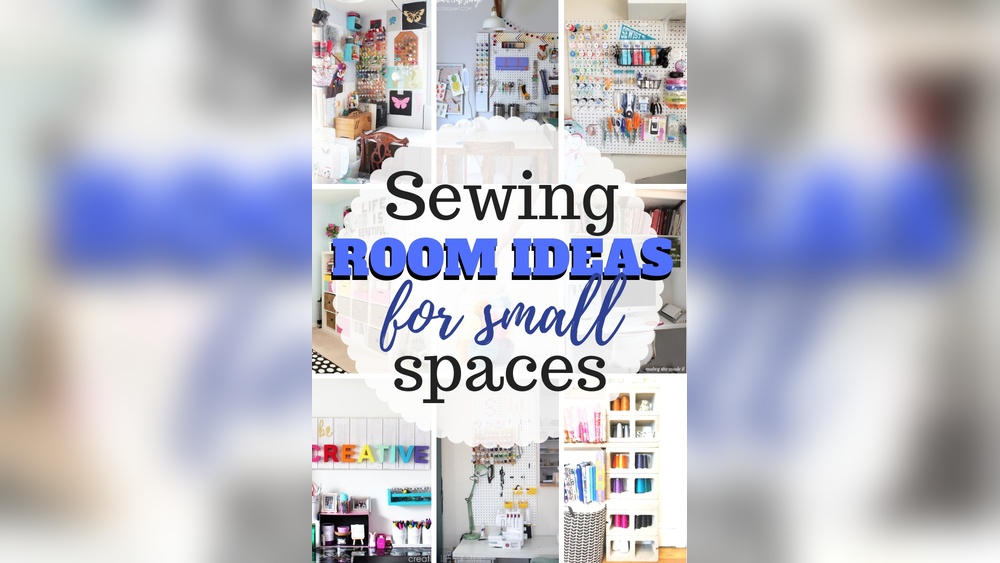

Struggling to keep your sewing supplies neat in a small space? You’re not alone.
When your sewing nook is tight on room, clutter can quickly take over, making it hard to focus on your creative projects. But what if you could transform even the smallest corner into a well-organized, inspiring sewing haven? With the right ideas and smart storage solutions, your space can feel bigger, tidier, and more inviting.
Keep reading to discover simple and effective sewing organization ideas that will help you maximize every inch of your small space—and keep your creativity flowing without the mess.
Maximize Vertical Space
Maximizing vertical space is a game changer for sewing organization, especially when your room feels cramped. Instead of letting your tools and supplies clutter your work surface, why not lift the storage up? Vertical storage keeps everything visible and within reach, saving precious floor and table space.
Install Pegboards
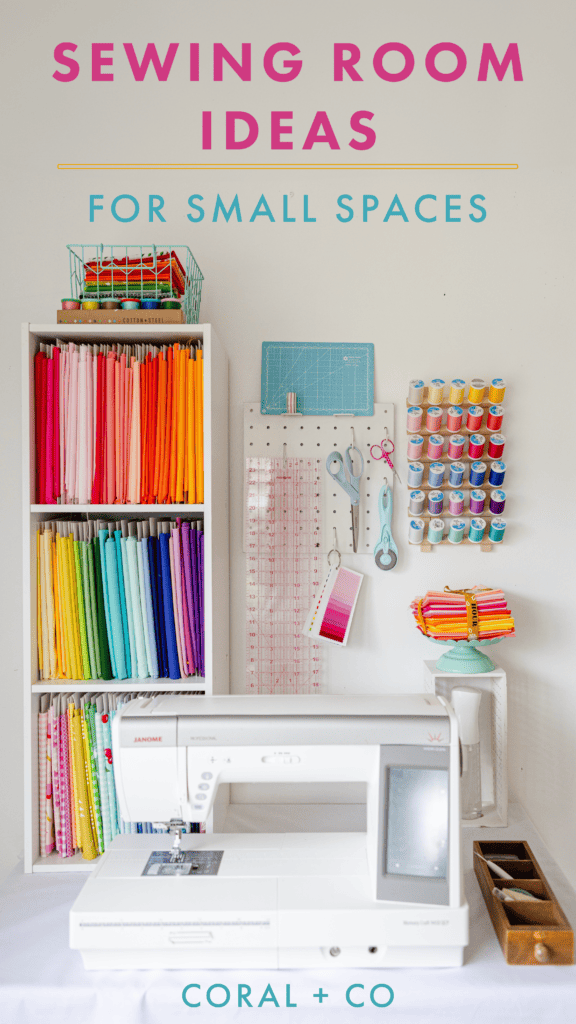
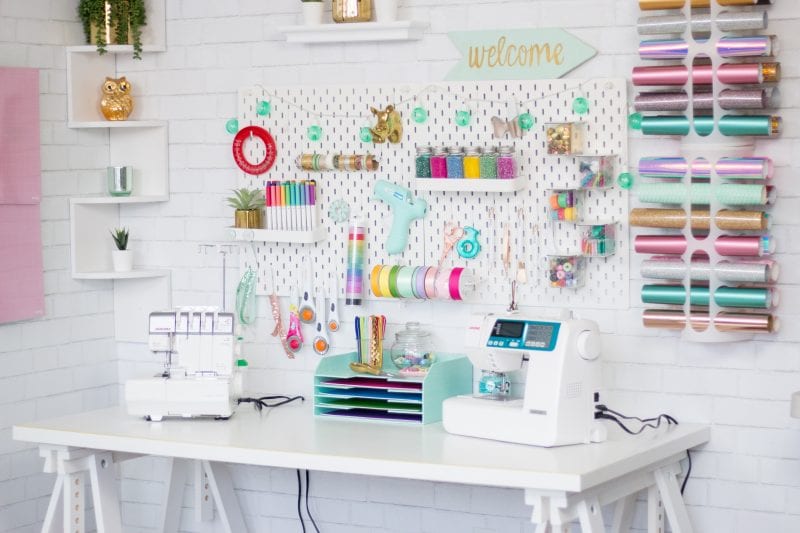
Pegboards are a simple way to turn a bare wall into a custom storage area. You can hang scissors, rulers, and even small baskets for thread spools or buttons.
I once installed a pegboard above my sewing table, and it instantly cleared my workspace. Having my tools right in front of me reduced the time I spent searching for them, making sewing more enjoyable.
Try painting your pegboard a bright color to add a cheerful touch to your sewing corner. You can also rearrange hooks as your storage needs change.
Use Wall Shelves
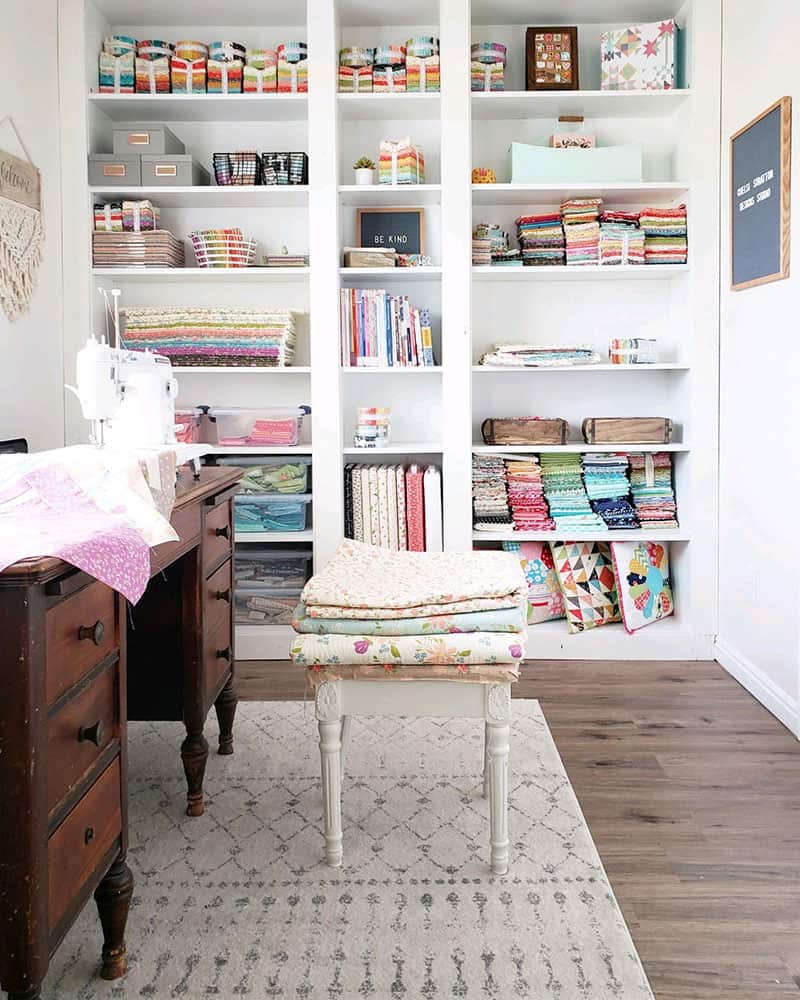
Wall shelves give you a place to stack fabric, pattern books, and storage boxes without taking up any floor space. Floating shelves look neat and can fit in narrow spots.
Don’t just pile items randomly; organize them by type or project to find what you need quickly. For example, keep frequently used fabrics on lower shelves and less-used supplies higher up.
Have you thought about adjustable shelves? They adapt to your growing collection and keep your sewing nook tidy.
Hang Tools And Notions
Hooks, magnetic strips, and hanging baskets can hold your scissors, rotary cutters, and measuring tapes. Keeping these tools off your desk frees up room for cutting and pinning.
I use magnetic strips near my sewing machine to hold pins and needles safely. It’s a small change, but it keeps sharp items away from fabric and fingers.
Consider grouping similar notions together. Hanging your ribbons or trims on a rod saves space and prevents tangling. What small change could you make today to keep your tools organized and accessible?
Smart Fabric Storage
Smart fabric storage keeps your sewing space neat and efficient. It saves time and protects your materials. Small spaces need clever solutions to store fabric without clutter. Using the right techniques and containers helps maintain order. Here are some smart fabric storage ideas to fit small sewing areas.
Roll Vs Fold Techniques
Rolling fabric saves space and reduces wrinkles. It makes it easy to see patterns and colors at a glance. Folding fabric works well for thick or large pieces. Folded fabric fits better in shallow drawers or bins. Choose the method that suits your fabric type and storage spot.
Clear Bins And Labels
Clear bins let you spot fabric without opening them. They protect fabric from dust and sunlight. Use labels to mark fabric type, color, or project plans. This helps find fabric quickly and keeps your space tidy. Stack bins vertically to use height in small rooms.
Use Under-table Drawers
Under-table drawers use hidden space efficiently. They keep fabric close to your sewing machine. Drawers prevent fabric from getting crushed or dirty. Use shallow drawers to store folded or rolled fabric pieces. This setup keeps your workspace clean and organized.
Compact Furniture Solutions
Compact furniture solutions transform small sewing spaces into efficient work areas. These pieces save room without sacrificing functionality. Choosing the right furniture helps maintain a neat and organized sewing station. Space-saving designs make the sewing process more enjoyable and less stressful.
Foldable Sewing Tables
Foldable sewing tables offer flexibility and convenience. They easily collapse when not in use, freeing valuable floor space. These tables provide a sturdy surface for cutting and sewing projects. Lightweight models allow easy movement around the room. Foldable tables adapt well to any room size or shape.
Rolling Carts And Cabinets
Rolling carts and cabinets keep sewing supplies within arm’s reach. Their mobility allows quick rearrangement of the workspace. Multiple drawers and shelves offer organized storage for tools and fabrics. Rolling units fit perfectly under tables or in corners. They keep clutter off the main work surface.
Multi-purpose Surfaces
Multi-purpose surfaces combine different functions in one piece of furniture. A desk with built-in storage or a sewing machine table with drawers maximizes space. These surfaces serve as workstations and storage spots simultaneously. They reduce the need for extra furniture in small rooms. Multi-purpose furniture streamlines sewing tasks and organization.
Organize Small Notions
Organizing small sewing notions can transform a cluttered space into a neat and efficient work area. Small items like needles, threads, and buttons need proper storage to stay accessible and avoid loss. Clear organization also speeds up your sewing projects and reduces stress.
Use Small Containers
Small containers keep your notions sorted and visible. Use clear plastic boxes or divided trays to separate buttons, snaps, and pins. Label each container for easy identification. Stackable containers save space and keep your work area tidy.
Magnetic Strips For Needles
Magnetic strips hold needles and pins securely in one place. Mount a strip on your wall or inside a cabinet door. This method prevents needles from scattering and makes them easy to grab. It also keeps sharp items away from children and pets.
Thread Holders And Spool Racks
Thread holders and spool racks organize your threads by color and size. Vertical racks save space and display spools clearly. Choose racks that fit your shelf or wall space. This setup avoids tangled threads and keeps your collection neat.
Optimize Cutting And Ironing Areas
Optimizing cutting and ironing areas in a small sewing space makes your workflow smooth and efficient. These areas need to be practical yet compact. With smart solutions, you can save space and keep tools handy. Here are some useful ideas to enhance these zones without clutter.
Over-the-door Ironing Boards
Over-the-door ironing boards save floor space by hanging on doors. They fold flat when not in use, freeing up room. These boards provide a sturdy surface for quick pressing tasks. Easy to install and store, they fit perfectly in tight spaces. Ideal for small sewing rooms with limited square footage.
Foldable Cutting Mats
Foldable cutting mats are compact and portable for small areas. Use them on a table, then fold and store away after use. They protect surfaces and keep fabric cuts precise. Many come with grid lines that help measure and cut fabric easily. A versatile tool to keep your cutting area tidy.
Space-saving Irons
Space-saving irons are smaller and lighter than traditional models. They fit well on narrow shelves or small countertops. Some come with vertical storage stands to minimize footprint. Choose irons with quick heat-up time for faster sewing sessions. Perfect for those who want an efficient, clutter-free workspace.
Credit: www.coralandco.com
Lighting And Accessibility
Good lighting and easy access improve every sewing project. Small spaces need smart solutions to keep everything visible and close. Proper lighting reduces eye strain and helps with precise stitching. Accessibility means tools and materials stay within reach, saving time and effort.
Task Lighting Options
Choose bright, focused lights for your sewing area. LED desk lamps work well and use little space. Clamp lamps attach to tables and direct light exactly where needed. Consider under-shelf lighting to brighten your workspace without clutter. Adjustable lights let you change angles for different projects.
Easy Reach Storage
Keep your most used tools near your sewing machine. Use wall-mounted shelves or pegboards to save table space. Small bins or cups hold scissors, pins, and threads within easy reach. Rolling carts fit under tables and move with you. Label containers to find things quickly.
Clear Work Zones
Separate areas for cutting, sewing, and ironing keep your space neat. Use a small table or foldable surface for cutting fabric. Keep your sewing machine on a sturdy, clear desk. Store your iron and board in a corner for quick setup. A tidy workspace helps you focus and work faster.
Creative Space Hacks
Creative space hacks help you make the most of a small sewing area. They turn unused spots into useful storage. This way, your sewing tools stay tidy and easy to reach. Small spaces can feel bigger and more organized with these clever ideas.
Use Doors And Backs Of Cabinets
Doors and cabinet backs offer hidden space for storage. Install hooks or small racks to hang scissors, rulers, or thread spools. This keeps items off your work surface but still close by. Magnetic strips on cabinet doors hold metal tools securely.
Stackable Storage Ideas
Stackable containers save floor and shelf space. Clear plastic bins let you see contents without opening. Label each bin for quick access to fabric, buttons, or needles. Use stackable drawers for small tools to keep them sorted and neat.
Repurpose Household Items
Old jars, mugs, and tins can store buttons, pins, or thread. Use a spice rack for organizing small bottles of fabric paint or glue. Shoe organizers on walls hold fabric scraps and patterns. This approach saves money and adds charm to your sewing area.
Credit: sweetredpoppy.com
Credit: www.aquiltinglife.com
Frequently Asked Questions
What Are The Best Storage Tips For Small Sewing Spaces?
Use vertical storage like pegboards and shelves. Store supplies in clear bins for easy access. Keep tools organized by type to save space and improve efficiency.
How Can I Organize Sewing Supplies In A Tiny Room?
Group supplies by category and use stackable containers. Utilize wall-mounted organizers and rolling carts for mobility. Maximize every inch with foldable furniture.
What Furniture Works Best For Small Sewing Rooms?
Choose compact, multi-functional pieces like foldable tables or sewing carts. Use desks with built-in storage drawers. Opt for furniture that can be easily moved or stored.
How Do I Keep My Sewing Space Clutter-free?
Regularly declutter and donate unused items. Use labeled containers to maintain order. Create a daily clean-up routine to keep the space tidy.
Conclusion
Small spaces can still hold big sewing dreams. Use vertical storage to save floor space. Clear containers keep supplies visible and easy to find. Roll-up organizers help with small tools and notions. Keep your workspace tidy by putting items back after use.
Personalize your space to make sewing more enjoyable. With these simple ideas, your small area can shine. Start organizing today and enjoy sewing every day.

