
When it comes to storing propane tanks at home, safety and convenience should be your top priorities. Whether you use propane for grilling, heating, or other appliances, knowing how to store your tanks properly can protect your family and property.
You might be wondering where and how to keep your tanks so they stay safe, last longer, and are ready whenever you need them. You’ll discover practical, easy-to-follow propane tank home storage solutions that will give you peace of mind and help you avoid costly mistakes.
Keep reading to learn how simple steps can make a big difference in keeping your propane tanks secure and efficient right at your home.
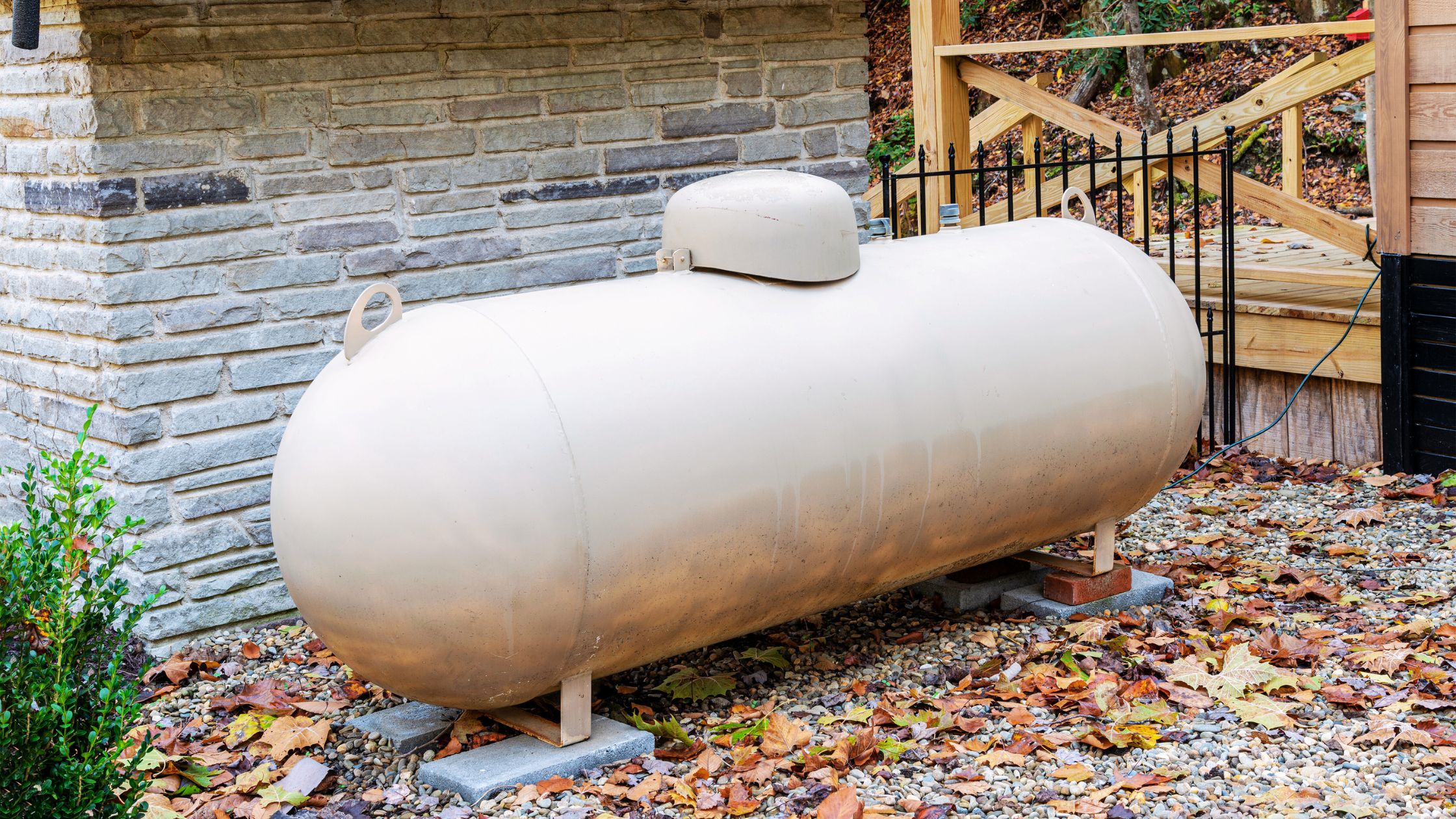
Credit: www.advancedpropaneinc.com
Propane Tank Storage Basics
Proper propane tank storage keeps your home safe and your fuel ready. Understanding the basics helps prevent accidents and extends tank life. Store propane tanks with care and follow simple rules to protect your family and property.
Outdoor Vs Indoor Storage
Storing propane tanks outdoors is safest. Keep tanks away from open flames and heat sources. Outdoor storage reduces the risk of gas buildup inside your home. Indoor storage increases danger from leaks and explosions. If you must store tanks indoors, use a well-ventilated garage, never inside living spaces.
Proper Tank Positioning
Always place propane tanks upright. The tank’s foot ring should rest firmly on a flat surface. Upright positioning prevents gas leaks and ensures the safety valve works correctly. Avoid laying tanks on their side or upside down. Keep tanks stable to stop tipping or rolling.
Temperature And Ventilation
Store tanks in cool, shaded areas. High temperatures increase pressure inside the tank and risk leaks. Good ventilation disperses any leaked gas quickly. Avoid storing tanks in enclosed, hot spaces. Proper air flow is essential for safety and tank performance.
Safety Tips For Home Storage
Proper safety is crucial when storing propane tanks at home. Storing tanks correctly reduces risks of accidents and ensures your family stays safe. Follow these simple safety tips to protect your home and loved ones.
Avoiding Heat And Sunlight
Store propane tanks in a cool, shaded area outdoors. Direct sunlight can increase tank pressure and cause leaks. Never place tanks near heaters, stoves, or any heat source. Keep tanks off hot surfaces and away from flames.
Keeping Tanks Away From Children
Place tanks where children cannot reach or play near them. Use locked or fenced storage areas to prevent accidental damage. Teach children to never touch or play with propane tanks. Safe storage helps avoid dangerous situations.
Handling Leaks And Odors
Check tanks regularly for leaks or unusual smells. A rotten egg odor signals a propane leak. If you smell gas, do not use electrical switches or phones nearby. Move away from the area immediately and call emergency services.
Managing Tank Fill Levels
Managing propane tank fill levels is vital for safety and performance. Proper fill levels keep your appliances running smoothly. Monitoring these levels prevents risks and maintains equipment health. Knowing how to check and handle tank levels protects your home and family.
Full Vs Empty Tanks Risks
Storing tanks completely full can cause pressure build-up. This pressure may lead to leaks or explosions. Empty tanks are safer to store but can collect moisture inside. Moisture can cause rust and damage the tank. Always store tanks upright and in a well-ventilated area. Avoid storing tanks indoors unless in a suitable garage.
Checking Propane Levels
Use a gauge to check propane levels regularly. Some tanks have built-in gauges for easy reading. Another way is the warm water test: pour warm water on the tank side. Feel for a cool spot; it shows the propane level. Regular checks help avoid running out during critical use. Keeping track of levels ensures timely refilling and safety.
Preventing Regulator Damage
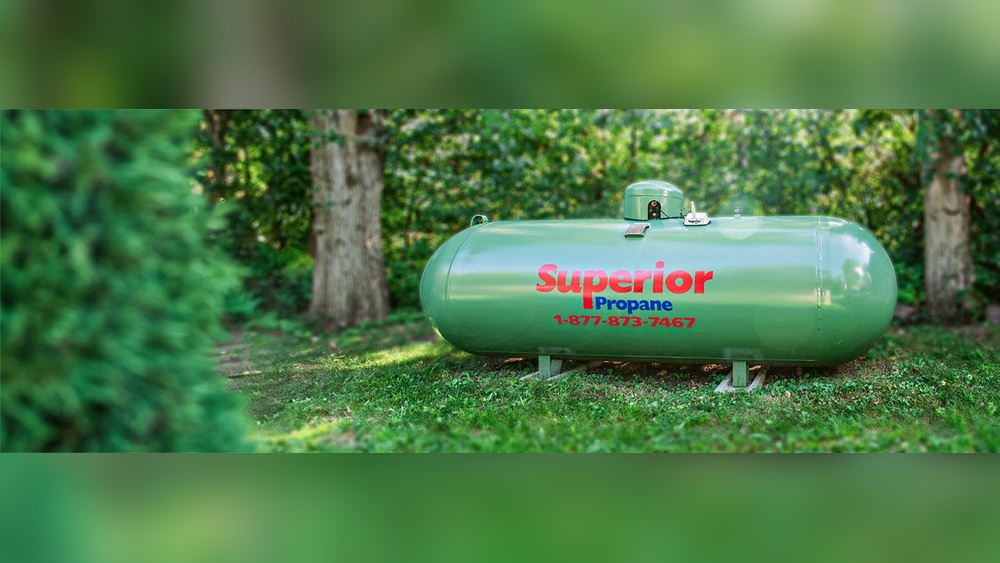
Overfilling tanks can push liquid propane into the regulator. Liquid propane in the regulator can cause freezing and failure. Keep tanks filled to the recommended 80% capacity. This leaves room for propane expansion. Regular maintenance of the regulator and valves extends their life. Protect your propane system by following fill guidelines strictly.

Credit: www.superiorpropane.com
Space-saving Storage Ideas
Efficient storage of propane tanks saves space and enhances safety around your home. Proper organization helps keep tanks stable and easy to access. Using smart storage ideas prevents accidents and prolongs tank life.
Space-saving solutions work well for homes with limited outdoor areas. Choose methods that secure tanks and protect them from weather and damage. These ideas fit different spaces and tank quantities.
Using Protective Crates
Protective crates offer a compact way to store propane tanks. They keep tanks upright and prevent rolling or tipping. Crates made of durable plastic shield tanks from impacts and dirt.
Stacking crates can save space while keeping tanks separated. This method avoids direct contact between tanks, reducing wear. Crates also allow easy transport if needed.
Designing Secure Outdoor Racks
Outdoor racks provide a dedicated place for propane tanks. Build racks with sturdy materials like metal or treated wood. Ensure racks keep tanks upright and stable during wind or movement.
Place racks in shaded or covered areas to protect tanks from sun and rain. Adding locks or covers increases security. Racks can hold one or multiple tanks in a small footprint.
Organizing Multiple Tanks
Organize several propane tanks by grouping them in rows or grids. Use labels or color codes to identify each tank easily. This approach speeds up tank selection and maintenance.
Keep tanks spaced enough to allow airflow and easy inspection. Avoid stacking tanks directly on top of each other. Use pallets or platforms to raise tanks off the ground.
Legal And Regulatory Guidelines
Understanding legal and regulatory guidelines is crucial for safe propane tank home storage. These rules help protect your home and community from fire hazards and gas leaks. Compliance ensures you avoid fines and liability issues. Follow these guidelines to store propane tanks safely and legally.
Local Storage Restrictions
Local laws often set limits on where you can store propane tanks. Some areas require tanks to be a certain distance from buildings and property lines. Check city or county codes before installing a tank at home. These rules reduce risks of leaks or explosions near living spaces.
Some neighborhoods or homeowner associations may have additional rules. They can restrict tank size or the total number of tanks allowed. Always verify local restrictions to avoid penalties or forced removal.
Transport And Handling Rules
Propane tanks must be transported upright and secured during travel. Never leave tanks inside a hot vehicle for long periods. Many jurisdictions require valve protection caps during transport. Follow these rules to prevent accidents and ensure safety.
Handling propane tanks requires care to avoid dropping or damaging them. Use gloves and avoid rough surfaces. These steps minimize leaks and extend tank life. Proper handling reduces risk of injury or property damage.
Inspection And Maintenance
Regular inspections are a legal requirement in many areas. Check tanks for rust, dents, or leaks every few months. Replace tanks that show significant damage or wear. Keep valves and connections clean and tight.
Some regulations require professional inspections or certifications. Maintain records of inspections and repairs for compliance. Proper maintenance ensures safe operation and prolongs tank usability.

Credit: www.wikihow.com
Frequently Asked Questions
How To Properly Store Propane Tanks At Home?
Store propane tanks outdoors in a well-ventilated, shaded area. Keep them upright on a stable surface. Avoid heat sources and direct sunlight. Ensure valves have plugs if disconnected. Place tanks away from children and high-traffic zones for safety.
What Is The 80/20 Rule For Propane Tanks?
The 80/20 rule for propane tanks means filling them to 80% capacity, leaving 20% space for gas expansion. This prevents pressure buildup and ensures safety.
Is It Better To Store Propane Tanks Empty Or Full?
Store propane tanks upright outdoors, away from heat and sunlight. Both empty and full tanks are safe if stored properly. Avoid indoor storage except in attached garages, with outdoor storage preferred for safety.
Is It Okay To Leave A Propane Tank Outside In Winter?
Yes, leaving a propane tank outside in winter is safe. Store it upright, away from heat and direct sunlight. Ensure good ventilation and keep it secure to prevent tipping or damage. Avoid indoor storage to reduce risks of gas buildup or leaks.
Conclusion
Proper propane tank storage keeps your home and family safe. Always place tanks upright in a ventilated outdoor spot. Avoid heat, direct sunlight, and indoor storage areas. Keep tanks away from children and traffic paths. Check tanks regularly for leaks or damage.
Follow local rules and guidelines for storage and handling. Safe storage ensures efficient use and reduces risks. Remember, simple precautions make a big difference. Stay informed and handle propane tanks carefully every time.


