
Is your small space feeling cramped and cluttered? You’re not alone.
When every inch counts, finding smart ways to organize can transform your home into a calm, functional sanctuary. Imagine opening a drawer or walking into a room and instantly knowing where everything belongs. That ease and order are possible, even in the tiniest spaces.
You’ll discover simple, practical tips that make the most of your space—without expensive tools or complicated systems. Ready to reclaim your home and enjoy the peace that comes with organization? Let’s dive in and turn your small space into a big success.
Declutter First
Decluttering is the crucial first step in organizing small spaces. Clearing out excess items creates room and simplifies organization. Without decluttering, even the best storage solutions can feel crowded and chaotic. Start by carefully sorting through your belongings. This process helps you see what you really need and use. Letting go of unnecessary items lightens your load and frees up valuable space. Assigning a specific place for each item keeps your space tidy and easy to manage. Follow these simple steps to declutter effectively and prepare your small space for better organization.
Sort Items By Usefulness
Begin by grouping items based on how often you use them. Keep daily essentials within easy reach. Store seasonal or rarely used items separately. This method reduces clutter and makes your space functional. It also helps you decide what to keep or discard. Sorting by usefulness highlights what truly matters in your small space.
Purge Broken And Unwanted Items
Check for items that are broken or damaged. These take up space and serve no purpose. Remove anything you no longer want or need. Old clothes, expired products, and unused gadgets often clutter small areas. Letting go of these items clears room for things you value. Donate or recycle when possible to reduce waste.
Designate A Home For Each Item
Assign a specific spot for every item you keep. This habit prevents clutter from building up again. Use containers, shelves, or drawers to organize by category. Label storage areas to find things quickly. A designated home for each object saves time and effort daily. It also keeps your small space neat and orderly.
Zone Your Space
Zone your space to bring order to small areas. Dividing a room into zones helps in creating clear, useful spots. Each zone serves a different purpose. This method keeps items where they belong. It reduces clutter and makes daily tasks easier.
Breaking a space into zones allows you to use every inch wisely. It turns chaos into calm. Organizing in zones also helps you see what you really need. It makes cleaning and maintaining the space simpler.
Create Functional Areas
Start by deciding what activities happen in the room. Make spots for work, rest, and storage. Assign each zone a clear function. For example, a small desk area can be for working or studying. A corner with shelves can hold books or supplies.
Keep items related to each function close together. This saves time and prevents mess. Use containers, bins, or baskets to group similar things. Labeling these containers adds extra clarity. Functional zones help everyone know where things go.
Focus On One Area At A Time
Pick one small space to organize first. It might be a drawer, a shelf, or a countertop. Work on that area until it feels tidy and useful. Sort items into keep, toss, or donate piles. Put back only what belongs in that zone.
Concentrate fully on this one space. Avoid moving to another area too soon. This focus prevents feeling overwhelmed. Seeing progress in one spot motivates you to continue.
Repeat For Other Spaces
After finishing one zone, move to the next. Use the same steps to sort and arrange items. Over time, the whole room will become organized. Each zone will have a clear purpose and order.
Consistency matters. Repeating this process keeps your small space neat. It also helps form good habits. Soon, organizing will feel natural and easy.
Maximize Vertical Space
Maximizing vertical space is a smart way to organize small areas effectively. It uses the walls and height of a room to store items without taking up floor space. This method keeps your space neat and open. Vertical storage solutions make it easier to find and access your belongings. They also add style and function to any small room.
Install Wall Shelves And Racks
Wall shelves and racks create extra storage above eye level. They hold books, plants, or kitchen tools. Floating shelves save space and look clean. Open racks keep items visible and easy to grab. Choose shelves that fit your room’s style and size. Use strong brackets to hold heavier things safely.
Use Hooks And Pegboards
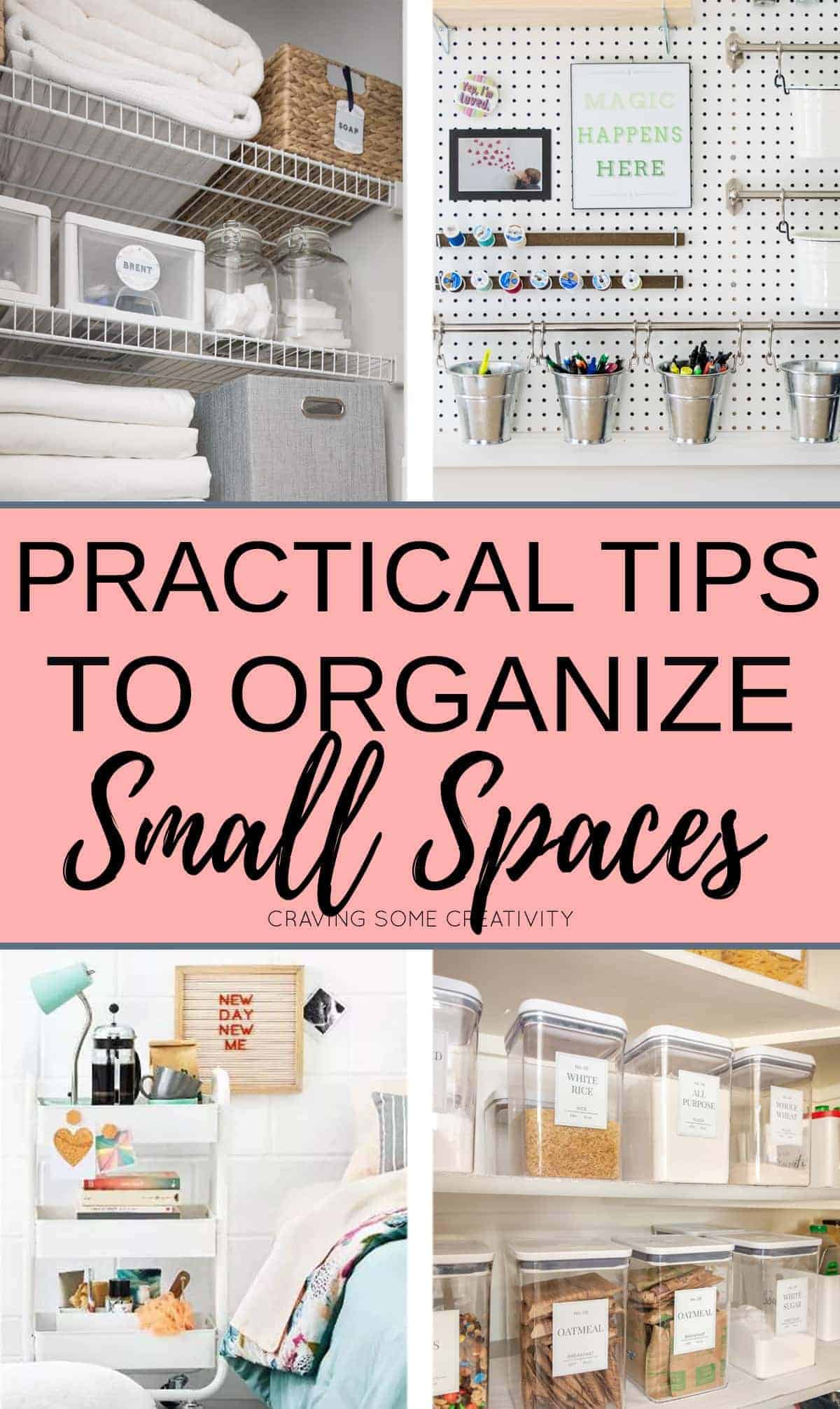
Hooks and pegboards offer flexible storage options. Hang bags, hats, or tools on hooks to clear counters. Pegboards let you rearrange items as needed. They work well in kitchens, offices, and craft rooms. You can add baskets and small shelves to pegboards. This keeps small items organized and off surfaces.
Add Tall Bookcases
Tall bookcases use wall height to store many items. They hold books, decor, and storage bins. Choose slim designs to fit tight spaces. Open bookcases keep the room feeling airy. You can place baskets or boxes on shelves to hide clutter. Tall units draw the eye up, making ceilings appear higher.
Credit: www.cravingsomecreativity.com
Use Multi-functional Furniture
Multi-functional furniture is essential for organizing small spaces efficiently. These pieces serve more than one purpose, saving room and reducing clutter. They help keep your space tidy while offering practical use.
Choosing furniture that combines storage and seating or other functions maximizes every inch of your area. This approach makes a small room feel larger and more open. It also creates a neat, streamlined look.
Storage Ottomans And Benches
Storage ottomans and benches provide hidden space for belongings. They work as seats and storage units at the same time. Use them to store blankets, toys, or magazines.
These pieces keep items out of sight but easy to reach. They help avoid piles of clutter in small rooms. Plus, they add extra seating for guests.
Foldable And Stackable Pieces
Foldable and stackable furniture saves space when not in use. Folding chairs and tables can be stored away quickly. Stackable stools or boxes create more floor space.
This kind of furniture is perfect for small apartments or rooms. It allows you to change the layout easily. Use these pieces for occasional needs without crowding the space.
Furniture With Hidden Compartments
Furniture with hidden compartments offers secret storage options. Beds with drawers underneath or coffee tables with lids are great examples. These compartments keep valuables or everyday items organized.
Hidden storage helps reduce visible clutter and keeps your room tidy. It is ideal for small spaces where storage is limited. This furniture combines style with practical storage solutions.
Optimize Hidden Storage
Optimizing hidden storage is key to organizing small spaces effectively. It helps keep clutter out of sight while making the most of unused areas. Clever storage ideas free up room and create a tidy environment. Small spaces feel larger and more comfortable when hidden storage is well planned.
Under-bed Storage Solutions
The space under your bed offers great storage potential. Use flat, rolling bins to store shoes, clothes, or bedding. Clear containers help you see what’s inside without opening them. Vacuum bags also save space by compressing bulky items. Keep the area clean and organized for easy access.
Back-of-door Organizers
The back of doors is often overlooked but perfect for storage. Hang shoe racks or pocket organizers to hold small items. Use hooks for bags, scarves, or hats. This keeps items off the floor and within reach. Choose slim designs to avoid blocking door movement.
Utilize Corners And Nooks
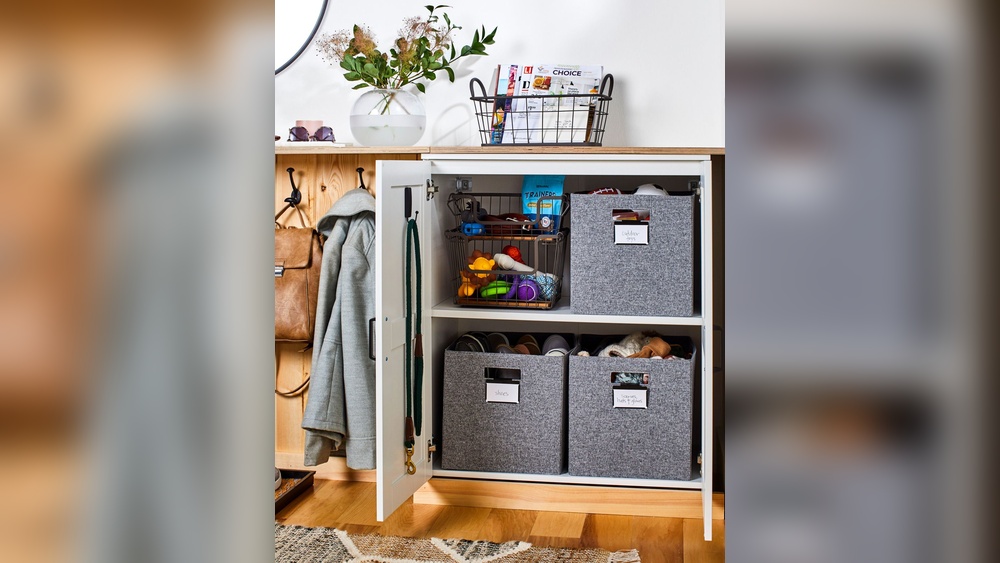
Corners and small nooks can serve as hidden storage spots. Add corner shelves or small cabinets to store books or decor. Use stackable bins or baskets to fit awkward spaces. These areas can hold items without taking up main floor space. Smart use of corners improves room flow and storage.
:strip_icc()/craft-storage-closet-organization-6d9AXrqx4EPAky8ExbZCrP-0f4c86aa2f5e44bdb4810879906176cf.jpg)
Credit: www.bhg.com
Smart Drawer Management
Smart drawer management is key to organizing small spaces efficiently. Drawers often hold many items that can become cluttered quickly. Keeping them neat saves time and reduces stress.
Organizing drawers properly makes it easier to find what you need. It also maximizes the use of limited space. Simple techniques can transform messy drawers into tidy storage spots.
Use Dividers And Organizers
Dividers separate items inside drawers to avoid mixing. Use small boxes or plastic trays as organizers. They create sections for different objects like utensils or stationery.
Dividers keep things in place and prevent clutter. Adjustable dividers offer flexibility for various drawer sizes. Organizers help maintain order and make cleaning easier.
Implement Sliding Drawers
Sliding drawers improve access to items stored at the back. They allow you to pull out the entire drawer smoothly. This feature reduces the need to dig through clutter.
Use sliding drawers in cabinets or under beds for extra storage. They make use of deep spaces that are hard to reach. Sliding designs help keep everything visible and accessible.
Keep Similar Items Together
Group like items in the same drawer or section. Store all writing tools in one place and kitchen gadgets in another. This method saves time searching for things.
Keeping similar items together reduces mess and confusion. It helps you know exactly where to put things back. This habit supports long-term organization and tidiness.
Control Incoming Items
Controlling incoming items is key to organizing small spaces effectively. Without limits, clutter builds up quickly. Setting boundaries on what enters your home keeps your space neat and manageable.
Start by thinking carefully before adding new things. This habit prevents unnecessary clutter and creates room for what truly matters.
Be Selective About New Purchases
Only buy what you really need or love. Avoid impulse purchases that take up space. Choose items that serve multiple purposes to save room. Think about where the item will go before bringing it home. This helps keep your small space from becoming crowded.
Adopt A One-in-one-out Rule
For every new item you bring in, remove one old item. This rule balances what you own and keeps clutter from growing. It encourages thoughtful buying and regular decluttering. This simple habit keeps your space organized and easy to maintain.
Regularly Reassess Your Belongings
Look through your belongings often to decide what to keep. Remove items that no longer fit your lifestyle or needs. Check for things that are broken or unused. This practice keeps your space fresh and functional. Regular reassessment stops clutter from piling up over time.
Maintain Clutter-free Habits
Maintaining clutter-free habits is essential for keeping small spaces neat and functional. Small areas can easily become crowded without regular attention. By adopting simple daily and seasonal routines, you can enjoy a tidy, stress-free home. These habits help prevent mess buildup and make organizing easier over time.
Set Timers For Tidying
Use a timer to stay focused while tidying. Set it for 10 to 15 minutes. This creates a clear start and stop time. Work quickly and efficiently within this limit. Short bursts of cleaning prevent feeling overwhelmed. Regular short sessions keep clutter from piling up.
Daily Quick Cleanups
Spend a few minutes each day on quick cleanups. Pick one or two small tasks, like clearing countertops or sorting mail. Daily effort keeps surfaces clear and items in place. This habit stops clutter from growing. It also makes deeper cleaning easier later.
Seasonal Decluttering Sessions
Plan decluttering sessions every few months. Use these times to sort through clothes, papers, and other items. Remove anything broken or unused. Seasonal decluttering refreshes your space and frees up room. It also helps you stay mindful of what you really need.

Credit: www.pineandprospecthome.com
Frequently Asked Questions
How To Organize Things In A Small Space?
Maximize vertical space with shelves and hooks. Use multi-functional furniture for storage. Declutter regularly and keep only essentials. Use organizers for drawers and under-bed storage. Separate zones to avoid clutter and maintain order.
What Is The 12 12 12 Rule For Decluttering?
The 12 12 12 rule declutters by sorting 12 items to throw away, donate, and relocate. It simplifies organizing quickly and effectively.
What Are The 4 C’s Of Decluttering?
The 4 C’s of decluttering are: Categorize, Cull, Contain, and Clean. These steps help organize and simplify spaces effectively.
What Is The Golden Rule Of Organizing?
The golden rule of organizing is to keep only the best, favorite, and necessary items. Declutter regularly to maximize space and maintain order.
Conclusion
Organizing small spaces takes simple, steady effort every day. Clear out what you don’t need. Use shelves and hooks to save floor space. Choose furniture that can store items inside. Keep only your best and favorite things. Small steps lead to big changes over time.
Enjoy your neat and comfortable home.