
Feeling cramped in your small space? You’re not alone.
When every inch counts, organizing can feel overwhelming. But what if you could turn your limited space into a calm, clutter-free haven? Imagine finding exactly what you need without digging through piles or squeezing past messes. You’ll discover simple, powerful tips that make your small space work smarter—not harder.
Ready to unlock the secrets to effortless organization? Let’s dive in and transform your home into the spacious, stress-free place you deserve.
:strip_icc()/cubby-storage-bins-cabinet-3ymwhSAWq0bAYqDUCqATFB-55faa8ba46394cfbb5a5480381ab6008.jpg)
Credit: www.bhg.com
Declutter Essentials
Decluttering is the first step to organizing any small space. Keeping only the essentials frees up room and reduces stress. It helps you focus on what truly matters in your home.
Start with a clear plan and be honest about what you need. A tidy space feels larger and more inviting. Consistency is key to maintaining order.
Sort By Use And Value
Separate your items based on how often you use them. Keep daily essentials within easy reach. Store seasonal or rare items in less accessible places.
Next, consider the value of each item. Ask if it brings joy or serves a purpose. This step stops unnecessary clutter from building up again.
Create Keep, Donate, Toss Piles
Make three piles: keep, donate, and toss. The keep pile includes things you use and love. The donate pile holds items in good shape but no longer needed.
Throw away broken or unusable things. This clear sorting method speeds up decluttering. It also helps you let go of things without guilt.
Regular Decluttering Schedule
Set a regular time to declutter, like once a month or seasonally. This habit prevents clutter from piling up again. Small, frequent sessions are easier than long, rare ones.
Use a timer to keep sessions short and focused. Regular checks keep your space organized and stress-free all year.
Credit: www.cravingsomecreativity.com
Use Vertical Space
Using vertical space is a smart way to organize small rooms. It frees up floor area and keeps things tidy.
Walls and tall spaces can hold many items. This method helps you store more without clutter.
Install Floor-to-ceiling Shelves
Tall shelves use the full height of your walls. They offer a lot of storage without taking floor space.
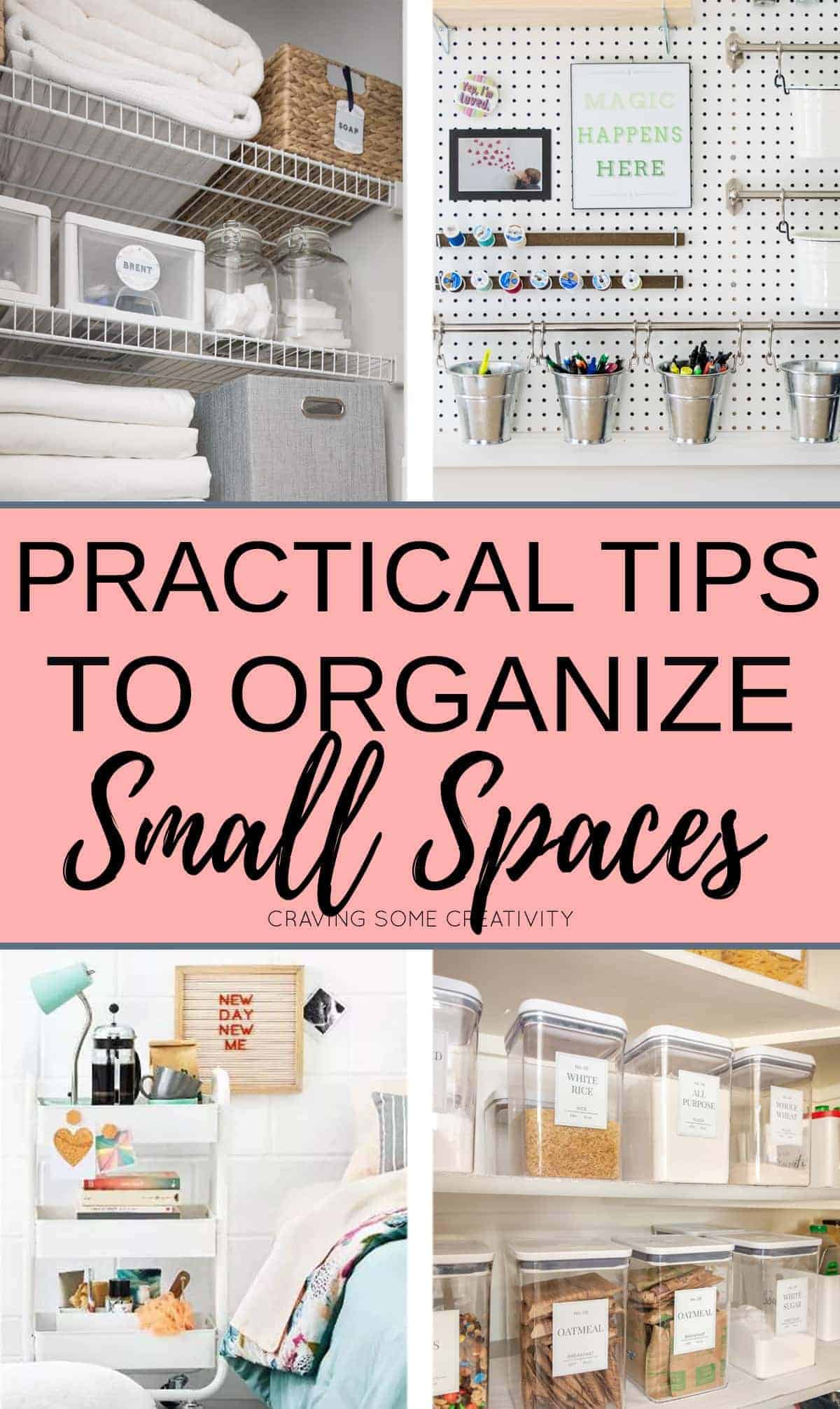
Arrange books, boxes, and decor on these shelves. Use baskets to keep small items neat and easy to find.
Choose shelves that fit your room style. They make the space feel bigger and more open.
Add Wall Hooks And Pegboards
Hooks keep bags, coats, and keys off the floor. Pegboards hold tools and kitchen items in view.
Place hooks near doors or in closets. Pegboards work well in workrooms or kitchens.
Both options make items easy to grab. They also add charm to your walls.
Utilize Over-the-door And Over-the-toilet Areas
These spots often go unused. Over-the-door racks hold shoes, towels, or cleaning supplies.
Install shelves or racks above the toilet for extra bathroom storage. Store toilet paper or small baskets here.
Using these hidden spaces keeps rooms clear. It adds storage without crowding your small space.
Choose Multi-functional Furniture
Choosing multi-functional furniture is a smart way to save space in small rooms. Such furniture helps you get more use from fewer items. It combines seating, storage, and work surfaces in one piece. This reduces clutter and opens up the room. Multi-functional furniture fits perfectly in small apartments or tight spaces.
Storage Ottomans And Benches
Storage ottomans and benches offer hidden space inside. They work as seats and storage boxes at the same time. You can store blankets, toys, or magazines inside. This keeps your room tidy without extra shelves. Their compact design fits well in living rooms or bedrooms.
Beds With Built-in Drawers
Beds with built-in drawers use the space under the mattress. These drawers hold clothes, shoes, or linens neatly out of sight. It frees up closet space and keeps the bedroom organized. Such beds are perfect for small bedrooms or studio apartments.
Nesting And Foldable Tables
Nesting and foldable tables save space by stacking or folding away. Nesting tables fit one under the other when not used. Foldable tables can be stored flat against a wall. They provide extra surface area only when needed. This flexibility helps keep small rooms open and clutter-free.
:strip_icc()/craft-storage-closet-organization-6d9AXrqx4EPAky8ExbZCrP-0f4c86aa2f5e44bdb4810879906176cf.jpg)
Credit: www.bhg.com
Smart Storage Solutions
Smart storage solutions help you make the most of small spaces. They keep items organized and easy to find. Clever storage tools save space and reduce clutter. These solutions work well in apartments, tiny homes, or any small area.
Vacuum-sealed Bags For Seasonal Items
Vacuum-sealed bags shrink bulky clothes and bedding. They remove air to save lots of space. Store winter coats or summer blankets in these bags. Keep them under the bed or in closets. This method protects items from dust and moisture too.
Stackable And Clear Bins
Stackable bins use vertical space efficiently. Clear bins let you see contents without opening them. Label each bin for quick access to items. Use them for toys, craft supplies, or pantry goods. This keeps your space neat and organized.
Rolling Carts And Modular Organizers
Rolling carts add mobile storage for small rooms. Move them easily from room to room. Use carts for office supplies, kitchen tools, or bathroom items. Modular organizers fit together to match your space. Customize shelves and drawers to suit your needs.
Label And Categorize
Labeling and categorizing are key steps to keep small spaces neat and functional. Clear labels help you find items fast. Grouping similar things reduces clutter and saves space. This system makes your small space feel larger and more organized. Simple labels give you control over your stuff.
Color Coding Systems
Assign colors to different categories or rooms. Use colored stickers or markers on boxes and shelves. This visual system helps you spot items quickly. It also makes organizing fun and easy. For example, red for kitchen, blue for office supplies, green for tools. Colors guide your eyes and reduce search time.
Clear Containers For Visibility
Choose clear bins and boxes for storage. Seeing inside containers helps identify contents fast. No need to open every box to check. Stack clear containers to save space vertically. Labels on the lids keep things even clearer. This method cuts down on mess and confusion.
Inventory Lists For Storage Rooms
Keep an updated list of stored items. Write down what is inside each box or shelf. Use a notebook or a simple app. This list prevents buying duplicates and losing things. Mark items as used or moved. Inventory lists keep your storage room organized and efficient.
Maximize Light And Space
Maximizing light and space transforms small rooms into bright, open areas. Good lighting and smart color choices create an airy feel. These tips help your space look larger and more inviting.
Use Light And Reflective Colors
Light colors make walls and floors seem bigger. Whites, creams, and pastels reflect natural light. They brighten corners and open up tight spaces. Use these colors on walls, furniture, and decor. Avoid dark shades that absorb light and shrink rooms.
Incorporate Mirrors Strategically
Mirrors double the light and add depth. Place mirrors across from windows to reflect daylight. Large mirrors create the illusion of wider rooms. Use mirrored furniture or wall panels to expand space visually. Position mirrors where they catch natural or artificial light best.
Layered And Ambient Lighting
Combine different light sources for a warm, spacious feel. Use ceiling lights for general brightness. Add lamps or wall sconces for soft, ambient light. Task lighting helps with specific activities without cluttering the room. Layered lighting reduces shadows and makes small spaces feel open.
Create Open Flow
Creating an open flow in small spaces makes your home feel larger and more inviting. Open flow means arranging your space so it is easy to move around. It prevents the room from feeling cramped or crowded. Clear pathways improve comfort and usability. This section shares simple tips to help you achieve open flow.
Arrange Furniture For Movement
Place furniture away from doorways and windows. Leave at least two feet of walking space between items. Choose smaller pieces that fit your room size. Use furniture with legs to create a sense of openness. Keep seating areas connected but not tight. This makes moving around easier and faster.
Avoid Cluttered Surfaces
Keep tables and countertops clear of excess items. Store small objects in baskets or boxes. Only display essential or decorative pieces. Cluttered surfaces make a room feel smaller and busy. Clean surfaces help rooms appear more open and calm. Switch to wall shelves to free up table space.
Keep Floors Clear
Remove unnecessary items from the floor. Use vertical storage like tall shelves or hooks. Keep rugs low-profile to avoid blocking pathways. Clear floors make rooms feel bigger and safer. Avoid stacking things on the floor to reduce clutter. Open floors guide the eye and create flow.
Utilize Hidden Spaces
Small spaces often feel cluttered quickly. Using hidden spaces helps keep things tidy. These spots store items without taking extra room. Clever use of hidden areas frees up visible space. It also makes your home look cleaner and more organized.
Under-bed Storage
The space under your bed is perfect for storage. Use low bins or rolling drawers to hold items. Store shoes, clothes, or seasonal items here. Keep things dust-free with plastic containers. This space stays hidden but easy to access.
Inside Cabinet Doors
Cabinet doors hide small storage spots well. Attach hooks or slim racks on the inside. Store cleaning supplies, spices, or small tools neatly. This keeps counters clear and things within reach. It makes the most of unused cabinet space.
Behind Furniture
Look behind sofas, dressers, or desks for extra space. Slim boxes or baskets fit well in these gaps. Store books, toys, or magazines out of sight. This space often goes unused but offers great storage. It helps keep rooms neat without crowding.
Maintain Organization
Keeping a small space organized takes constant care. Maintaining organization means more than just tidying once. It requires daily effort and regular updates to your system. This keeps your space functional and stress-free.
Small spaces need simple and consistent habits. They help prevent clutter buildup and make your home feel larger. Regular checks let you adjust storage to fit your needs. A well-maintained space works better every day.
Daily Tidying Habits
Spend a few minutes each day putting things back in place. Clear surfaces like tables and counters quickly. Sort mail and papers as soon as they enter your home. Small tasks add up to big results over time. Keeping a routine stops mess from growing.
Seasonal Reassessment
Check your belongings each season to see what you still use. Remove items that no longer fit your lifestyle or space. Swap out seasonal clothes and gear to keep only what you need nearby. This refresh keeps storage neat and relevant. Seasonal reviews help control clutter and save space.
Adapt And Update Systems
Change your organization methods as your needs shift. Add new storage solutions or remove unused ones. Try different containers or layouts to improve access and flow. Keep your system flexible to work with your lifestyle. Regular updates prevent your space from becoming cramped again.
Frequently Asked Questions
What Are The 4 C’s Of Decluttering?
The 4 C’s of decluttering are: Categorize, Commit, Clear, and Create systems. They help simplify and organize your space effectively.
What Is The Golden Rule Of Organizing?
The golden rule of organizing is to keep only the best, favorite, and necessary items. Declutter to create space.
How To Organize A Small Storage Space?
Maximize vertical space with tall shelves and hooks. Use clear, labeled bins for visibility. Declutter regularly and choose multi-functional furniture with storage. Keep items organized using pegboards and wire shelving to optimize every inch of your small storage area.
How To Maximize Your Small Space?
Maximize small spaces by using vertical shelving, multi-functional furniture with storage, and decluttering regularly. Use light colors, mirrors, and good lighting to create openness. Arrange furniture to maintain clear flow and avoid clutter on floors and surfaces.
Conclusion
Organizing small spaces takes smart choices and clear planning. Use shelves and hooks to free up floor space. Keep only what you really need and love. Choose furniture that serves more than one purpose. Bright colors and good lighting make rooms feel bigger.
Stay consistent with your system to avoid clutter. Small spaces can feel open and cozy with these tips. Try these ideas step by step and enjoy your tidy home.