
Are you struggling to find the perfect way to store your old clothes without damaging them? Whether you’re holding onto sentimental pieces or seasonal garments, the right storage solution can make all the difference in preserving your wardrobe.
You don’t want your cherished clothes to fade, yellow, or become infested with pests. Imagine opening your storage and finding your clothes fresh, clean, and ready to wear—every time. You’ll discover simple, effective tips and tricks to store your old clothes safely and neatly, using affordable and practical methods that anyone can follow.
Keep reading to unlock the secrets of old home clothes storage solutions that protect your garments and free up your space.
Prep Clothes For Storage
Preparing old clothes for storage is a key step in keeping them fresh and protected. Proper preparation stops damage from pests, dirt, and moisture. It also helps clothes stay in good condition for future use.
Each piece needs careful attention before storage. Taking the right steps ensures your clothes remain clean and ready to wear again.
Wash And Dry Thoroughly
Start by washing clothes with the correct detergent. Use the right water temperature for each fabric type. This removes dirt, sweat, and odors that attract pests. After washing, dry clothes completely. Damp clothes can develop mold and mildew.
Remove Contaminants
Check clothes for stains, oils, or spots. Treat stains promptly with suitable stain removers. Avoid storing clothes with food or drink stains. Remove lint, pet hair, and other debris. These can cause fabric damage or attract insects.
Ensure Complete Dryness
Double-check that clothes are fully dry before storing. Hang them in a well-ventilated area if needed. Moisture trapped inside fabrics leads to unpleasant smells and mold growth. Use a moisture absorber or silica gel packets in storage containers for extra protection.
Credit: www.home-storage-solutions-101.com
Pick The Right Containers
Choosing the right containers is key for storing old clothes properly. The containers protect your clothes from dust, moisture, and pests. They also help keep clothes fresh and wrinkle-free. Using the right storage containers extends the life of your garments and keeps them ready for future use.
Avoid Cardboard Boxes
Cardboard boxes absorb moisture easily. This can cause mold and mildew on clothes. Bugs like silverfish and moths can also damage fabric in cardboard. Boxes may weaken and collapse over time, risking damage to your clothes. Avoid using cardboard for long-term storage of old clothes.
Use Breathable Plastic Bins
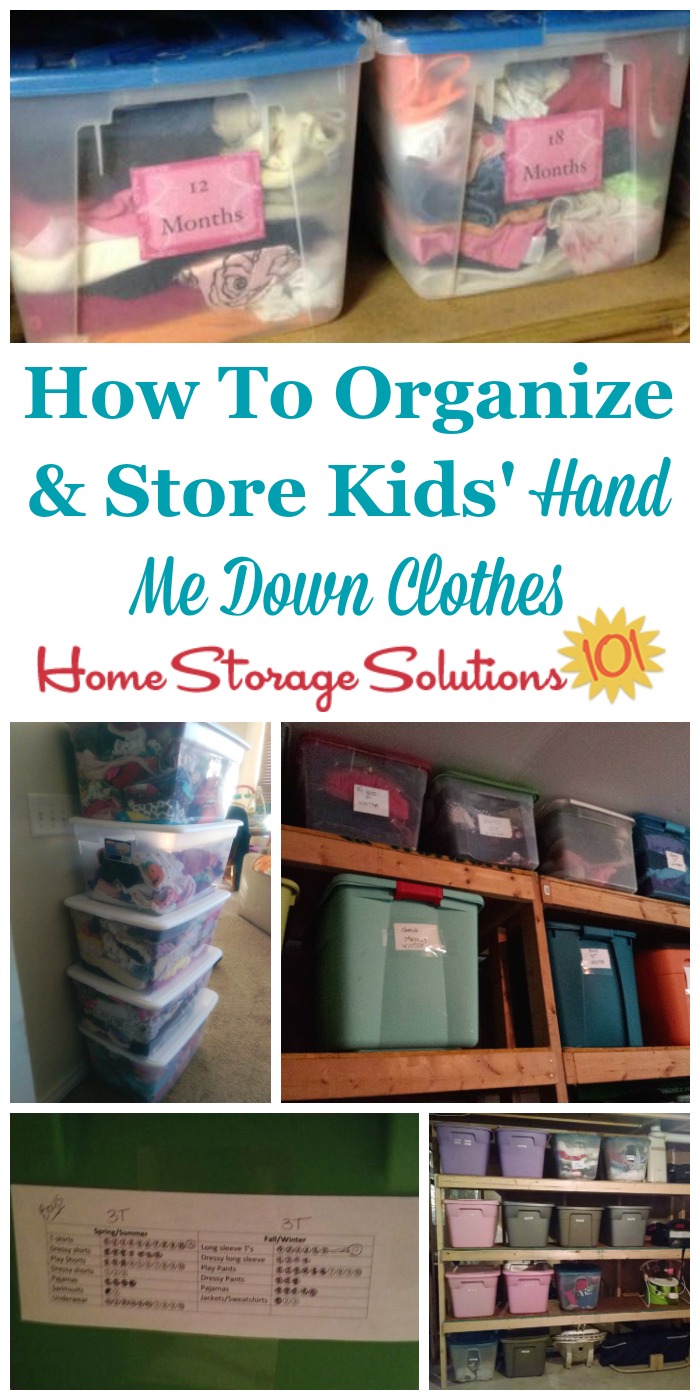
Plastic bins with ventilation holes allow air to flow. This prevents moisture buildup and keeps clothes dry. Look for bins made from clear plastic to easily see contents. Choose bins with tight-fitting lids to protect against dust and pests. Breathable plastic bins offer a good balance of protection and air circulation.
Consider Acid-free Boxes
Acid-free boxes help prevent fabric yellowing and deterioration. These boxes are made from materials that do not release harmful acids. Acid-free tissue paper inside the box adds extra protection. Use these boxes for delicate or vintage clothes that need special care. Acid-free storage keeps your clothes in better condition for years.
Pack Clothes Carefully
Packing old clothes carefully preserves their condition and extends their life. Proper packing prevents wrinkles, stains, and damage from moisture or pests. Taking small steps ensures your clothes remain fresh and ready to wear.
Line With Acid-free Tissue
Start by lining storage boxes with acid-free tissue paper. This paper protects fabric from yellowing and damage. It also helps absorb moisture and keeps clothes fresh. Avoid regular paper, as it can cause stains over time.
Pad Garment Folds
Fold clothes gently and pad sharp folds with tissue paper. This reduces creases and prevents fabric stress. Place tissue inside sleeves and corners to keep shape. Padding helps maintain the garment’s original form during storage.
Add Cedar Or Silica Gel
Include cedar blocks or silica gel packets in your storage. Cedar repels moths and insects naturally. Silica gel absorbs moisture, preventing mold and mildew. Both keep clothes dry and smelling fresh for long periods.
Storage Location Tips
Choosing the right place to store old clothes helps keep them fresh and safe. Proper storage stops damage from moisture, light, and heat. Follow these tips to pick the best location in your home.
Keep Cool And Dry
Old clothes stay in good shape in cool areas. Heat can cause fabrics to weaken and colors to fade. Moisture invites mold and mildew, which ruin fabrics. Choose places with low humidity and stable temperatures.
Avoid Sunlight Exposure
Sunlight breaks down fabric fibers quickly. It also fades colors, making clothes look old and worn. Store clothes in places that get no direct sunlight. Use curtains or blinds if needed to block light.
Choose Dark Storage Spaces
Dark spaces protect clothes from light damage. Closets, drawers, or under-bed storage work well. Darkness slows down fabric aging and keeps colors bright. Keep clothes in breathable containers to avoid moisture build-up.
Space-saving Hacks
Old home clothes often take up much space. Saving room helps keep your home neat and easy to manage. Using smart storage ideas makes a big difference. These space-saving hacks help you store clothes without clutter.
Use Stackable Storage Bins
Stackable bins make the most of vertical space. They keep clothes organized and easy to find. Clear bins help you see what is inside quickly. Choose bins with lids to protect clothes from dust. Stack them in closets or under beds for extra room.
Employ Foldable Storage Boxes
Foldable boxes are perfect for small spaces. They stay flat when not in use. Use them for seasonal clothes or items you wear less. They fit well on shelves or inside closets. Foldable boxes keep clothes neat without taking much space.
Install Portable Clothes Racks
Portable racks offer flexible storage anywhere in your home. They are easy to move and adjust. Use them for drying or displaying clothes. Portable racks free up closet space and keep clothes wrinkle-free. Choose racks with wheels for better mobility.
:max_bytes(150000):strip_icc()/NevaInteriorDesign-981ce0548d064babb68dd6bf2d4b47e4.jpeg)
Credit: www.thespruce.com
Common Mistakes To Avoid
Storing old clothes properly keeps them fresh and in good shape. Avoid common mistakes that can cause damage or bad odors. Simple steps help your clothes last longer and stay clean.
Don’t Use Plastic Bags
Plastic bags trap moisture and air inside. This causes mold and bad smells. Clothes need to breathe to stay fresh. Use cloth bags or breathable containers instead.
Avoid Vacuum-sealed Storage
Vacuum sealing can crush delicate fabrics and ruin their shape. It also traps moisture that may cause mildew. Use boxes with air circulation or fabric storage bins to protect clothes better.
Prevent Exposure To Moisture
Moisture causes mold, stains, and fabric damage. Store clothes in a dry place away from damp walls or floors. Use silica gel packets or cedar blocks to absorb humidity and keep clothes fresh.
Organizing Tips For Old Clothes
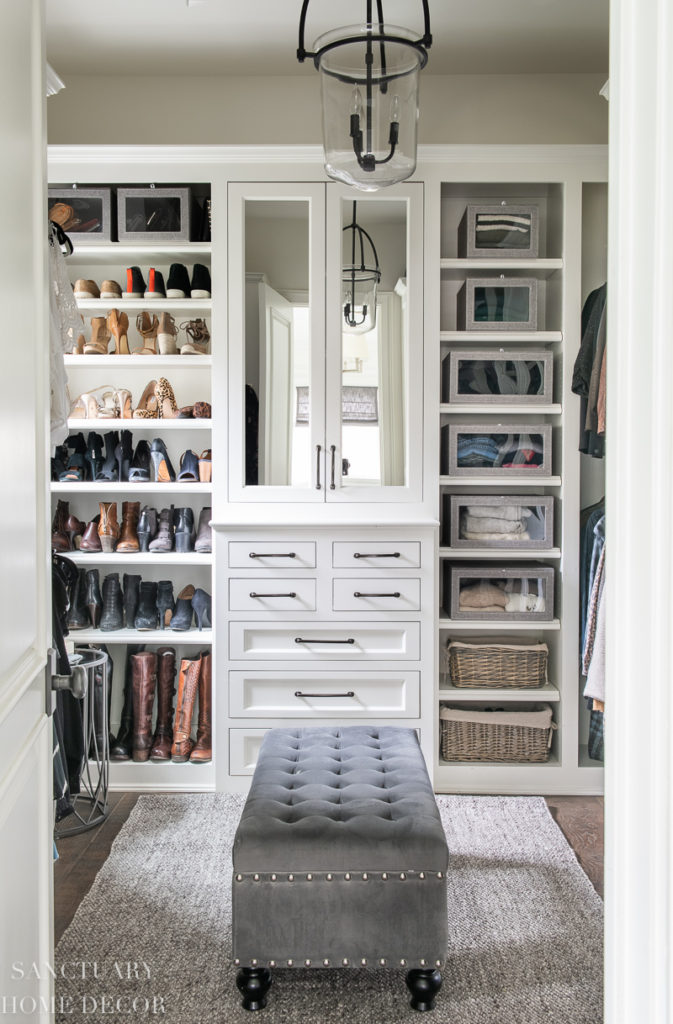
Organizing old clothes can make your storage space neat and accessible. A clear system saves time and prevents clutter. Proper organization also protects clothes from damage and keeps them fresh. Follow these simple tips to manage your old clothes effectively.
Sort By Season Or Type
Divide clothes into groups based on season or type. Keep summer wear separate from winter clothes. Group similar items like shirts, pants, or jackets together. This method helps find clothes quickly and keeps storage tidy.
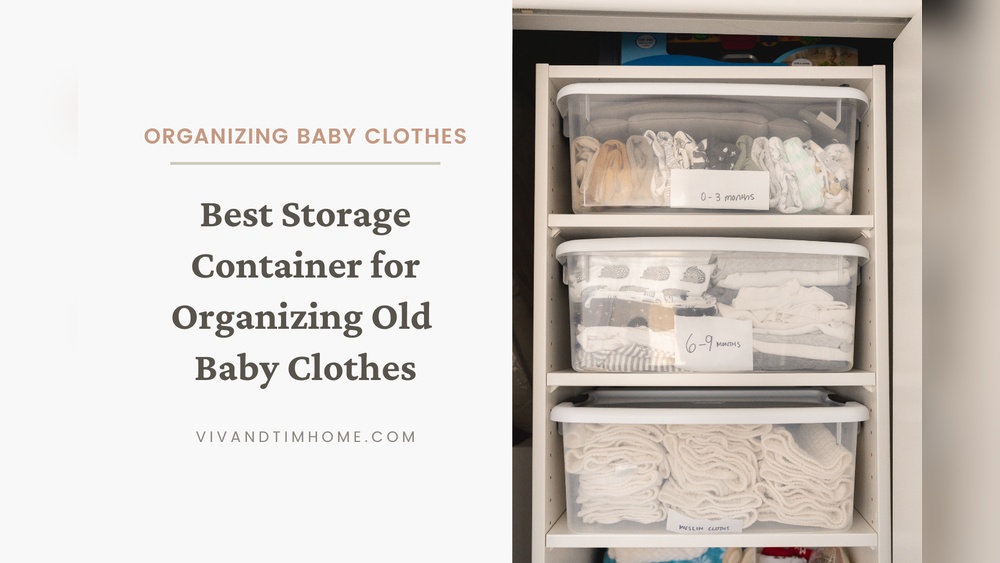
Label Storage Containers
Use labels on each container to know what is inside. Write clear and simple names like “Winter Sweaters” or “Summer T-Shirts.” Labels reduce the need to open every box and save time searching for items.
Rotate Stored Items Periodically
Check stored clothes every few months. Rotate items to avoid long-term pressure or wrinkles. This also helps spot any damage early. Rotation keeps clothes in good condition and ready to use.
Credit: sanctuaryhomedecor.com
Frequently Asked Questions
What Is The Best Way To Store Old Clothes?
Clean and dry clothes thoroughly before storing. Use breathable containers like non-airtight plastic bins or acid-free boxes. Add cedar or silica gel packets to prevent moisture and pests. Store in a cool, dry, dark place away from sunlight to maintain fabric quality and longevity.
What Is The 3 3 3 Rule For Clothes?
The 3-3-3 rule for clothes means keeping three sets of clothes, three days’ worth, and three types for easy rotation and minimal clutter.
What Is The 90 90 Rule For Decluttering Clothes?
The 90/90 rule for decluttering clothes means keeping only items worn in the last 90 days or planned to wear in the next 90 days. It helps clear out unused clothing and maintain a manageable wardrobe.
What Can I Use Instead Of A Closet For Hanging Clothes?
Use freestanding garment racks, wall-mounted hooks, over-the-door organizers, or portable wardrobes to hang clothes without a closet.
Conclusion
Old home clothes storage needs simple, smart steps. Clean clothes well before storing to avoid damage. Use breathable containers like fabric bags or acid-free boxes. Keep storage areas cool, dry, and dark to protect fabric. Add cedar or silica packets to keep pests away.
Organize by season or type for easy access later. This method saves space and keeps clothes fresh longer. Small changes make a big difference in old clothes care. Start today and enjoy a neat, well-kept wardrobe.