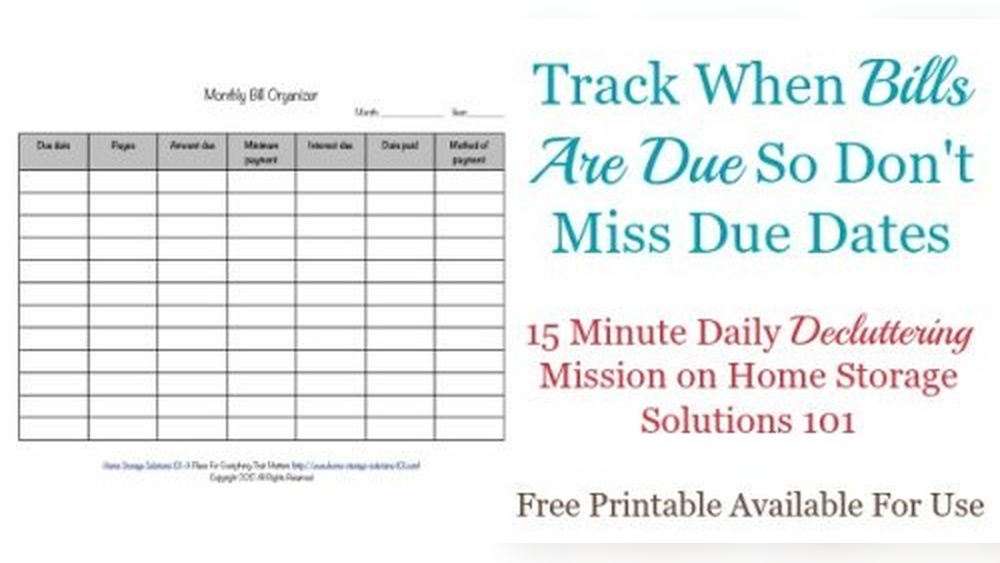

Are your monthly bills piling up in a messy drawer or scattered across your kitchen counter? Keeping track of payments can feel overwhelming, but it doesn’t have to be that way.
With the right monthly bill organizer and home storage solutions, you can take control of your finances and reduce stress. Imagine having a simple system that helps you sort, store, and find your bills quickly whenever you need them. Whether you prefer a physical organizer or smart digital tools, this guide will show you easy and effective ways to keep your bills organized at home.
Stick around to discover practical tips that will save you time, avoid missed payments, and help you feel more confident managing your money. Your journey to bill organization starts here!

Credit: worksheets.clipart-library.com
Choosing The Right Organizer
Choosing the right monthly bill organizer helps keep your home finances clear and stress-free. An effective organizer fits your lifestyle and budget. It makes bill tracking simple and quick. Consider your space, tech comfort, and organization style before picking one.
Physical Vs Digital Options
Physical organizers are folders, binders, or boxes. They hold paper bills, receipts, and notes. You can see everything at a glance. No need for batteries or apps. Digital options use apps or software. They store bills and reminders online. They send notifications to avoid late payments. Choose physical for hands-on sorting. Pick digital for easy access anywhere.
Top Rated Organizers
Popular physical organizers include Easy Comforts Dream Products and Christianbook.com Monthly Bill Paying Organizer. They offer sturdy design and clear sections. Digital favorites include Clever Fox Budget Planner and WalletHub. These apps provide tracking, budgeting, and alerts. Check reviews for ease of use and durability. Top-rated products suit many needs and budgets.
Customizable Features
Customizable features help tailor your organizer. Adjustable compartments suit different bill sizes. Labels and tabs keep sections clear. Digital apps allow personalized categories and reminders. Some let you link bank accounts for tracking. Customization keeps your system neat and efficient. It helps you find bills fast and avoid clutter.
Popular Organizer Brands
Choosing the right monthly bill organizer can simplify your home storage and financial routine. Several popular brands offer practical and affordable solutions to keep your bills neat and accessible. These organizers help you track payments, avoid late fees, and maintain a clutter-free space. Below are some trusted brands known for quality and ease of use.
Easy Comforts Dream Products
Easy Comforts Dream Products provide simple, budget-friendly bill organizers. Their designs focus on clear labeling and multiple compartments. This helps separate bills by due date or category. Many users appreciate its compact size, fitting well on desks or shelves. The affordable price makes it a popular choice for basic bill management.
Christianbook.com Monthly Organizer
The Christianbook.com Monthly Organizer combines function with inspiration. It includes sections for bills, notes, and reminders. Its sturdy construction ensures long-lasting use. This organizer is ideal for those who want a spiritual touch in their home office. It also offers ample space for keeping receipts and statements.
Clever Fox Budget Planner
The Clever Fox Budget Planner is more than just a bill organizer. It integrates budgeting tools with bill tracking. Users can plan expenses and monitor savings all in one place. Its sleek design and motivational quotes encourage consistent use. This planner suits those who want to manage both bills and budgets actively.
Jackcube Wood Desktop Organizer
JACKCUBE offers a stylish wood desktop organizer for bills and mail. It features multiple slots and drawers for sorting paperwork. The natural wood finish adds a warm, elegant look to any room. It is perfect for users who prefer a durable, attractive organizer that blends with home decor. This product supports both form and function effectively.
Diy Storage Solutions
DIY storage solutions provide a simple way to organize monthly bills at home. They save money and allow customization to fit your needs. Creating your own system helps keep bills tidy and easy to find.
These solutions can adapt to different spaces and budgets. Use common materials like binders, envelopes, and folders. Labeling is key to quick access and stress-free bill management.
Binder Systems
Binders offer a neat and flexible way to store bills. Use clear plastic sleeves to hold each bill or statement. You can organize bills by month or type inside the binder.
Add dividers to separate categories like utilities, credit cards, and subscriptions. This method keeps everything in one place and easy to flip through.
Envelope And Folder Methods
Envelopes and folders work well for sorting bills on a budget. Label each envelope with the bill type or month. Store paid and unpaid bills in separate envelopes.
Use a file box or drawer to keep the envelopes together. This method makes it easy to grab the right bill when needed.
Labeling Tips
Clear labels improve your DIY bill organizer’s efficiency. Use bold, readable fonts for labels on binders, envelopes, or folders. Include dates and bill types on each label.
Color coding helps separate categories visually. Use different colors for utilities, credit cards, and other bills. This system saves time and reduces confusion.
Tech Tools For Bills
Tech tools for managing monthly bills simplify your home storage solutions. These apps help track expenses, organize payments, and keep your budget in check. They reduce stress and save time by automating bill reminders and spending insights. Using technology for bill management makes your financial life clearer and more organized.
Each tool offers unique features to fit different budgeting styles. Explore popular apps that combine ease and smart functions for monthly bill organization.
Monarch Money Features
Monarch Money provides a clear overview of all your bills in one place. It tracks due dates and sends reminders so you never miss a payment. The app allows customizable budgets and goals. It also offers detailed reports to help you understand your spending habits better. Monarch’s simple interface suits users who want an easy, all-in-one bill organizer.
Ynab Budgeting Approach
YNAB stands for You Need A Budget, focusing on zero-based budgeting. It assigns every dollar a job to control spending and save money. YNAB helps you plan for future bills and avoid debt. It encourages users to adjust budgets based on real expenses. This approach suits people who want hands-on control over their monthly bills.
Wallethub Benefits
WalletHub combines bill tracking with credit monitoring and financial advice. It shows all your bills, credit scores, and accounts in one dashboard. The app offers personalized tips to improve your credit and save money. WalletHub supports goal setting and alerts to prevent late payments. It is ideal for users seeking a complete financial overview.
Rocket Money Ai Assistance
Rocket Money uses artificial intelligence to analyze your bills and subscriptions. It identifies unwanted charges and suggests savings opportunities. The app automates bill payments and tracks your spending patterns. Rocket Money helps reduce bills by negotiating better deals. This tool fits users looking for smart, automatic bill management.
Pocketguard Budget Snapshot
PocketGuard gives a quick budget snapshot to show how much money remains after bills. It links to your bank accounts and categorizes expenses for easy tracking. The app alerts you before bills are due to avoid late fees. PocketGuard’s simple layout helps users maintain a balanced budget easily. It works well for those wanting fast insights on their finances.
Organizing Bills By Category
Organizing bills by category helps you manage your finances clearly and easily. Sorting bills into groups reduces stress and saves time. It also helps track spending habits and avoid missed payments. Using a monthly bill organizer for home storage keeps everything neat and accessible.
Fixed Vs Variable Expenses
Separate your bills into fixed and variable expenses. Fixed expenses stay the same each month, like rent or mortgage. Variable expenses change, such as utility or grocery bills. This division helps plan your budget better. You can see where to cut costs or save money.
Subscription Tracking
Track all your subscriptions in one place. Include streaming services, magazines, or apps you pay for regularly. Check each subscription’s cost and renewal date. Cancel any you no longer use. This keeps your spending under control and avoids surprise charges.
Due Date Scheduling
Schedule bills by their due dates to avoid late fees. Use a calendar or a bill organizer with date slots. Set reminders a few days before each bill is due. Paying bills on time improves your credit score and lowers stress. Organized due dates make monthly bill management simple and smooth.
Declutter Hacks
Decluttering your monthly bills and receipts saves space and reduces stress. Simple hacks help keep your home storage neat and organized. Clear systems make managing bills easier and faster.
Start by cutting down on the paper clutter. Move to digital tools to store your bills safely. Keep a regular habit of sorting and discarding old papers. These steps create a calm and tidy environment.
Minimizing Paper Clutter
Keep only important papers. Toss or shred duplicates and outdated bills. Use folders or trays to sort bills by month or type. Label each section clearly for quick access. Avoid piles on desks or counters.
Digitizing Receipts And Bills
Take photos of receipts and bills with your phone. Use apps to scan and store documents digitally. Back up files on cloud storage for safety. Digital copies reduce paper and make searching easy. You can access your bills anytime and anywhere.
Regular Maintenance Routines
Set a weekly or monthly time to review your bills. File or delete documents as needed. Check for unpaid or overdue bills to avoid late fees. Keep your organizer clean and updated. Small routines prevent clutter build-up over time.
Home Storage Ideas
Organizing bills at home can be simple and neat with smart storage ideas. A well-arranged space reduces stress and saves time. Using the right tools helps keep your bills visible and easy to find. Choose solutions that fit your space and style. Below are some great home storage ideas for monthly bill organizers.
Desktop Organizers
Desktop organizers keep your bills close while you work. They often have slots for different bill types. You can sort by due dates or categories. Clear labels make it easy to spot what you need. A tidy desk helps you focus and pay bills on time.
Wall-mounted Solutions
Wall-mounted organizers save desk space and stay visible. Use pockets or small shelves to hold bills and reminders. Mount near your workspace or entryway for quick access. These solutions keep your papers off counters and floors. They help maintain a clutter-free home environment.
Drawer Inserts
Drawer inserts organize bills inside a drawer neatly. Dividers create sections for each month or bill type. This keeps papers flat and protected from damage. Inserts prevent bills from mixing with other items. You can open the drawer and find bills instantly.
Portable Organizers
Portable organizers are perfect for those on the move. They come with handles or zippers to keep bills secure. Take them to meetings, the bank, or anywhere you need. These organizers often have multiple compartments for cards and receipts. They make bill paying flexible and hassle-free.
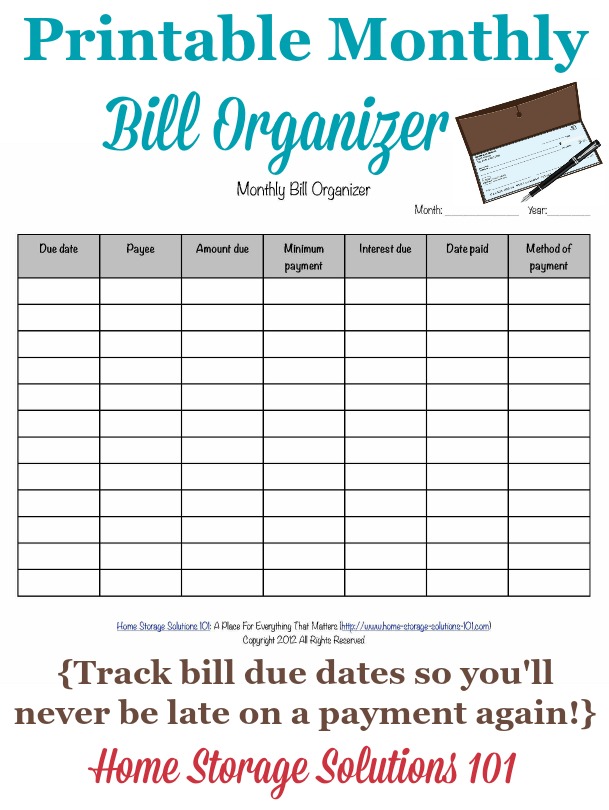
Credit: www.home-storage-solutions-101.com
Budgeting With Organizers
Organizing your bills helps control your budget and reduce money stress. Using a monthly bill organizer can make budgeting easier and clearer. It keeps all payment details in one place for quick review. This simple step helps manage finances smarter every month.
Tracking Payments
Keep a record of every bill payment you make. An organizer lets you mark paid and unpaid bills. This prevents missed payments and late fees. You can see due dates and amounts at a glance. Tracking payments helps maintain a steady cash flow and good credit.
Setting Financial Goals
Use your bill organizer to plan financial goals. Write down goals like paying off debt or saving for a trip. Organizers help you break down these goals into monthly targets. This keeps goals realistic and achievable. Seeing progress in your organizer motivates you to stay on track.
Using Organizers For Savings
Organizers are great for setting aside money each month. Create sections for emergency funds or special purchases. Track how much you save and adjust as needed. This habit builds a safety net and avoids financial surprises. Saving regularly becomes easier with a clear plan in your organizer.
Sharing Bills With Family
Sharing bills with family can simplify household finances and reduce stress. It helps keep everyone aware of due dates and amounts. Organized bill sharing ensures payments are made on time. It also prevents confusion and missed bills. Choosing the right method makes the process smooth for all members.
Using Apps For Split Payments
Apps make splitting bills easy and fast. Each family member sees their share instantly. Apps like Splitwise or Venmo track who paid what. Notifications remind users about upcoming bills. Digital records help avoid arguments over money. Using apps keeps everything transparent and organized.
Physical Organizers For Shared Spaces
Physical bill organizers work well in shared homes. Keep them in a common area like the kitchen. Use folders or binders labeled by month or bill type. This visible system reminds everyone to check bills. It also holds receipts and payment proofs. A simple organizer reduces clutter and confusion.
Communication Tips
Clear communication is key when sharing bills. Hold regular family meetings to discuss finances. Agree on who pays which bills and when. Share updates if payment plans change. Encourage honesty about money problems early on. Good communication builds trust and avoids misunderstandings.
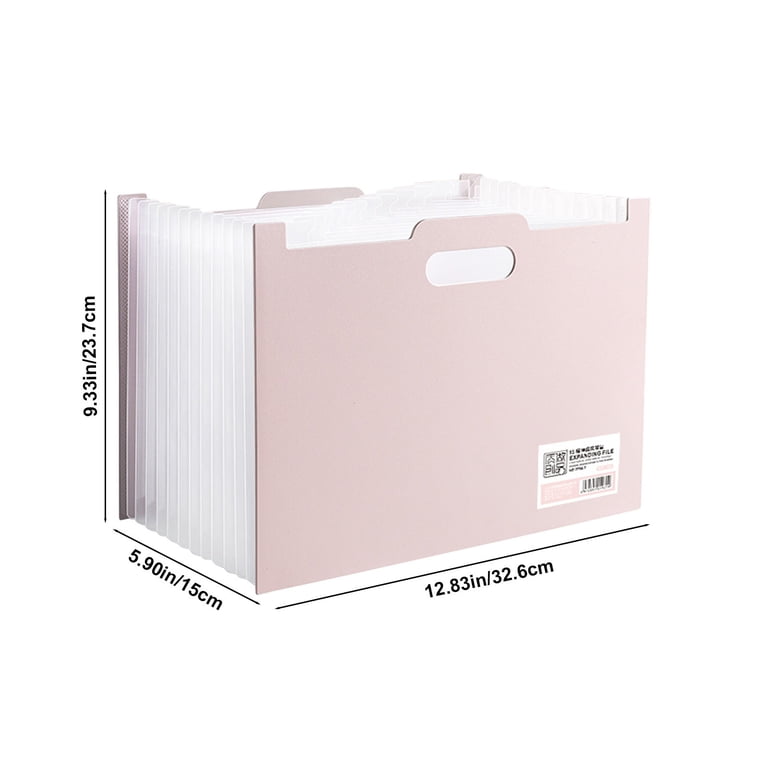
Credit: www.walmart.com
Frequently Asked Questions
What Is The Best Bill Organizer?
The best bill organizer varies by need. Monarch Money offers customizable budgeting. YNAB supports zero-based budgeting. WalletHub tracks bills and credit. Rocket Money uses AI for bill analysis. PocketGuard shows clear budget snapshots. Physical binders or spreadsheets suit manual tracking.
How Do I Manage All My Bills In One Place?
Use a bill organizer app or a physical planner to track all bills in one place. Sync accounts for real-time updates. Set reminders to avoid late payments. Choose tools like Monarch Money or WalletHub for comprehensive management and budgeting. Keep digital or printed records for easy access.
What Is The Best Way To Organize Bills?
Organize bills by using a digital app like Monarch Money or YNAB for tracking and budgeting. Alternatively, use a physical binder with labeled folders. Regularly sort bills by due date and pay promptly to avoid late fees. Choose a method that fits your lifestyle and keeps finances clear.
Can I Pay Someone To Manage My Bills?
Yes, you can hire someone to manage your bills. Professional bill managers organize payments, track due dates, and ensure timely payments efficiently.
Conclusion
Organizing monthly bills helps reduce stress and saves time. Choose a storage solution that fits your space and needs. Keep bills in one place for easy access and tracking. Regularly updating your organizer prevents missed payments and late fees. Simple tools like folders or binders work well for many homes.
Consistency is key to staying on top of finances each month. Start small and improve your system over time. A clear bill organizer supports better money management daily.