
Feeling overwhelmed by all your stuff but stuck in a small space? You’re not alone.
When every inch counts, organizing can seem impossible. But what if you could turn your cluttered area into a calm, efficient haven without tossing everything out? You’ll discover simple, practical ways to maximize your space and keep your belongings under control.
Ready to reclaim your home and enjoy the freedom of a well-organized small space? Let’s dive in and make it happen together.
Maximize Vertical Space
Maximizing vertical space is key in a small room with many items. It frees floor area and keeps things tidy. Using walls and doors creates extra storage without clutter. Clever use of vertical space can make your room feel larger and more organized.
Install High Shelves
High shelves use wall space near the ceiling. They store items you don’t need daily. Place boxes, books, or decorative baskets there. This keeps the floor and lower walls free. Use a step stool to reach these shelves safely.
Use Over-the-door Organizers
Over-the-door organizers hold many small items. Hang them on closet or room doors. Perfect for shoes, accessories, or cleaning supplies. They save drawer space and keep items visible. Choose organizers with pockets or hooks for versatility.
Add Wall-mounted Hooks And Racks
Hooks and racks attach to walls for hanging things. Use them for bags, coats, or kitchen tools. This keeps surfaces clear and items easy to grab. Arrange hooks in groups or rows for better use. Wall-mounted racks can hold spices, towels, or hats.
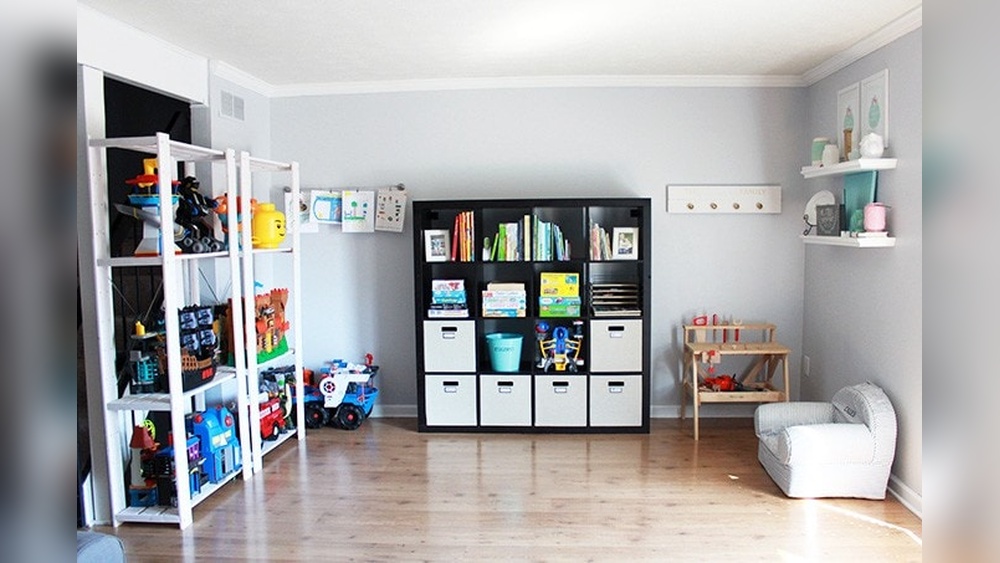
:strip_icc()/cubby-storage-bins-cabinet-3ymwhSAWq0bAYqDUCqATFB-55faa8ba46394cfbb5a5480381ab6008.jpg)
Credit: www.bhg.com
Choose Multi-functional Furniture
Choosing multi-functional furniture is a smart way to organize a small space filled with many items. These pieces serve more than one purpose, saving space and reducing clutter. They help keep your room tidy and make daily living easier. Using furniture that offers storage or transforms into something else means fewer items crowding your home.
Storage Ottomans And Benches
Storage ottomans and benches provide a place to sit and hide your belongings. Inside, you can keep blankets, toys, or books out of sight. They fit well in living rooms, bedrooms, or entryways. These pieces add comfort and organization without taking extra space.
Sofa Beds And Fold-out Furniture
Sofa beds and fold-out furniture offer seating and sleeping options in one. Perfect for small rooms or guest areas, they save space by combining two needs. During the day, use them as couches. At night, fold them out to create a bed.
Tables With Hidden Compartments
Tables with hidden compartments store items like remote controls, magazines, or craft supplies. They keep surfaces clear and your essentials close by. These tables work well in living rooms or home offices. They provide extra storage without adding clutter.
Create Defined Zones
Creating defined zones is essential for organizing a small space filled with many items. Zones help separate different activities and keep clutter under control. This method makes the room feel larger and more functional.
By dividing the area, you can focus on one task at a time. Each zone gets its own storage and setup. This approach reduces mess and saves time looking for things.
Separate Areas By Activity
Designate specific spots for each activity in your space. For example, create a work zone with a desk and office supplies. Set up a reading nook with a comfortable chair and books. Keep hobbies or crafts in one corner with all tools ready.
This separation helps your brain switch between tasks. You avoid mixing items that belong to different uses. It also keeps mess from spreading across the entire room.
Use Rugs And Screens
Rugs can define zones visually and add comfort. Place a rug under your seating area or workspace to mark its boundary. Screens or room dividers create physical barriers without walls.
These elements break up open spaces into smaller parts. They give each zone its own identity. Screens are easy to move and adjust as needed.
Label Storage Spaces
Labeling shelves, boxes, and bins makes finding items easier. Use clear labels or tags with simple words or pictures. This helps everyone in the home know where things belong.
Labels encourage putting things back in the right place. They reduce clutter by preventing random storage. This keeps your small space neat and orderly.
Optimize Closet Space
Closets often hold many items in a small area. Optimizing closet space helps keep everything neat and easy to find. Using smart solutions can increase storage without clutter. Organizing your closet well saves time and reduces stress.
Double-hang Rods
Double-hang rods add a second level for hanging clothes. This simple change doubles your hanging space instantly. Use the top rod for longer items and the bottom for shirts or pants. It keeps clothes visible and accessible. Installing double rods is affordable and easy.
Add Shelf Dividers
Shelf dividers keep stacks of clothes or accessories tidy. They prevent piles from toppling over and mixing together. Use dividers on shelves to separate sweaters, bags, or linens. This method keeps everything upright and easy to pull out. Shelf dividers create clear zones in your closet.
Use Hanging Organizers
Hanging organizers add pockets or shelves to your closet rod. They are perfect for shoes, scarves, or small items. These organizers use vertical space and reduce clutter on shelves. Choose fabric or plastic organizers with multiple compartments. Hanging organizers make use of every inch inside the closet.
Use Clear And Stackable Containers
Using clear and stackable containers helps organize a small space with many items. Clear containers let you see contents without opening them. This saves time and avoids mess. Stackable containers make use of vertical space and keep things tidy.
Label Containers Clearly
Labels help find items quickly. Use large, readable fonts for labels. Write the container’s contents or category. Place labels on the front or top of containers. This prevents opening every box to check inside.
Choose Uniform Sizes
Containers of the same size stack better. Uniform sizes create stable piles and save space. They look neat and organized. Avoid mixing large and small containers in one stack. This keeps stacks balanced and safe.
Stack Vertically To Save Space
Stack containers up instead of spreading out. Vertical stacking frees floor and shelf space. Use sturdy containers to support weight above. Keep heavy items at the bottom for safety. This method maximizes your storage area efficiently.
Utilize Underutilized Areas
Small spaces often feel crowded with many items. Using unused areas helps keep things tidy. These spots offer extra storage without taking floor space. Clever use of these areas frees room and reduces clutter. Focus on places others often miss to store more efficiently.
Under-bed Storage
The space under your bed is perfect for hidden storage. Use low, flat containers or rolling bins to slide items in and out easily. Store seasonal clothes, shoes, or extra bedding here. This keeps things out of sight but within reach. Choose containers with lids to protect against dust and dirt.
Space Above Doorways
Look up above doors for extra shelf space. Install a narrow shelf to hold books, decor, or small boxes. This area is usually empty and ideal for items you use less often. It draws eyes upward, making the room feel taller. Make sure shelves are secure and not too deep to avoid accidents.
Corners With Shelving
Corners often go unused but can hold shelves. Corner shelves fit snugly and offer vertical storage. Use them for plants, books, or storage baskets. This adds storage without blocking walkways. Choose open or closed shelves to match your style and needs.
Declutter Regularly
Decluttering regularly is essential for keeping a small space tidy and functional. It stops clutter from piling up and makes organizing easier. A small space quickly feels crowded without regular sorting and clearing out. By making decluttering a habit, you keep only what you truly need and use. This creates more room and a more peaceful environment.
Sort Items By Usefulness
Start by grouping items based on how often you use them. Keep daily essentials within easy reach. Store rarely used items in less accessible spots. Throw away or recycle broken or useless things. This simple step helps you focus on what really matters. It also frees up space for important belongings.
Donate Unwanted Items
Give items you no longer need a new home. Clothes, books, and gadgets can help others. Donating reduces clutter and supports those in need. Choose local charities or donation centers for easy drop-off. This process feels good and keeps your space clear.
Implement One-in-one-out Rule
Adopt the habit of removing one item for every new one you bring in. This rule stops clutter from growing over time. It encourages thoughtful buying and keeps your space balanced. Following this rule keeps your small area manageable and neat.

Credit: www.cubesmart.com
Incorporate Smart Storage Hacks
In small spaces filled with many items, smart storage hacks make a big difference. They help keep things neat without clutter. Using clever tricks saves space and keeps items easy to find. These methods work well in any small room or apartment.
Magnetic Strips For Small Items
Magnetic strips hold metal objects like keys, scissors, or tools. Attach strips to walls or inside cabinets. This keeps small items off counters and tables. It also makes them easy to grab when needed. Magnetic strips are simple and save a lot of space.
Use Tension Rods For Vertical Dividers
Tension rods create extra storage by dividing vertical spaces. Place rods inside cabinets or shelves to separate items. Use them to hang spray bottles or cleaning cloths. They fit in narrow spaces and do not need tools to install. Tension rods keep things organized and visible.
Repurpose Everyday Objects
Turn common items into storage solutions. Use shoe organizers for small toys or craft supplies. Old jars can hold pens, buttons, or screws. Baskets and trays work well to group similar things together. Repurposing saves money and reduces waste while adding storage.
Maintain Easy Access
Maintaining easy access in a small space with many items helps keep your area neat and usable. It saves time and reduces frustration. Organize so you can reach what you need quickly. This approach makes your small space feel larger and more open.
Keep Frequently Used Items Visible
Place items you use daily where you can see them. Use clear containers or open shelves for quick spotting. Avoid hiding these essentials in deep drawers or closed cabinets. This way, you grab what you need fast. It also reminds you to put things back in their place.
Use Rolling Carts
Rolling carts add flexible storage in tight spaces. Move them to where you need extra surface or storage. They work well for kitchen tools, craft supplies, or office materials. When not in use, tuck them away easily. This keeps your space tidy and items accessible.
Create Grab-and-go Stations
Set up small zones for quick access to key items. For example, a station by the door for keys, bags, and mail. Or a charging spot for phones and gadgets. Keep these stations simple and organized. They help you stay ready and reduce clutter buildup.

Credit: justagirlandherblog.com
Frequently Asked Questions
What Is The 12 12 12 Rule For Decluttering?
The 12 12 12 rule for decluttering means finding 12 items to throw away, 12 to donate, and 12 to keep. This method simplifies decisions and speeds up organizing.
How To Fit A Lot Of Stuff In A Small Room?
Use vertical shelves and double-hang closets to maximize space. Choose multipurpose furniture and store items under beds. Utilize door backs and corners with organizers. Declutter regularly and create zones for better organization.
What Is The 50% Rule For Clutter?
The 50% rule for clutter means keeping only half of your belongings. It helps reduce mess and simplifies organizing small spaces.
What Is The 1/3/5 Decluttering Rule?
The 1/3/5 decluttering rule guides you to discard 1 item today, 3 items this week, and 5 items this month. It simplifies gradual decluttering.
Conclusion
Organizing a small space with many items takes patience and smart planning. Use every inch wisely, including walls and corners. Choose storage that fits your needs and space size. Keep only what you truly use or love to reduce clutter.
Regularly tidy up to maintain order and comfort. Small spaces can feel bigger and calmer with good organization. Start simple, stay consistent, and enjoy your neat, cozy home.