Is your small home office feeling cramped and cluttered? You’re not alone.
When space is limited, organizing your workspace can seem like a big challenge. But imagine turning that tiny area into a neat, efficient spot where everything you need is right at your fingertips. With smart ideas and simple tricks, you can transform your small home office into a place that boosts your focus and productivity.
Keep reading to discover easy, practical ways to organize your space—so you can work smarter, not harder, every single day.
Space-saving Furniture
Space-saving furniture transforms small home offices by maximizing every inch. It offers practical solutions without crowding the room. Choosing the right pieces helps maintain comfort and efficiency. Small spaces benefit most from designs that fold, mount, or compact easily.
These furniture types keep your workspace neat and organized. They create room for movement and reduce clutter. With smart furniture, even the smallest office can feel open and inviting.
Wall-mounted Desks
Wall-mounted desks attach directly to the wall, saving floor space. They free up the area beneath for storage or legroom. Many models fold up when not in use, keeping the room clear. These desks suit small rooms and tight corners perfectly. Installation is usually simple and does not require much space.
Fold-away Tables
Fold-away tables collapse flat against the wall or under other furniture. They provide a work surface only when needed. This feature makes the office flexible and easy to adapt. Fold-away tables help keep the room open and tidy. Choose lightweight materials for easier handling and movement.
Compact Seating Options
Compact seating fits comfortably without overwhelming the space. Look for slim-profile chairs or stools that tuck under desks. Ergonomic designs support long hours without taking much room. Rolling stools or stackable chairs add versatility to small offices. Proper seating balances comfort with space efficiency.
:strip_icc()/Officestorage-6GfLgOv4ag99sUg9PuL9xQ-698f3cd479e94d4797a3f755b2a2a369.jpeg)
Credit: hrumch.com
Vertical Storage Solutions
Vertical storage solutions make the most of your small home office space. They use wall space to keep your desk clear. This creates a neat, open workspace. Vertical storage helps you organize supplies within easy reach. It also adds style and personality to your office.
Floating Shelves
Floating shelves attach directly to the wall. They hold books, files, and decor without taking floor space. You can place them above your desk or along empty walls. These shelves keep items visible and easy to grab. Choose sturdy shelves that fit your room’s style.
Pegboards For Supplies
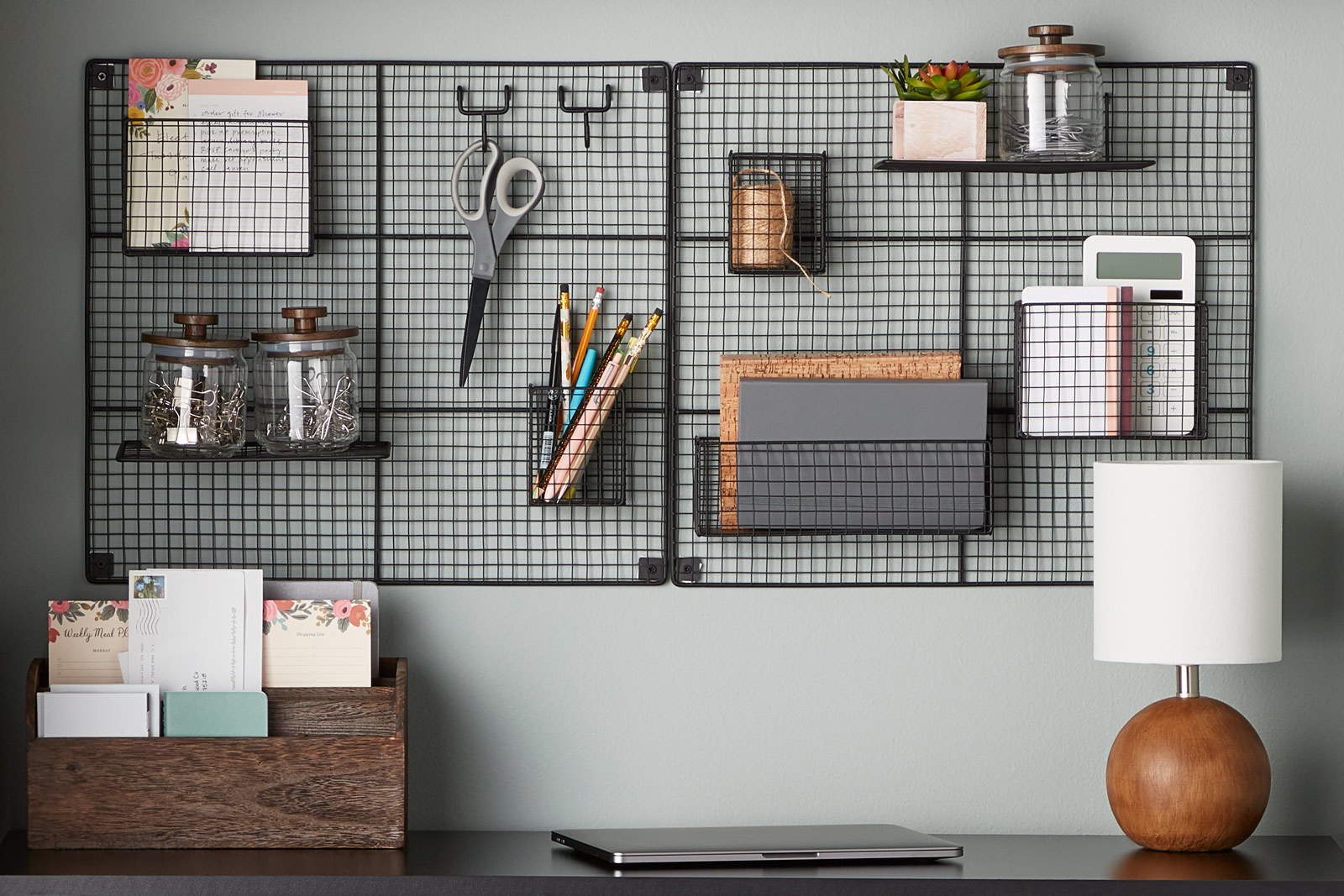
Pegboards are great for organizing small office tools. Hang scissors, pens, and cables on hooks. You can rearrange hooks as your needs change. Pegboards keep your desk tidy by storing items vertically. They also add a creative look to your workspace.
Corner Shelves
Corners often go unused in small offices. Corner shelves fit snugly into these spaces. Use them to store books, plants, or office gadgets. These shelves make the most of awkward areas. They keep your office organized without crowding the room.
Desk And Drawer Organization
Organizing your desk and drawers creates a neat and productive workspace. A tidy desk helps you find essentials quickly. It also reduces stress and distractions. Small home offices benefit greatly from smart organization techniques.
Using the right tools and furniture maximizes every inch. Simple solutions make a big difference in limited space. Focus on organizing drawers and desk surfaces to keep clutter at bay.
Drawer Dividers
Drawer dividers separate items and keep them in place. They prevent pens, papers, and tools from mixing together. Adjustable dividers fit any drawer size perfectly. Use them to store small items neatly and save time searching.
Clear or labeled dividers improve visibility and access. They create specific sections for office supplies. This system reduces mess and keeps everything within reach. Drawer dividers transform chaotic drawers into organized storage.
Desk Organizers
Desk organizers hold frequently used items for easy access. Pen cups, trays, and file holders keep the desktop clean. Choose compact organizers to fit small desks without crowding. Vertical organizers save space by stacking items upward.
Use trays for papers and sticky notes. Pen holders keep writing tools upright and visible. Desk organizers help maintain a tidy surface and boost focus. They create a calm, efficient workspace by reducing clutter.
Multi-functional Furniture
Multi-functional furniture combines storage and work surfaces. Desks with built-in drawers or shelves save space. Foldable desks can be tucked away when not used. Storage ottomans or benches offer seating and hidden compartments.
This furniture type maximizes space in small offices. It reduces the need for extra storage units. Choosing pieces that serve more than one purpose keeps your office neat. Multi-functional furniture is key to smart small space design.
Credit: www.containerstore.com
Cable Management
Managing cables in a small home office is essential for a neat workspace. Tangled cords create clutter and distraction. A clean desk improves focus and productivity. Proper cable management keeps cords organized and easy to access. It also prevents damage to wires and devices. Simple tools and smart placement help control cables effectively.
Cable Organizers
Cable organizers come in many shapes and sizes. Use clips to hold cables along desk edges. Velcro straps bundle multiple cords together. Cable sleeves hide several wires in one neat cover. Under-desk trays keep cables off the floor. Choose organizers that fit your desk style and cable quantity. These tools reduce tangling and make cleaning easier.
Hidden Wiring Tips
Hiding wires creates a clean, distraction-free office look. Attach cables under the desk with adhesive clips. Use cable raceways to run wires along walls. Hide power strips behind furniture or inside drawers. Label cables to quickly identify each wire. Keep cords away from foot traffic to avoid damage. These tips make your small office appear larger and more organized.
Decluttering Strategies
Decluttering is the first step to organizing a small home office space. It clears the area and creates room for essential items. A tidy workspace helps improve focus and productivity. Simple strategies make this task easier and faster.
Sorting And Removing Unused Items
Start by sorting your office items into categories. Separate what you use daily from what you rarely touch. Remove broken or outdated supplies. Donate or recycle items you no longer need. Keep only what supports your work.
Returning Items To Proper Places
Put each item in its designated spot. Use drawers, shelves, or storage bins for organization. Label containers to find things quickly. Returning items after use keeps the space neat. This habit prevents clutter from building up again.
Setting Timers For Focus
Set a timer for short decluttering sessions. Work in 15 to 20-minute intervals to stay focused. Take breaks between sessions to avoid feeling overwhelmed. Timers help maintain energy and make the task manageable. Repeat sessions until the area is clear.
Optimizing Small Areas
Optimizing small areas in a home office creates a more efficient workspace. It helps reduce clutter and improve focus. Smart use of limited space boosts comfort and productivity. Every inch counts, so design your office with care. Small adjustments make a big difference.
Choosing Manageable Zones
Divide your office into small, clear zones. Assign each zone a specific task or purpose. For example, one zone for your computer and another for paperwork. Keep only items you need in each zone. This method keeps things tidy and easy to find. Focus on one zone at a time to avoid feeling overwhelmed.
Using Corners And Small Nooks
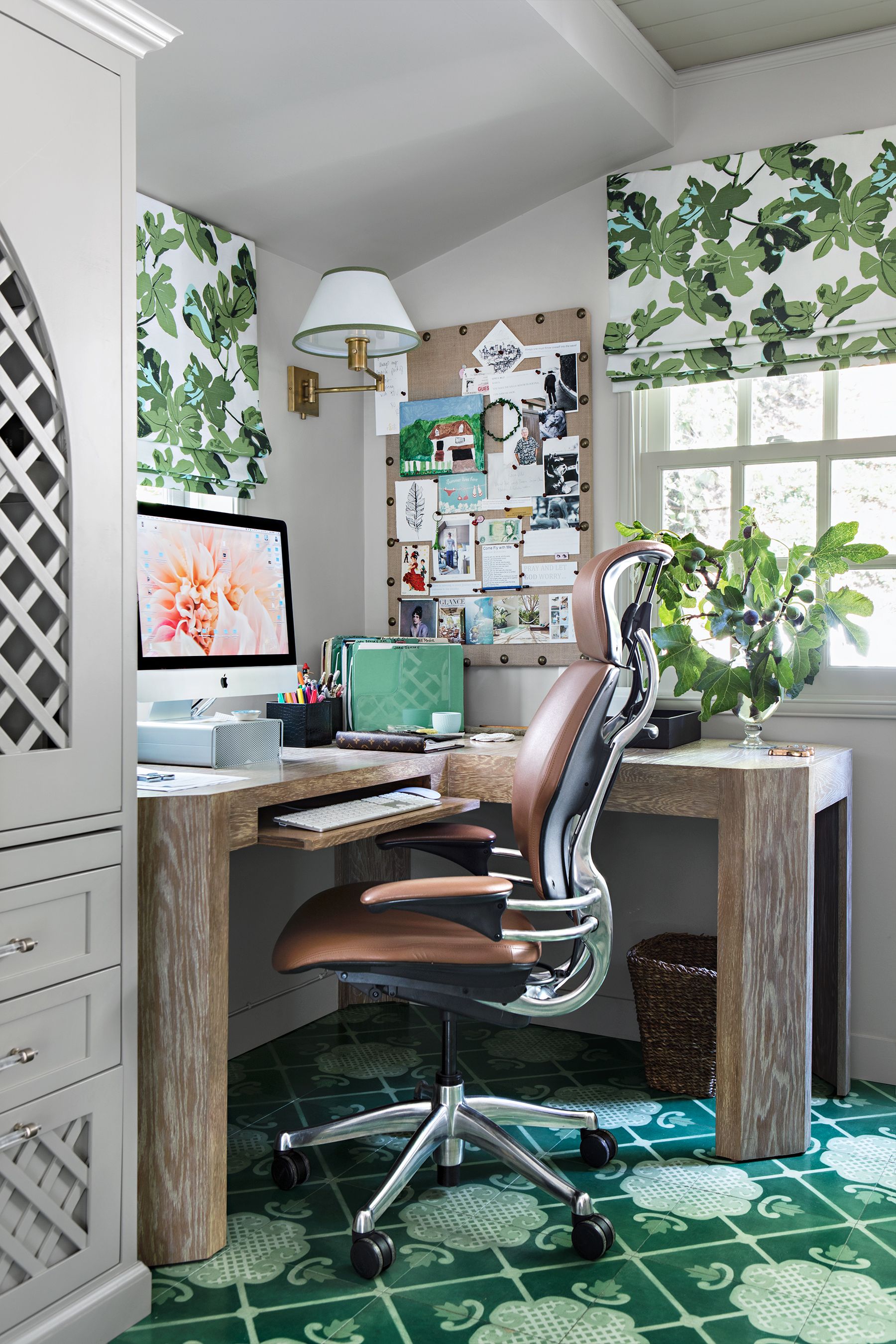
Corners and nooks often go unused in small offices. Fit a desk or shelf into these spots to save space. Use vertical storage like wall shelves or pegboards in corners. Small nooks can hold supplies or files within arm’s reach. Lighting these areas well makes them inviting. These hidden spaces add valuable storage without crowding.
Minimalist Design Choices
Minimalist design choices help make small home office spaces feel larger and less cluttered. They focus on simplicity and functionality. This style keeps the room neat and easy to work in.
Choosing the right colors, furniture, and keeping surfaces clear improves both comfort and productivity. These small changes create a calm and inviting workspace.
Light Color Palettes
Light colors make a room look bigger and brighter. Shades like white, beige, or soft pastels reflect light well. This creates an open feeling in a small office.
Using light colors on walls and furniture reduces visual clutter. It helps your mind stay focused and calm during work hours.
Transparent Furniture
Transparent furniture, like glass desks or acrylic chairs, takes up less visual space. It lets light pass through, making the room feel airy.
This furniture style blends easily with any décor. It prevents the space from feeling crowded or heavy.
Keeping Surfaces Clear
Clear surfaces create a tidy and organized look. Avoid piling papers or gadgets on your desk.
Use storage boxes or drawers to keep items out of sight. A clean desk helps reduce distractions and boosts work focus.
Maintaining Efficiency
Maintaining efficiency in a small home office is crucial for productivity. A well-organized space helps you focus and reduces stress. Small offices can get messy quickly, so keeping them tidy is key. Simple habits keep your workspace neat and make work easier.
Regular Tidying Routines
Set a daily or weekly time to tidy your office. Clear your desk of unnecessary items at the end of each day. Put away papers, pens, and other supplies in their proper places. Wipe down surfaces to keep the area clean and fresh. Regular tidying prevents mess from building up and keeps your mind clear.
Avoiding Clutter Buildup
Only keep items that you use often in your office. Avoid storing things “just in case” they might be needed later. Use storage boxes or drawers to hide supplies you don’t use daily. Throw away or recycle papers you no longer need. When new items enter your office, remove something old to keep clutter low.
Credit: hrumch.com
Frequently Asked Questions
What Is The 10 10 10 Rule For Decluttering?
The 10 10 10 rule for decluttering means deciding to keep, donate, or discard items within 10 seconds each. This speeds up decision-making and reduces clutter efficiently.
How To Maximize Space In A Small Home Office?
Maximize space by using wall-mounted shelves and pegboards. Declutter with organizers and drawer dividers. Choose multi-functional furniture like rolling carts or desks with built-in storage. Manage cables neatly and keep the design minimalist with light colors and transparent pieces to create an open, efficient workspace.
What Is The 12 12 12 Rule For Decluttering?
The 12 12 12 rule for decluttering means finding 12 items to throw away, donate, and relocate. It simplifies organizing by focusing on manageable steps.
What Are The 4 C’s Of Decluttering?
The 4 C’s of decluttering are: Categorize, Commit, Clear, and Continue. Categorize items, commit to decisions, clear clutter, and continue maintaining order.
Conclusion
Organizing a small home office boosts focus and efficiency. Use vertical space smartly with shelves or pegboards. Keep only necessary items on your desk. Regularly tidy up to maintain a neat workspace. Small changes create a big difference in your comfort.
A well-organized office helps you work better every day. Try these simple steps and enjoy your improved space.