
Feeling overwhelmed by clutter and searching for easy ways to regain control of your space? You’re not alone.
Whether it’s a crowded closet, a chaotic kitchen drawer, or a messy living room shelf, finding smart home storage solutions can transform your daily life. Imagine opening your cabinets and instantly knowing where everything is—or having more room to breathe and relax in your own home.
This guide, Home-Storage-Solutions-101, will show you simple, practical steps to organize your space effectively. Ready to discover storage hacks that actually work for you? Let’s dive in and turn your home into the organized haven you deserve.
Start Small
Starting small is the key to effective home storage solutions. It prevents overwhelm and builds momentum. Tackle one area at a time to see quick progress. This approach helps create lasting habits and keeps your space organized.
Focus On One Area
Pick a specific spot like a drawer, shelf, or corner. Working on a small area makes the task manageable. You can finish it faster and feel accomplished. This focus helps you stay organized and prevents distractions. Small wins lead to bigger changes in your home.
Remove Broken And Unused Items
Look for items that are broken, expired, or no longer useful. These things only take up space and create clutter. Toss, recycle, or donate them to clear the area. Removing these items makes room for things you actually use. Clean spaces feel fresh and calm.
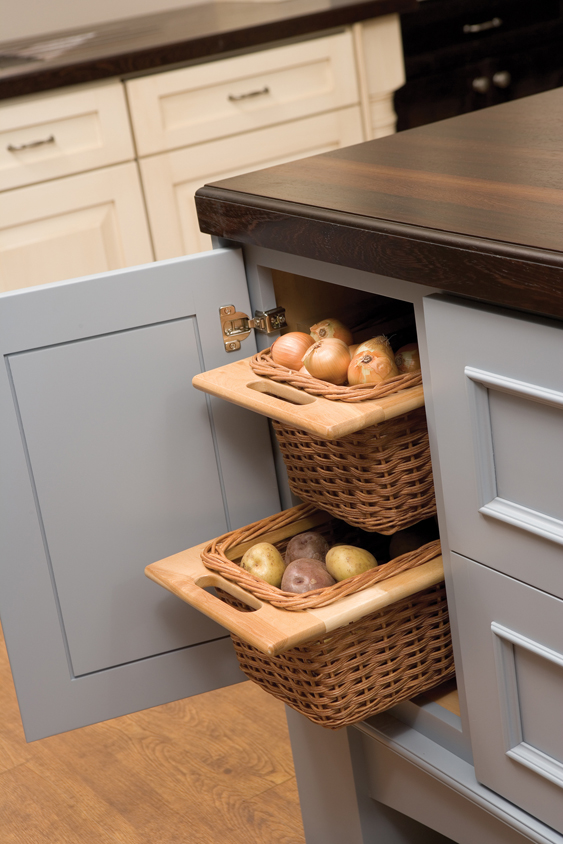
Credit: www.cardinalkb.com
Track Your Habits
Tracking your habits helps create efficient home storage solutions. It shows which items you use daily and which sit unused. This knowledge allows you to organize smarter and save space.
Start by observing your daily routines. Notice what you reach for often and what stays tucked away. Understanding your habits guides the storage choices you make.
Identify Frequently Used Items
Focus on items you use regularly. These need easy access and visible storage. For example, keep your daily shoes near the door. Store kitchen tools you use every day within arm’s reach. Items used often deserve prime spots.
By identifying these, you avoid clutter and wasted time. No more digging through piles to find essentials. Your space becomes practical and stress-free.
Evaluate Items By Purpose
Group items based on their function. Separate work tools from leisure items. Keep hobby supplies in one place and cleaning products in another. This makes finding things simple.
Ask yourself why you keep each item. Does it serve a clear purpose? If not, consider storing it elsewhere or letting it go. Purpose-driven storage leads to a neat, organized home.
Intentional Decluttering
Intentional decluttering means clearing your space with a clear purpose. It focuses on what you really need and use daily. This method helps create a calm, organized home. It also saves time when searching for items. The goal is to keep only what adds value to your life. Removing excess items frees up space and reduces stress.
Start by choosing one area to declutter. Look at what you use often and what just takes space. Ask yourself if an item brings joy or helps your daily routine. If not, it might be time to say goodbye. Intentional decluttering is about mindful decisions, not quick tossing.
Clothing
Sort your clothes by what you wear most. Keep favorites that fit well and feel comfortable. Remove anything torn, stained, or never worn. Donate or recycle old clothes to free up closet space. A smaller wardrobe makes dressing easier and faster.
Kitchen Tools
Check your kitchen for tools used regularly. Keep items that help with daily cooking. Store or give away gadgets you rarely touch. Clearing clutter in the kitchen creates more room to work. It also helps you find tools quickly when needed.
Digital Apps
Review apps on your phone and computer. Delete apps that you open rarely or never use. Keep only those that improve productivity or bring joy. Reducing digital clutter speeds up your devices. It also lowers distractions and keeps your focus clear.
Pack Up Method
The Pack Up Method is a simple way to clear clutter and organize your space. It helps you decide what to keep and what to store away. This method works well for busy homes and small spaces.
By packing up items you don’t use often, you create more room for daily essentials. It also gives you time to think about what you really need. The method can be repeated as often as needed to maintain order.
Choose A Starting Point
Pick one area to begin. It could be a drawer, shelf, or a corner of a room. Focusing on a small space makes the task easier. This helps prevent feeling overwhelmed.
Sort Items By Use
Look at each item and decide how often you use it. Keep what you use daily or weekly. Pack away items used less often. Toss broken or expired things.
Pack And Store
Place less-used items into labeled boxes or bins. Use clear containers for easy identification. Store these boxes in closets, under beds, or other out-of-the-way spots.
Review Regularly
Set a schedule to check packed items. Decide if you still need them or can donate or discard. This keeps clutter from building up again.
Smart Storage Choices
Smart storage choices bring order without crowding your space. They help keep things neat and easy to find. Using clever storage tools saves time and reduces stress. Small changes can make your home feel bigger and tidier. Here are some smart options to consider for any room.
Stackable Bins
Stackable bins use vertical space efficiently. Clear bins show what is inside at a glance. They keep items dust-free and easy to access. Use them in closets, garages, or kitchens. Label each bin to find things faster. These bins help group similar items together neatly.
Drawer Organizers
Drawer organizers divide space into small sections. They prevent clutter and keep items in place. Use them for utensils, office supplies, or makeup. Organizers make it simple to keep drawers tidy. They save time by reducing the need to search for things.
Multi-functional Furniture
Multi-functional furniture combines storage with everyday use. Beds with drawers or ottomans with hidden compartments are good examples. These pieces save floor space and add extra storage. Use them in living rooms, bedrooms, or entryways. They keep essentials close while hiding clutter.
Organize Vertically
Organizing vertically helps use wall and tall spaces well. It frees floor space and keeps items easy to reach. Vertical storage is ideal for small rooms or crowded areas. You see more items at a glance and reduce clutter.
Use Tall Shelves And Bookcases
Tall shelves make use of high walls. Store books, boxes, or decorations up high. This keeps things off tables and floors. Choose sturdy shelves that fit your room’s style. Add baskets or bins to group smaller items neatly.
Hang Hooks And Pegboards
Hooks and pegboards hold tools, bags, or kitchen utensils. Mount them on walls to save drawer space. Change hooks’ positions to fit your needs. Pegboards let you hang items of different sizes easily.
Stack Storage Bins And Boxes
Stackable bins use vertical space efficiently. Label each bin for quick identification. Store seasonal clothes, toys, or craft supplies inside. Clear bins help you see contents without opening.
Install Wall-mounted Cabinets
Wall cabinets keep items hidden but close. Use them in kitchens, bathrooms, or garages. They prevent mess and protect items from dust. Choose cabinets with doors or open shelves based on your preference.
Maintain Clutter-free Habits
Keeping your home clutter-free takes effort and good habits. It means regularly sorting items and deciding what stays or goes. These habits help keep your space neat and make your home feel calm and inviting.
Simple routines prevent mess from piling up. They also make cleaning easier and save time. Let’s explore how to maintain clutter-free habits with some helpful tips.
Ask Key Questions
Before keeping any item, ask yourself a few questions. Do I use this often? Does it bring me joy or serve a purpose? Is it in good condition? Can I find it easily when needed?
These questions help you decide which items add value to your life. Items that don’t pass these tests usually create clutter. Be honest in your answers to keep only what truly matters.
Regular Decluttering Challenges
Decluttering can feel hard or overwhelming. Old habits or emotional attachments may slow you down. Set small goals like clearing one drawer or shelf at a time to avoid stress.
Try to schedule decluttering sessions weekly or monthly. Consistent effort stops clutter from growing. Remember, it’s a process. Celebrate small wins to stay motivated.
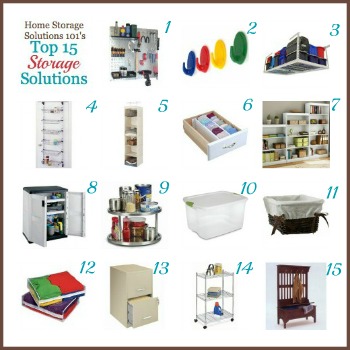
Credit: www.home-storage-solutions-101.com

Credit: www.amazon.com
Frequently Asked Questions
What Is The 12-12-12 Rule For Decluttering?
The 12-12-12 rule declutters by finding 12 items to donate, 12 to toss, and 12 to relocate. It speeds organization and clears space efficiently.
What Is The 5 Year Rule For Decluttering?
The 5-year rule for decluttering means removing items unused for five years. It helps free space and keep only valuable belongings.
What Is The 50% Rule For Clutter?
The 50% rule for clutter suggests keeping only half of your belongings to reduce mess. It helps prioritize useful items and clear space efficiently.
What Is The 80/20 Rule For Decluttering A House?
The 80/20 rule for decluttering means keeping 20% of items you use most and removing 80% that are rarely needed. This focuses on essentials, freeing space and simplifying your home.
Conclusion
Effective home storage starts with small, simple steps. Focus on areas that need the most help first. Remove items that no longer serve a purpose. Keep only what you use regularly. Use containers and shelves to keep things neat. Regularly revisit your system to maintain order.
Organized spaces create peace and save time daily. Start today and enjoy a clutter-free home tomorrow.


