
Is your workspace feeling cramped and cluttered? When every inch counts, keeping your files organized can feel like an impossible task.
But what if you could turn your small work area into a model of efficiency and calm with just a few smart strategies? Imagine finding the document you need in seconds, having your desk clear and inviting, and boosting your productivity without expanding your space.
You’ll discover simple, practical tips tailored specifically for small workspaces that will transform how you organize your files. Ready to reclaim your workspace and focus on what truly matters? Let’s get started!
Space-saving Storage
Space-saving storage is essential for small workspaces. It helps keep files organized without cluttering your area. Efficient storage solutions create a neat, productive environment. Smart storage maximizes every inch of your workspace.
Vertical Filing Solutions
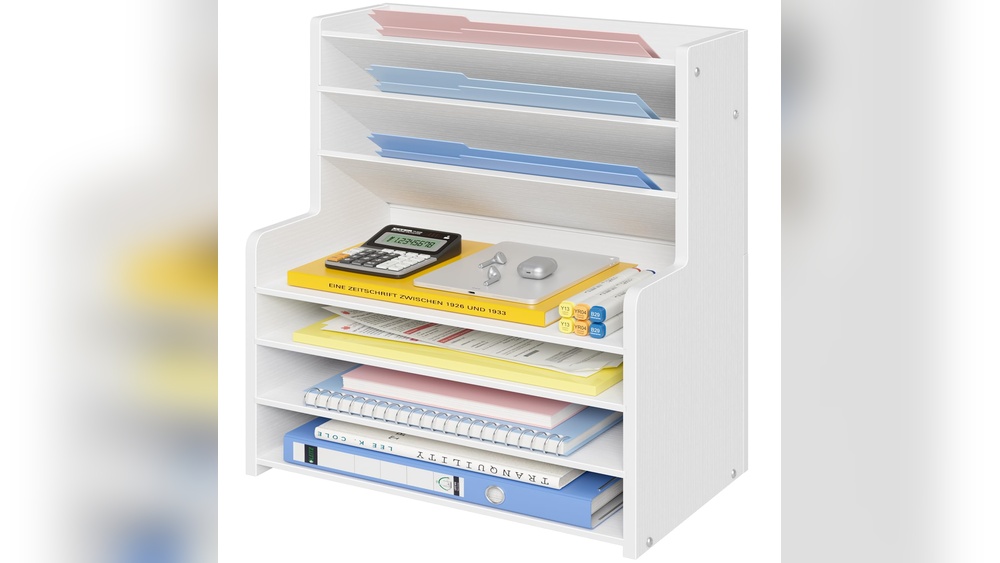
Vertical filing saves floor space by using height. File holders stack papers upright, easy to access and sort. Wall-mounted vertical files clear desk surfaces and keep documents visible. Use vertical trays for quick sorting of daily paperwork.
Compact Filing Cabinets
Compact filing cabinets fit into tight spots under desks or corners. They store important files securely while taking little space. Choose cabinets with wheels for easy movement. Small drawers help separate files and supplies neatly.
Under-desk Storage Options
Under-desk storage makes use of unused space beneath your work surface. Sliding drawers or small shelves keep files within reach but out of sight. This keeps the desk clear for work and reduces clutter. Look for slim, sturdy designs that fit your desk size.

Credit: www.amazon.com
Decluttering Techniques
Decluttering is key to organizing files in small workspaces. It frees up space and makes finding documents easier. Using simple techniques helps keep your area neat and productive.
Start by sorting what you have. Decide what to keep and what to remove. Then, use digital tools to save space. Finally, keep your system fresh with regular checks. These steps help maintain order and reduce stress.
Sorting And Prioritizing Files
Begin by grouping files into categories. Separate important papers from less critical ones. Use labels or color codes for easy identification. Prioritize files you use often. Store them within reach. Archive old files to save desk space.
Digitizing Documents
Scan papers to create digital copies. Store files on your computer or cloud. This reduces physical clutter significantly. Use clear file names for quick search. Back up files regularly to avoid loss. Digital documents save space and improve access speed.
Regular Maintenance Routines
Set a weekly or monthly time to review files. Remove outdated or unneeded documents. Reorganize files to keep order. Keep your workspace clean and tidy. Consistent maintenance prevents clutter buildup. It ensures your small workspace stays efficient.
Smart Labeling
Smart labeling transforms small work spaces by making file organization simple and effective. It helps find documents fast, saving time and reducing clutter. Proper labels keep everything clear and easy to access.
Using smart labeling methods improves workflow and keeps your space neat. It creates a system that anyone can follow. This section explores easy labeling ideas to boost your file organization.
Color-coding Systems
Color-coding uses different colors to group files by type or priority. Assign a color for each category, like red for urgent or blue for finance. It makes spotting files quick and reduces search time.
Colored folders or labels make your system visible at a glance. Use bright, distinct colors to avoid confusion. Keep the color scheme simple to remember and follow.
Clear And Consistent Labels
Labels should be easy to read and uniform across all files. Use large, bold fonts and avoid fancy styles. Clear labels prevent mistakes and speed up file retrieval.
Write labels with simple words and short phrases. Place labels in the same spot on every file for consistency. This habit trains your eyes to locate files faster.
Label Maker Tools
Label maker devices create neat, professional labels quickly. They offer various fonts, sizes, and symbols to suit your needs. These tools reduce handwriting errors and improve clarity.
Investing in a label maker saves time and enhances organization. Choose one that fits your budget and workspace size. It’s a smart step for maintaining an orderly file system.
Multi-functional Furniture
Multi-functional furniture transforms small workspaces into efficient, organized areas. It blends storage and utility, saving space and reducing clutter. This furniture type fits perfectly in tight spaces, making work easier and more comfortable.
Desks With Built-in Storage
Desks with built-in storage combine a workspace with handy compartments. Drawers, shelves, and cubbies hold files, stationery, and gadgets. This design keeps essentials close and your desk tidy. It reduces the need for extra furniture, saving room.
Shelving Units With Filing Capabilities
Shelving units with filing capabilities store documents and display items. Adjustable shelves fit binders and folders neatly. Some units include lockable drawers for private files. These shelves use vertical space, freeing floor area for movement.
Convertible Office Furniture
Convertible office furniture adapts to different needs quickly. Foldable desks turn into shelves or tables for extra space. Chairs with storage compartments hide office supplies. This furniture style suits changing tasks and small rooms perfectly.
Optimizing Desk Organization
Optimizing desk organization is essential for small workspaces. A tidy desk boosts focus and efficiency. It helps keep important items within reach. Creating an organized desk also reduces stress. You can work comfortably, even in limited space.
Using Desk Organizers
Desk organizers create designated spots for your tools. Use trays, holders, and small containers to sort items. Pens, paper clips, and sticky notes stay neat and easy to find. Vertical organizers save surface space by holding files upright. Choose organizers that fit your desk size and style.
Minimizing Paper Clutter
Paper clutter can quickly overwhelm a small desk. Sort papers daily to keep only what is necessary. Use folders or binders to group similar documents. Digitize important papers to reduce physical copies. Clear your desk of old or unused papers regularly. A clean surface improves your workflow and focus.
Cable Management Tips
Cables create visual and physical clutter on your desk. Use cable clips or ties to bundle cords together. Attach cables under the desk or along edges to keep them out of sight. Label cords to identify devices quickly. Wireless devices reduce the number of cables needed. Organized cables prevent tangles and make cleaning easier.

Credit: www.emilyley.com
Creative File Storage Ideas
Creative file storage ideas bring new life to small work spaces. Using simple items can help keep your files neat and accessible. These ideas save space and add charm to your office area. Organizing files does not have to be boring or bulky.
Using Baskets And Boxes
Baskets and boxes come in many sizes and styles. They keep files together and reduce clutter on desks. Choose baskets with handles for easy carrying. Stackable boxes help use vertical space wisely. Label each basket or box for quick file finding. They can be tucked under desks or on shelves.
Repurposing Household Items
Old jars, magazine holders, and shoe boxes work well for files. Use jars to hold pens and small notes. Magazine holders stand upright, perfect for folders. Shoe boxes store loose papers neatly inside drawers. Paint or cover items to match your decor. These items give files a second life and save money.
Decorative Storage Solutions
Decorative boxes and file holders add style to work areas. Choose colors and patterns that brighten your space. Wooden crates and metal bins offer a rustic or modern look. Add fabric liners to soft boxes for a cozy feel. Display files in a way that inspires and motivates. Storage can be both useful and beautiful.
Tools And Accessories
Organizing files in a small workspace needs smart tools and accessories. These items help keep your papers tidy and easy to find. Choosing the right tools saves space and reduces clutter. This section highlights useful file organization tools for small areas.
Portable File Holders
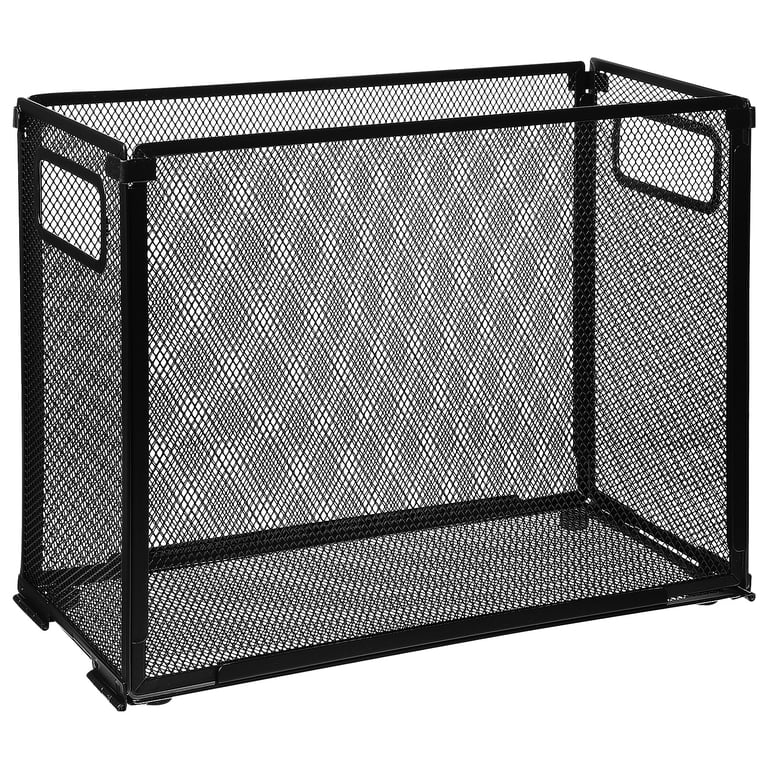
Portable file holders are lightweight and easy to carry. They keep important documents together. These holders fit on desks or shelves without taking much room. Many come with handles for quick transport. Ideal for people who work in different places.
Hanging File Systems
Hanging file systems use vertical space efficiently. They hang inside drawers or on wall-mounted racks. Files stay visible and accessible. This system prevents piles of paper from building up. Perfect for organizing by project or date.
Drawer Dividers And Inserts
Drawer dividers and inserts create sections inside drawers. They separate files, stationery, and small items. This prevents clutter and saves time searching. Dividers come in adjustable sizes to fit various drawers. Helps keep everything neat and in place.
Credit: www.walmart.com
Maintaining Efficiency
Maintaining efficiency in a small workspace requires consistent effort and smart habits. Keeping files organized saves time and reduces stress. A clear system helps you stay focused and productive. Simple routines prevent clutter from building up. Adjusting your methods keeps your system useful as needs change.
Daily Filing Habits
Set aside a few minutes each day to file documents. Sort papers into labeled folders immediately. Avoid stacking loose papers on your desk. Use trays or small bins for quick sorting. Clear your workspace before ending work. This habit keeps your area tidy and ready.
Weekly Organization Check-ins
Take time once a week to review your files. Remove or archive outdated documents. Check that each folder is in the right place. Fix any misfiled papers promptly. This prevents piles from growing too large. Weekly checks keep your system running smoothly.
Adapting Systems Over Time
Review your filing system regularly to match your needs. Add new folders as projects change. Remove categories that no longer fit your work. Experiment with different storage tools or layouts. Flexibility helps your system stay efficient. Adaptation avoids frustration and wasted time.
Frequently Asked Questions
How To Organize Files In A Small Space?
Use vertical file organizers and stackable trays to save desk space. Label folders clearly for quick access. Store rarely used files in compact boxes under the desk. Utilize wall-mounted shelves to free up surface areas. Keep digital backups to reduce physical clutter.
How To Organize A Small Office Space?
Use vertical storage and wall shelves to save floor space. Declutter regularly and organize items by frequency of use. Choose multi-functional furniture and keep cables tidy. Label files clearly and maintain a clean desk for efficiency.
How To Maximize Storage In A Small Space?
Use vertical storage like shelves and hooks to save floor space. Opt for multi-functional furniture with hidden compartments. Declutter regularly to keep only essentials. Use clear containers and labels for easy access. Maximize under-bed and wall spaces for added storage.
What Are Some Cheap Office Storage Options?
Affordable office storage options include plastic bins, stackable drawers, hanging file folders, and budget-friendly shelving units. Use repurposed crates or DIY organizers to save money. Consider compact desk organizers to maximize small spaces. These solutions keep offices tidy without overspending.
Conclusion
Organizing files in small workspaces boosts productivity and reduces stress. Use simple storage solutions like labeled folders and vertical organizers. Keep only what you need and declutter regularly to save space. A tidy workspace helps you find documents quickly and work efficiently.
Small changes create a big difference in your daily routine. Start organizing today and enjoy a more comfortable work area.


