
Is your small living space feeling cramped and cluttered? You’re not alone.
When every inch counts, finding smart ways to organize can transform your home from chaotic to calm. Imagine walking into your room and instantly feeling relaxed because everything has its place—and your space feels much larger than it really is.
You’ll discover simple yet powerful techniques to maximize your small living area. These tips are designed to help you reclaim your space, reduce stress, and enjoy a home that truly works for you. Ready to make your small space feel big? Let’s dive in.
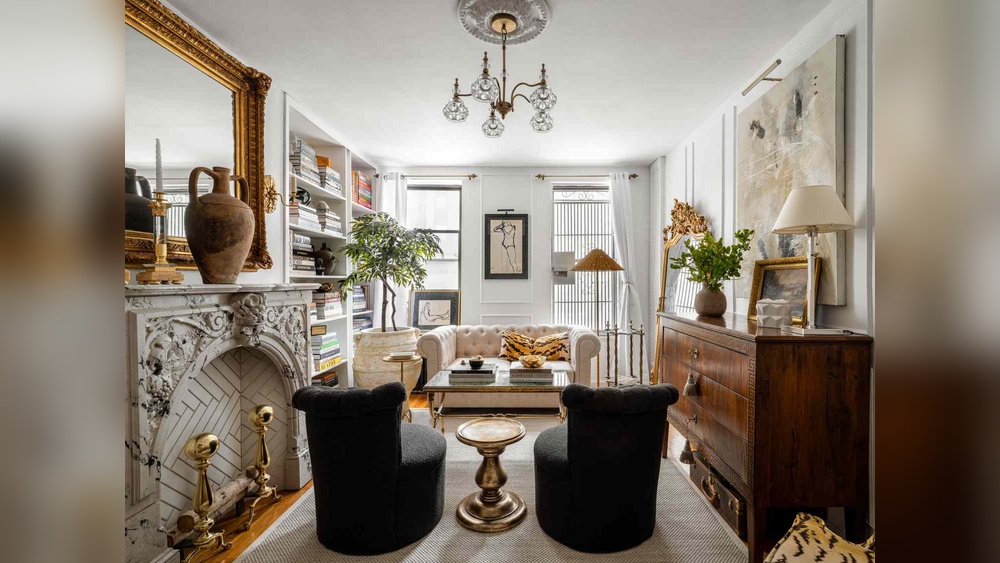
:strip_icc()/renovated-neutral-colored-living-room-2f194807-235cf8f650594de5859d48b9f550db0c.jpg)
Credit: www.bhg.com
Maximize Vertical Space
Maximizing vertical space is a smart way to organize small living areas. It helps clear floor space and keeps the room tidy. Using walls and doors for storage makes the most of limited square footage. Vertical storage options create more room for daily activities. They also keep items easy to reach and neatly arranged.
Install High Shelves
High shelves use wall space near the ceiling. They store items you do not need often. Place boxes, books, or decor on these shelves. This keeps surfaces below free from clutter. Use sturdy brackets to hold heavy objects safely. Choose shelves that match your room’s style and color. This keeps the space looking neat and connected.
Use Door And Cabinet Organizers
Doors and cabinet sides offer hidden storage spots. Attach organizers with pockets or hooks on doors. Store cleaning supplies, shoes, or small tools here. Cabinet organizers keep spices or kitchen gadgets tidy. These organizers use space that usually goes unused. They free up shelves and drawers for other things. Look for slim designs that fit small spaces well.
Hang Hooks And Racks
Hooks and racks add easy access storage on walls. Hang coats, bags, or hats near the door. Use racks in the bathroom for towels or robes. Metal or wooden hooks come in many designs. Choose ones that fit your room’s look. Hooks keep items off the floor and counters. This helps your small space feel open and clean.
Declutter Regularly
Decluttering regularly is key to keeping a small living space neat and functional. Small rooms can quickly feel crowded without frequent tidying. Removing items you no longer need frees up space and reduces stress. Regular decluttering creates a calm environment and makes organizing easier.
Sort And Donate Unused Items
Go through your belongings and separate items you rarely use. Sort them into piles to keep, donate, or discard. Donating unused things helps others and clears your space. This simple step reduces clutter and makes your room feel bigger.
Keep Flat Surfaces Clear
Flat surfaces like tables and shelves attract clutter fast. Keep them clear by putting away items after use. Limit decorations to a few meaningful pieces. Clear surfaces make your space look tidy and more open.
Control Cords And Cables
Cords and cables create visual chaos in small rooms. Use clips, ties, or cable boxes to keep them organized. Hide cords behind furniture or under rugs when possible. Managing cables improves the room’s look and prevents tripping hazards.
Choose Multifunctional Furniture
Choosing multifunctional furniture is a smart move for small living spaces. These pieces serve more than one purpose, saving space and adding convenience. They help keep your home tidy and more organized. This approach maximizes every inch of your room without overcrowding.
Storage Ottomans And Benches
Storage ottomans and benches offer seating and hidden storage. You can store blankets, books, or toys inside. They keep items out of sight but easy to reach. These pieces fit well in living rooms, bedrooms, or entryways. They are practical and stylish at the same time.
Foldable And Expandable Pieces
Foldable and expandable furniture adjusts to your needs. Fold-down tables or chairs save space when not in use. Expandable desks and dining tables grow to fit guests. These pieces provide flexibility in small areas. They make your living space more adaptable and user-friendly.
Furniture With Hidden Compartments
Furniture with hidden compartments hides clutter cleverly. Look for sofas, beds, or coffee tables with secret storage. These compartments keep small items organized and out of sight. They reduce visible mess and make cleaning easier. Hidden storage adds function without extra furniture.
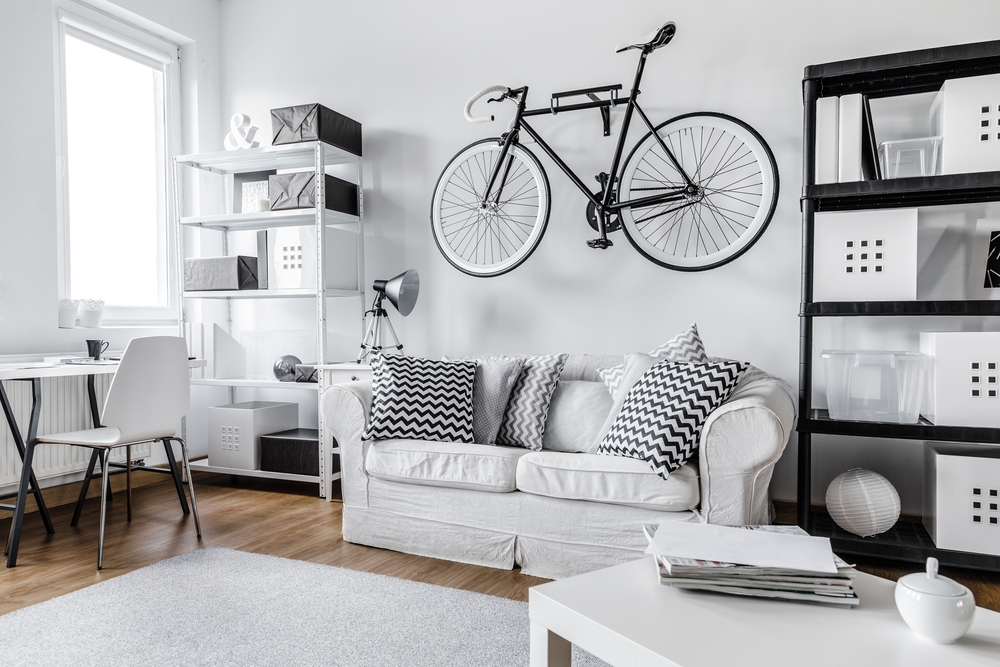
Credit: www.extraspace.com
Incorporate Hidden Storage
Hidden storage is key for organizing a small living space. It helps keep items out of sight, reducing clutter. Clever storage spots make rooms look larger and more open. Use every possible nook to store your belongings efficiently.
Under-bed Storage Solutions
The space under your bed offers great storage potential. Use flat bins or drawers to slide items underneath. Store shoes, seasonal clothes, or extra linens here. This keeps things accessible but hidden from view.
Choose beds with built-in storage drawers for added convenience. Clear containers help you see contents without opening them. Label bins to find things quickly and save time.
Use Bins And Baskets For Organization
Bins and baskets help group similar items together neatly. Place them on shelves, in cabinets, or under tables. This method keeps small items from spreading around the room.
Pick baskets that match your décor to maintain a tidy look. Stackable bins maximize vertical space in closets or storage corners. Use different sizes to fit various items easily.
Create Closet Space Efficiently
Closets often hold much clutter in small homes. Use hanging organizers to add extra shelves and compartments. Install hooks or rods on the closet door for bags and scarves.
Double your closet space with a second hanging rod for shorter clothes. Use clear boxes on the top shelf to store less-used items. This keeps everything organized and easy to find.
Enhance With Mirrors And Light
Mirrors and light play a vital role in organizing small living spaces. They create an illusion of space and make rooms feel larger and brighter. Using these elements wisely can transform a cramped area into an inviting, open environment. Simple changes with mirrors and lighting can bring big visual impact without clutter.
Place Mirrors Strategically
Put mirrors where they can reflect natural light and open views. Large wall mirrors work well opposite windows. They double the sunlight and add depth to the room. Small mirrors near dark corners brighten those spaces instantly. Avoid placing mirrors in cluttered spots, as they will reflect mess and make rooms feel cramped.
Use Light-colored Furnishings
Choose furniture in light shades like white, beige, or pastels. Light colors reflect light instead of absorbing it. This keeps the room feeling airy and spacious. Opt for sleek, simple designs that do not overwhelm the space. Light furnishings pair well with mirrors to boost brightness in small rooms.
Maximize Natural Light
Keep windows clear of heavy curtains or blinds. Use sheer fabrics that let sunlight pass through. Trim outdoor plants blocking the window views. Arrange furniture to avoid blocking light pathways. Natural light makes any space feel fresh and larger. Combining this with mirrors and light-colored items enhances small living areas further.

Credit: justagirlandherblog.com
Arrange Furniture Smartly
Arranging furniture smartly is key to making a small living space feel open and comfortable. Proper placement improves room usability and creates a welcoming atmosphere. It also helps maximize available space without crowding.
Small rooms need thoughtful layouts that balance function and style. Choosing the right spots for furniture can open pathways and define areas clearly. Each piece should have a purpose and fit well with the room’s flow.
Pull Furniture Away From Walls
Pulling furniture slightly away from walls creates a sense of depth. This method stops the room from feeling boxed in. It also allows light to move freely around the space.
Leaving a small gap behind sofas or chairs can create hidden storage or a place for cables. This setup encourages better air circulation and makes cleaning easier. It also adds a modern look to the room.
Use Furniture As Room Dividers
Furniture can divide a space without walls. Bookshelves, sofas, or screens separate areas while keeping an open feel. This approach helps create zones for different activities.
Using furniture as dividers adds functionality and style. It can make a studio apartment more organized and private. Choose pieces that serve double duty, like shelves that also store items.
Optimize Layout For Flow
Arrange furniture to support natural movement through the room. Avoid blocking walkways with bulky items. Clear paths reduce clutter and make the space feel larger.
Focus on key areas like seating and entry points. Keep furniture scaled to the room size. Allow enough space for doors and drawers to open easily. Good flow improves comfort and usability.
Utilize Small Space Zones
Maintaining organized habits is key to keeping a small living space tidy and functional. Consistent habits reduce clutter and save time. Small efforts every day lead to big results. This section covers simple habits that help you stay organized.
File Fold Clothes And Papers
Folding clothes using the file fold method saves drawer space. Fold clothes into small rectangles and stand them up vertically. This makes it easy to see every item. Apply the same method to papers and documents. Use folders or small boxes to keep papers neat. This habit helps you find things quickly.
Use Labels On Storage Containers
Labels make storage containers clear and easy to use. Write simple names on each container. This helps identify contents without opening them. Label shelves, bins, and boxes in closets and cabinets. Clear labels prevent mixing items and reduce mess. This habit keeps your space orderly and saves time.
Daily Tidying Routines
Spend 5 to 10 minutes daily tidying your space. Put items back where they belong after use. Clear countertops, tables, and floors every day. A quick daily routine stops clutter from building up. This habit makes cleaning easier and your space more pleasant.
Frequently Asked Questions
How Can I Maximize Storage In A Small Living Space?
Utilize vertical storage by adding shelves and hooks on walls and doors. Choose multifunctional furniture with built-in storage. Use under-bed bins and stackable containers to save floor space efficiently.
What Furniture Works Best For Small Living Rooms?
Opt for multipurpose furniture like ottomans with storage, foldable tables, and sofa beds. These pieces save space and add functionality without cluttering the room.
How Do I Keep A Small Living Room Clutter-free?
Regularly declutter by sorting items into keep, donate, or discard piles. Use baskets and bins to organize belongings, keeping surfaces clear and maintaining a tidy appearance.
Can Mirrors Help Organize A Small Living Space?
Yes, mirrors create an illusion of more space by reflecting light and opening up the room visually. Place them strategically to enhance natural light and depth.
Conclusion
Organizing a small living space can feel easy and rewarding. Use shelves and vertical storage to save floor space. Choose furniture that serves more than one purpose. Keep things tidy by regularly removing items you don’t need. Bright colors and mirrors help make the room feel larger.
Small changes add up to big improvements over time. Enjoy a clutter-free, cozy home that suits your needs well. Simple steps create a calm and organized living area. Start today and see how your space transforms.