
Is your small space bursting at the seams with dirty clothes? You’re not alone.
Finding a smart, stylish way to organize laundry without sacrificing precious room can feel impossible. But what if you could turn that cluttered corner or cramped closet into a neat, efficient laundry zone? Imagine easily sorting your clothes, keeping odors at bay, and freeing up your living space—all without bulky hampers taking over.
Keep reading, and discover simple, space-saving dirty clothes organizer ideas designed just for small spaces like yours. Your laundry routine—and your home—will thank you.

Credit: www.amazon.com
Space-saving Laundry Solutions
Space-Saving Laundry Solutions are essential for small homes. They help keep dirty clothes organized without taking up much room. Smart organizers create order and make laundry chores easier. These solutions fit neatly into tight spaces and blend well with any decor.
Compact Hamper Designs
Compact hampers use less floor space. Their slim shapes fit into corners or narrow spots. Some models have divided sections for sorting clothes. Materials vary from fabric to plastic, offering lightweight options. These hampers make laundry storage neat and simple.
Wall-mounted Options
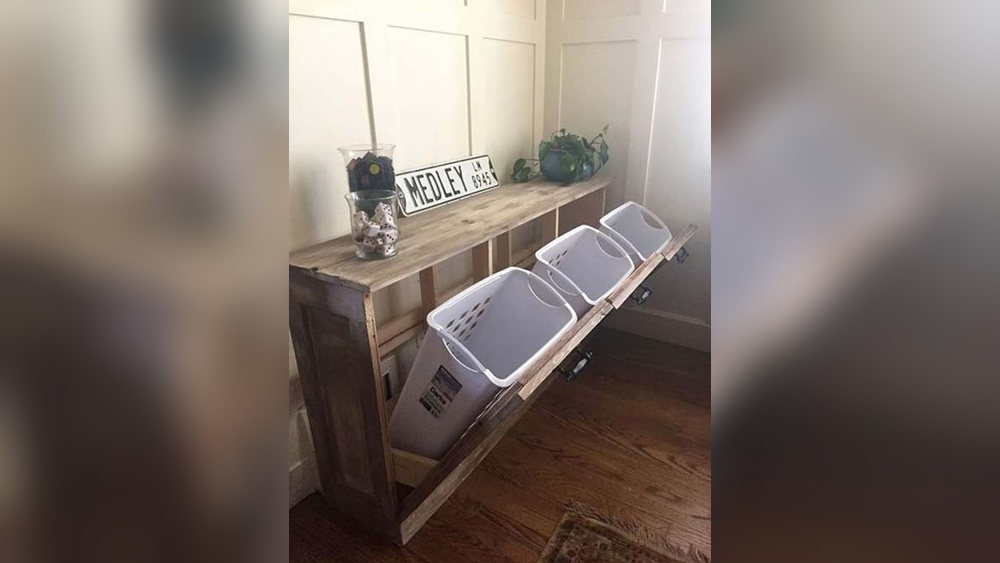
Wall-mounted organizers save floor space entirely. They hang on walls or doors using hooks or brackets. Some have multiple compartments for sorting laundry by color or type. These keep clothes off the floor and out of the way. Easy access encourages regular laundry habits.
Collapsible And Foldable Bins
Collapsible bins expand when needed and fold flat for storage. This feature suits small apartments or shared laundry rooms. Made from fabric or mesh, they are lightweight and portable. Foldable bins can be tucked away after use. They offer flexible storage without clutter.

Credit: www.amazon.com
Materials And Durability
Choosing the right material for a dirty clothes organizer is key for small spaces. The material affects how long the organizer lasts and how well it fits your needs. Durability ensures your organizer stays in good shape despite daily use. Materials also influence the style and ease of cleaning. Below are common materials used for dirty clothes organizers and their durability features.
Fabric Hampers
Fabric hampers are lightweight and flexible. They fit easily into tight spots and small closets. Many use canvas or polyester, which resist tears and stains. Some have waterproof linings to protect floors from damp clothes. Fabric hampers often fold flat when not in use, saving space. They require regular cleaning to avoid odors. Overall, fabric hampers offer good durability for everyday use in small areas.
Plastic And Mesh Containers
Plastic containers provide sturdy support and last long. They resist moisture and are easy to wipe clean. Mesh containers allow air circulation, reducing bad smells. These containers maintain their shape and handle heavy loads well. Plastic is less flexible but perfect for stacking in small spaces. Mesh helps keep clothes fresh but can snag delicate fabrics. Both materials balance durability and practicality for small space organizers.
Wooden And Bamboo Baskets
Wood and bamboo baskets bring natural beauty and strength. They stand firm and hold heavy clothes without bending. Bamboo is water-resistant and eco-friendly. Wooden baskets need occasional care to avoid cracks or warping. These baskets add a stylish touch to any room. They take up more space than fabric or plastic but last for years. Their durability makes them a solid choice for small space organization.
Sorting And Organizing Tips
Keeping dirty clothes sorted and organized can save space and time. Small spaces need smart solutions to avoid clutter. Using simple techniques helps maintain order and cleanliness. Below are some easy tips to help you manage laundry efficiently.
Multi-compartment Hampers
Multi-compartment hampers separate clothes by type or color. They save space by combining sections in one unit. This reduces the need for multiple baskets cluttering the room. Each compartment can hold whites, colors, and delicates. It makes laundry day faster and more organized.
Color-coding Laundry
Color-coding laundry bins helps quickly sort clothes. Assign a color for each type, like red for darks and blue for whites. This method avoids mixing clothes that need different washing settings. It also teaches kids to sort clothes easily. Visual cues speed up the laundry process and reduce mistakes.
Labeling Systems
Labels on hampers or baskets clarify what goes where. Use simple words or pictures for easy understanding. This works well in shared or small spaces. Labels keep everyone on the same page and reduce confusion. Consistent labeling encourages good habits and keeps the space tidy.
Placement Ideas For Small Spaces
Finding the right spot for a dirty clothes organizer in a small space can be tricky. The goal is to keep laundry out of sight without taking up too much room. Clever placement can make your space look tidy and feel larger. Here are some smart ideas to help you fit a laundry organizer in tight spots.
Under Sink Solutions
The area under the sink often goes unused. It can hold a slim laundry basket or a small hamper. Choose waterproof or easy-clean materials to handle moisture. This spot keeps dirty clothes hidden and saves floor space.
Closet Integration
Use your closet to store a laundry organizer. Hang a bag or place a basket on the closet floor. This keeps clothes out of view and keeps your room clutter-free. Look for collapsible or stackable options to fit different closet sizes.
Behind Doors And Corners
Behind doors or in corners are great spots for a laundry bin. Slim, vertical hampers fit well here. They stay hidden but are easy to access. Using corners helps use every inch of space wisely.
Diy And Budget-friendly Options
Finding a dirty clothes organizer that fits small spaces does not have to be expensive. DIY and budget-friendly options offer smart solutions. These ideas help keep laundry areas tidy without spending much. Simple materials and clever tricks can create functional organizers. Everyone can organize laundry with little cost and effort.
Repurposing Containers
Old baskets, boxes, or crates work well as laundry bins. Plastic storage containers can hold dirty clothes neatly. Even large cardboard boxes can be reinforced and covered for a stylish look. Use cloth bags or pillowcases as removable liners. Repurposing saves money and reduces waste. It also allows customization to fit any space perfectly.
Creative Storage Hacks
Try hanging a laundry bag on a door or wall. Use tension rods inside closets to hang mesh bags. Stackable bins help use vertical space efficiently. Hooks can hold small laundry bags for delicates. Label each container for easy sorting. These hacks keep laundry off floors and make cleaning easier.
Affordable Products To Consider
Look for budget hampers at stores like Walmart or Target. Collapsible laundry baskets save space when not in use. Mesh sorter bags are light and easy to carry. Simple plastic hampers with handles are practical and cheap. Choosing durable but low-cost options keeps laundry organized without clutter.
Maintaining A Clutter-free Laundry Area
A clutter-free laundry area makes daily chores easier and faster. It creates a calm and tidy space, even in small rooms. Keeping dirty clothes organized helps prevent mess and stress. Simple habits keep laundry areas neat and functional.
Regular Cleaning Routines
Set a weekly schedule to clean your laundry space. Empty hampers and wipe surfaces often. This stops dirt and odors from building up. Regular cleaning keeps the area fresh and inviting.
Managing Laundry Frequency
Wash clothes in smaller loads more often. This avoids huge piles of dirty clothes. Frequent laundry sessions save time and energy. Clothes stay cleaner and easier to manage.
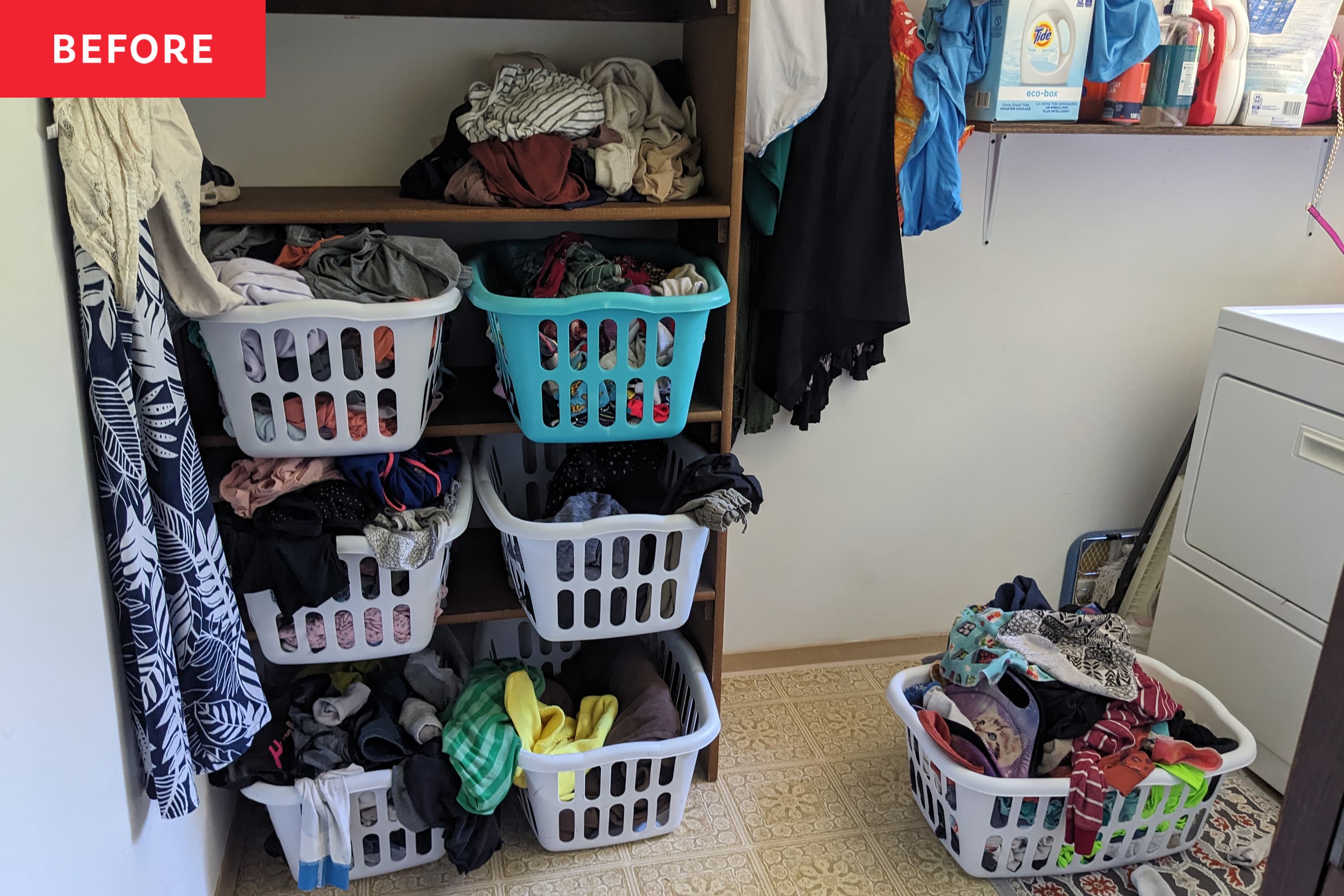
Minimizing Laundry Pile-up
Use a dirty clothes organizer that fits your space well. Sort clothes by color or type right away. This reduces sorting time before washing. Keeping clothes off the floor cuts clutter and improves airflow.
Credit: www.apartmenttherapy.com
Frequently Asked Questions
How To Organize Lots Of Clothes In A Small Space?
Use vertical space with shelves and hanging organizers. Fold clothes tightly and store in clear bins. Utilize multi-functional furniture with hidden storage. Sort clothes by frequency of use. Label storage containers for easy access and maintain tidiness.
Where Do Most People Keep Their Dirty Laundry?
Most people keep their dirty laundry in hampers, baskets, or designated laundry rooms. These help organize and contain clothes neatly.
Where To Put Dirty Laundry In A Small Bathroom?
Place a slim, tall laundry hamper or hanging dirty clothes organizer in a corner or behind the door. Use wall-mounted baskets to save floor space. Choose ventilated, compact bins to keep the bathroom tidy and odor-free.
How To Store Laundry In A Small Space?
Use slim, stackable hampers or wall-mounted baskets to save space. Fold clothes compactly and utilize vertical storage. Choose multi-compartment organizers for sorting laundry efficiently. Keep frequently used items accessible to maintain order in small laundry areas.
Conclusion
A dirty clothes organizer helps keep small spaces neat and tidy. It saves space and makes laundry easier. Choose one that fits your room and style. Sorting clothes becomes simple and quick. A good organizer lasts long and stays strong.
Keep your home clean with smart laundry storage. Small spaces feel bigger and less cluttered. Organizing dirty clothes reduces stress and mess. Try different options to find the best fit. Clean habits start with easy-to-use organizers.