
Struggling to keep your classroom neat when space is tight? You’re not alone.
Small classrooms can feel cluttered and overwhelming fast, but with the right tricks, you can transform even the tiniest room into a calm, organized learning haven. Imagine having everything you need within easy reach, clear surfaces for activities, and cozy spots for your students to focus—all without feeling cramped.
You’ll discover simple, smart ways to organize your classroom, making the most of every inch. Ready to turn your small space into a powerhouse of productivity and creativity? Let’s dive in.
Credit: blog.kaplanco.com
Space-saving Furniture
Space-saving furniture is essential in small classrooms. It helps maximize every inch without clutter. Choosing the right pieces creates a more open and functional learning environment.
Furniture that serves multiple purposes saves space and adds convenience. Compact designs allow easy movement and flexible layouts. These options make organizing simple and effective.
Multifunctional Desks
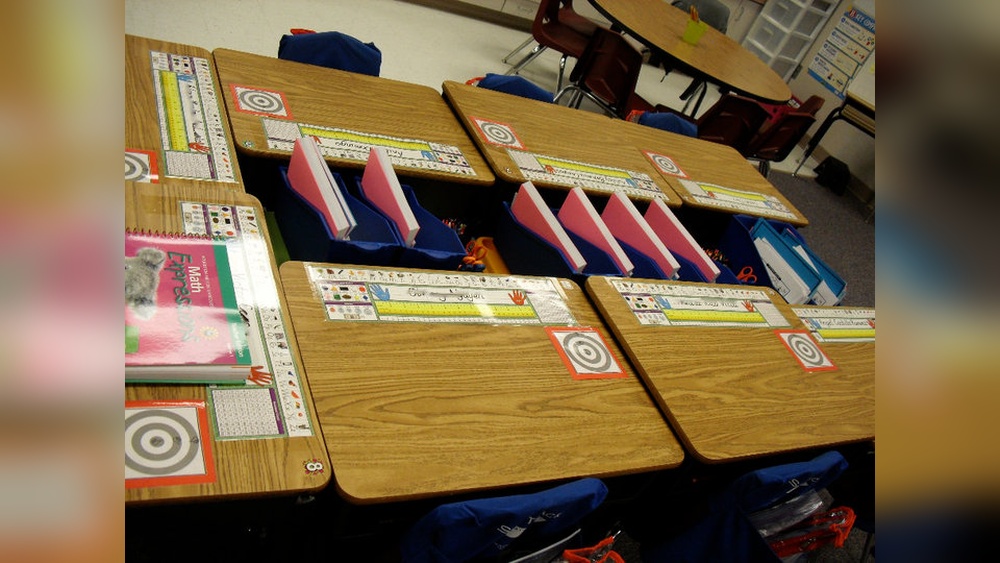
Desks with built-in storage keep supplies within reach. Some have fold-out surfaces for extra workspace. These desks adapt to different activities and student needs.
They reduce the need for extra furniture. Students can store books, notebooks, and tools inside. This keeps the classroom tidy and organized.
Foldable Tables
Foldable tables offer flexibility for small classrooms. They can be set up quickly and stored away when not in use. This creates open space for other activities.
Teachers can rearrange tables to fit group work or individual tasks. Their lightweight design makes moving easy. Foldable tables help optimize classroom flow.
Stackable Chairs
Stackable chairs save floor space by piling up neatly. They are easy to move and store in closets or corners. This frees up room for active learning sessions.
These chairs come in various sizes and colors. They provide comfortable seating without crowding the room. Stackable chairs keep the classroom organized and flexible.

Credit: www.sweetfirstiefun.com
Vertical Storage Solutions
Vertical storage solutions help save floor space in small classrooms. They use the walls to keep items organized. This method keeps materials visible and easy to reach. It also creates a neat and tidy learning environment. Teachers can store books, supplies, and student work without cluttering desks or shelves. Vertical storage makes the classroom feel more open and inviting.
Wall-mounted Shelves
Wall-mounted shelves provide extra storage without using floor space. They hold books, bins, and teaching materials. Shelves installed at different heights suit students of all ages. Use colorful bins or baskets to keep small items tidy. This setup makes it easy to find supplies quickly. It also frees up room for learning activities on the floor or tables.
Hanging Organizers
Hanging organizers keep supplies off desks and floors. They come in pockets or mesh designs to store pens, scissors, and papers. Hang them on walls or the back of doors. This method uses often-wasted space efficiently. It helps students access their tools independently. Hanging organizers also add visual order to the classroom.
Clipboards And Hooks
Clipboards and hooks create flexible storage for papers and tools. Clipboards can display student work or hold assignment sheets. Hooks hang backpacks, headphones, or art supplies. Place hooks at child-friendly heights for easy use. This system keeps items off desks and floors. It also encourages students to stay organized and responsible.
Flexible Seating Options
Flexible seating options transform small classrooms into dynamic learning spaces. They help use every inch wisely. Students can move and choose spots that fit their learning style. This creates comfort and focus in tight areas.
Flexible seating also encourages collaboration and independence. It lets teachers adjust the room quickly for different activities. The right seating choices can make a small classroom feel larger and more open.
Lap Desks
Lap desks are perfect for small classrooms. They allow students to work anywhere—on the floor, a chair, or a bean bag. These desks are lightweight and easy to store.
Students can carry lap desks from place to place. Teachers save space by not needing large tables. Lap desks support writing, reading, and laptop use comfortably.
Movable Seating
Movable seating means chairs and stools on wheels or lightweight frames. Students shift seats easily to join groups or work alone. Movable seats help teachers change the classroom layout fast.
This seating style maximizes floor space. It creates open areas for activities and lessons. Movable seating keeps the room flexible and less crowded.
Storage-friendly Chairs
Storage-friendly chairs combine seating with organization. Some have built-in shelves or pockets. Students can keep books and supplies nearby.
These chairs reduce clutter in small classrooms. They save space by holding items off the floor. Storage-friendly chairs help keep the room tidy and functional.
Color Coding And Labels
Color coding and labels simplify classroom organization in small spaces. They make it easier for students and teachers to find materials quickly. This system saves time and keeps the classroom neat. Using colors and clear labels helps create a visual guide for everyone. It reduces clutter and confusion in limited areas.
Visual Labels
Visual labels show pictures and words on containers or shelves. They help students understand where each item belongs. Even young learners or those who struggle with reading can use them easily. Visual labels reduce mistakes and keep materials in the right place. They also speed up clean-up time after activities.
Color-coded Bins
Color-coded bins organize supplies by subject or type. Assign a color to each category, such as red for art or blue for math. This method makes sorting and finding items faster. It also brightens the classroom and creates a more inviting learning space. Students learn to associate colors with certain materials quickly.
Organized Materials
Organized materials mean every item has a clear spot in the classroom. Use labels and color codes to group similar items together. This system prevents piles of mixed supplies that take up space. It makes it easier to track inventory and know when to restock. Organized materials support smooth daily routines and better classroom management.
Classroom Zones
Creating distinct classroom zones helps manage space and student activities effectively. Zones guide students to focus on tasks without distractions. In small classrooms, zones maximize every inch while keeping the room organized. Clear zones also support smooth transitions and independent learning. Organizing by zones makes a small space feel larger and more functional.
Reading Nooks
Reading nooks offer a quiet spot for students to enjoy books. Use soft cushions or bean bags to make the nook inviting. Place bookshelves nearby to keep reading materials accessible. Bright lighting helps create a cozy atmosphere. This zone encourages a love for reading and helps students focus.
Learning Centers
Learning centers focus on specific skills or subjects. Small tables or bins can hold materials for activities like math or science. Rotate materials to keep students interested and engaged. Label each center clearly to guide students easily. Learning centers allow hands-on learning in a small area.
Group Work Areas
Group work areas support collaboration and communication. Arrange desks or tables to face each other for teamwork. Use portable whiteboards or clipboards for shared notes. Keep supplies like markers and paper within reach. This zone fosters social skills and problem-solving in limited space.
Creative Storage Ideas
Creative storage ideas help keep small classrooms neat and functional. Smart storage saves space and makes items easy to find. Organizing supplies in clever ways supports smooth lessons and a calm environment. Below are simple storage options that fit well in small classrooms.
Three-drawer Carts
Three-drawer carts offer flexible storage on wheels. Teachers can move carts around to suit different activities. Each drawer can hold different supplies like markers, papers, or craft materials. Clear or labeled drawers help students find what they need quickly. These carts fit easily under desks or in corners.
Bookshelves
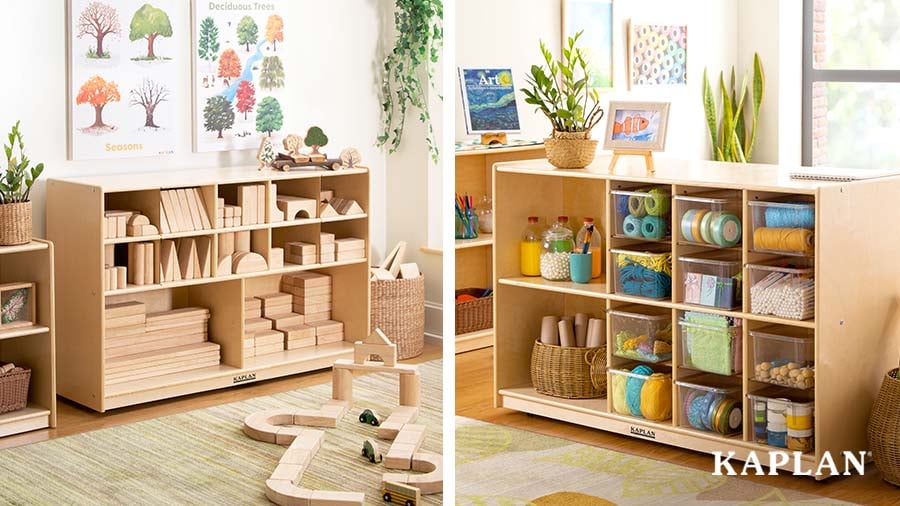
Bookshelves store books, bins, and teaching tools vertically. Tall, narrow shelves save floor space and keep materials visible. Use baskets or bins on shelves to organize smaller items. Open shelves encourage students to access books independently. Placing shelves near reading areas creates a cozy, organized spot.
File Cabinets
File cabinets hold papers, worksheets, and student files neatly. Vertical storage reduces clutter on desks and tables. Label each drawer to sort papers by subject or student. Lockable cabinets keep important documents safe. Slim file cabinets fit easily into tight spaces without crowding the room.
Minimalist Organization Tips
Minimalist organization helps create a calm and efficient classroom. It uses less space and reduces clutter. This approach focuses on keeping only what is needed. It makes the room easier to manage and more inviting for students.
Small classrooms benefit greatly from simple and clear organization. Minimalism saves time and energy for both teachers and students. The tips below show easy ways to keep a small space neat and useful.
Decluttering Strategies
Start by sorting all items in the classroom. Remove anything broken or unused. Keep only materials that support daily lessons. Store extras outside the main classroom area. Use clear bins to easily see contents. Label everything to avoid confusion. Decluttering frees up space and lowers stress.
Essential Supplies Only
Limit supplies to what is necessary for lessons. Choose multi-use tools to save space. Avoid duplicate items that take up room. Place frequently used supplies within easy reach. Store less used items in cabinets or shelves. This keeps desks clear and work areas tidy. Students can find what they need quickly.
Daily Clean-up Routines
End each day with a quick clean-up. Encourage students to put away supplies and books. Check surfaces for stray papers or trash. Use a checklist to make sure tasks are done. A daily routine keeps clutter from building up. It helps maintain a fresh and organized classroom every morning.
Diy Storage Hacks
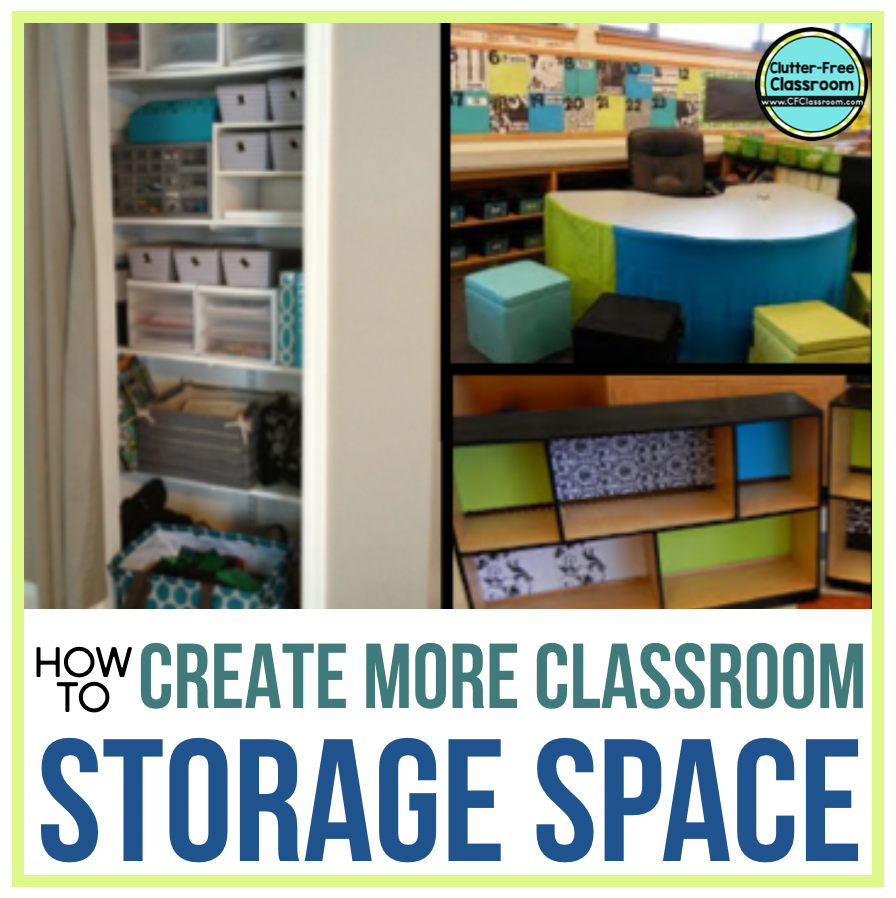
DIY storage hacks offer smart ways to organize small classrooms. They save space and keep supplies tidy. These ideas use simple items to create extra storage. You can customize each solution to fit your needs. Let’s explore some easy and creative DIY storage hacks to make your classroom neat and functional.
Repurposed Containers
Old jars, cans, and boxes can become useful storage. Clean and decorate them for a fresh look. Use jars to hold pencils, markers, or paintbrushes. Small boxes work well for paper clips or erasers. Stack containers to save desk space. Repurposing reduces waste and adds charm to your room.
Homemade Organizers
Create organizers using cardboard or wooden crates. Cut and paint cardboard to make drawer dividers. Wooden crates can hold books or art supplies. Add labels for easy identification. Homemade organizers are customizable and affordable. They help keep everything in its place.
Budget-friendly Solutions
Use dollar store items to build storage units. Plastic bins and baskets are inexpensive and durable. Hanging shoe organizers work well for small items. Use tension rods to create shelves inside cabinets. These budget-friendly ideas maximize your space without high costs.
Credit: jodidurgin.com
Frequently Asked Questions
How Can I Maximize Storage In Small Classrooms?
Use vertical storage like wall shelves and hanging organizers. Label bins clearly. Utilize multifunctional furniture with built-in storage to save space efficiently.
What Are The Best Seating Options For Small Spaces?
Opt for flexible seating like lap desks or stackable chairs. These can be easily moved or stored to create more room.
How Do I Create An Organized Classroom Library In Limited Space?
Designate a small corner for the library. Use labeled bins or low shelves for books. Incorporate comfortable seating to encourage reading.
Which Classroom Organization Hacks Work Best For Small Areas?
Color-code supplies, use clear containers, and hang clipboards. Keep frequently used items accessible and store less-used materials out of the way.
Conclusion
Organizing a small classroom takes smart planning and simple solutions. Use vertical space to store supplies and keep floors clear. Flexible seating helps create room for different activities. Labeling and color-coding make materials easy to find. Keep only what you need to reduce clutter.
Small spaces can feel open and inviting with these tips. A well-organized classroom supports learning and helps everyone focus. Try these ideas to make the most of your space today.