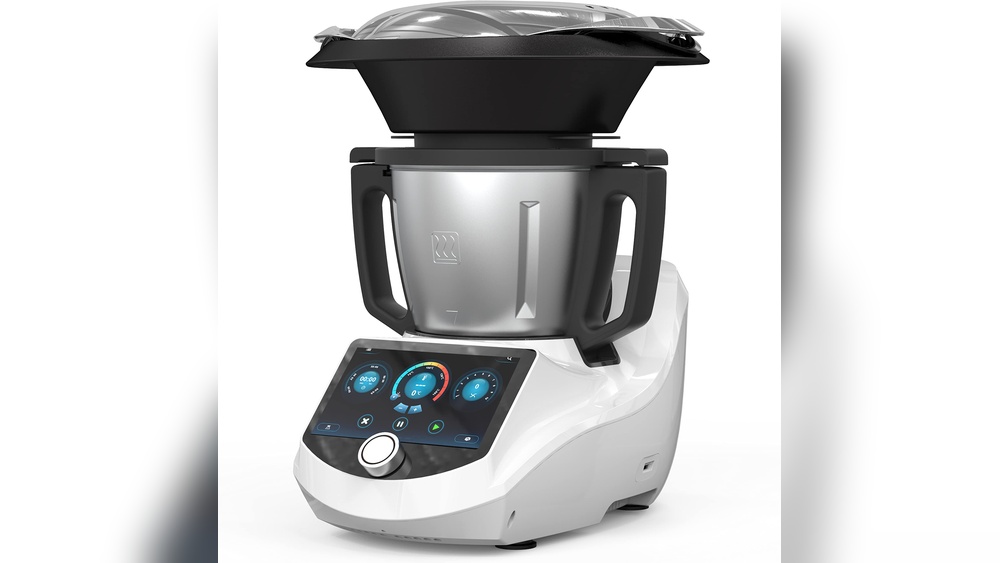

Imagine walking into your kitchen and having dinner ready without lifting a finger. Smart kitchens that cook food themselves are no longer a dream—they’re becoming a reality.
What if your kitchen could measure, mix, cook, and even clean up automatically? This technology is designed to save you time, reduce stress, and make mealtime effortless. Curious how this works and what it means for your daily life? Keep reading to discover how smart kitchens can transform your cooking experience and bring the future right to your countertop.
Smart Kitchen Technologies
Smart kitchen technologies change how we cook and manage food at home. These innovations bring convenience and efficiency to daily meal preparation. Kitchens are becoming more automated, reducing time and effort spent on cooking tasks.
Advanced devices now handle cooking, ingredient preparation, and cleaning. This helps users enjoy fresh meals without constant supervision. Smart kitchens use robotics, sensors, and artificial intelligence to perform complex cooking routines.
Ai-driven Cooking Robots
AI-driven cooking robots prepare meals with precision and care. They follow recipes accurately and adjust cooking times automatically. These robots can chop, stir, and cook food without human help. Users can enjoy restaurant-quality dishes made by a machine. AI learns preferences and improves cooking over time. This technology makes home cooking easier and more consistent.
Automated Ingredient Handling
Automated systems measure and add ingredients precisely. Sensors detect amounts and quality of each component. This reduces waste and ensures perfect flavors every time. Some smart kitchens include robotic arms that fetch and place ingredients. Automation speeds up meal preparation and lowers mistakes. Users save time and enjoy better-tasting meals.
Self-cleaning Systems
Self-cleaning systems keep kitchens tidy with minimal effort. Robots and smart surfaces clean utensils and cooking areas. They use water jets, steam, or UV light to sanitize. This reduces bacteria and keeps kitchens hygienic. Self-cleaning technology saves time spent on chores. It also maintains appliance performance and extends their lifespan.

Credit: www.applianceworld.com
Benefits Of Smart Kitchens
Smart kitchens that cook food themselves bring many benefits to daily life. These kitchens use advanced technology to make cooking easier and faster. They help save time, ensure food tastes great, and add comfort to meal preparation. Smart kitchens change how we cook and enjoy food at home.
Time-saving Features
Smart kitchens reduce the time needed to prepare meals. Automated devices handle chopping, mixing, and cooking. This allows you to do other tasks while food is cooking. Many smart appliances have preset programs for fast cooking. They help finish meals quickly without constant attention.
Consistent Meal Quality
Smart kitchens deliver consistent cooking results every time. Precise measurements and controlled cooking temperatures improve food quality. Recipes are followed exactly, reducing human error. This means meals taste the same with every preparation. Enjoying well-cooked food becomes easy and reliable.
Enhanced Convenience
Smart kitchens simplify the cooking process with easy controls. You can start cooking remotely using smartphone apps. Many appliances clean themselves after use, saving effort. Voice commands and touchscreens make operation simple. These features reduce stress and make cooking more enjoyable.
Popular Smart Kitchen Devices
Smart kitchens have grown popular with many devices designed to cook food themselves. These devices save time and effort in meal preparation. They use technology to make cooking easier and more precise. Below are some common smart kitchen devices changing how we cook today.
Robochefs And Cooking Robots
RoboChefs are robots that cook meals automatically. They follow recipes exactly, avoiding human errors. Some models chop, stir, and even clean up after cooking. These robots can prepare complex dishes with little human help. They bring consistency and convenience to busy kitchens.
Smart Appliances And Gadgets
Smart appliances include ovens, refrigerators, and microwaves with built-in sensors. These gadgets adjust temperature and cooking time for perfect results. Many connect to apps for remote control and notifications. They help reduce energy use and prevent food waste by tracking freshness.
Kitchen Dashboards And Sensors
Dashboards collect data from multiple kitchen devices in one place. Sensors monitor ingredient levels, kitchen temperature, and appliance status. This information helps users manage cooking processes efficiently. It also alerts when supplies run low or when maintenance is needed.

Credit: www.applianceworld.com
Cost And Investment
Investing in a smart kitchen is a major decision for many homeowners. These kitchens use advanced technology to cook meals automatically. Understanding the cost and investment involved helps you plan better. Smart kitchens offer both high-tech convenience and potential savings. The initial price varies widely based on features and brand. Exploring price ranges, long-term savings, and budget options can guide your choice.
Price Range Of Smart Kitchens
Smart kitchens can cost from a few hundred to tens of thousands of dollars. Basic smart appliances like smart ovens or cookers start around $500 to $2,000. Fully automated kitchens with robotic chefs can exceed $30,000. Prices depend on the level of automation and technology used. Installation and setup may add extra costs. Knowing your needs helps find the right price range.
Long-term Savings
Smart kitchens reduce food waste by cooking precise portions. Energy-efficient appliances lower utility bills over time. Automated cooking saves time, reducing the need for takeout or dining out. Maintenance costs can be lower with self-diagnosing systems. These savings can offset the initial investment. Think of it as paying now for future convenience and cost cuts.
Budget-friendly Options
Smart kitchen technology is becoming more affordable each year. Entry-level smart appliances offer useful features without high prices. Smart cookers, instant pots, and connected ovens fit many budgets. Some devices work with apps to control cooking remotely. Buying a few smart gadgets can upgrade your kitchen step-by-step. This approach keeps costs manageable while enjoying smart benefits.
Challenges And Drawbacks
Smart kitchens that cook food by themselves bring many benefits. Still, they have several challenges and drawbacks. Understanding these issues helps users decide if this technology fits their needs. Below are key concerns that many face with smart kitchens.
Data Privacy Concerns
Smart kitchens collect lots of personal data. This includes eating habits and voice commands. Hackers can target this data for misuse. Some devices share information with third parties. Users often lack control over their data. This creates risks of privacy invasion and identity theft.
Technical Repairs And Maintenance
Smart kitchen appliances need regular maintenance. Fixing them requires specialized knowledge. Not all repair shops can handle smart devices. Repairs can take longer and cost more. Software updates are necessary but may cause new problems. Users may depend on manufacturers for support.
Dependence On Connectivity
These kitchens rely heavily on internet connections. Poor or lost connections cause devices to stop working. This interrupts cooking processes and causes frustration. Offline use is often limited or impossible. Connectivity issues reduce the reliability of smart kitchens.
Rapid Obsolescence
Technology in smart kitchens evolves fast. New models with better features appear regularly. Older devices can become outdated quickly. This forces users to upgrade often to stay current. It can be expensive and wasteful. Obsolescence affects long-term value and user satisfaction.

Credit: www.amazon.com
Smart Kitchens In Restaurants
Smart kitchens in restaurants bring new technology to cooking and food preparation. They use automated machines and intelligent systems to prepare meals with minimal human help. This technology helps restaurants serve food faster and maintain high quality. Smart kitchens are changing how chefs work and how customers experience dining.
Automation In Commercial Cooking
Automation uses robots and smart devices to cook food. Machines can handle tasks like chopping, mixing, and frying. These systems follow exact recipes every time. Automation reduces errors and lowers the need for manual labor. It allows kitchens to run smoothly during busy hours.
Improving Efficiency And Consistency
Smart kitchens help restaurants save time and reduce waste. Automated cooking keeps food temperature and timing precise. This leads to consistent taste and quality for every dish. Staff can focus on customer service instead of repetitive tasks. Efficiency improves kitchen workflow and customer satisfaction.
Future Trends In Food Service
Future smart kitchens will use more artificial intelligence and data analysis. They may predict customer orders and adjust cooking speed. Robots will take on more complex cooking tasks. Kitchens will become safer and cleaner with better automation. These trends will shape the future of dining out.
Health And Nutrition Benefits
Smart kitchens that cook food themselves offer clear health and nutrition benefits. They bring accuracy and control to meal preparation. This helps users eat healthier and follow diets more easily.
Precision In Ingredient Measurement
Smart kitchens measure ingredients with exact precision. This avoids extra salt, sugar, or fat. Precise measurement helps maintain the right balance of nutrients. It reduces the risk of unhealthy eating habits. Accurate portions support weight management and better health.
Customizable Dietary Options
These kitchens allow easy customization for special diets. Users can adjust recipes for allergies, low sodium, or specific calorie counts. This flexibility supports individual health needs. It encourages people to stick to their diet plans. Customized meals improve overall nutrition and wellness.
Reducing Food Waste
Smart kitchens use only the needed ingredients, limiting waste. Less food waste means fewer lost nutrients. It promotes sustainable eating habits that benefit health and the environment. Reducing waste also encourages mindful consumption and better meal planning.
Future Of Smart Cooking
The future of smart cooking promises kitchens that cook meals with little human effort. Smart kitchens will change how people prepare food every day. These kitchens will use new technology to make cooking easier and faster. Automation and intelligence will be at the heart of this change.
Advances In Ai And Robotics
Artificial intelligence will improve recipe choices based on taste and diet. Robots will handle chopping, stirring, and cooking with high precision. Machines will learn users’ preferences and adjust cooking styles accordingly. Cooking robots will manage temperature and timing to avoid mistakes. These advancements will reduce cooking time and food waste.
Integration With Smart Homes
Smart kitchens will connect with other home devices seamlessly. Refrigerators will monitor food stock and suggest meals automatically. Voice assistants will control kitchen appliances without touching buttons. Smart ovens will sync with grocery apps for easy shopping. This integration will create a smooth, connected cooking experience.
Potential Innovations Ahead
Future kitchens may include self-cleaning surfaces and waste recycling systems. Sensors could detect food freshness and alert users before spoilage. Personalized nutrition plans might guide meal preparation for health goals. 3D food printing could allow custom meals made on demand. These innovations will make cooking more convenient and healthier.
Frequently Asked Questions
What Are The Disadvantages Of A Smart Kitchen?
Smart kitchens may face data privacy risks, costly repairs, dependence on internet connectivity, and fast technology obsolescence.
How Much Does A Robochef Cost?
A RoboChef typically costs between $10,000 and $30,000, depending on features and brand. Prices vary by model.
How Much Does The Moley Robot Cost?
The Moley robot costs approximately $140,000. This price includes installation and setup of its fully automated kitchen system.
What Is Elon Musk’s $5000 Robot That Cooks Better Than Chefs?
Elon Musk’s $5000 robot, named Culina, automates cooking with precision. It measures, mixes, cooks, and cleans better than chefs.
Conclusion
Smart kitchens bring ease to daily cooking tasks. They save time and reduce effort in meal preparation. These kitchens use smart devices that cook food automatically. Users enjoy consistent results without constant attention. Technology helps control cooking with simple commands.
Yet, challenges like cost and repairs remain. As technology grows, smart kitchens will become more common. They offer a glimpse into the future of home cooking. Embracing these kitchens means enjoying convenience and innovation. The kitchen of tomorrow starts with smart cooking today.