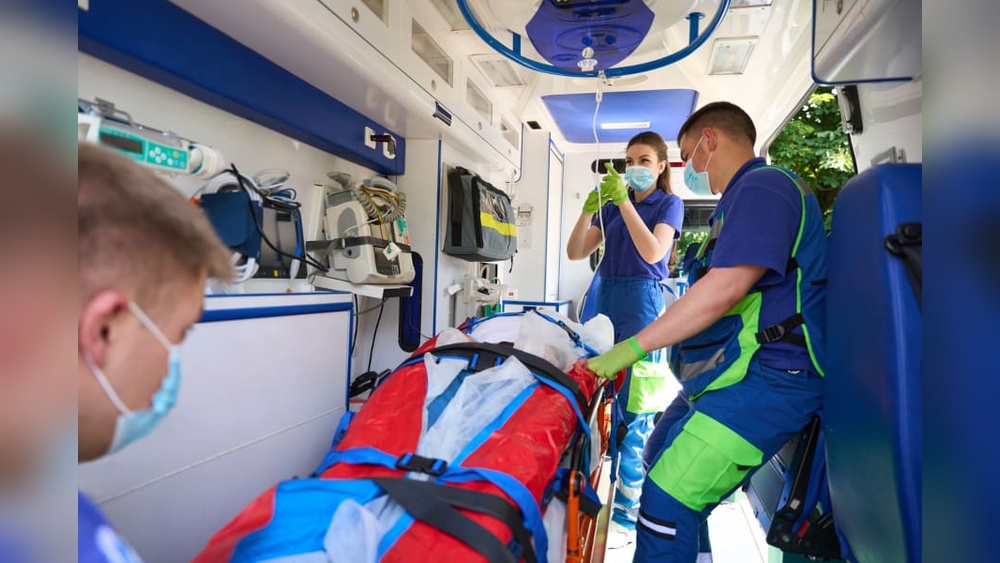

Are you ready to face the unexpected with confidence? When emergencies strike, your skills as an RN go beyond routine care—they become vital in saving lives and managing chaos.
The RN Emergency Preparedness and Management Assessment is designed to sharpen your ability to respond quickly and effectively during disasters. This isn’t just another test; it’s your pathway to mastering the knowledge and actions that can make all the difference when every second counts.
Keep reading to discover how this assessment can empower you to protect your patients, your team, and yourself in any crisis situation.
Disaster Nursing Competencies
Disaster nursing competencies are vital skills nurses must have during emergencies. Nurses play a key role in saving lives and reducing harm in disasters. They need specific knowledge and abilities to act fast and effectively. These competencies cover various aspects, from planning to recovery. Nurses must be ready to handle unpredictable and stressful situations. Understanding these competencies improves patient care and community safety.
Core Competency Domains
The core competency domains in disaster nursing guide nurses in their roles. These domains include assessment, communication, intervention, and recovery. Each domain focuses on essential tasks nurses must perform during a disaster. The assessment domain involves identifying risks and recognizing emergencies early. Communication requires clear and timely information sharing among teams. Intervention focuses on providing care and support during the disaster. Recovery involves helping patients and communities return to normal after the event.
Event Reporting In Assessment
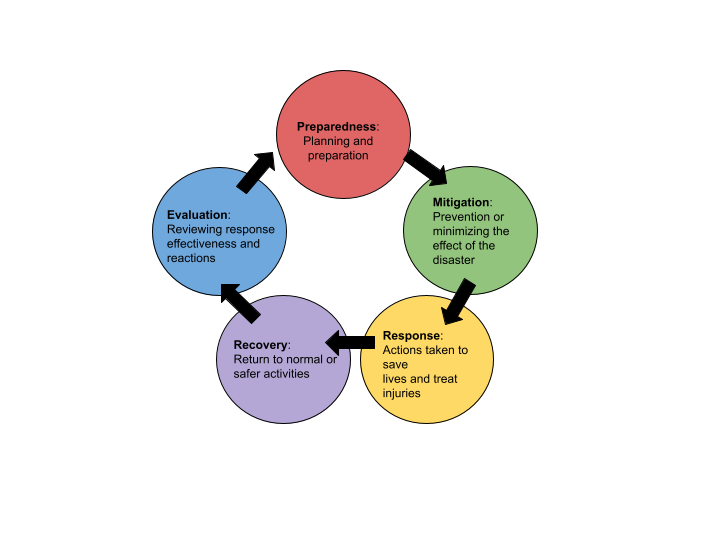
Event reporting is a critical part of the assessment domain. Nurses must report any signs or events that could indicate an emergency. Early reporting helps activate response plans quickly. It ensures that resources are mobilized on time. Accurate reporting can prevent disasters from worsening. Nurses should document and communicate observations clearly. This practice supports effective disaster management and protects public health.
Credit: wtcs.pressbooks.pub
Emergency Preparedness Plans
Emergency preparedness plans are vital for nurses to handle disasters effectively. These plans guide healthcare teams to respond quickly and safely. They reduce confusion and ensure patient care continues during crises. Every nurse must understand and follow these plans to protect lives and property.
Risk Assessment
Risk assessment identifies possible dangers to the healthcare facility. It examines natural, technological, and human-caused hazards. This process helps prioritize which risks need more attention. Nurses play a key role in spotting risks early. Preparing for likely events saves time and resources.
Incident Command System
The Incident Command System (ICS) provides a clear leadership structure during emergencies. It defines roles and responsibilities for each team member. ICS improves coordination and decision-making under pressure. Nurses must know their role in this system to work efficiently.
Communication Strategies
Effective communication is essential during emergencies. Plans include clear channels for sharing information quickly. Nurses use radios, phones, and digital tools to stay connected. Sharing updates prevents errors and keeps everyone informed. Communication also supports patient and family reassurance.
Resource Management
Resource management ensures availability of supplies and equipment. It tracks medical tools, medications, and protective gear. Proper management avoids shortages during crises. Nurses help monitor resources and report needs promptly. This keeps care consistent and safe.
Staff Training And Safety
Regular training prepares nurses for emergency situations. Drills and simulations build confidence and skills. Training covers patient care, safety protocols, and use of equipment. Protecting staff health is part of every plan. Well-trained staff respond faster and reduce risks.
Debriefing And Recovery
Debriefing happens after an emergency to review actions taken. It identifies successes and areas for improvement. Nurses share their experiences and lessons learned. Recovery plans focus on restoring normal operations. This process strengthens future preparedness and team resilience.
Key Preparedness Strategies
Effective emergency preparedness is essential for nurses to respond quickly and safely. Key preparedness strategies help nurses stay ready for any crisis. These strategies focus on building skills, communication, understanding risks, and managing resources. Each area plays a vital role in improving emergency response and patient care.
Regular Training And Drills
Training keeps nurses skilled and confident during emergencies. Drills simulate real situations, helping nurses practice their roles. Regular practice reveals gaps and improves teamwork. This hands-on approach ensures nurses act fast and correctly when disaster strikes.
Effective Communication Plans
Clear communication saves lives in emergencies. Plans must include who to contact, how to share information, and when to update teams. Using simple and direct messages reduces confusion. Good communication links all responders and supports quick decision-making.
Comprehensive Risk Assessment
Risk assessment identifies potential threats in the community or workplace. Nurses learn which dangers are most likely and plan accordingly. Understanding risks helps prioritize actions and allocate resources effectively. It also guides training to cover the most important scenarios.
Resource Allocation
Proper resource management ensures necessary supplies and personnel are ready. Nurses must know where to find equipment and how to use it. Allocating resources wisely prevents shortages during emergencies. This strategy supports continuous patient care and smooth operations.

Credit: www.osmosis.org
Nursing Roles In Disaster Response
Nurses play a vital role in disaster response. They provide care, support, and coordination during emergencies. Their skills help save lives and reduce harm. Understanding nursing roles helps improve emergency preparedness and management.
Emergency Department Preparedness
Nurses in emergency departments prepare for sudden disasters. They check supplies and equipment regularly. Nurses participate in drills to improve response times. They triage patients quickly to prioritize care. Clear communication with the team ensures smooth operations. Nurses also educate patients and families about safety.
Community Health Nurse Responsibilities
Community health nurses focus on public safety and prevention. They identify risks and educate the public on disaster readiness. Nurses coordinate with local agencies to share resources. They help develop emergency plans for schools and workplaces. During disasters, they provide care and monitor health conditions. Their work reduces illness and promotes recovery in communities.
Protecting Vulnerable Populations
Nurses pay special attention to vulnerable groups in disasters. This includes children, elderly, and people with disabilities. They assess special needs and ensure access to care. Nurses advocate for resources like medication and transportation. They provide emotional support to reduce stress and fear. Protecting these populations helps save more lives during crises.
Training And Education Resources
Training and education are vital for nurses involved in emergency preparedness and management. These resources help nurses build skills to respond effectively during disasters and crises. Nurses gain knowledge about protocols, communication, and safety measures. Well-trained nurses improve patient outcomes and community resilience.
Access to quality training programs and continuing education keeps nurses updated on best practices. Diverse learning platforms meet different needs and schedules. Nurses can enhance their expertise through government, professional, and academic offerings. These resources support lifelong learning and professional growth.
Fema Training Programs
The Federal Emergency Management Agency (FEMA) offers free training to healthcare professionals. Courses cover disaster response, emergency management, and incident command systems. Nurses learn how to coordinate with other agencies during emergencies. Online and in-person options provide flexible learning opportunities.
FEMA’s Independent Study Program includes modules tailored for medical responders. These courses focus on preparedness planning and risk reduction. Completing FEMA training often contributes to professional certification requirements.
Professional Nursing Organizations
Organizations like the American Nurses Association provide specialized emergency preparedness resources. They offer webinars, workshops, and guidelines focused on disaster nursing. Members gain access to networks and forums for sharing best practices. These groups advocate for nurses’ roles in emergency management.
Professional bodies also publish articles and toolkits to help nurses stay informed. They promote standards that improve safety and care quality during emergencies. Participation in these organizations strengthens professional identity and competence.
Continuing Education Opportunities
Continuing education courses allow nurses to update skills and knowledge regularly. Many universities and colleges offer certificates in disaster nursing and emergency management. Online platforms provide self-paced learning to fit busy schedules. Topics include triage, crisis communication, and mental health support.
Completing continuing education credits supports license renewal and career advancement. These courses often include practical exercises and simulations for hands-on experience. Nurses become better prepared to face real-life emergency situations.
Credit: nap.nationalacademies.org
Evaluating Preparedness Levels
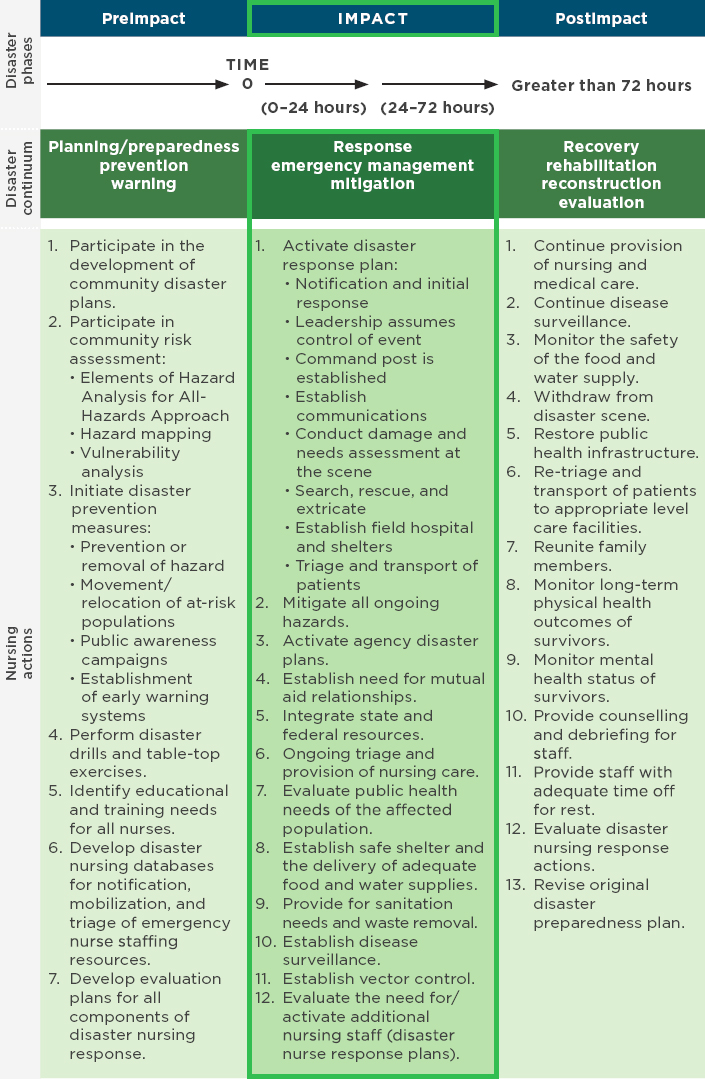
Evaluating preparedness levels is vital in emergency management for nurses. It helps identify strengths and weaknesses in readiness. This process ensures nurses can respond effectively during disasters. Measuring preparedness supports continuous improvement and patient safety.
Assessment Tools And Methods
Various tools measure emergency preparedness in nursing. Surveys and questionnaires gather data on knowledge and skills. Simulations and drills test practical response abilities. Checklists help track compliance with protocols. These tools provide clear insights into readiness levels.
Knowledge Gaps And Improvement Areas
Assessments reveal areas where nurses need more training. Common gaps include communication, resource management, and risk assessment. Identifying these gaps allows targeted education. Focused training improves confidence and performance during emergencies. Addressing weaknesses strengthens overall preparedness.
Effectiveness Of Preparedness Plans
Evaluating plans shows how well they work in real situations. Testing plans through drills reveals weaknesses and strengths. Feedback from nurses highlights practical challenges. Adjustments based on evaluations make plans more reliable. Continuous review keeps preparedness plans up to date and effective.
Frequently Asked Questions
What Is Rn Emergency Preparedness And Management Assessment?
RN emergency preparedness assessment evaluates nurses’ readiness to handle disasters. It tests knowledge, skills, and response plans for effective emergency management.
Why Is Emergency Preparedness Crucial For Registered Nurses?
Emergency preparedness ensures nurses can provide safe care during disasters. It reduces risks, improves outcomes, and maintains healthcare continuity in crises.
What Are Key Components Of An Rn Emergency Plan?
Key components include risk assessment, communication strategies, resource management, staff training, safety protocols, and recovery procedures for effective disaster response.
How Do Nurses Stay Trained For Emergency Management?
Nurses stay trained through regular drills, simulations, continuing education, and updates on protocols. This maintains readiness and improves response efficiency.
Conclusion
Effective emergency preparedness helps nurses save lives during crises. Regular training and clear communication improve readiness. Knowing assessment, intervention, and recovery roles is vital. Nurses must stay alert to possible emergencies at all times. Proper planning reduces risks and enhances patient care.
Each nurse’s role supports the whole healthcare team. Staying prepared builds confidence in handling disasters well. This strengthens community health and safety every day.


