Imagine a sudden health crisis striking your community—how ready are you to face it? Public Health Emergency Preparedness is not just a government responsibility; it’s about you, your family, and your neighbors being equipped to prevent, respond to, and recover from health emergencies.
Whether it’s a natural disaster, a disease outbreak, or an unexpected chemical event, knowing how preparedness works can make all the difference between chaos and control. You’ll discover the key steps that protect you and your community, helping you stay safe when every second counts.
Keep reading to learn how you can be part of a stronger, more resilient future.
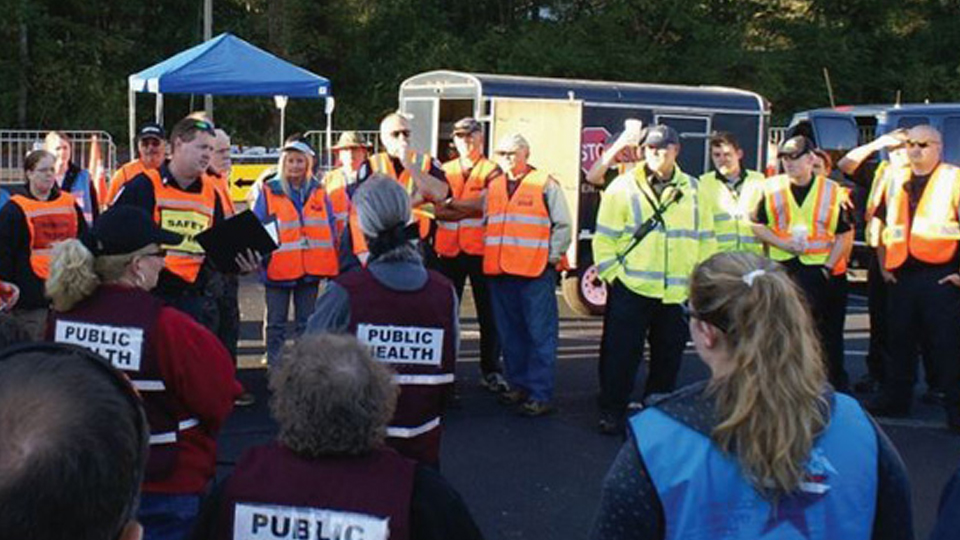
Credit: www.cdc.gov
Core Elements
Core elements form the foundation of public health emergency preparedness. They ensure readiness to face health crises effectively. These elements guide agencies and communities to act swiftly and smartly. Each element plays a crucial role in saving lives and reducing harm.
Planning And Training
Planning involves creating clear emergency response strategies. Training prepares health workers and the public for real situations. Regular drills and exercises build confidence and skills. Plans must be updated often to address new risks.
Coordination Efforts
Coordination connects different agencies and community groups. It helps share information and resources quickly. Effective communication avoids confusion during emergencies. Partnerships strengthen the overall response system.
Response Capabilities
Response capabilities include disease tracking and health services delivery. Quick detection and action limit the spread of illness. Deploying medical supplies and staff is vital. These capabilities depend on strong systems and trained personnel.
Recovery Support
Recovery support aids communities after the emergency ends. It focuses on restoring health services and mental well-being. Support also includes rebuilding infrastructure and public health programs. Timely recovery reduces long-term impacts on communities.
Community Resilience
Community resilience means the ability to bounce back after a crisis. Education and engagement help people prepare and respond. Strong social networks provide support during tough times. Resilient communities recover faster and stay healthier.
Threat Types
Public health emergency preparedness involves understanding different threat types. These threats can vary widely in nature and impact. Recognizing each type helps communities prepare better and respond faster. The main categories include natural disasters, biological events, chemical incidents, and nuclear or radiological risks.
Natural Disasters
Natural disasters include events like hurricanes, floods, earthquakes, and wildfires. These disasters can cause widespread damage and affect many people. Public health systems work to reduce harm by planning evacuation routes and providing medical support. Early warning systems and community drills help save lives during these emergencies.
Biological Events
Biological events involve outbreaks of infectious diseases or bioterrorism attacks. Examples include pandemics, such as influenza or COVID-19, and intentional release of harmful germs. Preparedness focuses on disease surveillance, vaccination programs, and rapid response teams. Controlling the spread and treating affected individuals are key priorities.
Chemical Incidents
Chemical incidents happen when hazardous substances are released accidentally or intentionally. These may include industrial accidents or chemical attacks. Public health agencies monitor chemical exposure and provide protective measures. Emergency plans include evacuations, decontamination, and medical treatment for poisoning.
Nuclear And Radiological Risks
Nuclear and radiological risks arise from accidents or attacks involving radioactive materials. These events can cause serious health effects due to radiation exposure. Preparedness involves detecting radiation, sheltering populations, and distributing iodine tablets. Quick action minimizes harm and supports recovery efforts.
Response Frameworks
Response frameworks guide how public health systems act during emergencies. They define roles, communication, and resource use. These frameworks help save lives and reduce harm fast. Clear plans prevent confusion and improve coordination among all involved.
Health System Roles
Health systems must identify specific roles before emergencies. Hospitals, clinics, and public health agencies work together. Each has duties like treating patients or tracking disease spread. Clear roles avoid overlap and ensure quick action. Training staff on these roles boosts readiness.
Emergency Operations Centers
Emergency Operations Centers (EOCs) serve as command hubs during crises. They coordinate information and resources across agencies. EOCs monitor the situation and support decision-making. These centers keep response efforts organized and efficient. Technology in EOCs helps share real-time updates.
Communication Strategies
Effective communication is critical during public health emergencies. Messages must be clear, accurate, and timely. Officials use multiple channels such as media, social platforms, and hotlines. Targeting vulnerable groups ensures everyone gets vital information. Good communication builds public trust and guides safe actions.
Resource Mobilization
Mobilizing resources quickly is vital in emergencies. This includes medical supplies, personnel, and funding. Pre-established agreements help speed resource sharing. Tracking resource availability prevents shortages and delays. Efficient mobilization supports sustained response and recovery efforts.
Training Programs
Training programs play a vital role in public health emergency preparedness. They equip health professionals and communities with the skills needed to respond quickly and effectively. Well-structured training builds confidence and improves coordination during crises.
These programs cover a variety of topics. They include practical exercises, education, and certification processes. Training helps reduce risks and saves lives by ensuring readiness.
Health Professional Education
Health professional education focuses on teaching doctors, nurses, and other staff the latest emergency protocols. It includes topics like disease outbreak management and disaster response. Regular workshops update professionals on new tools and strategies. This education ensures healthcare workers can act swiftly and safely.
Community Drills
Community drills simulate real emergencies to test response plans. They involve local residents, emergency responders, and health workers. Drills improve communication and identify weaknesses in preparedness. Practicing regularly helps communities stay calm and organized during actual events.
Certification Initiatives
Certification initiatives verify that individuals meet specific preparedness standards. They provide official recognition of skills and knowledge. Certifications motivate continuous learning and professional growth. They also build trust among employers and the public.
Technology Use
Technology plays a vital role in public health emergency preparedness. It helps detect threats, share information quickly, and warn communities early. Using the right tools allows health officials to respond faster and save lives. Technology also improves coordination among agencies during crises.
Disease Surveillance Tools
Disease surveillance tools track health data from many sources. They monitor illness patterns in real time. This helps spot outbreaks before they spread widely. These tools collect data from hospitals, labs, and clinics. Public health workers analyze this data to identify risks. Early detection helps control diseases more effectively.
Data Sharing Platforms
Data sharing platforms connect health agencies and partners. They allow fast and secure exchange of important information. These platforms support collaboration during emergencies. Sharing data helps coordinate responses and allocate resources well. They reduce delays and improve decision-making. Transparent communication builds trust among agencies and the public.
Early Warning Systems
Early warning systems alert communities about health threats. They use technology to detect signs of danger quickly. Alerts reach health officials and the public via multiple channels. These systems help prepare and protect people in advance. Timely warnings reduce the impact of emergencies. They guide actions like evacuations and medical support.
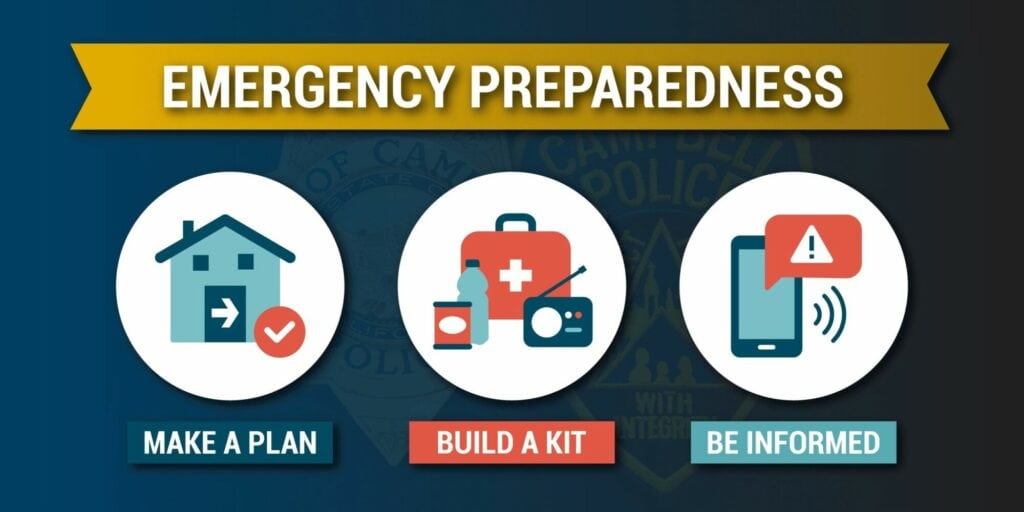
Credit: hhsa.cosb.us
Community Engagement
Community engagement plays a crucial role in public health emergency preparedness. It helps build trust and ensures the public understands their role during emergencies. Strong community ties improve communication and response efforts. Engaged communities are better equipped to face health crises and recover quickly.
Public Education Campaigns
Public education campaigns inform people about health risks and safety measures. Clear messages reach a wide audience using various media channels. These campaigns teach how to prepare for emergencies and where to find help. Educated communities respond faster and follow health guidelines better.
Volunteer Networks
Volunteer networks connect community members with emergency response teams. Volunteers assist with communication, logistics, and support during crises. Training these volunteers improves their skills and readiness. Active volunteer groups strengthen the overall emergency response system.
Partnerships With Local Organizations
Local organizations have deep community roots and valuable resources. Partnering with them expands outreach and support during emergencies. These partnerships enable sharing of information and coordination of services. Working together creates a stronger, united response to health threats.
Policy And Funding
Policy and funding form the backbone of public health emergency preparedness. Clear policies set priorities and guide actions. Reliable funding ensures resources are available for quick response. Together, they build a strong system to protect communities.
Government Support
Governments play a key role in emergency preparedness. They create policies that define goals and strategies. Support from local, state, and federal levels strengthens the system. Government agencies coordinate efforts and share information. This collaboration improves readiness and speeds up responses.
Budget Allocation
Funding is essential to prepare for health emergencies. Budget allocation targets critical areas like training, equipment, and technology. Consistent funding helps maintain readiness over time. It also supports research to improve emergency response methods. Without proper budgets, preparedness efforts can falter.
Regulatory Frameworks
Regulations ensure standards are met during emergencies. They guide how resources are used and how agencies cooperate. Clear rules improve accountability and transparency. Regulatory frameworks protect public health by enforcing safety measures. They also help coordinate actions across different sectors.

Credit: www.lafayettecountywi.org
Frequently Asked Questions
What Is The Role Of Public Health In Emergency Preparedness?
Public health prepares communities by planning, training, coordinating responses, and managing resources to prevent and control emergencies. It monitors threats, educates the public, supports recovery, and builds resilience against health crises.
What Are The 5 P’s Of Preparedness?
The 5 P’s of preparedness are Proper Planning Prevents Poor Performance. They emphasize planning, preparation, practice, prevention, and protection.
What Is Preparedness In Public Health?
Preparedness in public health means planning and acting to prevent, respond to, and recover from health emergencies. It involves training, coordination, surveillance, and community resilience to handle threats like disease outbreaks and natural disasters effectively.
What Are Some Examples Of Public Health Emergencies?
Examples of public health emergencies include pandemics, natural disasters like hurricanes, chemical spills, bioterrorism, and radiological events. These situations require urgent response to protect community health and safety.
Conclusion
Strong public health emergency preparedness saves lives and protects communities. Planning, training, and coordination help respond quickly to threats. Everyone plays a role, from health workers to local residents. Staying informed and ready builds resilience against disasters and disease outbreaks.
Investing in preparedness means a safer, healthier future for all. Act now to support public health efforts and keep communities strong.