
When disaster strikes, will you be ready? Emergencies can happen without warning—storms, power outages, or even accidents—and being prepared can make all the difference for you and your loved ones.
Imagine having everything you need at your fingertips: water, food, first-aid supplies, and a clear plan to keep everyone safe. You’ll discover simple, practical steps to create your own emergency preparedness kit and plan. Taking action now gives you control when it matters most.
Keep reading to learn how to protect yourself, your family, and your home before the unexpected happens.
Credit: www.cdfa.ca.gov
Emergency Kit Essentials
An emergency kit holds the key to safety in uncertain times. Preparing one ensures basic needs stay met during disasters or power outages. Every household should keep a well-stocked kit ready to use at a moment’s notice.
Essentials cover food, water, health items, tools, and important papers. Choose items carefully to match your family’s size and special needs. Regularly check and update the kit to keep supplies fresh and usable.
Water And Food Supplies
Water tops the list of emergency essentials. Store at least one gallon per person per day for drinking and hygiene. Pack non-perishable foods that require little or no cooking.
- Canned meats, fruits, and vegetables
- Granola bars and high-energy snacks
- Peanut butter and crackers
- High-protein and high-fiber items
- Manual can opener for canned goods
Include special foods for babies, elderly, or pets. Rotate supplies every six months to maintain freshness.
Health And Sanitation Items
A complete first-aid kit is vital for treating minor injuries. It should include bandages, antiseptics, and a first-aid manual. Add personal hygiene products like moist towelettes and hand sanitizer.
- Garbage bags and plastic ties for waste
- Toothbrushes and toothpaste
- Feminine hygiene supplies
- Medications and prescription copies
Tools And Utilities
Reliable tools help manage unexpected situations. Flashlights with extra batteries provide light during power outages. Consider hand-crank flashlights as a backup option.
- Multi-tool or pocket knife
- Battery-powered or hand-crank radio
- Matches or lighters in waterproof containers
- Local maps and compass
Important Documents And Communication
Keep copies of vital documents in a waterproof container. Include identification, insurance papers, and medical records. A list of emergency contacts is crucial for quick communication.
- Driver’s license or ID cards
- Birth and marriage certificates
- Insurance policies
- Bank account and credit card information
- Emergency phone numbers
Additional Useful Supplies
Other items add comfort and security during emergencies. Pack blankets, extra clothing, and sturdy shoes. Include cash in small bills and a whistle for signaling help.
- Baby supplies like formula and diapers
- Pet food and care items
- Work gloves and dust masks
- Books, games, or activities for children
Credit: www.eldoradocounty.ca.gov
Food And Water Storage Tips
Proper food and water storage is essential for emergency preparedness. Supplies must last through unexpected situations. Planning ensures you have enough nourishment and hydration. Storing the right items helps maintain health and energy. Consider space, shelf life, and ease of use when choosing supplies.
Choosing Non-perishable Foods
Select foods that do not spoil quickly. Canned meats, fruits, and vegetables are excellent choices. Include high-energy snacks like granola bars and peanut butter. Dry staples such as rice, beans, and pasta store well. Avoid items needing refrigeration or special handling. Rotate stock regularly to keep food fresh.
Water Storage Guidelines
Store at least one gallon of water per person daily. Use clean, food-grade containers for storage. Keep water in a cool, dark place to prevent contamination. Replace stored water every six months to ensure freshness. Consider water purification tablets for added safety. Have extra water for pets and hygiene needs.
Special Dietary Needs
Plan for allergies and medical conditions in your family. Include gluten-free, low-sodium, or diabetic-friendly foods as needed. Pack baby formula and food for infants if required. Store pet food and medications safely. Label special items clearly for easy access during emergencies.
Health And Safety Preparations
Preparing for emergencies means focusing on health and safety first. Having the right supplies can protect you and your family. Staying safe and healthy reduces risks during any crisis. Keep essential items ready for quick access. These tools support basic care and personal protection.
First-aid Kit Must-haves
A first-aid kit is vital in emergencies. Include bandages of various sizes to cover wounds. Add antiseptic wipes to clean cuts and prevent infection. Pack adhesive tape and scissors for securing dressings. Include pain relievers like ibuprofen or acetaminophen. Add gloves to protect against germs and blood. A first-aid manual helps guide emergency care steps. Keep the kit in an easy-to-reach place.
Personal Hygiene Supplies
Good hygiene prevents illness during emergencies. Stock moist towelettes for hand cleaning without water. Add soap and hand sanitizer for effective germ removal. Pack toothbrushes, toothpaste, and feminine hygiene products. Include plastic bags for waste disposal. Remember to add extra toilet paper and tissues. Keep these items dry and accessible at all times.
Protective Gear
Protective gear shields you from hazards in emergencies. Have face masks to reduce spread of germs. Use gloves to avoid contact with harmful substances. Consider safety goggles for eye protection. Wear sturdy shoes to prevent injuries from debris. A helmet can protect your head in dangerous situations. Choose gear suitable for your specific environment. Store these items with your emergency supplies.
Communication And Alerts
Clear communication saves lives during emergencies. Staying informed helps you make quick decisions. Alerts warn about dangers and guide actions. Reliable tools ensure messages get through. Preparedness means having multiple ways to connect. It reduces panic and confusion in crises.
Reliable Radio Options
Radios work when phones fail. Battery-powered or hand-crank radios are best. NOAA weather radios give official alerts. Choose radios with multiple power options. Keep extra batteries handy. Test radios regularly to ensure they work.
Maintaining Phone Connectivity
Cell phones often fail in emergencies. Keep phones charged and conserve battery. Use portable power banks for backup. Text messages use less signal than calls. Turn off unused apps to save power. Consider a prepaid phone as a backup.
Emergency Contact Lists
Write down important phone numbers. Include family, friends, doctors, and local services. Keep a paper copy in your emergency kit. Share the list with family members. Update contacts regularly to avoid outdated info. Use simple names and numbers for quick access.
Home Safety Measures
Preparing your home for emergencies helps protect your family and property. Simple safety measures reduce risks and improve response time. Knowing what to do before a crisis strikes can save lives and limit damage.
These home safety steps focus on controlling hazards and signaling for help. Easy actions make a big difference during emergencies. Keep these tips in mind to stay safe and ready.
Turning Off Utilities
Learn how to turn off water, gas, and electricity at your main switches. This prevents leaks, fires, and electrical shocks after disasters. Mark the utility shut-off points clearly for quick access. Practice shutting off utilities with your family to build confidence. Avoid touching damaged wires or gas lines before shutting off.
Securing Important Keys
Keep keys to your home, car, and emergency kits in a safe, easy-to-find place. Use a lockbox or labeled container to avoid loss during chaos. Share the key location with trusted family members only. This helps you escape quickly or allow help inside if needed. Avoid hiding keys in obvious outdoor spots.
Using Whistles And Signal Tools
Keep whistles or other sound-making tools near your bed or emergency kit. Whistles attract attention when voices fail or when trapped. Choose loud, durable whistles that require little effort to use. Signal tools like mirrors or flashlights can help rescuers find you. Teach children how and when to use these tools safely.
Emergency Planning For Families
Emergency planning for families ensures safety and calm during crises. Preparing together builds confidence and reduces fear. Each family member knows their role and what to do. Plans must consider all ages and unique needs. Clear steps help everyone stay organized and ready.
Involving Children And Elderly
Children need simple explanations about emergencies. Use stories or drawings to teach safety rules. Practice drills make them feel secure and prepared. Elderly family members may need reminders and support. Keep emergency contacts and medication lists handy for them. Include them in planning to respect their needs and feelings.
Pet Care Needs
Pets are family and need planning too. Prepare a pet emergency kit with food, water, and medicines. Include leashes, carriers, and comfort items like toys. Know pet-friendly shelters or hotels in your area. Plan for their safety during evacuation or sheltering at home. Keep pet ID tags updated and easily accessible.
Planning For Special Circumstances
Some families face unique challenges during emergencies. Consider disabilities, chronic illnesses, or language barriers. Prepare extra supplies like medical devices or translators if needed. Share your plan with trusted neighbors or friends for help. Tailor your emergency plan to fit your family’s exact needs. This makes your response faster and safer.
Quick Response Strategies
Quick response strategies are crucial during emergencies. Acting swiftly can save lives and reduce damage. Preparation and clear steps help you respond effectively. Knowing what to do first prevents panic and confusion. Here are key tactics to prepare yourself for quick action.
Assembling Your Kit Fast
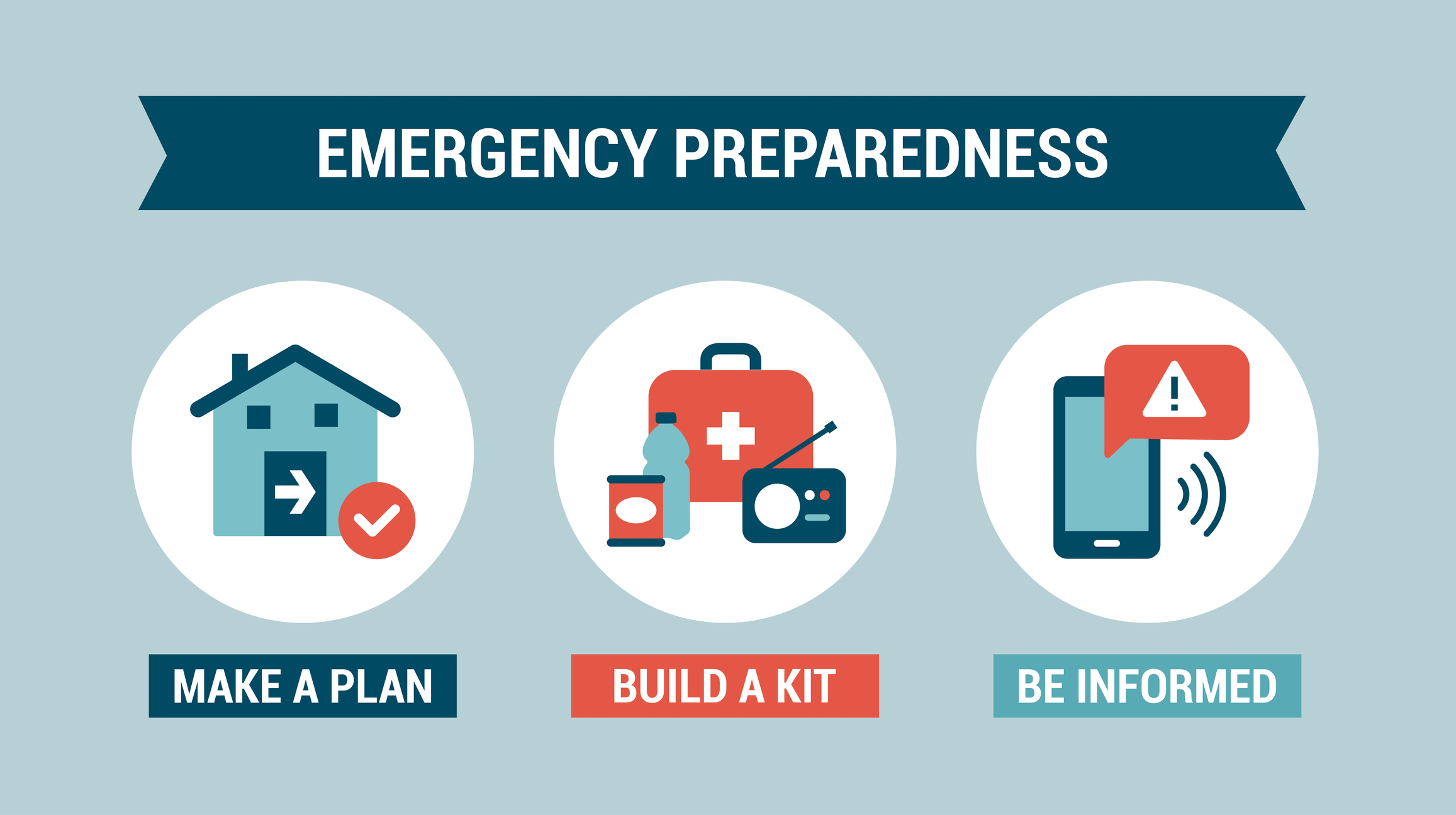
Keep an emergency kit ready at all times. Store essential items in one easy-to-carry bag. Include water, non-perishable food, and a first-aid kit. Add a flashlight, batteries, and a manual can opener. Pack important documents and any needed medications. Check your kit regularly and replace expired items. Ready kits save precious time during sudden events.
Prioritizing Essential Actions
Focus on safety first. Secure yourself and your loved ones immediately. Turn off utilities if instructed to do so. Use your emergency kit only when necessary. Contact emergency services if help is needed. Stay calm and follow your emergency plan step by step. Prioritize actions that protect life and health above all else.
Staying Informed During Emergencies
Information is key in emergencies. Use a battery-powered or hand-crank radio to receive updates. Sign up for local alerts via phone or apps. Follow instructions from trusted authorities carefully. Avoid spreading rumors or unverified news. Staying informed helps you make smart decisions and adapt quickly.

Credit: www.nys4-h.org
Frequently Asked Questions
What Are The 5 Phases Of Emergency Preparedness?
The five phases of emergency preparedness are mitigation, preparedness, response, recovery, and evaluation. Each phase ensures safety and effective crisis management.
What Items Should I Stockpile For An Emergency?
Stockpile water, non-perishable food, first-aid kit, sanitation supplies, flashlight with batteries, radio, manual can opener, important documents, medications, pet and baby supplies, tools, cash, blankets, dust masks, matches, and local maps.
What Is Meant By Emergency Preparedness?
Emergency preparedness means planning and gathering resources to respond effectively to disasters. It ensures safety, reduces risks, and helps recovery.
What Are The 5 P’s Of Preparedness?
The 5 P’s of preparedness are: People, Places, Plans, Procedures, and Personal preparedness. They ensure effective emergency readiness.
Conclusion
Preparing for emergencies saves lives and reduces stress. Keep essential supplies ready and check them often. Share your plan with family and practice it regularly. Stay informed through reliable sources and local alerts. Small steps today make a big difference tomorrow.
Safety starts with you and your community working together. Stay calm, be prepared, and protect what matters most.


