Imagine facing an unexpected emergency without the right supplies—how would you manage? Your safety and comfort during a crisis depend heavily on what you have prepared ahead of time.
Emergency preparedness supplies aren’t just items on a list; they are your lifeline when every second counts. Whether it’s a natural disaster, power outage, or any sudden situation, having the right essentials ready can protect you and your loved ones.
You’ll discover exactly what you need to build a reliable emergency kit tailored to your unique needs. Don’t wait for the unexpected to catch you off guard—read on to learn how to stay safe, secure, and ready for anything.
Basic Emergency Supplies
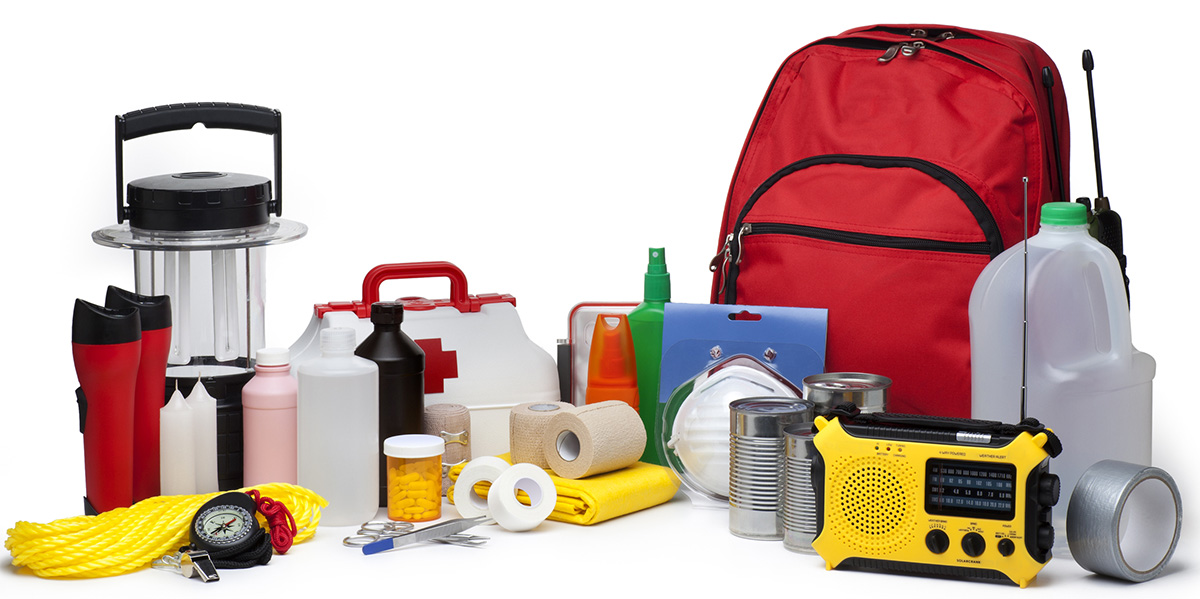
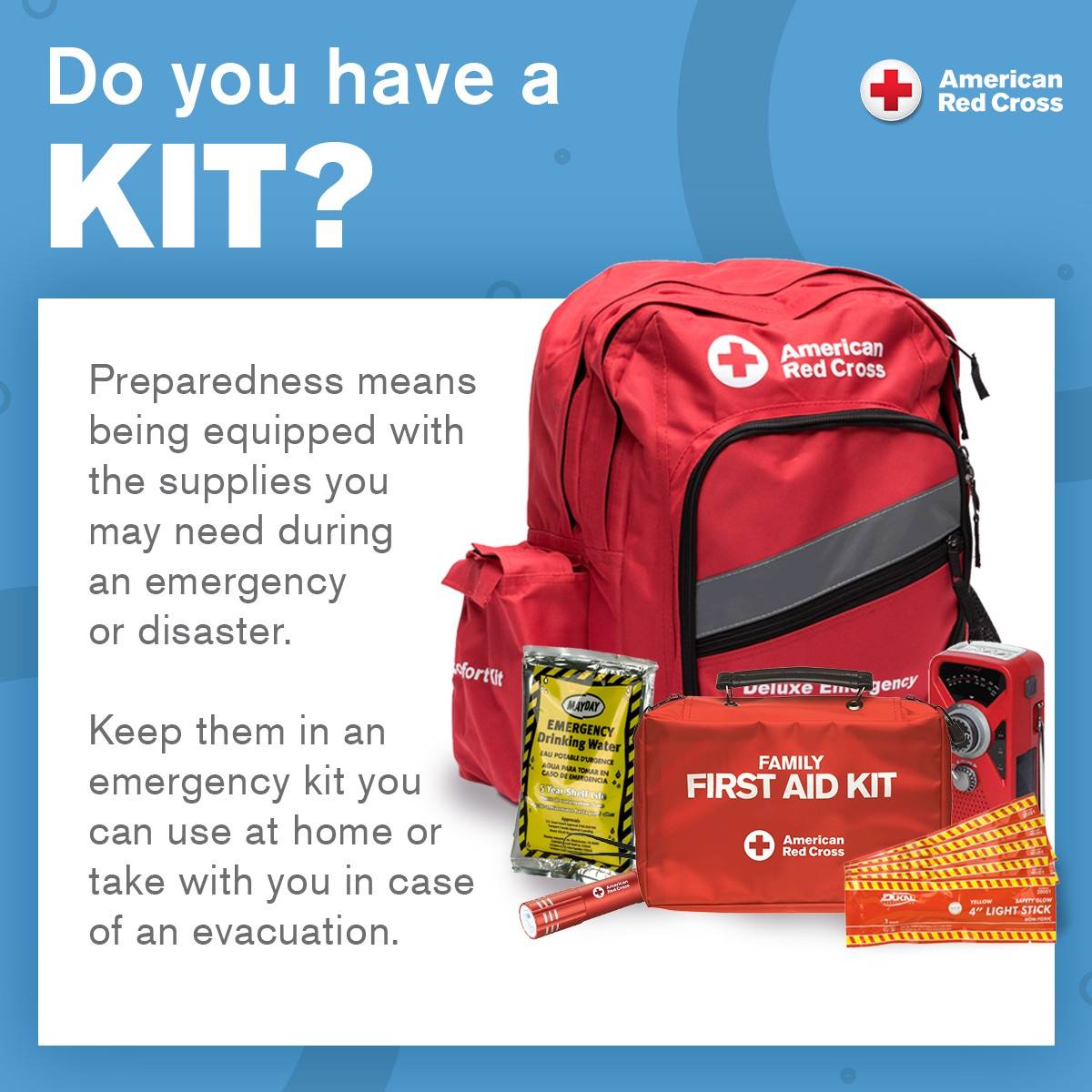
Basic emergency supplies form the foundation of any preparedness plan. These items help you stay safe and comfortable during unexpected events. Having the right supplies ready ensures quick response and peace of mind. Focus on essentials that cover hydration, nutrition, health care, lighting, and communication.
Water And Hydration
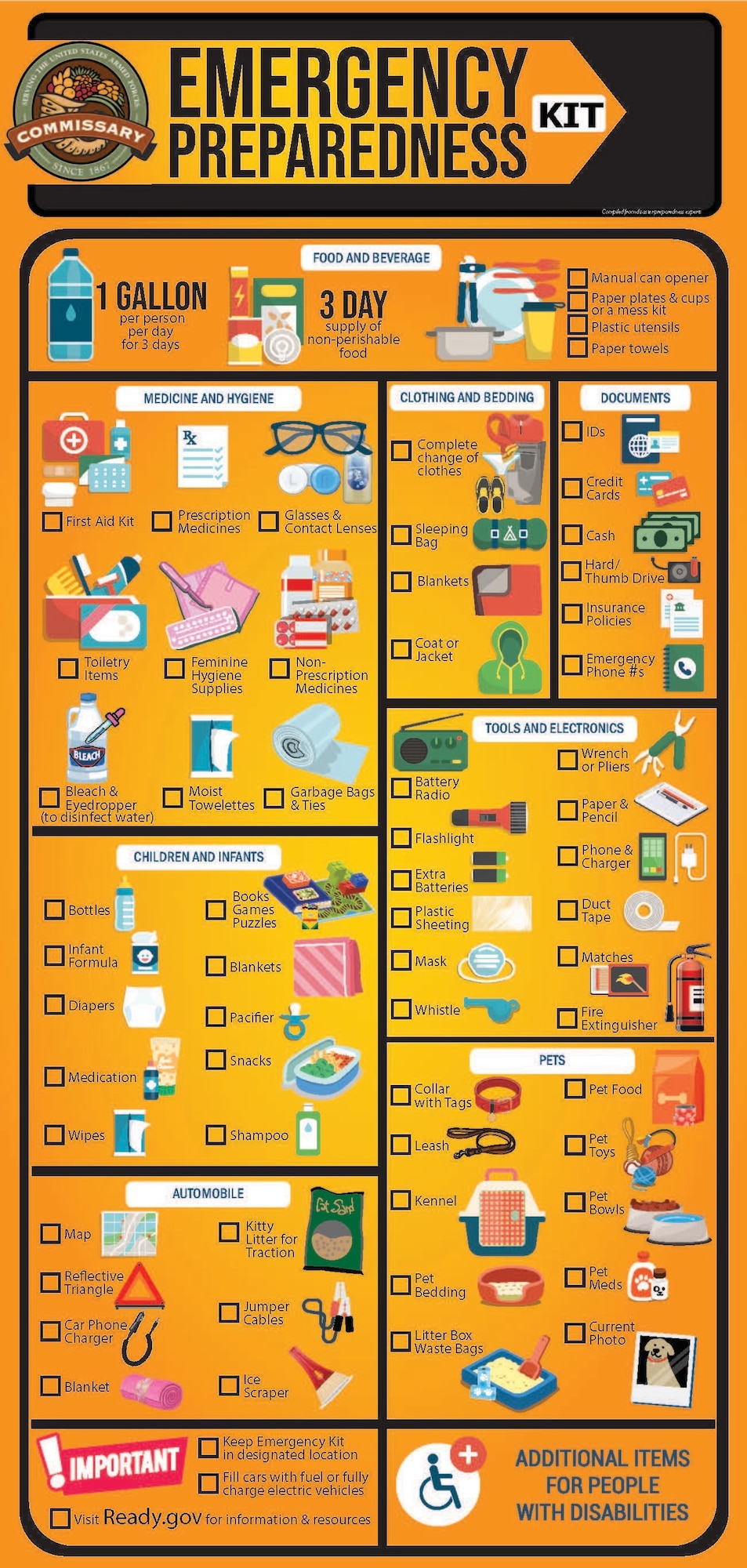
Water is the most critical supply in an emergency. Store at least one gallon per person per day. Include extra for pets and special needs. Use clean, sealed containers to avoid contamination. Water purification tablets or filters add safety if supplies run low.
Non-perishable Food
Non-perishable food lasts without refrigeration. Choose canned goods, dried fruits, nuts, and energy bars. Pick foods that are easy to prepare and eat. Check expiration dates regularly and replace expired items. Keep a manual can opener nearby.
First-aid Kit Essentials
A well-stocked first-aid kit treats minor injuries quickly. Include bandages, antiseptic wipes, adhesive tape, and gauze pads. Add scissors, tweezers, pain relievers, and any prescription medications. Regularly review and update your kit to stay prepared.
Lighting And Power
Reliable lighting helps during power outages. Pack flashlights with extra batteries or solar-powered lights. Consider lanterns for longer use. Portable power banks keep phones and devices charged. Avoid candles to reduce fire risk.
Communication Devices
Staying informed is vital during emergencies. Keep a battery-powered or hand-crank radio to receive news. Have extra batteries ready. Two-way radios help maintain contact within groups. Ensure cell phones are charged and have backup power options.
Credit: www.cdph.ca.gov
Personal Care And Sanitation
Personal care and sanitation are vital in any emergency kit. Cleanliness helps prevent illness and keeps you comfortable. Having the right supplies means you can manage basic health needs during a crisis.
Medications And Medical Supplies
Keep a supply of essential medications. Include prescription drugs and over-the-counter pain relievers. Pack a basic first-aid kit with bandages, antiseptics, and medical tape. Remember to check expiration dates often. Carry any special medical devices, like inhalers or insulin. This ensures you stay healthy when medical help is far.
Hygiene Items
Include items like soap, toothpaste, and toothbrushes. Pack hand sanitizer and wet wipes for quick cleaning. Sanitary supplies, such as feminine products and diapers, are important. Don’t forget a small towel and a comb. Clean clothes and plastic bags for waste help keep your space tidy. These items reduce infection risks and improve comfort.
Important Documents
Store copies of IDs, medical records, and insurance papers. Keep them in a waterproof folder or container. Having these documents accessible speeds up recovery and assistance. Also, include emergency contact information and any legal papers. Protecting your documents protects your identity and rights.
Cash And Financial Preparedness
Keep a small amount of cash in different bills. Credit cards and digital payments may not work during outages. Cash helps buy food, fuel, or other essentials quickly. Store money in a safe, hidden place within your kit. Financial readiness gives peace of mind in uncertain times.
Tools And Safety Gear
Having the right tools and safety gear is vital during emergencies. These items help you manage dangers and protect yourself. They also make survival tasks easier. Every emergency kit should include essential tools and protective equipment. These supplies prepare you for unexpected situations and hazards.
Utility Tools
Utility tools are basic but crucial for emergencies. A reliable multi-tool or pocket knife can perform many tasks. Include a sturdy flashlight with extra batteries for visibility. A manual can opener helps access canned food. Carry waterproof matches or a lighter to start fires. A small wrench or pliers can turn off utilities. These tools ensure you can fix, open, or create as needed.
Signaling Devices
Signaling devices alert rescuers to your location quickly. A whistle produces loud sounds without using energy. Bright signal mirrors reflect sunlight and attract attention from afar. Glow sticks provide light and can mark locations at night. Portable signal lights or flares increase visibility in dark areas. These devices improve your chances of being found fast.
Protective Equipment
Protective equipment shields you from injury and illness. Gloves protect hands from cuts, germs, and chemicals. Safety goggles shield eyes from dust, debris, and harmful substances. Masks help filter dust, smoke, or airborne germs. Helmets guard your head during physical hazards. Sturdy shoes prevent foot injuries in rough terrain. Wearing proper gear lowers risks and keeps you safer.
Customizing Your Kit
Customizing your emergency preparedness kit ensures it meets your unique needs. Each household differs in size, health conditions, and daily routines. Tailoring your supplies increases safety and comfort during emergencies. Taking time to think about your personal situation helps build a useful kit.
Family Needs
Consider the number of people in your family. Include enough food and water for everyone. Add extra clothing and blankets for different weather. Pack necessary medications and copies of important documents. Think about the ages of family members. Children may need diapers or formula. Older adults might require special medical supplies. Plan for communication tools to stay in touch.
Pet Supplies
Pets need care during emergencies too. Include food and water for each pet. Pack leashes, carriers, and waste bags. Keep any medications and vaccination records. Add familiar toys or blankets to reduce stress. Consider extra supplies for longer emergencies. Pets rely on you, so prepare for their safety.
Special Considerations
Some people have unique needs that require special items. Include supplies for disabilities or chronic illnesses. Hearing aids, glasses, or mobility aids are important. Stock extra batteries or chargers for medical devices. Consider cultural or dietary restrictions. Add comfort items for mental health support. Planning for these needs improves your kit’s effectiveness.
Where To Buy Supplies
Finding the right place to buy emergency preparedness supplies is key. Supplies must be reliable and ready when needed. Different stores offer various options. Choosing where to buy depends on convenience, price, and product range.
Local Stores
Local stores provide quick access to essential items. Hardware stores often stock flashlights, batteries, and tools. Grocery stores carry non-perishable food and bottled water. Pharmacies usually offer first-aid kits and medical supplies. Shopping locally allows you to see products before buying. It also supports your community economy.
Online Retailers
Online retailers offer a wide selection of emergency supplies. Websites provide detailed product descriptions and customer reviews. You can compare prices easily and find deals. Delivery comes directly to your door, saving time. Some popular sites specialize in survival gear and emergency kits. Always check seller ratings to ensure quality and reliability.
Specialty Suppliers
Specialty suppliers focus on emergency and survival products. They offer high-quality items designed for long-term use. Many sell water filters, freeze-dried food, and durable gear. These suppliers often provide expert advice and detailed guides. Their products suit serious preppers and first responders. Specialty shops may have higher prices but better durability.
Credit: www.dover.af.mil
Maintaining And Updating Supplies
Maintaining and updating your emergency preparedness supplies is vital for staying ready. Supplies can lose effectiveness over time. Regular care ensures everything works when needed most. Keep your kit reliable by checking it often and making changes as life evolves.
Regular Checks
Inspect your emergency supplies every few months. Look for damage, wear, or missing items. Confirm batteries still hold power. Check packaging for leaks or tears. Keep a list of what you have and what needs attention. Regular reviews prevent surprises during emergencies.
Replacing Expired Items
Many emergency items have expiration dates. Food, water, and medications can go bad. Replace expired food with fresh, non-perishable options. Swap out old water containers for clean ones. Check first-aid supplies and update any used or outdated medicines. Keeping fresh items maintains your kit’s safety and usefulness.
Adapting To Changing Needs
Your needs may change over time. Add supplies for new family members or pets. Adjust for health conditions or allergies. Update tools and equipment to match your current lifestyle. Tailoring your kit ensures it fits your personal situation perfectly. Stay flexible and ready for any situation.
Credit: www.redcross.org
Frequently Asked Questions
What Are Essential Emergency Preparedness Supplies?
Essential supplies include water, non-perishable food, a first-aid kit, flashlight with extra batteries, and a battery-powered or hand-crank radio. Personal hygiene items, essential medications, important documents, and a whistle are also crucial for emergencies.
How Much Water Should I Store For Emergencies?
Store at least one gallon of water per person per day. Plan for several days to ensure adequate hydration during emergencies or disruptions in water supply.
What Food Is Best For Emergency Kits?
Choose non-perishable, easy-to-prepare foods like canned goods, granola bars, and dried fruits. These items have long shelf lives and require minimal preparation or cooking.
Why Include A First-aid Kit In Emergency Supplies?
A first-aid kit helps treat minor injuries and stabilize conditions before professional medical help arrives. It should include bandages, antiseptics, pain relievers, and a manual for basic care.
Conclusion
Preparing emergency supplies helps keep you safe and ready. Start with water, food, and a first-aid kit. Add a flashlight, extra batteries, and a radio. Don’t forget personal hygiene items and important documents. Customize your kit for your family’s unique needs.
Regularly check and update your supplies to stay prepared. Being ready reduces stress during emergencies. Small steps today protect you tomorrow. Stay safe, stay prepared.