
Creating a safe home for your little ones is more than just a priority—it’s peace of mind. You want your child to explore freely without constant worry about hidden dangers around every corner.
That’s where smart child proof house ideas come in. Imagine a space where you can relax, knowing sharp edges are softened, cabinets locked, and electrical outlets protected. You’ll discover simple, effective ways to childproof your home that fit your lifestyle and budget.
Keep reading to transform your house into a secure haven that lets your child grow, play, and learn safely.
Key Hazards In Homes
Creating a safe home for children starts with understanding the key hazards. Homes contain many hidden dangers that can cause injuries. Recognizing these hazards helps parents and caregivers take action. This knowledge is essential for effective childproofing.
Common Injury Risks
Sharp corners and edges on furniture can cause cuts and bruises. Electrical outlets pose shock risks if left uncovered. Small objects on the floor create choking hazards. Hot surfaces like stoves and heaters can burn little hands. Medicines and cleaning products stored within reach lead to poisoning. Slippery floors increase the chance of falls. Unsecured heavy furniture may tip over during play.
Danger Zones For Children
Kitchens are risky due to knives, hot appliances, and chemicals. Bathrooms hold dangers like water drowning and slippery tubs. Stairs can cause serious falls without gates. Living rooms often have cords and small items children can grab. Windows without locks or guards risk falls. Garages and basements often contain toxic substances and tools. Outdoor areas need fences to prevent wandering and injury.
Furniture Safety
Furniture safety plays a big role in making a home safe for children. Kids love to explore and climb. Unstable furniture can cause accidents and injuries. Taking simple steps to secure furniture protects your child and gives you peace of mind.
Securing Heavy Items
Heavy furniture like bookshelves and dressers can tip over easily. Use wall anchors or straps to fix them to the wall. This stops furniture from falling if a child pulls or climbs on it. Place TVs on low, sturdy stands or mount them on the wall. Keep heavier items on lower shelves to reduce risk.
Corner And Edge Protection
Sharp corners on tables and counters can hurt little heads and bodies. Use corner guards made of soft materials like rubber or foam. These cushions absorb impact and prevent cuts or bruises. Edge protectors can cover long edges of furniture like desks. Check these guards regularly to keep them in place and safe.
Electrical Safety
Electrical safety is a top priority in any child proof house. Young children are naturally curious and may try to touch or insert objects into electrical outlets. This can lead to serious injuries or electric shocks. Taking simple steps to secure electrical areas helps protect your child and gives you peace of mind.
Outlet Covers And Plugs
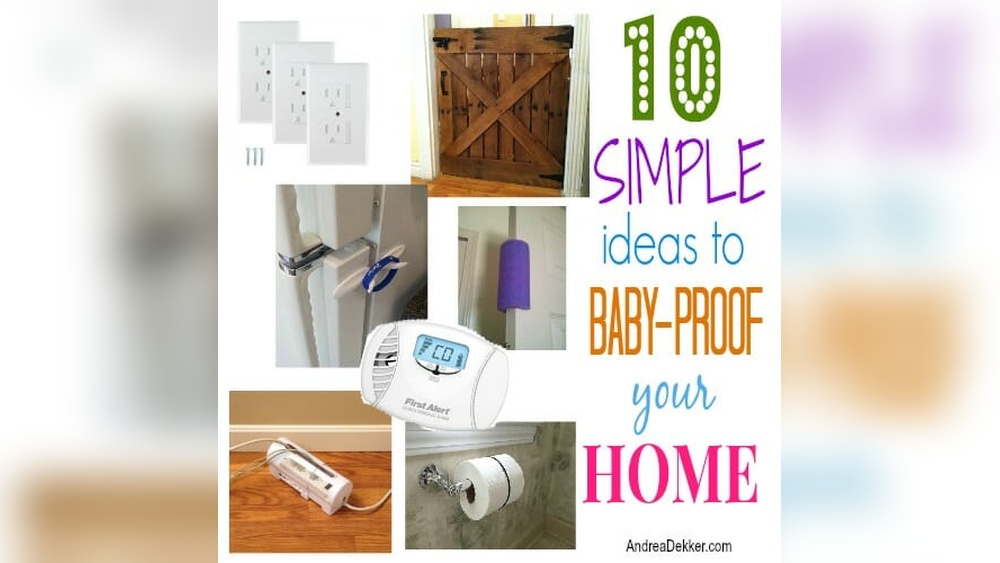
Use outlet covers on all unused sockets. These covers block children from inserting fingers or objects. Choose snug-fitting plastic covers that are hard to remove. Sliding outlet covers work well for frequently used sockets, allowing adults easy access.
Plug protectors are also effective. They fit directly into outlets and prevent access. Always check that covers and plugs meet safety standards. Replace any damaged or loose covers immediately to maintain safety.
Cord Management Tips
Keep all electrical cords out of reach. Children may pull on cords, causing appliances to fall. Use cord shorteners or wraps to reduce loose lengths. Secure cords along walls or furniture with clips or ties.
Avoid using cords near play areas. Hide cords behind furniture or use cord covers. Regularly inspect cords for wear or damage. Replace frayed or broken cords to prevent hazards. Proper cord management reduces tripping risks and keeps children safe.
Credit: www.thebump.com
Door And Cabinet Locks
Securing doors and cabinets is key to creating a safe home for children. Locks prevent access to areas with sharp, heavy, or hazardous items. They help parents keep curious kids from danger without constant supervision. Choosing the right locks can save time and stress for families.
Latch And Lock Options
There are many latch and lock types for childproofing. Magnetic locks stay hidden inside cabinets and open with a special key. Slide locks prevent drawers from opening beyond a certain point. Lever door locks fit over door handles and block turning. Top-of-door locks sit high, out of children’s reach.
Pick locks that suit your doors and cabinets. Look for easy adult use but hard for kids to open. Durable materials last longer and resist tampering. Test locks regularly to ensure they still work well.
Diy Door Safety Solutions
DIY solutions can be budget-friendly and effective. Use rubber bands looped around door handles to keep doors closed. Place plastic covers over knobs to make gripping hard. Secure a fork between a door and frame as a simple blocker. Velcro strips can hold cabinet doors shut.
DIY ideas work well for temporary needs or rentals. Always check the safety of homemade locks. Avoid sharp edges or parts that can break off. Combine DIY methods with store-bought locks for better protection.
Bathroom Safety
The bathroom is one of the most dangerous rooms for young children. It has hard surfaces and water, which can cause slips and falls. Small children also find toilets curious, which can be risky. Creating a safe bathroom space is key to preventing accidents and injuries. Simple changes can make a big difference in bathroom safety.
Toilet Seat Locks
Toilet seat locks stop children from opening the lid. This prevents accidental falls into the toilet. Locks also keep children from playing with water or flushing items that can clog pipes. Many locks are easy to install and use. Choose a lock that fits your toilet and is hard for kids to remove.
Slip-resistant Surfaces
Bathrooms get wet quickly, making floors slippery. Slip-resistant mats or stickers help keep children safe. Place these inside the bathtub and on bathroom floors. These surfaces reduce the risk of falls. Make sure mats have a strong grip and dry quickly. This keeps your child steady while they move around.
Kitchen Precautions
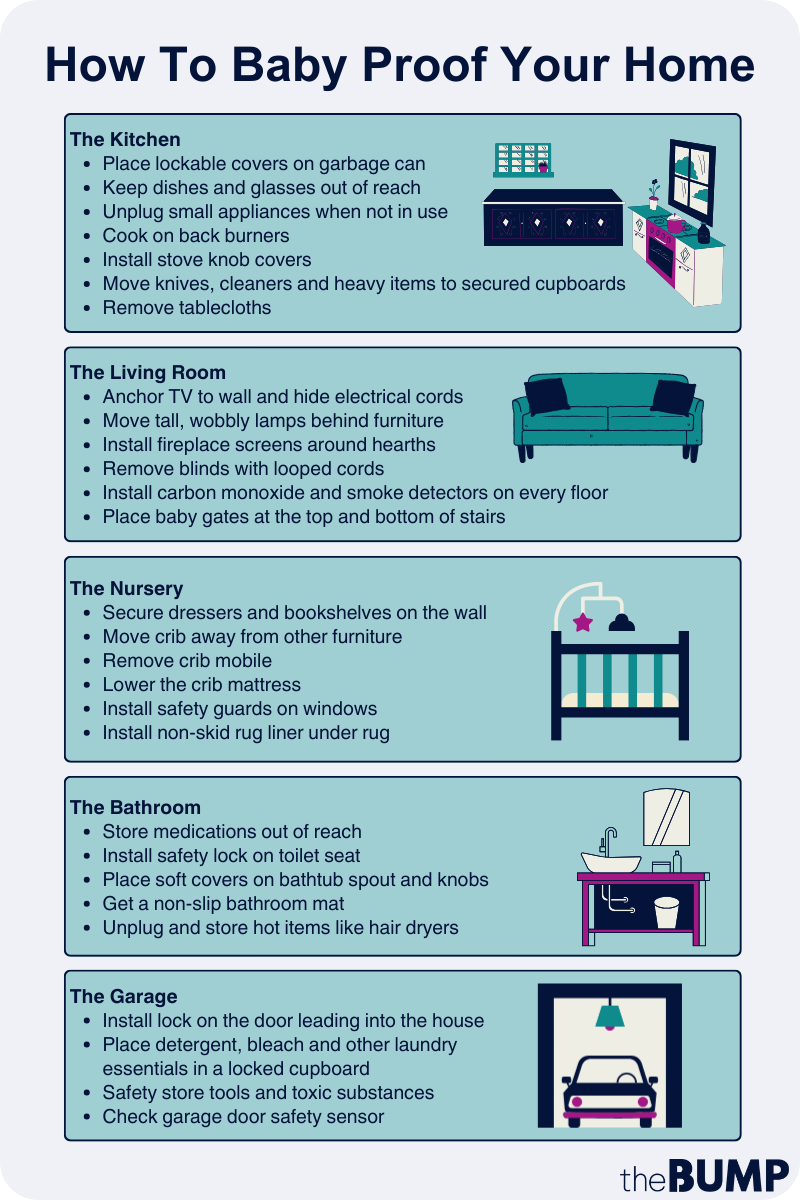
The kitchen is one of the most dangerous places for young children. Sharp tools, hot surfaces, and chemicals create many risks. Taking precautions here helps keep your child safe. Simple steps can prevent accidents and injuries.
Organize the kitchen to limit your child’s access to hazards. Use safety devices and smart storage ideas. This creates a safer environment without losing the kitchen’s functionality.
Appliance Safeguards
Keep all small appliances unplugged when not in use. Use outlet covers to prevent children from plugging them in. Install stove knob covers to stop children from turning burners on. Always use the back burners when cooking. Keep hot pots and pans away from edges. Secure the oven door with a child lock.
Safe Storage Of Hazardous Items
Store cleaning products in high cabinets or locked cupboards. Use childproof latches on all lower cabinets. Keep knives and sharp objects out of reach. Store medications and vitamins in a locked box. Avoid leaving plastic bags or small items where children can grab them. Regularly check that all locks and latches work properly.
Window And Stair Safety
Windows and stairs pose serious risks for young children in any home. Securing these areas prevents falls and injuries. Simple safety measures make your house safer and more child-friendly. Focus on strong barriers and reliable locks to keep kids safe around windows and staircases.
Window Guards And Locks
Window guards block open windows to stop children from falling. Choose guards with quick-release features for emergencies. Install locks on all windows to limit how far they open. These locks keep windows shut or open just a little. Check window screens—they do not protect against falls. Use window stops or window wedges to control opening size. Always place furniture away from windows to avoid climbing hazards.
Baby Gates And Barriers
Baby gates block stairways and dangerous rooms. Use gates at both the top and bottom of stairs. Choose gates that securely attach to walls or banisters. Pressure-mounted gates are easy to install but less secure. Hardware-mounted gates offer stronger protection. Check gate height and spacing to prevent climbing or squeezing through. Close gates properly every time to keep children safe. Consider extra barriers for open staircases or large rooms.
Toys And Play Area Setup
Setting up a safe play area is key to childproofing your home. A well-organized toys and play space keeps children happy and secure. The right setup encourages play and learning while reducing risks.
Choosing safe toys and creating child-friendly spaces are essential steps. These help prevent accidents and keep the environment clean and fun. Parents and caregivers can enjoy peace of mind knowing children are protected.
Safe Toy Selection
Select toys that suit your child’s age and skills. Check for small parts that could cause choking hazards. Avoid toys with sharp edges or toxic materials. Look for labels that confirm toys meet safety standards. Durable toys reduce the risk of breakage and injury. Regularly inspect toys for wear and tear. Remove any damaged toys immediately to prevent harm.
Creating Child-friendly Spaces
Designate a specific area for play to keep toys contained. Use soft mats or rugs to cushion falls. Store toys in low bins or shelves for easy access. Keep the play area free from clutter to prevent trips. Choose furniture with rounded edges to avoid bumps. Ensure the space has good lighting and ventilation. Regularly clean and disinfect the play zone to maintain hygiene.
Monitoring And Supervision Tools
Monitoring and supervision tools play a crucial role in creating a child proof house. These tools help parents keep an eye on their little ones from a distance. They provide peace of mind and ensure safety throughout the home. Using technology, parents can quickly respond to any potential dangers or needs.
Baby Monitors
Baby monitors allow parents to listen or watch their babies in real time. Audio monitors pick up sounds like crying or fussing. Video monitors add a live picture, showing the baby’s movements and surroundings. Some models connect to smartphones, enabling parents to check on their child anywhere. Features often include night vision, two-way talk, and temperature sensors. These monitors help prevent accidents by alerting parents early.
Safety Cameras
Safety cameras can be placed in various rooms to track children’s activities. They offer a broader view of the house, not just the nursery. Many cameras provide live streaming and recording options. Alerts can be set up to notify parents of unusual motion or sounds. Some cameras have zoom and pan functions for better coverage. Using safety cameras helps ensure children stay safe in different parts of the home.
Credit: www.architecturaldigest.in
Budget-friendly Childproofing
Childproofing your home does not have to drain your wallet. Budget-friendly childproofing focuses on affordable ways to make your house safe. You can protect your little ones without spending too much money. Smart choices and simple fixes help keep your home secure.
Affordable Safety Products
Many safety products cost less than you think. Outlet covers prevent shocks and cost just a few dollars. Cabinet locks stop children from reaching harmful items. Corner guards protect kids from sharp furniture edges. Use door stoppers to keep fingers safe from slamming. These items are easy to find in stores or online. Investing in a few key pieces goes a long way.
Creative Diy Ideas
DIY childproofing saves money and can be fun. Use soft foam to cover sharp table corners. Attach Velcro strips to secure rugs and prevent falls. Create door alarms with bells to hear when doors open. Use old socks to cushion door handles and knobs. Repurpose baby gates or pet fences to block unsafe areas. These ideas use items you already have at home.
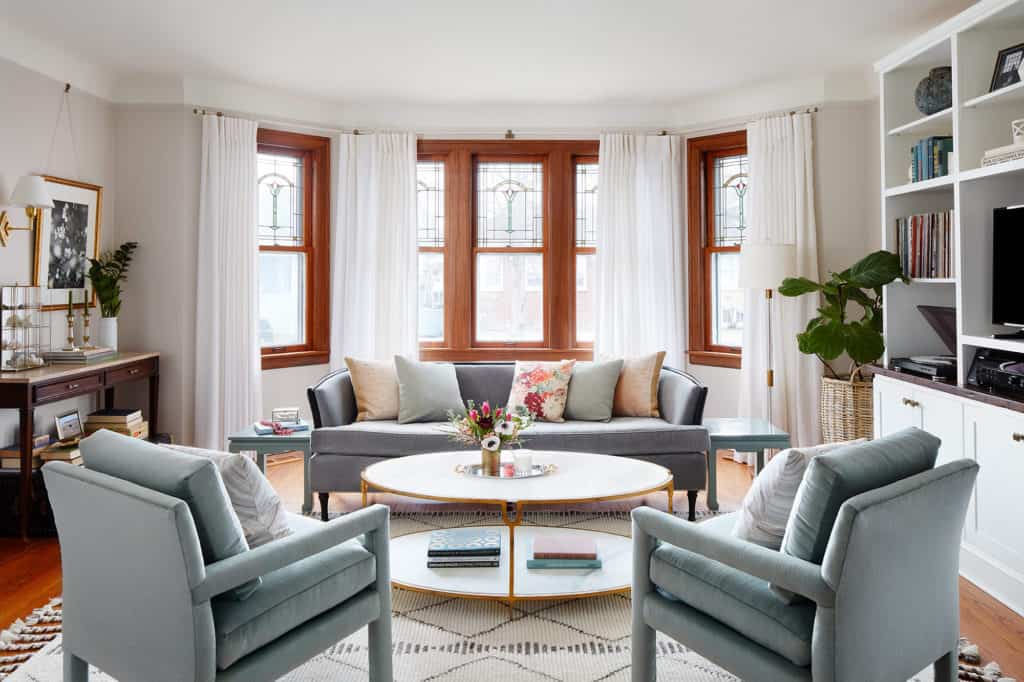
Credit: centeredbydesign.com
Frequently Asked Questions
How Can I Childproof My House?
Install baby gates, cabinet latches, and outlet covers. Secure heavy furniture to walls. Use door knob covers and toilet locks. Remove choking hazards and keep small objects out of reach. Regularly check for new risks to ensure ongoing safety.
How Much Does It Cost To Babyproof A House?
Babyproofing a house typically costs between $50 and $200, depending on needed safety devices and home size.
What Can You Use Instead Of Door Monkey?
Alternatives to Door Monkey include GlideLok and Safety Innovations top door locks, plastic doorknob covers, Door Buddy strap latches, or DIY rubber band solutions. These options secure doors out of children’s reach and fit various handle types effectively.
When To Babyproof A House?
Start babyproofing your home when your baby begins to crawl or explore, typically around 6 to 9 months old. Prioritize safety before they reach hazardous areas. Early preparation prevents accidents and creates a secure environment for your child’s growth and curiosity.
Conclusion
Creating a safe home for children takes simple, thoughtful steps. Secure furniture and cover sharp edges to prevent injuries. Use locks and gates to limit access to risky areas. Regularly check for new hazards as your child grows. Childproofing helps kids explore safely and gives parents peace of mind.
Small changes make a big difference in safety. Keep your home a secure and happy place for little ones.