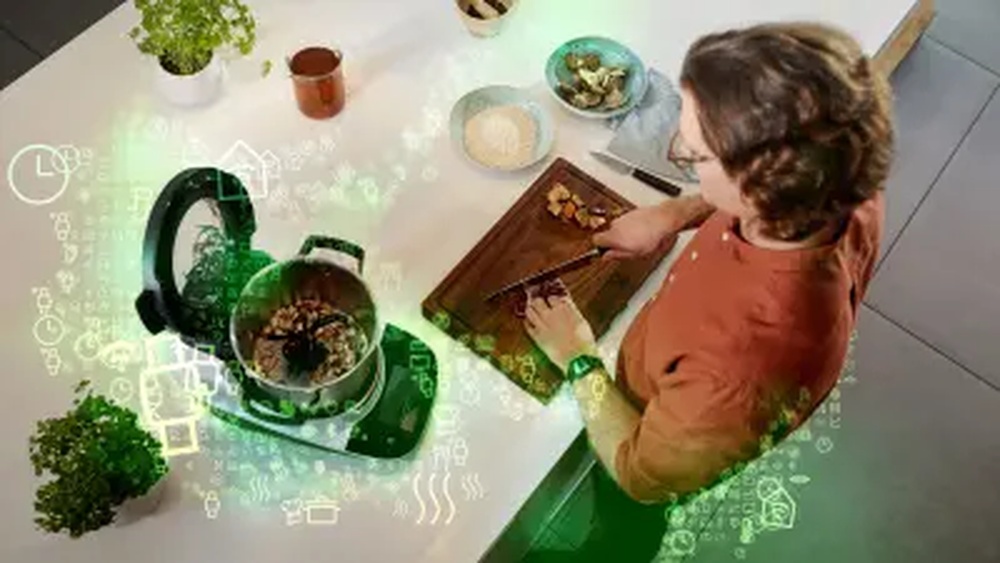

Imagine walking into your kitchen and having your meal prepared perfectly without lifting a finger. Sounds like a dream, right?
But with smart kitchens that cook food themselves, this is becoming a reality. You no longer need to worry about chopping, stirring, or timing your dishes just right—your kitchen handles it all. Whether you’re short on time or simply want to enjoy delicious meals effortlessly, these intelligent systems are designed to make your life easier and your food tastier.
Curious how this technology works and what it means for your daily routine? Keep reading to discover how smart kitchens are transforming the way you cook and live.
Credit: www.imthecheftoo.com
Smart Kitchen Technology
Smart kitchen technology changes how we prepare meals at home. It brings tools that cook food by themselves. These tools help save time and reduce cooking stress. Kitchens become more efficient and fun.
Devices use advanced systems to understand cooking needs. They adjust heat, timing, and even ingredients automatically. This technology suits busy people and those learning to cook.
Ai-powered Cooking Devices
AI-powered devices learn cooking styles and recipes. They adjust cooking steps based on food type and desired taste. These devices can suggest meal ideas too. They improve with each use, making meals better over time.
Robotic Kitchen Assistants
Robotic assistants perform tasks like chopping, stirring, and frying. Some robots can prepare whole meals from start to finish. They follow precise instructions to ensure perfect results. These assistants free up your time and reduce mistakes.
Connected Appliances And Iot
Connected appliances link through the Internet of Things (IoT). They communicate to coordinate cooking tasks smoothly. For example, the oven can start after the mixer finishes. You can control appliances remotely using a smartphone. This connection makes kitchen work seamless and smart.

Credit: www.bosch.com
Automated Cooking Features
Automated cooking features bring ease and precision to smart kitchens. These features allow kitchens to prepare meals with minimal human effort. They manage tasks from measuring ingredients to cooking and taste adjustment. This technology helps save time and reduces cooking errors. It also ensures consistent meal quality every time.
Ingredient Measurement And Preparation
Smart kitchens use sensors to measure ingredients accurately. They can weigh, chop, and mix ingredients automatically. This removes guesswork and ensures perfect portions. The system prepares ingredients ready for cooking. It reduces waste and improves meal consistency.
Cooking Process Control
Automated systems control heat, timing, and cooking methods. They adjust settings to suit different recipes and foods. This precision prevents undercooking or burning. Sensors monitor progress and make real-time changes. Users can trust their meals cook perfectly without watching.
Adaptive Taste Customization
Smart kitchens learn user preferences and adjust flavors accordingly. They can change seasoning levels based on past feedback. This helps create meals tailored to individual tastes. The system can also suggest new recipes based on preferences. It makes cooking more personal and enjoyable.
Leading Smart Kitchen Products
Smart kitchens bring new technology to cooking at home. These products cook meals with little human help. They use robotics and artificial intelligence to save time and effort.
Here are some top smart kitchen products that cook food themselves. Each uses unique features to help users prepare meals easily and quickly.
Moley Robotic Kitchen
Moley offers the first fully robotic kitchen for homes. It can prepare complex meals from start to finish. The robot arms mimic human hand movements with great precision. It even cleans up after cooking.
This system uses a large recipe library. Users can select dishes through a touchscreen. Moley handles chopping, mixing, cooking, and plating without human help.
Culina By Tesla Food Tech
Culina is Tesla’s new smart kitchen device. It combines AI and robotics to cook meals automatically. This product learns user preferences and adapts recipes accordingly.
The machine controls temperature and timing for perfect results. It helps save time and reduces cooking mistakes. Culina aims to bring advanced food tech into everyday kitchens.
Robochef Innovations
RoboChef focuses on smart cooking robots for home use. Their devices handle all cooking steps, from ingredient preparation to serving. They use sensors to monitor food quality during cooking.
These robots adjust cooking based on taste feedback. RoboChef products reduce the need for kitchen skills. They make cooking faster and more consistent for users.

Credit: www.alzstore.com
Benefits Of Smart Kitchens
Smart kitchens that cook food themselves bring many benefits. They make cooking easier and fit busy lives. These kitchens save time, ensure meals taste great, and help manage health through better nutrition. Smart technology changes how people prepare food at home.
Time Efficiency And Convenience
Smart kitchens reduce cooking time significantly. Automated devices handle preparation and cooking steps. Users can start meals remotely or schedule cooking times. This frees up time for other tasks or relaxation. No need to watch pots or adjust heat constantly. Cooking becomes simple and stress-free.
Consistent Meal Quality
Smart kitchens deliver consistent results every time. They measure ingredients precisely and control cooking temperatures. This avoids undercooked or burnt food. Meals taste the same on busy days or weekends. Such kitchens help users enjoy restaurant-quality food at home. Perfect dishes become a daily routine.
Health And Nutrition Management
Smart kitchens support healthy eating habits. They track nutritional information of ingredients and meals. Users can set dietary goals and preferences easily. The kitchen suggests recipes that match health needs. Portion control helps manage calorie intake. This technology encourages balanced, nutritious meals without extra effort.
Challenges And Limitations
Smart kitchens that cook food themselves bring great convenience. Still, they face several challenges and limitations. These issues affect user experience and technology adoption. Understanding these challenges helps users make better choices.
Data Privacy Concerns
Smart kitchens collect a lot of personal data. This data includes eating habits and schedules. Storing and sharing this data can risk privacy breaches. Hackers might access sensitive information easily. Users worry about who controls their data. Manufacturers must improve data protection measures.
Repair And Maintenance Complexity
Smart kitchen devices have complex systems inside. Repairing them often requires expert knowledge. Finding specialists can be difficult and costly. Some parts may be hard to replace. Maintenance tasks are not simple for average users. Regular updates and checks are necessary to keep devices working well.
Dependence On Connectivity
Most smart kitchens rely on internet connections. Without stable Wi-Fi, devices may stop working. This dependence limits use in areas with poor connectivity. Network failures cause interruptions in cooking processes. Smart kitchens cannot perform fully offline. Backup options are essential to avoid disruptions.
Technology Obsolescence
Smart kitchen technology evolves very fast. Devices become outdated quickly. Users might need to upgrade frequently to keep features. Older products may lose support from manufacturers. This leads to wasted money and electronic waste. Choosing future-proof technology is a challenge for buyers.
Cost And Accessibility
Smart kitchens that cook food themselves bring new convenience to homes. Understanding their cost and accessibility helps many decide on adopting this technology. The prices vary widely and affect how quickly people can start using these devices. Planning a gradual approach can ease the transition into a smarter kitchen. Over time, these devices may save money by reducing food waste and cooking time.
Price Ranges Of Devices
Smart kitchen devices come in many price ranges. Basic models start around a few hundred dollars. Advanced robotic chefs can cost several thousand dollars. Some devices include features like recipe guidance or automatic stirring. High-end models may offer full meal preparation from start to finish. The price depends on brand, features, and cooking capabilities.
Gradual Adoption Strategies
Adopting smart kitchen tech can happen step-by-step. Start with simple devices like smart ovens or timers. Add more advanced tools such as robotic arms later. This approach spreads out the cost and learning process. It allows users to get comfortable with each device. Gradual adoption helps avoid overwhelming changes in the kitchen.
Cost-effectiveness Over Time
Smart kitchens may reduce cooking mistakes and food waste. They can save energy by cooking more efficiently. Over time, these savings may cover the initial cost. Automated cooking also frees up time for busy households. Regular use of smart devices can improve meal quality. Long-term benefits support the investment in smart kitchen technology.
Future Trends In Smart Kitchens
The future of smart kitchens promises exciting changes in how we prepare meals. Kitchens that cook food themselves are becoming more intelligent and connected. Advances in technology will shape the way we plan, cook, and manage food at home. These trends focus on convenience, efficiency, and reducing waste. They aim to make cooking easier and more enjoyable for everyone.
Ai-driven Meal Planning
Artificial intelligence will help create personalized meal plans. It learns your tastes, dietary needs, and schedule. AI suggests recipes that fit your preferences and available ingredients. It can adjust plans based on health goals or allergies. This reduces food waste and saves time. Meal planning will become smarter and more adaptive.
Integration With Smart Home Systems
Smart kitchens will connect with other home devices seamlessly. Your oven, fridge, and lights will work together. Voice assistants will control cooking appliances hands-free. Sensors will monitor food freshness and notify you. Integration improves safety and energy efficiency. Managing your kitchen will become simpler and more automated.
Sustainability And Waste Reduction
Future smart kitchens focus on reducing food waste and energy use. Appliances will track expiration dates and suggest recipes to use leftovers. Smart composting systems will handle organic waste efficiently. Energy-saving cooking modes will lower utility bills. These trends promote a greener lifestyle and responsible consumption.
Frequently Asked Questions
What Are The Disadvantages Of A Smart Kitchen?
Smart kitchens can face data privacy risks and rely heavily on internet connectivity. Repairs often require experts. Technology becomes outdated quickly, increasing replacement costs.
How Much Does A Robochef Cost?
RoboChef prices typically range from $5,000 to $20,000 depending on features and models. Check official sites for exact costs.
How Much Does The Moley Robot Cost?
The Moley robot costs around $30,000 to $40,000. Prices vary based on features and installation.
What Is Elon Musk’s $5000 Robot That Cooks Better Than Chefs?
Elon Musk’s $5000 robot, Culina, cooks meals better than chefs using AI and robotics. It automates cooking efficiently at home.
Conclusion
Smart kitchens bring ease and efficiency to daily cooking. They save time by handling tasks automatically. Cooking becomes less stressful and more consistent. These kitchens adapt to your preferences and needs. While smart kitchens need reliable internet, their benefits shine.
They help busy people enjoy home-cooked meals more often. Embracing this technology means a simpler, smarter kitchen life. The future of cooking is here—quiet, quick, and helpful.