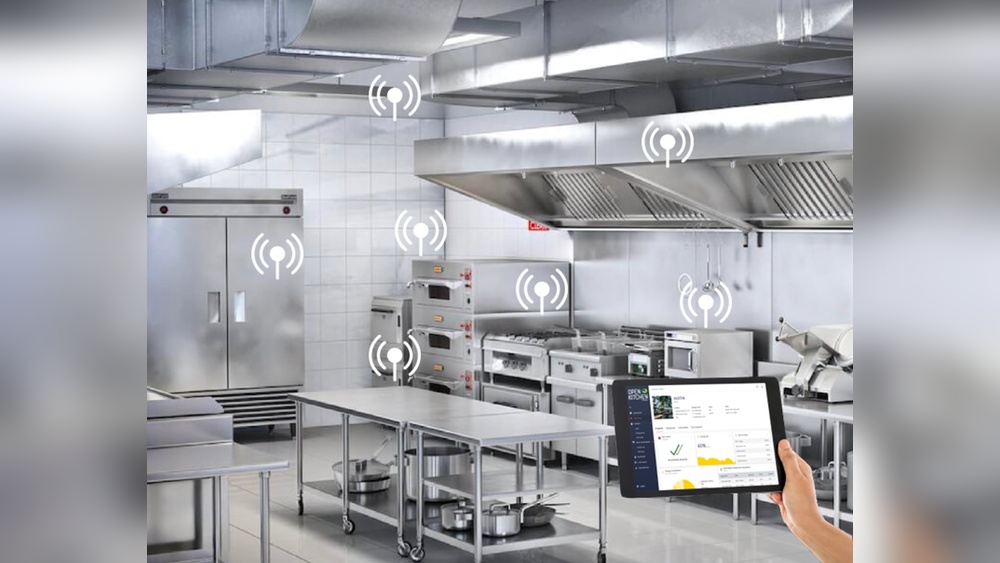

Imagine your commercial kitchen running smoother than ever—where equipment talks to you, cooking times adjust automatically, and waste drops dramatically. This is not a futuristic dream; it’s the power of smart commercial kitchens.
If you want to boost your kitchen’s efficiency, cut costs, and serve better food faster, you need to understand how smart technology can transform your space. Ready to discover how your kitchen can become smarter and more profitable? Keep reading to find out the game-changing innovations that are reshaping the way commercial kitchens operate.
Smart Kitchen Technologies
Smart kitchen technologies transform commercial kitchens into efficient, modern spaces. These technologies connect equipment, automate tasks, and enable remote control. They improve workflow, reduce errors, and save energy.
Smart kitchens help restaurants and food businesses operate smoothly. They enhance food quality and keep kitchens running safely and cleanly. Technology integration is key for competitive commercial kitchens.
Connected Appliances
Connected appliances link kitchen devices to a central system. Ovens, refrigerators, and dishwashers communicate via Wi-Fi or Bluetooth. This connection allows real-time data sharing and control.
Staff can monitor appliance status and adjust settings quickly. Connected appliances reduce downtime by alerting about maintenance needs. They also help track energy use and improve kitchen safety.
Automation Features
Automation features streamline repetitive kitchen tasks. Machines can cook, mix, or clean with minimal human input. This reduces labor costs and minimizes human errors.
Timers, sensors, and smart controls optimize cooking times and temperatures. Automation ensures consistent food quality and faster preparation. It frees staff to focus on creative and customer-focused work.
Remote Monitoring
Remote monitoring lets managers control kitchen equipment from anywhere. Mobile apps and cloud platforms provide updates on appliance health and performance.
Alerts notify staff of problems before they escalate. This prevents costly breakdowns and food waste. Remote monitoring supports better decision-making and efficient kitchen management.
Efficiency Benefits
Smart commercial kitchens bring many efficiency benefits to food businesses. They streamline operations, reduce manual work, and improve overall productivity. These kitchens use advanced technology and connected equipment to save time, cut energy use, and minimize waste. The result is smoother workflows and lower costs.
Time Savings
Smart kitchens automate cooking and prep tasks. Timers and sensors control cooking times precisely. Staff can focus on other duties while machines handle routine work. Orders are prepared faster, reducing wait times. Remote control features allow chefs to manage appliances from anywhere. These tools speed up kitchen processes significantly.
Energy Optimization
Connected equipment monitors energy consumption constantly. It adjusts power use to match real-time needs. Appliances turn off automatically when not in use. Smart ovens and refrigerators maintain optimal temperatures efficiently. Energy savings lower utility bills and reduce environmental impact. Efficient energy use supports sustainable kitchen operations.
Reduced Waste
Smart kitchens track ingredient use and inventory closely. They alert staff about expiring items to prevent spoilage. Precision cooking reduces overproduction and leftover food. Sensors detect when food is ready to avoid overcooking. Waste tracking helps managers identify inefficiencies. This leads to less food waste and higher savings.
Food Safety Enhancements
Food safety is a top priority in commercial kitchens. Smart commercial kitchens use advanced technology to improve food safety standards. These innovations help reduce risks and ensure clean, safe meals. They support kitchen staff by providing tools that monitor and control food safety factors continuously.
Real-time Monitoring
Smart kitchens use sensors to track food safety conditions in real time. These sensors monitor temperature, humidity, and cleanliness. Alerts notify staff immediately if a problem occurs. This fast response helps prevent food spoilage and contamination. Real-time data keeps kitchens safe and compliant with health rules.
Automated Compliance
Smart systems automate food safety checks and record keeping. They log data automatically to meet health regulations. This reduces human error and saves time on manual paperwork. Automated compliance ensures kitchens follow safety protocols consistently. It also helps prepare for inspections with accurate records ready.
Temperature Control
Temperature is critical for food safety in commercial kitchens. Smart kitchens use connected devices to control cooking and storage temperatures precisely. These devices adjust settings automatically to stay within safe ranges. Proper temperature control stops bacteria growth and keeps food fresh longer. Staff can monitor temperatures remotely for added security.

Credit: powerhousedynamics.com
Cost Management
Cost management is vital in smart commercial kitchens. It helps reduce waste and control expenses effectively. Smart technology offers tools to track costs precisely and improve kitchen operations.
Inventory Tracking
Smart kitchens use digital systems to monitor inventory in real time. These systems alert staff when supplies run low. They also prevent over-ordering, which reduces food waste. Accurate inventory tracking saves money and keeps the kitchen running smoothly.
Maintenance Alerts
Equipment maintenance is crucial to avoid costly repairs. Smart kitchens send alerts when machines need service. Timely maintenance extends equipment life and prevents breakdowns. This reduces unexpected costs and keeps operations efficient.
Labor Optimization
Smart kitchens analyze staff tasks to improve scheduling. They identify peak times and adjust labor accordingly. Optimized labor reduces overtime and idle time. This lowers labor costs while maintaining service quality.
Staff Empowerment
Staff empowerment is vital in smart commercial kitchens. It boosts confidence and improves work quality. Empowered staff handle tasks efficiently and adapt quickly to changes. Smart kitchen technology supports this by making daily operations easier.
Simplified Operations
Smart kitchens use automated tools to reduce manual work. Tasks like cooking, monitoring, and inventory become straightforward. Staff spend less time on repetitive chores. This allows them to focus on food quality and customer service.
Training Support
Smart kitchens offer clear, easy-to-follow guides and tutorials. New employees learn faster with step-by-step instructions. Training is consistent, which reduces mistakes. Staff feel confident using new equipment and techniques.
Collaboration Tools
Smart kitchens include communication tools for team coordination. Staff can share updates instantly and solve problems together. These tools help avoid misunderstandings and delays. Teamwork improves, creating a smoother kitchen workflow.
Implementation Strategies
Implementing smart commercial kitchens requires careful planning and clear strategies. These strategies ensure the technology works smoothly and improves kitchen operations. Focus on equipment choices, integration, and future growth.
Choosing Equipment
Select equipment that fits your kitchen size and menu needs. Look for devices with easy controls and reliable support. Prioritize energy-efficient models to lower utility costs. Choose tools that offer remote monitoring and automation features. Check compatibility with existing kitchen tools to avoid extra costs.
Integration Tips
Connect smart devices through a central system for better control. Use software that can sync with your ordering and inventory systems. Train staff to use new tools effectively and safely. Test integration in phases to find and fix issues early. Keep security in mind to protect sensitive kitchen data.
Scalability Considerations
Plan for growth by choosing scalable technology solutions. Pick equipment that can handle increased workload without major upgrades. Ensure software supports adding new devices easily. Think about future menu changes and kitchen expansions. Investing in scalable systems saves money and reduces disruptions later.
Future Trends
The future of smart commercial kitchens promises exciting changes. These kitchens will be smarter, greener, and more connected. Innovations will help businesses save time and money. Efficiency and sustainability will drive new developments.
Ai And Machine Learning
AI will analyze kitchen data to improve operations. Machines will learn from patterns to reduce waste. Predictive cooking can adjust temperatures for perfect meals. AI can help manage inventory and order supplies automatically. This technology will make kitchens faster and more precise.
Sustainability Focus
Eco-friendly appliances will lower energy and water use. Kitchens will use sensors to avoid overcooking and reduce waste. Sustainable materials will replace plastics and harmful chemicals. Energy management systems will optimize electricity use. These changes will help kitchens reduce their carbon footprint.
Smart Kitchen Ecosystems
Devices will connect seamlessly for smooth workflow. Ovens, refrigerators, and fryers will share real-time data. Chefs can control equipment from tablets or phones. Cloud systems will track food safety and maintenance needs. This integration will boost productivity and reduce errors.
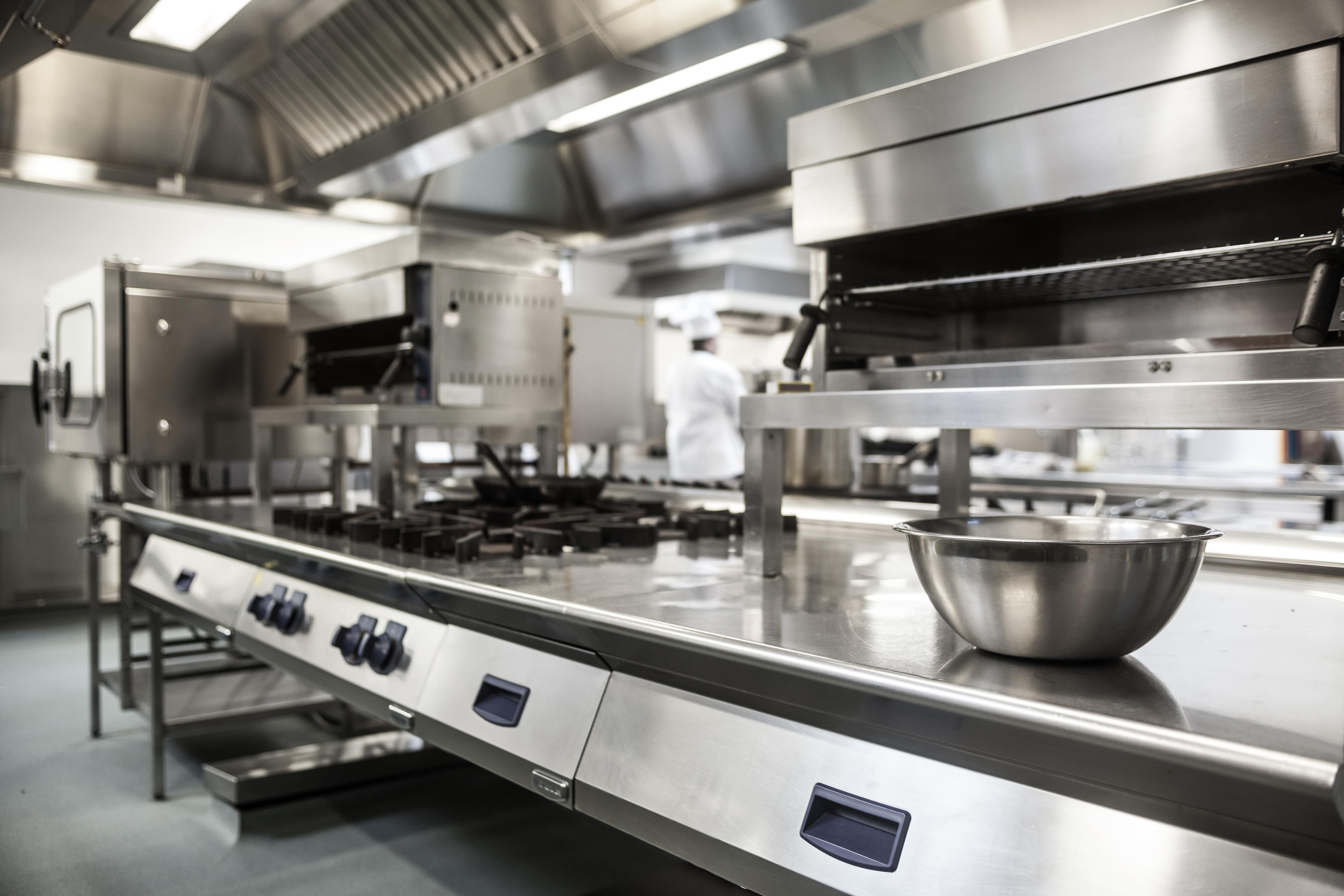
Credit: mathiasfoodservice.com
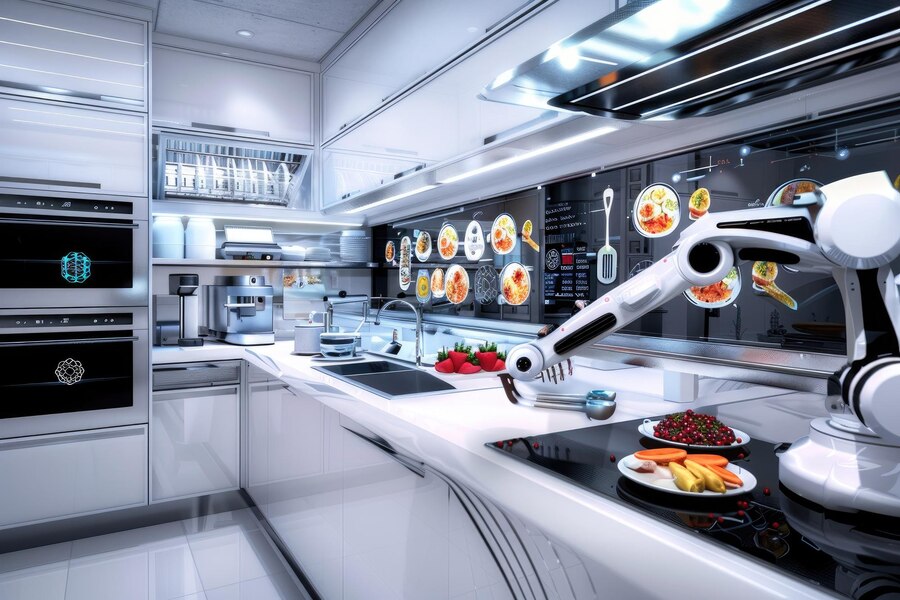
Credit: pshospitalityservices.com
Frequently Asked Questions
What Is A Smart Commercial Kitchen?
A smart commercial kitchen uses connected, automated equipment to improve efficiency. It integrates IoT devices for real-time monitoring and remote control, enhancing food quality and safety.
How Do Smart Kitchens Improve Operational Efficiency?
Smart kitchens automate tasks and track data, reducing waste and downtime. This streamlines workflow, optimizes energy use, and speeds up food preparation and service.
What Technology Powers Smart Commercial Kitchens?
Wi-Fi, Bluetooth, IoT sensors, and cloud computing power smart kitchens. These technologies enable remote management, predictive maintenance, and real-time analytics for better kitchen control.
Are Smart Commercial Kitchens Cost-effective?
Yes, they reduce energy costs, minimize food waste, and lower labor expenses. Over time, smart kitchens deliver significant savings through optimized resource use and improved productivity.
Conclusion
Smart commercial kitchens bring many benefits to food businesses. They save time and reduce mistakes during busy hours. Equipment connects easily, allowing better control from anywhere. This helps keep food safe and quality high. Costs go down by using energy and ingredients wisely.
Staff can focus more on cooking and less on managing tools. Smart kitchens create smoother workflows and happier teams. Embracing this technology leads to stronger and more efficient kitchens. A smart kitchen is a smart choice for any commercial food service.
