
Imagine giving your little one a kitchen that’s more than just a toy—a smart baby kitchen that sparks creativity, teaches real-life skills, and keeps them engaged for hours. You want your child’s playtime to be fun, safe, and educational, right?
Smart baby kitchens bring all of this together in one perfect package. Whether your child is just starting to explore or loves to imitate your cooking, these kitchens make learning feel like play. Ready to discover how a smart baby kitchen can transform your child’s play space and growth?
Keep reading to find out everything you need to know!

Credit: www.amazon.com
Benefits Of Smart Baby Kitchens
Smart baby kitchens offer many benefits for young children. These playsets support learning through fun and hands-on activities. Kids explore cooking and food preparation safely. This type of play encourages growth in several key areas.
Enhancing Creativity
Smart baby kitchens inspire children to imagine and create. They pretend to cook meals and serve guests. This kind of play sparks new ideas and stories. It also allows kids to express feelings in a safe space.
Developing Motor Skills
Playing with kitchen tools helps develop fine motor skills. Children practice grasping, stirring, and turning knobs. These actions improve hand-eye coordination and dexterity. Such skills are important for daily tasks.
Encouraging Social Play
Smart kitchens invite group play with family or friends. Children learn to share, take turns, and communicate. They practice cooperation and role-playing together. This builds strong social and emotional skills.
Fostering Practical Life Skills
Kids gain basic knowledge about food and cooking. They learn to organize, clean, and follow steps. These lessons prepare them for real-life kitchen tasks. Early practice helps build confidence and independence.

Credit: www.amazon.com
Features To Look For
Choosing the right smart baby kitchen means knowing what features matter most. These features ensure the toy is safe, fun, and useful for your child. Focus on quality, engagement, size, and convenience. These points help you find a kitchen that fits your child’s needs and space.
Material And Build Quality
Strong and safe materials matter most. Look for non-toxic wood or BPA-free plastic. The kitchen should feel sturdy and last long. Smooth edges prevent injuries. Avoid cheap materials that break easily. A well-built kitchen stands up to rough play and keeps children safe.
Interactive Elements
Interactive features make playtime exciting. Buttons that click, lights that turn on, and sounds add realism. Some kitchens include pretend water taps or cooking noises. These elements encourage creativity and learning. They keep children interested longer and support role-playing skills.
Size And Portability
Choose a size that fits your space. Small kitchens suit tiny rooms or apartments. Larger kitchens offer more play areas but need more space. Portability is useful if you move the kitchen between rooms. Lightweight designs and handles help with easy carrying and storage.
Storage Options
Built-in storage keeps play areas tidy. Look for shelves, hooks, or cabinets. These spaces hold utensils, pots, and pretend food. Storage teaches kids to organize their toys. It also prevents losing small pieces and makes cleanup faster.
Safety Considerations
Safety is the top priority when choosing a smart baby kitchen. Parents want a toy that keeps kids safe while encouraging play. Smart baby kitchens must meet several safety standards. These standards help avoid accidents and ensure healthy play.
Non-toxic Materials
Smart baby kitchens should use non-toxic materials. Paints and finishes must be free from harmful chemicals. This prevents any risk if children put parts in their mouths. Look for products labeled as BPA-free and lead-free. Safe materials protect your child’s health during play.
Rounded Edges And Sturdy Design
Sharp edges can cause cuts or bruises. Choose kitchens with rounded edges for safer play. A sturdy design prevents the kitchen from tipping over. Strong construction also withstands rough use by toddlers. These features reduce injury risks and increase durability.
Age-appropriate Components
Parts must match the child’s age and skill level. Small pieces can be choking hazards for young kids. Larger, easy-to-handle components suit toddlers best. Age-appropriate toys build confidence and keep children safe. Always check the manufacturer’s age recommendations before buying.
Supervision Tips
Adult supervision is essential during playtime. Stay close to guide and protect your child. Teach them how to use the kitchen safely. Remove any broken or damaged parts immediately. Supervision ensures a fun and safe experience with smart baby kitchens.
Credit: www.thesantegroup.org
Top Smart Baby Kitchen Brands
Smart baby kitchens blend fun and learning. They help toddlers develop skills while playing. Choosing the right brand matters for safety and quality.
Several brands offer various styles to fit every child’s interest and space. Each brand focuses on design, durability, and interactive features. Let’s explore top brands by type.
Wooden Play Kitchens
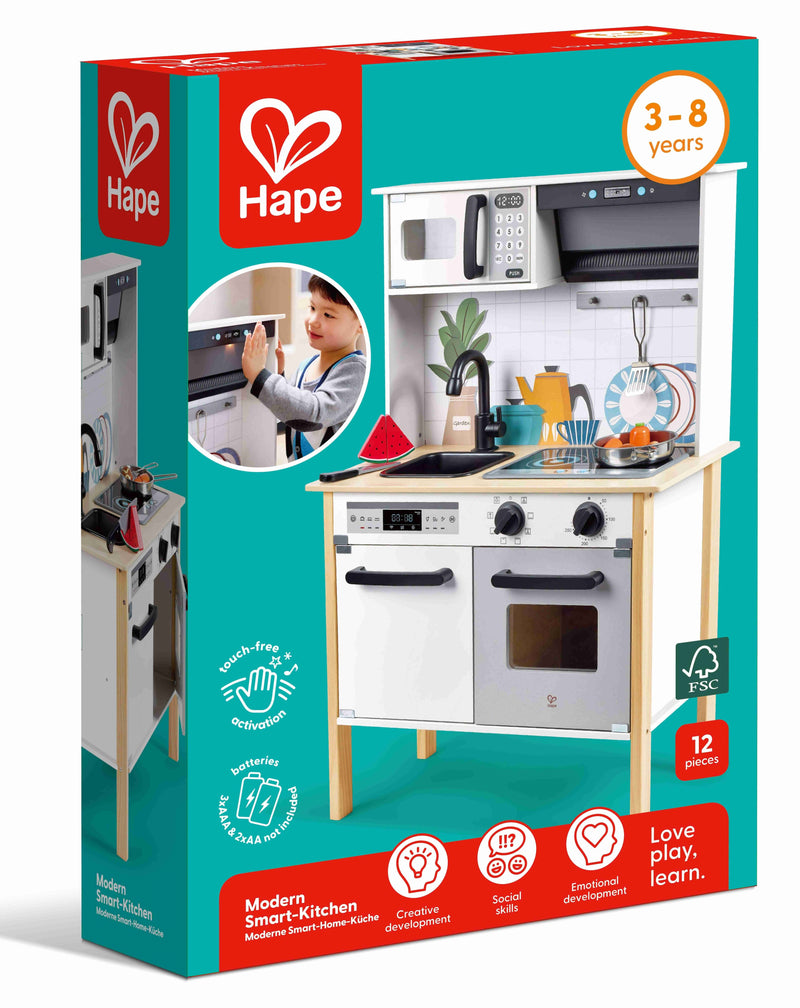
Wooden play kitchens are classic and sturdy. KidKraft and Hape lead with well-crafted wooden sets. Their kitchens look real and last long. These brands use non-toxic paint and smooth edges for safety. The designs include ovens, sinks, and shelves for realistic play. Wooden kitchens encourage creativity and role play.
Interactive Electronic Sets
Interactive electronic kitchens add sounds and lights. Brands like Baby Einstein and LeapFrog create sets with buttons and voices. These kitchens teach colors, numbers, and cooking terms. They keep children engaged with fun effects. Electronic sets suit kids who like tech and learning combined.
Compact And Portable Models
Compact kitchens save space and travel well. Tiny Land and Delta Children offer small, foldable play kitchens. These models fit in small rooms and go on trips. They provide basic features like burners and storage in a tiny frame. Portable kitchens let children play anytime and anywhere.
Setting Up The Play Area
Setting up the play area for a smart baby kitchen is key for fun and learning. It creates a space where children can explore and use their imagination safely. A well-arranged area helps kids enjoy their kitchen toys more. It also makes supervision easier for parents.
Choosing The Right Spot
Pick a spot with enough space for movement. The area should have good lighting and ventilation. Avoid placing the kitchen near fragile items or heavy furniture. A corner or playroom works well. Make sure the floor is soft or use a play mat. This keeps children safe during play.
Organizing Accessories
Arrange kitchen tools and toys within easy reach. Use small baskets or bins to group similar items. Label containers with pictures or words for easy identification. Keep frequently used accessories at child height. Store extra items neatly to avoid clutter. This helps children learn to organize and clean up.
Cleaning And Maintenance
Clean the kitchen and accessories regularly. Use mild soap and water to wipe surfaces. Check toys for damage or loose parts often. Replace or repair broken items immediately. Teach children to wash hands before and after play. Keeping the area clean ensures a healthy play space.
Creative Play Ideas
Creative play with Smart Baby Kitchens offers endless fun and learning. Kids explore their imagination while developing skills. These kitchens inspire children to act out daily life in exciting ways. Playtime becomes a chance to build social and cognitive abilities. Simple ideas can turn a play kitchen into a world of discovery.
Role-playing Scenarios
Role-playing helps kids understand real-life roles and responsibilities. They can pretend to be chefs, waiters, or even grocery shoppers. This kind of play boosts language and social skills. Children learn to follow steps and solve problems during cooking games. Role-playing also encourages empathy by seeing different points of view.
Incorporating Real Food Items
Using real food items makes play more realistic and exciting. Fruits, vegetables, and bread can be part of the kitchen setup. This practice teaches kids about healthy eating and food textures. It also enhances their fine motor skills by handling various objects. Parents should supervise to keep play safe and clean.
Group Play Activities
Group play encourages teamwork and sharing. Children can take turns cooking and serving meals to friends or family. This builds communication skills and patience. Group activities in the kitchen also promote creativity through collaborative story-making. Playing together makes the experience more enjoyable and meaningful.
Buying Guide For Parents
Choosing the right smart baby kitchen can bring hours of joy and learning to your child. Parents should consider several factors before making a purchase. This guide helps simplify the process and makes buying easier and smarter.
Budgeting Tips
Set a clear budget before browsing. Prices vary widely from $30 to over $500. Focus on features that matter most, like durability and safety. Avoid overspending on extras your child may not use. Look for sales or discounts to save money. Remember, a good kitchen does not have to be expensive.
Where To Buy Locally In Austin, Texas
Austin offers many stores with smart baby kitchens. Check out toy stores and baby boutiques for hands-on experience. Local shops often provide expert advice and better return policies. Visit places like Toy Joy or Once Upon a Child for a variety of options. Supporting local stores helps the community and may provide faster delivery.
Online Shopping Insights
Online stores offer a vast selection and convenience. Amazon and Walmart have popular smart baby kitchen models. Read customer reviews carefully to understand quality and usability. Check shipping times and return policies before buying. Use filters to narrow choices by price, size, and features. Online shopping often includes useful deals and free shipping offers.
Integrating Learning With Play
Smart baby kitchens offer a unique way for toddlers to learn while they play. These mini kitchens combine fun with education. Children explore new skills without feeling like they are studying. This approach helps kids stay curious and engaged for longer periods. Playtime becomes a chance to develop important skills naturally.
Every activity in a smart baby kitchen is designed to teach through doing. Kids touch, sort, count, and recognize shapes and colors. These experiences build a strong foundation for future learning. Parents can watch their children learn happily and confidently.
Teaching Colors And Shapes
Smart baby kitchens use colorful utensils and food toys. Children learn to identify basic colors like red, blue, and yellow. They also recognize simple shapes such as circles, squares, and triangles. Playing with these items improves their visual skills. It also helps with memory and attention to detail.
Counting And Sorting Games
Counting pieces of play food teaches numbers in a fun way. Kids practice counting out loud as they play. Sorting different items by size or type builds early math skills. These games improve hand-eye coordination and problem-solving. Kids enjoy organizing and grouping their toys during play.
Introducing Healthy Eating Habits
Smart baby kitchens introduce fruits and vegetables through play. Children learn about different healthy foods by pretending to cook. This helps them understand what good nutrition means. Playing with food toys encourages curiosity about real meals. It sets a positive example for healthy eating habits early on.
Frequently Asked Questions
What Are Smart Baby Kitchens?
Smart baby kitchens are interactive playsets that mimic real kitchens. They enhance creativity, motor skills, and practical life skills in young children through realistic features.
How Do Smart Baby Kitchens Benefit Toddlers?
They promote imaginative play, improve hand-eye coordination, and teach basic cooking concepts. These kitchens help toddlers develop social and cognitive skills in a safe environment.
Are Smart Baby Kitchens Safe For Babies?
Yes, most smart baby kitchens are made from non-toxic, child-safe materials. They are designed with rounded edges and secure parts to ensure toddler safety during play.
What Features Make A Baby Kitchen “smart”?
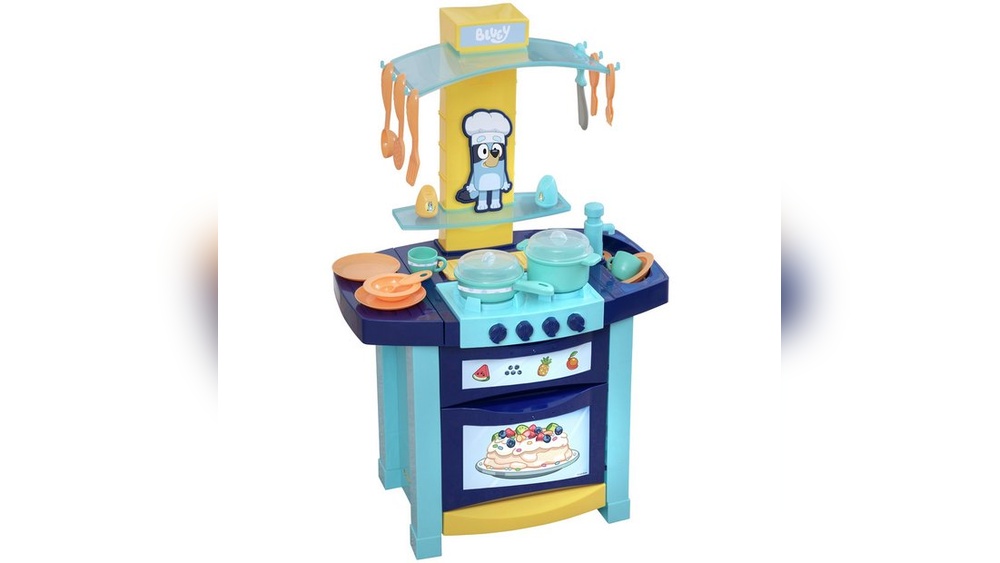
Smart baby kitchens often include realistic sounds, lights, water faucets, and interactive buttons. These features simulate real kitchen activities, making playtime more engaging and educational.
Conclusion
Smart baby kitchens inspire creativity and learning in young children. They offer safe, fun spaces to explore cooking and role play. Parents find them helpful for teaching basic skills and sharing quality time. Choosing the right kitchen depends on space, budget, and child’s interests.
These playsets grow with kids, providing long-lasting enjoyment. Investing in a smart baby kitchen creates joyful memories and sparks imagination. Simple, interactive kitchens encourage children’s development in many ways. They blend play with learning, making every moment meaningful.