Imagine a kitchen that knows exactly what you need before you even ask. A place where cooking feels effortless, cleanup is a breeze, and every device works together to make your life easier.
This is not science fiction—it’s the smart kitchen of the future. If you’ve ever wished your kitchen could save you time, reduce waste, or even inspire your next meal, you’re about to discover how cutting-edge technology is transforming the heart of your home.
Ready to see what your kitchen could look like tomorrow? Keep reading to unlock the secrets of smart kitchens and how they can change your everyday cooking experience.
Credit: www.restroworks.com
Tech Transforming Kitchens
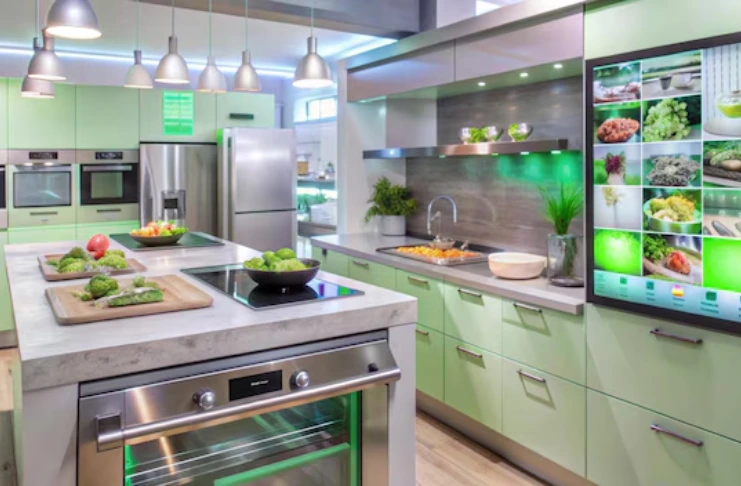
Technology is changing kitchens faster than ever. Modern kitchens combine innovation and convenience. This shift creates spaces that are smarter and more efficient. Cooking and daily tasks become easier with new tools. The kitchen of the future is connected and responsive.
Smart Appliances Shaping Cooking
Smart appliances simplify meal preparation. Ovens adjust temperature automatically for perfect results. Refrigerators monitor food freshness and suggest recipes. Dishwashers run at optimal times to save energy. These devices learn user preferences to improve over time. Cooking becomes less stressful and more precise.
Ai Integration In Kitchen Tasks
Artificial intelligence helps with many kitchen chores. AI can plan meals based on dietary needs. Voice assistants guide users through recipes step by step. AI monitors cooking progress and adjusts settings instantly. It can even order groceries when supplies run low. This makes kitchens more intuitive and helpful.
Iot Devices Enhancing Connectivity
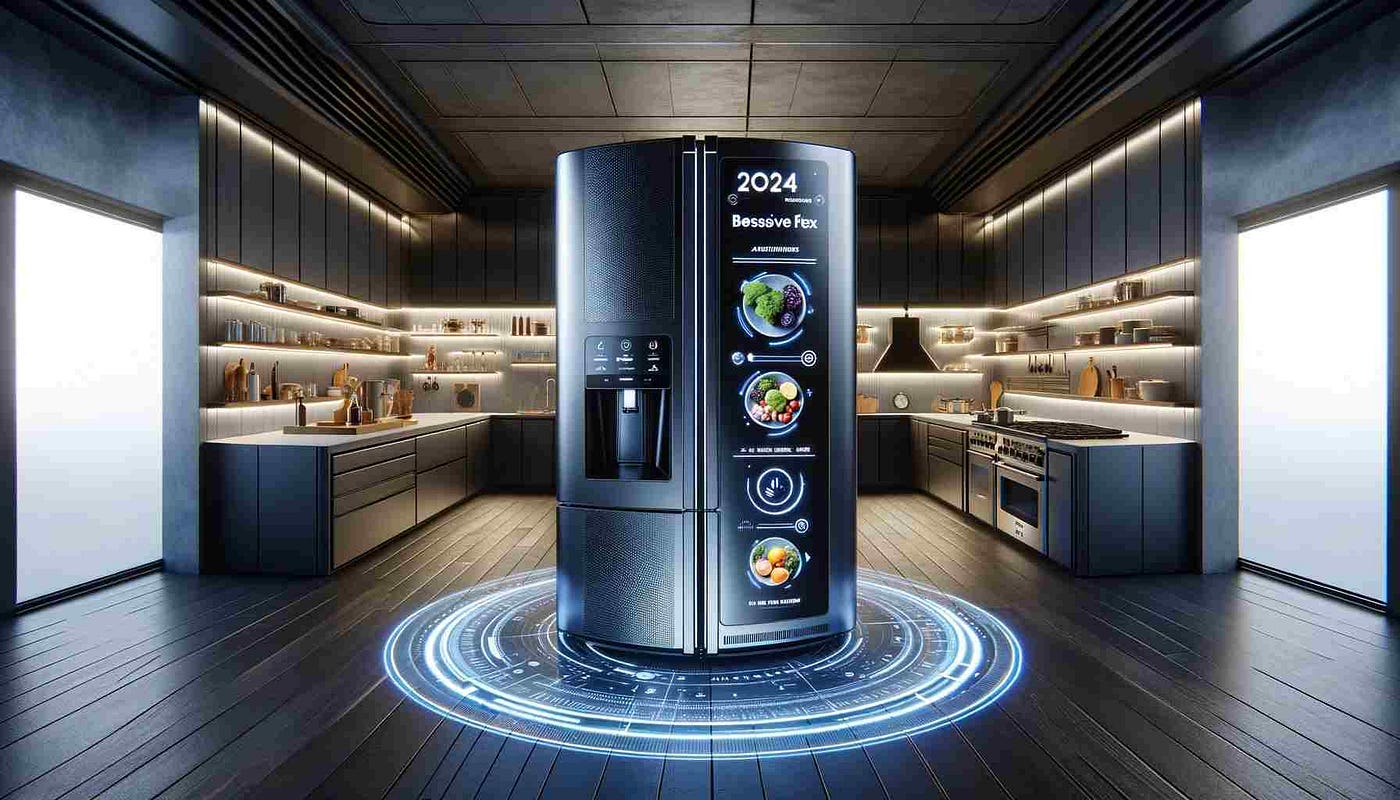
Internet of Things (IoT) links kitchen gadgets for smooth interaction. Sensors track appliance use and send alerts to phones. Smart lighting adjusts based on time and activity. IoT enables remote control of kitchen devices anywhere. Data from devices helps improve efficiency and reduce waste. Connectivity brings convenience and better control to kitchens.
Credit: medium.com
Design Trends In Smart Kitchens
Design trends in smart kitchens focus on blending technology with style and convenience. These kitchens adapt to modern lifestyles by offering efficient and personalized cooking experiences. The future kitchen is not just about gadgets; it is about creating a space that feels natural and easy to use.
Designers aim to make kitchens more intuitive and user-friendly. Every element, from lighting to storage, integrates smart technology to simplify daily tasks. The result is a kitchen that responds to your needs and enhances your cooking routine.
Motion-activated Features
Motion-activated features improve hygiene and ease of use. Lights turn on automatically when you enter, reducing the need to touch switches. Faucets and appliances also activate with a simple wave of your hand. This technology saves energy and keeps surfaces cleaner.
Custom Cabinets And Storage
Custom cabinets use smart sensors to open and close quietly. They adjust to hold items of different sizes securely. Storage spaces can be programmed to remember your preferences. This helps in organizing kitchen tools and ingredients efficiently.
Multi-functional Spaces
Multi-functional kitchen spaces combine cooking, dining, and work areas. Smart furniture can change shape or function as needed. For example, a countertop may double as a dining table or a workspace. This flexibility fits smaller homes and busy lifestyles perfectly.
Health And Safety Innovations
Health and safety innovations in smart kitchens improve how families cook and live. These advancements keep food fresh, reduce germs, and monitor kitchen conditions. Smart technology helps prevent accidents and promotes cleaner cooking environments.
Smart Refrigeration And Food Safety
Smart refrigerators track food expiration dates and temperatures. They send alerts when food might spoil. This reduces waste and keeps meals safe to eat. Some models adjust cooling based on the type of food inside. This ensures better preservation and less risk of bacteria growth.
Touchless Faucets And Hygiene
Touchless faucets use sensors to turn water on and off without touching handles. This lowers the spread of germs and bacteria. Hands stay cleaner during cooking and food preparation. These faucets also save water by stopping flow automatically when not in use.
Real-time Monitoring Systems
Real-time monitoring systems watch kitchen appliances and air quality continuously. They detect smoke, gas leaks, or unsafe temperatures quickly. Alerts on phones help users fix problems fast. This technology prevents accidents and keeps the kitchen environment safer for everyone.

Credit: www.dreamcatcher-remodeling.com
Sustainability And Energy Efficiency
Sustainability and energy efficiency shape the smart kitchens of tomorrow. These kitchens reduce environmental impact and save money. They use less energy and create less waste. Smart technology helps kitchens run cleaner and greener. This improves daily life and protects the planet.
Eco-friendly Appliance Choices
Choosing eco-friendly appliances is key to a sustainable kitchen. Look for Energy Star certified products. These use less electricity and water. Appliances with smart sensors adjust power based on need. This avoids wasting energy during cooking or cooling. Materials also matter; eco-friendly appliances often use recycled parts. They last longer and are easier to recycle.
Energy-saving Technologies
Smart kitchens use energy-saving technologies to cut costs. LED lighting replaces traditional bulbs and uses less power. Smart thermostats control temperature for appliances like ovens and refrigerators. They turn off or lower settings when not in use. Induction cooktops heat faster and waste less energy. Connected devices share data to optimize overall energy use.
Waste Reduction Solutions
Waste reduction plays a big role in future kitchens. Smart trash bins sort recyclables automatically. Composting systems turn food scraps into useful soil. Smart refrigerators track expiration dates to reduce food spoilage. Apps suggest recipes based on available ingredients. This avoids throwing away unused food. These solutions create cleaner kitchens with less waste.
User Experience And Convenience
Smart kitchens aim to make cooking easier and more enjoyable. They focus on improving user experience and adding convenience. Technology helps save time and reduces effort in daily kitchen tasks. These kitchens adapt to user needs and habits for a more personalized approach.
Voice And Gesture Controls
Voice commands allow hands-free operation of kitchen devices. You can ask your smart assistant to set timers or adjust oven temperatures. Gesture controls let you navigate menus or change settings without touching surfaces. This reduces mess and keeps devices clean. Voice and gestures create a smooth, natural way to interact with technology.
Personalized Cooking Assistance
Smart kitchens offer recipes tailored to your preferences and diet. They track ingredients and suggest meals based on what you have. Step-by-step guidance helps users cook with confidence. Some systems adjust cooking times and temperatures automatically. Personalized help makes cooking less stressful and more fun.
Seamless Device Integration
All smart kitchen appliances connect and communicate with each other. Your fridge can remind you to buy missing ingredients. Ovens and cooktops can sync with recipe apps. This integration streamlines meal preparation from start to finish. Devices working together save time and improve efficiency.
Future Trends And Innovations
The kitchen is evolving with new smart technology. Future trends promise more convenience and efficiency. Innovations focus on making cooking easier and more enjoyable. The smart kitchen will blend technology with daily life seamlessly.
These advancements will change how we prepare food and manage kitchen tasks. Smart devices will work together to create a more connected and intelligent kitchen space. The future kitchen will not just be a place to cook but a hub of innovation.
Robotics In Home Cooking
Robots will handle many cooking tasks soon. They can chop, stir, and even season food perfectly. These machines will save time and reduce kitchen stress. Cooking robots will learn from recipes and user preferences. They will help people cook meals faster and with less effort.
Ambient Intelligence In Kitchens
Ambient intelligence means the kitchen senses and reacts to its users. Lights, temperature, and appliances adjust automatically. The kitchen will know when to start preheating or turn off devices. Sensors will monitor food freshness and suggest what to cook. This technology creates a more responsive and helpful kitchen environment.
Smart Kitchen Ecosystem Expansion
The smart kitchen will connect more devices and apps together. Refrigerators, ovens, and dishwashers will share data easily. Users can control everything from a smartphone or voice assistant. Grocery lists and meal plans will sync with smart appliances. This ecosystem will make kitchen management simpler and more efficient.
Frequently Asked Questions
What Defines A Smart Kitchen Of The Future?
A smart kitchen uses advanced technology like AI and IoT to automate tasks. It offers connected appliances for efficiency, convenience, and enhanced cooking experiences.
How Do Smart Kitchens Improve Cooking Efficiency?
Smart kitchens optimize cooking by automating timers, adjusting temperatures, and suggesting recipes. Connected devices communicate to streamline meal preparation and reduce waste.
What Technologies Power Future Smart Kitchens?
Future smart kitchens rely on AI, IoT sensors, robotics, and voice control. These technologies enable real-time monitoring, smart inventory, and hands-free operation.
Are Smart Kitchens Energy Efficient?
Yes, smart kitchens use sensors to reduce energy waste. Appliances adjust power use based on need, helping save electricity and lower utility bills.
Conclusion
Smart kitchens will change how we cook and live. They save time and reduce waste. Technology makes kitchens safer and more efficient. Devices will talk to each other easily. Cooking will become more fun and less stressful. These kitchens fit many lifestyles and needs.
Embracing smart kitchens means enjoying comfort and convenience. The future kitchen is here, ready to help.