
Struggling to keep your small space neat and clutter-free? You’re not alone.
When every inch counts, organizing can feel overwhelming. But what if you could transform your tiny rooms into efficient, stylish areas that work for you? Imagine walking into your space and instantly knowing where everything is—no more digging through piles or cramped closets.
You’ll discover simple, practical ways to organize small spaces that make the most of every nook and cranny. Ready to reclaim your home and enjoy a clutter-free life? Let’s dive in!
Credit: www.cravingsomecreativity.com
Maximize Vertical Space
Maximizing vertical space is a smart way to organize small areas. It uses the height of your walls to add storage without taking up floor space. This method frees up room and keeps your belongings easy to reach. You can store more by thinking upwards instead of outwards.
Floating Shelves And Tall Bookcases
Floating shelves hold items above the floor. They create extra space for books, decor, or kitchen supplies. These shelves are easy to install and look neat. Tall bookcases use wall height to store many items. They fit in corners or narrow spots. Both options keep your floor clear and make the room feel bigger.
Over-the-door Organizers
Over-the-door organizers use the back of doors for storage. They work well for shoes, accessories, or cleaning supplies. These organizers keep things visible and easy to grab. They do not take up any floor or shelf space. This is a simple way to add storage in small rooms or closets.
Hooks And Pegboards
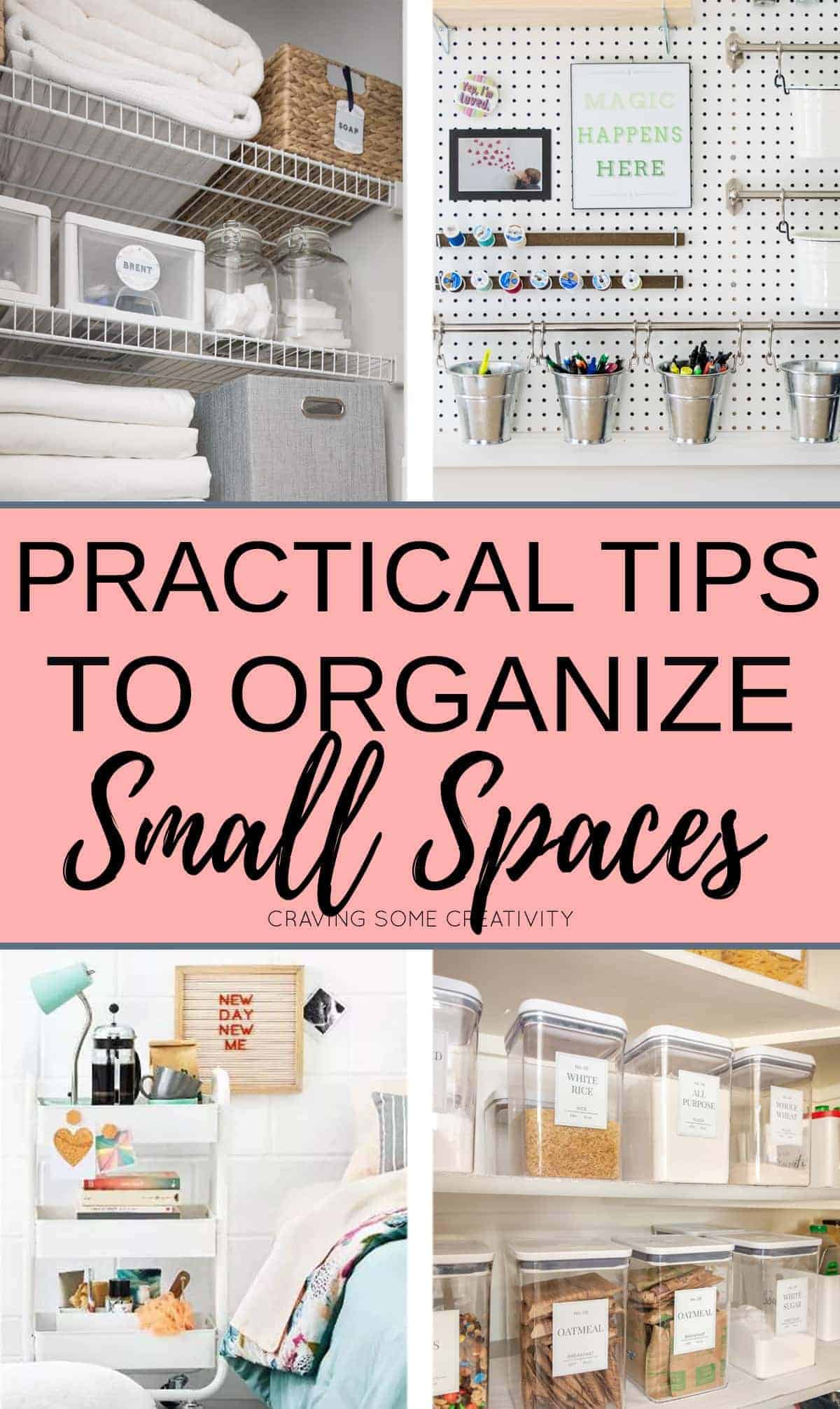
Hooks and pegboards are flexible storage tools. Hooks hang bags, coats, or kitchen tools. Pegboards let you arrange hooks and shelves as needed. They help keep items off counters and floors. You can change the layout easily to fit your needs. This keeps your space tidy and items organized.
Utilize Underused Areas
Small spaces often hide many unused spots. These areas offer great chances to add storage without taking up room. Using underused areas helps keep your home tidy and neat. It makes every inch count, giving you more space for essentials.
Storage Under Furniture
The space under beds, sofas, and chairs is perfect for storage. Use flat bins or rolling containers to slide items in and out easily. Store seasonal clothes, shoes, or extra linens here. This spot keeps things hidden but close at hand.
Back Of Doors
The back of doors offers a surprising storage option. Install hooks or racks to hold bags, scarves, or cleaning tools. Over-the-door organizers work well for shoes or small items. This area uses vertical space that often goes unnoticed.
Forgotten Corners And Slanted Ceilings
Corners and spaces under slanted ceilings are often empty. Add shelves or corner units to fit these tricky spots. Create a cozy reading nook or a small desk area there. Using these areas adds function and charm to your room.
Choose Multi-functional Furniture
Choosing multi-functional furniture is key to organizing small spaces efficiently. These pieces serve more than one purpose, saving room and reducing clutter. They help keep your area tidy while providing practical storage options. Multi-functional furniture adapts to your needs and fits perfectly in tight spots.
Movable Storage Carts
Movable storage carts offer flexible storage on wheels. You can easily move them around your space. Use carts in the kitchen for spices or utensils. In the living room, store books or magazines. They fit under tables or in corners when not used. Carts keep items handy and organized without taking extra space.
Furniture With Built-in Storage
Furniture with built-in storage hides clutter inside. Look for beds with drawers underneath for clothes or linens. Sofas with storage compartments keep blankets and pillows out of sight. Ottomans with hidden space are great for toys or remote controls. This furniture reduces the need for extra shelves or bins.
Slim And Stackable Solutions
Slim and stackable furniture fits small spaces without crowding. Choose narrow shelves or stackable bins to maximize vertical space. Stackable stools or tables can be tucked away when not in use. Slim storage units slide into tight gaps like hallways or beside doors. These pieces keep your space open and organized.
Organize With Containers And Baskets
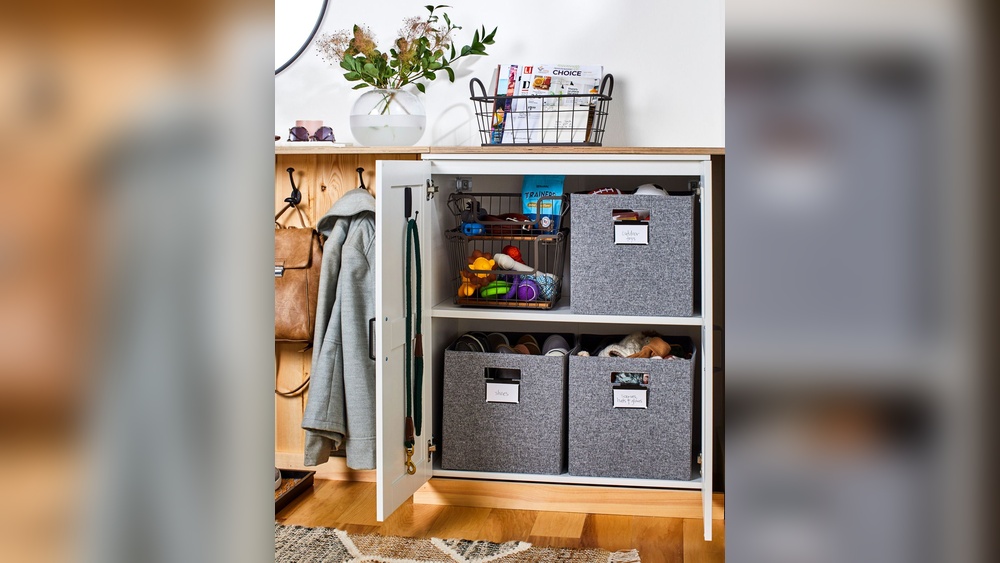
Containers and baskets bring order to small spaces. They help separate items and reduce clutter. Choosing the right containers can make a room look tidy and feel bigger.
Containers come in many shapes and sizes. Use them to store everything from toys to kitchen tools. Baskets add style and are easy to move around.
Clear And Stackable Boxes
Clear boxes let you see what is inside without opening them. This saves time and keeps you organized. Stackable boxes use vertical space well, freeing up floor area. Use them for shoes, craft supplies, or seasonal clothes. Label each box for quick access.
Bins For Grouping Small Items
Small items get lost easily. Bins keep these items together and easy to find. Use bins in drawers or on shelves. Group similar things like office supplies or snacks. Choose bins with handles for easy carrying. This keeps your space neat and functional.
Open Shelving Displays
Open shelves show off your containers and baskets. They make small spaces feel open and airy. Use baskets on shelves to hide clutter but keep items reachable. Arrange items by size or color for a clean look. Open shelving turns storage into decoration.
Create Dedicated Zones
Creating dedicated zones in small spaces helps keep everything organized and easy to find. It breaks the room into clear sections for different tasks or items. This approach reduces clutter and makes the space feel larger and more functional. Here are ways to create effective zones in your small space.
Grouping Similar Items
Place items that serve the same purpose together. Keep kitchen tools in one area and office supplies in another. This makes it easier to locate what you need quickly. Grouping also prevents random piles from forming. Use containers or bins to keep these groups neat and tidy.
Designated Workspaces
Set up specific spots for work or hobbies. A small desk or a corner with proper lighting works well. Keep only the essentials in this zone to avoid distractions. A clear workspace helps improve focus and productivity. Make sure the area is comfortable and inviting.
Accessible Storage Areas
Store frequently used items where you can reach them easily. Use open shelves or clear bins to see contents at a glance. Place less-used things higher up or in closed cabinets. Accessibility saves time and keeps your space functional. Organize storage by priority and use.
Declutter Regularly
Decluttering regularly is key to keeping small spaces tidy and functional. It helps free up room and reduces stress. By removing items you don’t need, you create space for what truly matters. Small areas feel larger and more open when clutter is controlled.
Consistent decluttering stops mess from building up. It makes cleaning easier and keeps your home inviting. A regular routine ensures things stay organized and simple to find.
Purge Unnecessary Items
Start by sorting through belongings. Keep only items you use or love. Donate or recycle things in good condition. Throw away broken or expired items. This frees up valuable space fast. Less clutter means less cleaning and more room to live.
Maintain Organized Drawers
Drawers often become catch-alls for random stuff. Empty them regularly and organize contents by category. Use small containers or dividers to separate items. This keeps everything visible and easy to access. Well-organized drawers save time and prevent mess.
Seasonal Storage Rotation
Store out-of-season items separately to save space. Use labeled bins or vacuum bags for clothes, decorations, or sports gear. Rotate these items as seasons change. This keeps your everyday space clear and focused on current needs.
Hang Items Strategically
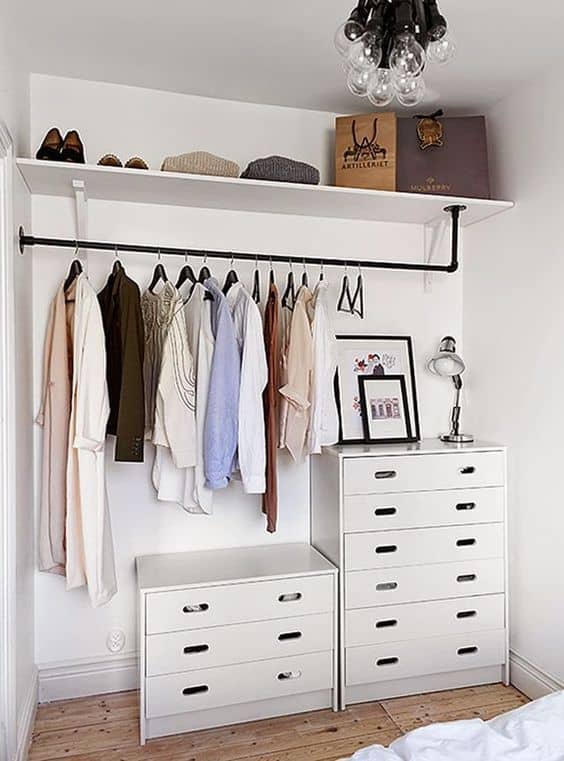
Hanging items strategically is a simple way to free up space in small rooms. It makes use of vertical areas that often go unused. This method keeps things visible and easy to grab. Clothes, accessories, and even decor can benefit from smart hanging solutions. These ideas help create an organized and tidy space with less clutter.
Extra Closet Rods
Adding extra rods in your closet doubles hanging space. Use a second rod below the main one for shirts or pants. This setup fits more clothes without crowding. Install rods at different heights to suit various items. It keeps clothes wrinkle-free and easy to access. This trick works well in closets with high ceilings.
Slim Hangers
Slim hangers save space and create a neat look. They take up less room than bulky ones. Choose velvet or thin plastic hangers to prevent slipping. Using uniform hangers keeps clothes aligned and tidy. It also makes your closet appear larger. Slim hangers are perfect for small wardrobes.
Mirrors And Wall-mounted Solutions
Mirrors add depth and light, making spaces feel bigger. Mount a full-length mirror on a door or wall. It frees floor space and helps with outfit checks. Use wall-mounted hooks or racks to hang bags and scarves. This keeps items off surfaces and easy to find. Wall-mounted shelves can hold shoes or small boxes too.

Credit: www.pineandprospecthome.com
Credit: jennakateathome.com
Frequently Asked Questions
How Can I Maximize Storage In Small Spaces?
Maximize storage by using vertical shelves, hooks, and multi-functional furniture. Utilize underused areas like backs of doors and under furniture to store items efficiently.
What Furniture Works Best For Small Space Organization?
Choose multi-functional furniture like movable carts or storage ottomans. These pieces save space and serve multiple purposes, reducing clutter effectively.
How Often Should I Declutter A Small Space?
Declutter regularly to maintain organization. Purge unnecessary items monthly or seasonally to keep small spaces neat and prevent overcrowding.
What Storage Containers Suit Small Spaces Best?
Use stackable, clear containers or baskets. They group similar items, save space vertically, and allow easy visibility of contents.
Conclusion
Organizing small spaces takes patience and smart choices. Use shelves, hooks, and bins to save room. Multi-functional furniture helps keep things tidy and useful. Decluttering often makes your space feel bigger and calmer. Small changes create a big difference in daily living.
Try these tips to enjoy a neat, comfortable home. Small spaces can be cozy and organized with simple steps. Keep what you need, store it well, and stay consistent. Your small space can work perfectly for your lifestyle.