
If you’re homeschooling but short on space, you might feel overwhelmed trying to keep everything organized. You’re not alone—many parents face the challenge of creating a functional learning area in a small corner of their home.
The good news is, effective homeschool organization doesn’t require a large room or fancy furniture. With smart planning and simple strategies, you can transform even the tiniest space into a productive, clutter-free learning zone. Ready to discover easy, practical tips that will help you maximize your small homeschool area and keep your day running smoothly?
Keep reading to unlock ideas that will make your homeschool life easier and more enjoyable.
Credit: www.proverbialhomemaker.com
Space-saving Setup
Creating a space-saving setup is key for homeschooling in small areas. Smart choices can make learning comfortable and organized. A well-planned setup helps reduce clutter and keeps everything within reach.
Focus on using every inch wisely. This means choosing the best spot, picking furniture that serves more than one purpose, and using vertical space well. These steps improve flow and make daily homeschooling easier.
Choosing The Right Spot
Pick a quiet corner with enough light. Natural light helps keep kids alert and focused. Avoid busy areas with distractions. A small nook or a part of the living room can work well. Make sure the spot has easy access to power outlets for devices.
Multi-functional Furniture
Use furniture that works in several ways. A desk with drawers stores books and supplies. Foldable tables save space when not in use. Chairs with built-in storage keep things tidy. Choose lightweight pieces to move easily between rooms.
Vertical Storage Solutions
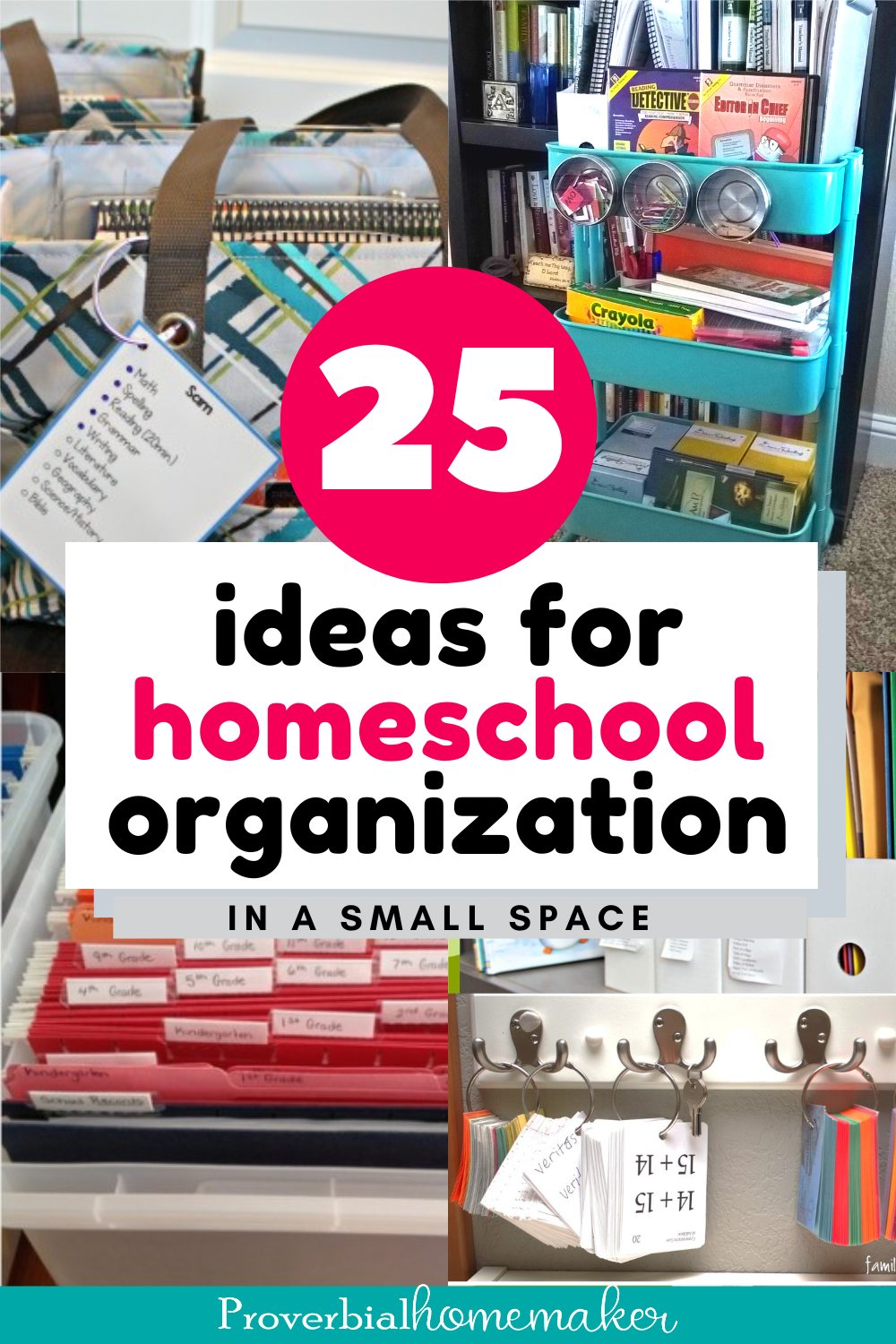
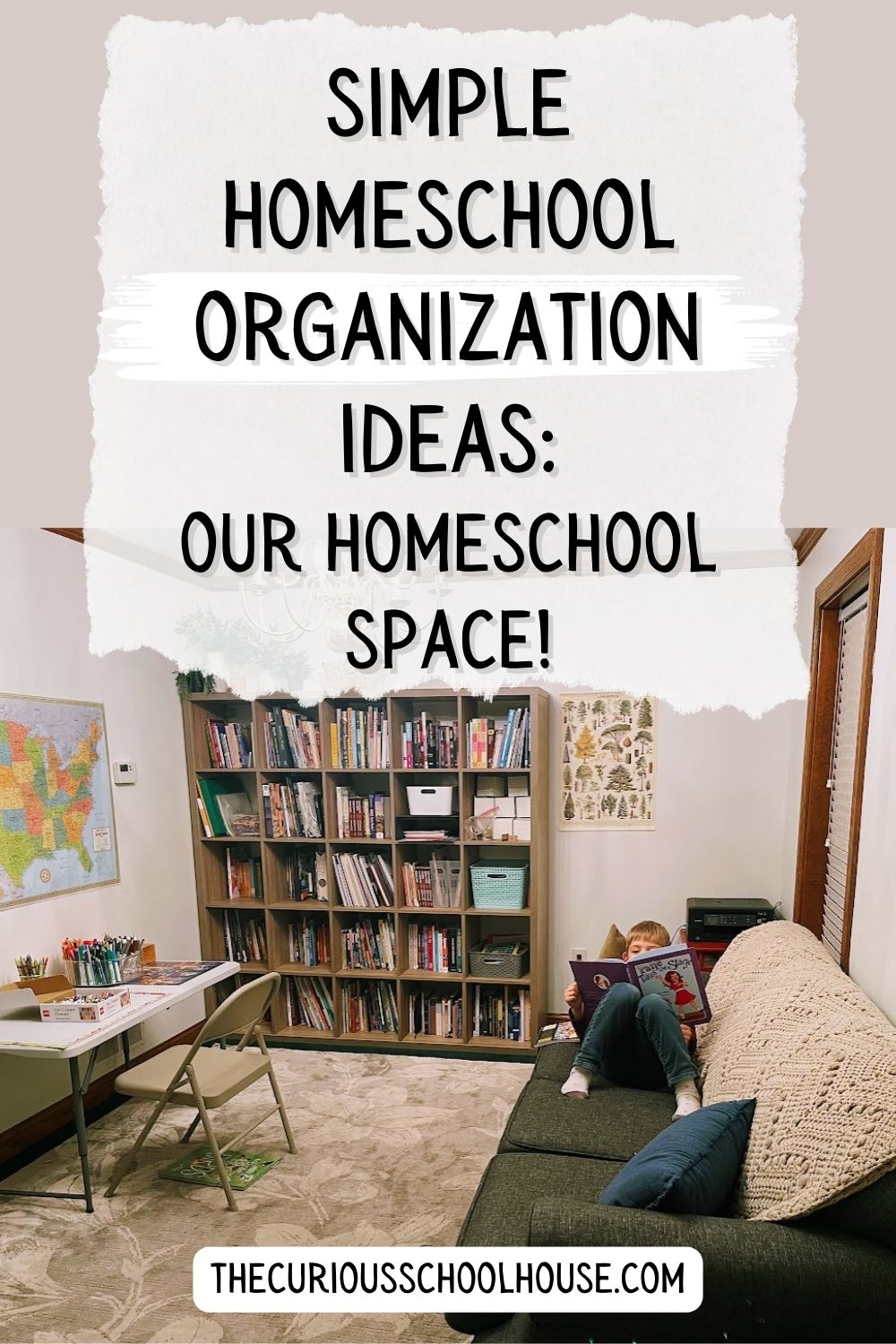
Walls offer great storage options. Install shelves to hold books and materials. Use pegboards for hanging tools and art supplies. Tall bookcases use height, not floor space. Hooks and baskets keep small items organized and visible.
Credit: farmettekitchen.com
Decluttering Essentials
Organizing a homeschool area in a small space starts with decluttering essentials. A neat environment helps focus and reduces stress. Keeping only what is necessary creates room for learning and creativity. Clear spaces invite calm and make daily tasks easier.
Minimalist Supplies
Choose supplies that serve multiple purposes. Stick to basics like pencils, notebooks, and scissors. Avoid buying items that clutter your space or remain unused. Select tools that are easy to store and clean. Use quality materials that last longer and reduce waste.
Daily Tidy Habits
Set a short daily routine to tidy up. Put away supplies after each lesson. Encourage children to take part in cleaning their area. A few minutes each day keep clutter from building up. Consistent habits make organization a natural part of homeschool life.
Smart Toy And Book Storage
Use vertical shelves to save floor space. Clear bins help find toys and books quickly. Label containers for easy identification. Rotate toys to keep interest and reduce clutter. Store books by size or subject to keep the area tidy.
Organizing Learning Materials
Organizing learning materials is key to a smooth homeschooling day, especially in a small space. It helps keep the area tidy and makes finding items quick. A clear system reduces stress and saves time. Simple, smart methods work best to fit limited rooms.
Categorizing By Subject
Group books, supplies, and worksheets by subject. Create separate piles or bins for math, science, reading, and art. This way, materials stay together and are easy to grab during lessons. Use folders or clear containers to keep papers neat and visible. Sorting by subject avoids clutter and confusion.
Labeling Systems
Labels help identify contents without opening every box or drawer. Use large, clear fonts for easy reading. Color-code labels by subject or type of material. For example, blue for math and green for science. Labels keep items in the right place and help children learn organization skills.
Portable Storage Options
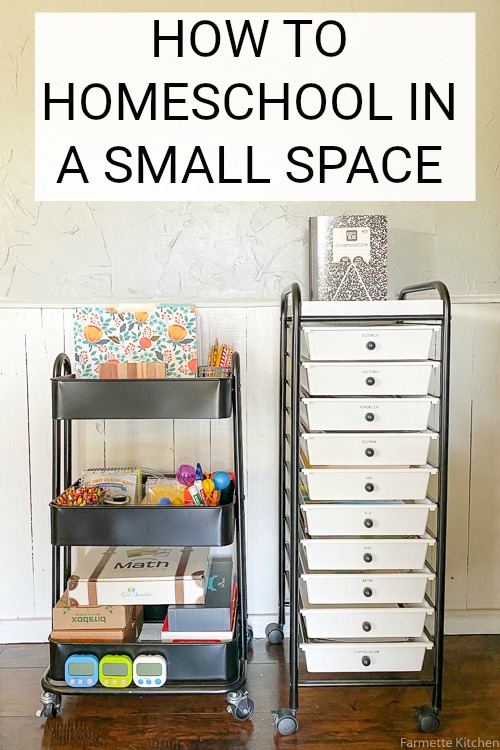
Choose storage that moves easily between rooms or desks. Rolling carts, stackable bins, or caddies work well. Portable storage lets you adapt the space to different activities. It also keeps learning tools close without taking up permanent room. Lightweight containers make cleanup faster and simpler.
Credit: thecuriousschoolhouse.com
Tech And Gadget Management
Managing technology and gadgets in a small homeschool space can be tricky. Devices are essential for learning but can create clutter quickly. Keeping tech organized helps maintain a clean and focused learning area. Smart management makes it easier to use gadgets effectively every day.
Charging Stations
A dedicated charging station keeps all devices powered and ready. Use a small shelf or box to hold tablets, phones, and laptops. Label each spot to avoid confusion. Place the station near an outlet for easy access. This setup prevents cables from spreading across the room.
Cable Organization
Cables often tangle and cause mess in small spaces. Use cable ties or clips to bundle cords neatly. Attach them along desk edges or walls to keep them off the floor. Color-coded cables help identify devices quickly. A tidy cable system reduces stress and saves time.
Digital Resource Setup
Organize digital files and apps for easy access during lessons. Create folders on devices for subjects and activities. Bookmark important websites for quick reference. Use cloud storage to save and share work effortlessly. A clear digital setup supports smooth and efficient teaching.
Creating Zones
Creating zones helps organize a small homeschool space efficiently. Dividing the room into clear areas supports different activities. Each zone serves a unique purpose. This setup boosts focus and creativity. It also keeps the space neat and manageable. Below are key zones to consider for your homeschool space.
Study Area
Designate a quiet spot for reading and writing. Use a small desk or table with a comfortable chair. Keep essential supplies like pencils, notebooks, and textbooks nearby. Good lighting is important here to reduce eye strain. This area should be free from distractions to help concentration. A clear, tidy desk encourages better learning habits.
Creative Corner
Set up a space for art, crafts, and hands-on projects. Include storage for paints, crayons, scissors, and paper. Use bins or shelves to keep materials organized and easy to find. Allow room for creativity with a small table or floor mat. This zone should inspire imagination and exploration. It also helps keep messes contained to one spot.
Break Space
Create a spot for rest and relaxation between lessons. Use a cozy chair, bean bag, or floor cushions. Add calming elements like soft lighting or a small plant. This space helps kids recharge and stay motivated. A designated break zone prevents restlessness in study areas. Encourage short breaks to improve focus and energy.
Flexible Scheduling Tips
Flexible scheduling is key for homeschooling in small spaces. It helps manage limited areas and diverse learning needs. Adjusting your daily plan keeps the day smooth and stress-free. Flexibility allows moments for creativity and rest. Here are practical tips to shape your schedule effectively.
Time Blocking In Small Spaces
Divide your day into blocks for different subjects or activities. Keep blocks short to maintain focus in tight areas. Use timers to signal transitions and keep children on track. This method helps prevent clutter buildup by focusing on one task at a time. Organize materials needed for each block nearby to save space and time.
Adapting For Multiple Kids
Create separate schedules for each child based on their age and needs. Rotate learning areas if space is limited to avoid crowding. Use headphones or quiet activities to minimize distractions. Pair older kids with younger ones for some lessons to maximize space and teamwork. Adjust timing to allow breaks between sessions for smooth transitions.
Incorporating Outdoor Learning
Take advantage of outdoor spaces for lessons and play. Use parks or backyards to teach science, reading, or art. Outdoor learning frees up indoor space and boosts focus. Plan outdoor sessions during good weather to balance indoor time. Bring portable supplies to keep outdoor lessons simple and organized.
Decor And Inspiration
Creating a homeschool area in a small space needs thoughtful decor and inspiration. The environment should motivate learning and feel welcoming. With limited room, every decoration counts. It must serve a purpose and uplift the mood. A well-decorated space can boost focus and creativity in children. Simple touches make a big impact on their daily learning experience.
Motivational Wall Art
Motivational wall art encourages kids to keep trying. Use quotes that are easy to understand and positive. Bright colors catch attention but keep it calm to avoid distraction. Posters or framed prints with short phrases work well. Place them where children often look during lessons. This small effort can increase their confidence and eagerness to learn.
Functional Decorations
Decorations should do more than look nice. Choose items that also help organize supplies or display work. Chalkboards and whiteboards add function and charm to the room. Use baskets or jars that match the color scheme for storing tools. This keeps the space tidy and visually appealing. Functional decor helps maintain order in a small homeschool area.
Personalizing The Space
Personal touches make the space feel special for each child. Let them add drawings or crafts to the walls. Include their favorite colors or themes in decorations. A small shelf with personal books or toys makes the area inviting. Personalizing shows that their learning space belongs to them. It builds comfort and a positive attitude toward homeschooling.
Maintenance Strategies
Keeping a small homeschool space tidy takes regular care. Maintenance strategies help keep learning areas organized and clutter-free. Small spaces can quickly become messy without simple habits. Consistent routines prevent buildup of clutter and stress. These strategies make homeschooling smoother and more enjoyable for everyone.
Weekly Reset Routine
Set a specific time each week to reset your space. Clear desks, shelves, and floors of leftover materials. Put books back in their spots. Toss out scraps or broken items. A weekly reset keeps the area clean and ready for new lessons. This habit avoids piles of clutter that can slow down learning.
Involving Kids In Cleanup
Make cleanup a shared task with your children. Assign simple chores like putting away supplies or wiping surfaces. Teach kids to care for their learning space. This builds responsibility and keeps the area neat. Kids often enjoy helping when given clear, easy tasks. Cleanup becomes quicker and less stressful for parents.
Reviewing And Refreshing Supplies
Regularly check your homeschool supplies for wear and need. Replace broken pencils, dried markers, or torn papers. Donate or recycle unused items to save space. Keep only the supplies you use often within reach. Refreshing supplies helps maintain an organized and efficient learning zone. It also inspires kids to stay engaged and focused.
Frequently Asked Questions
What Is The Average Income Of A Homeschool Family?
The average income of a homeschool family typically ranges between $50,000 and $75,000 annually. This varies by location and family size.
What Is The Hardest State To Homeschool In?
New York and Massachusetts rank as the hardest states to homeschool due to strict regulations, mandatory testing, and extensive paperwork. Pennsylvania, Vermont, and Rhode Island also impose significant oversight and detailed requirements on homeschooling families.
How Many Hours Of Homeschooling Should Kids Get Per Day?
Kids should homeschool about 3 to 6 hours daily, depending on age and curriculum. Keep sessions focused and flexible.
How To Organize Your Homeschool Space?
Designate a quiet, well-lit area for learning. Use shelves and bins to store supplies neatly. Keep frequently used materials within reach. Label storage for easy access. Personalize the space to motivate and minimize distractions.
Conclusion
Organizing a homeschool space in a small area takes creativity and planning. Use vertical storage to save floor space. Keep supplies within easy reach for quick access. Label bins and shelves to stay organized daily. Rotate materials to keep the space fresh and uncluttered.
A tidy area helps children focus and learn better. Small spaces can still support a productive homeschool environment. With simple steps, you can make learning comfortable and efficient. Start organizing today and enjoy a smoother homeschool routine.