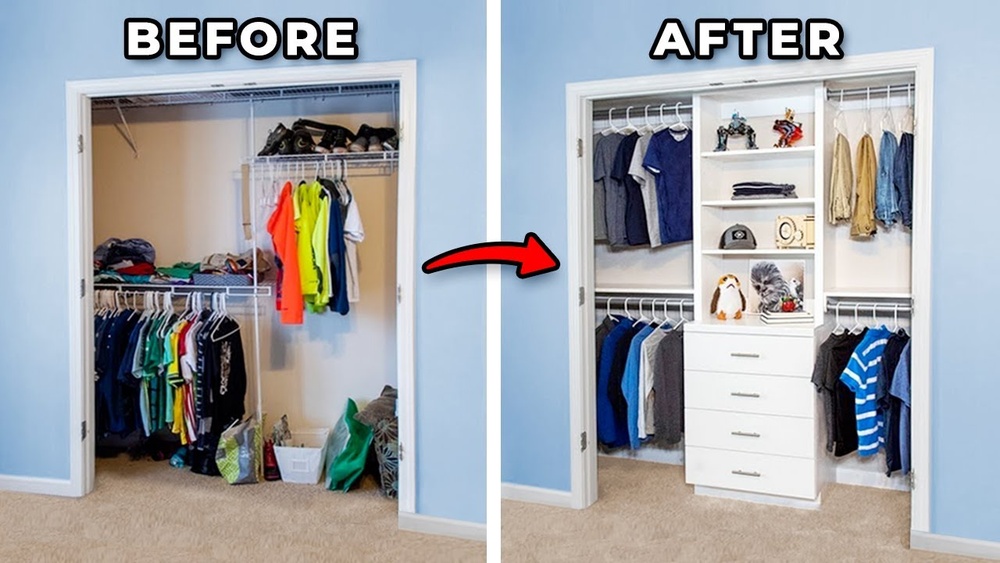

Struggling to keep your small closet neat and functional? You’re not alone.
When space is tight, every inch counts, and clutter can quickly take over. But what if you could transform your cramped closet into an organized haven without spending a fortune? With a small space DIY closet organizer, you can do just that—customize your storage, maximize every corner, and finally find a home for all your clothes and accessories.
Ready to reclaim your closet and simplify your daily routine? Keep reading to discover easy, budget-friendly DIY ideas that will make your small space work harder for you.
Declutter And Sort
Decluttering and sorting is the first step to organizing a small closet. It clears space and helps you see what you really have. A tidy closet feels bigger and works better. Sorting clothes makes it easier to find what you need fast. This section shows how to sort clothes smartly for small spaces.
Categorize Clothes
Sort clothes by type. Group shirts, pants, dresses, and jackets separately. This keeps similar items together. Use bins or boxes for small items like scarves or socks. Clear containers help you see inside quickly. Label each container for easy access. Categorizing reduces clutter and saves time.
Frequency Of Use
Sort clothes by how often you wear them. Place daily items within easy reach. Store special occasion clothes higher or in less accessible spots. Seasonal clothes go in bins or vacuum bags. Rotate clothes as seasons change. This method keeps your closet neat and practical.
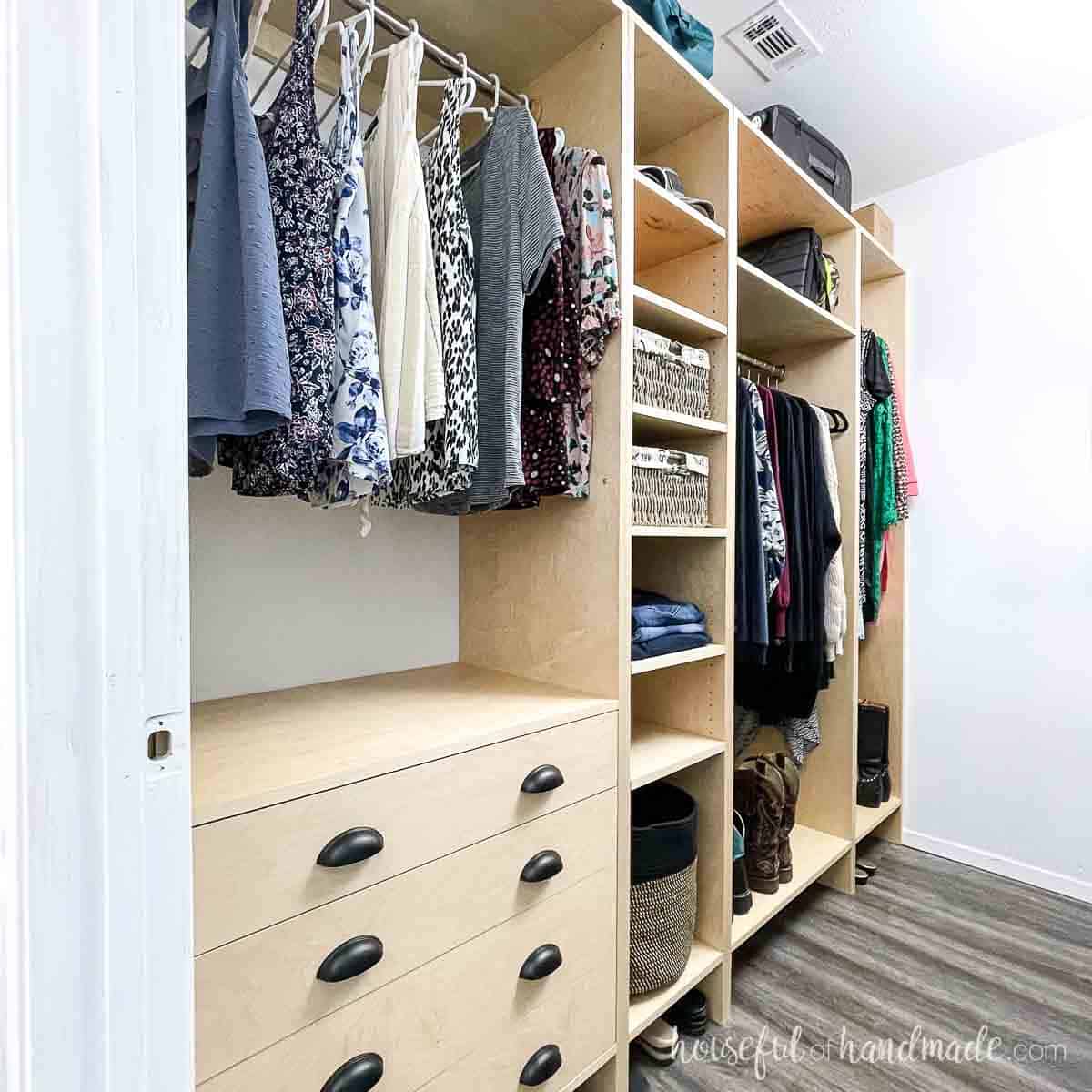
Credit: www.makingmanzanita.com
Use Vertical Space
Using vertical space transforms small closets into organized, efficient areas. Vertical storage maximizes every inch without cluttering the floor. It helps keep items visible and easy to reach. This method works well in tight spaces where horizontal room is limited.
Hanging Organizers
Hanging organizers use the closet rod to add storage pockets or shelves. They hold shoes, accessories, or folded clothes neatly. These organizers free up shelf and drawer space below. Lightweight fabric options are easy to install and move. They keep items off the floor and visible at eye level. Choose organizers with different sized pockets for versatile storage.
Shelves And Hooks
Install shelves high on the closet walls to store boxes or bins. Use clear containers for easy identification. Hooks on the walls or door hold bags, scarves, or belts. They prevent small items from piling up on shelves or the floor. Adding hooks creates extra hanging spots without taking much space. Combine shelves and hooks to fully utilize vertical space and keep everything tidy.
Choose Slim Hangers
Slim hangers save space and keep your closet neat. They fit more clothes on one rod. This helps small closets feel less crowded.
Using slim hangers also creates a uniform look. Your clothes hang evenly and do not slip off easily. This reduces clutter and makes finding clothes easier.
Benefits Of Slim Hangers
Slim hangers take up less room than thick ones. This means more space for your clothes and accessories. You can hang more items without overcrowding.
They often have a smooth finish that protects delicate fabrics. Clothes keep their shape better and stay wrinkle-free longer.
Materials To Consider
Plastic slim hangers are lightweight and affordable. They come in many colors to match your style. Metal hangers are thin and very strong. Wooden slim hangers add a touch of elegance and durability.
Choose a material that fits your budget and closet style.
Tips For Using Slim Hangers
Use matching slim hangers for a tidy look. Group similar clothes together to save time. Hang shirts, pants, and dresses on separate hangers to avoid creases.
Consider hangers with non-slip grips for slippery items. This keeps clothes in place and prevents falls.
Off-season Storage
Off-season storage helps keep your closet neat and functional year-round. Storing clothes and items not in use frees up space. It also protects garments from dust and damage. Smart storage solutions fit well in small spaces. These ideas make your small closet more organized and efficient.
Under-bed Bins
Under-bed bins are perfect for storing off-season clothes. They slide easily under your bed, using space often ignored. Choose clear bins to see contents quickly. Label each bin for easy identification. Soft fabrics, shoes, and bulky sweaters fit well here. This method keeps items out of the way but within reach.
High Shelf Storage
High shelves in your closet offer excellent off-season storage. Use sturdy bins or boxes to keep clothes safe. Store items you rarely use but want to keep. Seasonal accessories like hats and scarves fit perfectly. Place heavier bins on lower high shelves for safety. This storage method maximizes vertical space without clutter.
Label And Divide
Creating your own closet system can transform a small space efficiently. DIY closet organizers allow you to design storage that fits your needs perfectly. You control the layout, style, and materials. This makes your closet both functional and personal.
Building a closet system yourself can save money and give you satisfaction. You choose every element, from shelves to drawers. This helps maximize every inch of your small closet.
Materials And Tools
Common materials include wood, metal rods, and plastic bins. Choose sturdy boards for shelves and quality screws for stability. Basic tools needed are a drill, screwdriver, measuring tape, and level. A saw may be required to cut shelves to size. Selecting the right materials ensures durability and a neat look.
Customization Benefits
DIY closet systems adapt to your clothing and accessories. Adjust shelf heights to fit shoes or folded clothes. Add hooks for bags or belts. Customize drawer sizes for jewelry or small items. This flexibility helps keep your closet tidy and easy to use. Personal touches make the space truly yours.
Time And Skill Requirements
Building a closet organizer takes some time and basic skills. Measuring and planning are important first steps. Cutting and assembling shelves need careful attention. Beginners can follow simple guides or videos for help. Patience and care lead to great results. The project suits those willing to learn and work step-by-step.
Diy Closet Systems
Pre-made closet kits offer a ready solution for organizing small spaces. These kits include shelves, rods, and drawers designed to fit common closet sizes. They help create a neat, functional closet quickly without custom building. Ideal for renters or those short on time, these kits balance ease and efficiency. Choose from various styles and finishes to match your room décor.
Cost And Convenience
Pre-made kits cost less than custom systems but more than DIY from scratch. Prices vary from $100 to $1,000 based on size and material quality. Most kits come with all parts, saving shopping time. They reduce guesswork by providing clear instructions and labeled pieces. This convenience appeals to busy people or those new to closet organizing.
Assembly Tips
Start by reading the entire instruction manual before assembling. Lay out all parts and tools to avoid searching mid-assembly. Work on a flat surface to keep pieces stable and prevent damage. Follow steps in order for a smooth build. Use a level to ensure shelves and rods are straight. Ask a friend for help with heavy or large parts.
Limitations
Pre-made kits may not fit oddly shaped or very small closets perfectly. Customization options can be limited compared to building your own. Some kits use lower-grade materials that may wear faster. Size constraints mean you might need to adapt the layout slightly. Not all kits include every accessory needed for your specific storage needs.
Pre-made Closet Kits
Choosing the right DIY closet organizer for a small space means weighing different options carefully. Each choice has unique benefits and challenges. Understanding these factors helps you make a smart decision that fits your lifestyle and budget.
Budget Factors
Cost plays a big role in selecting a closet organizer. Building your own can save money on materials. Pre-made kits often cost more but reduce the need for extra tools. Think about how much you want to spend before deciding.
Time Investment
DIY projects need time and patience. Building a closet organizer from scratch takes hours or days. Pre-made systems come with easy installation instructions. Choose an option that matches the time you can dedicate.
Space And Needs
Consider the size of your closet and what you need to store. Custom-built organizers fit your space exactly. Pre-made kits may not match unusual closet shapes. Make sure your choice maximizes storage and keeps things tidy.
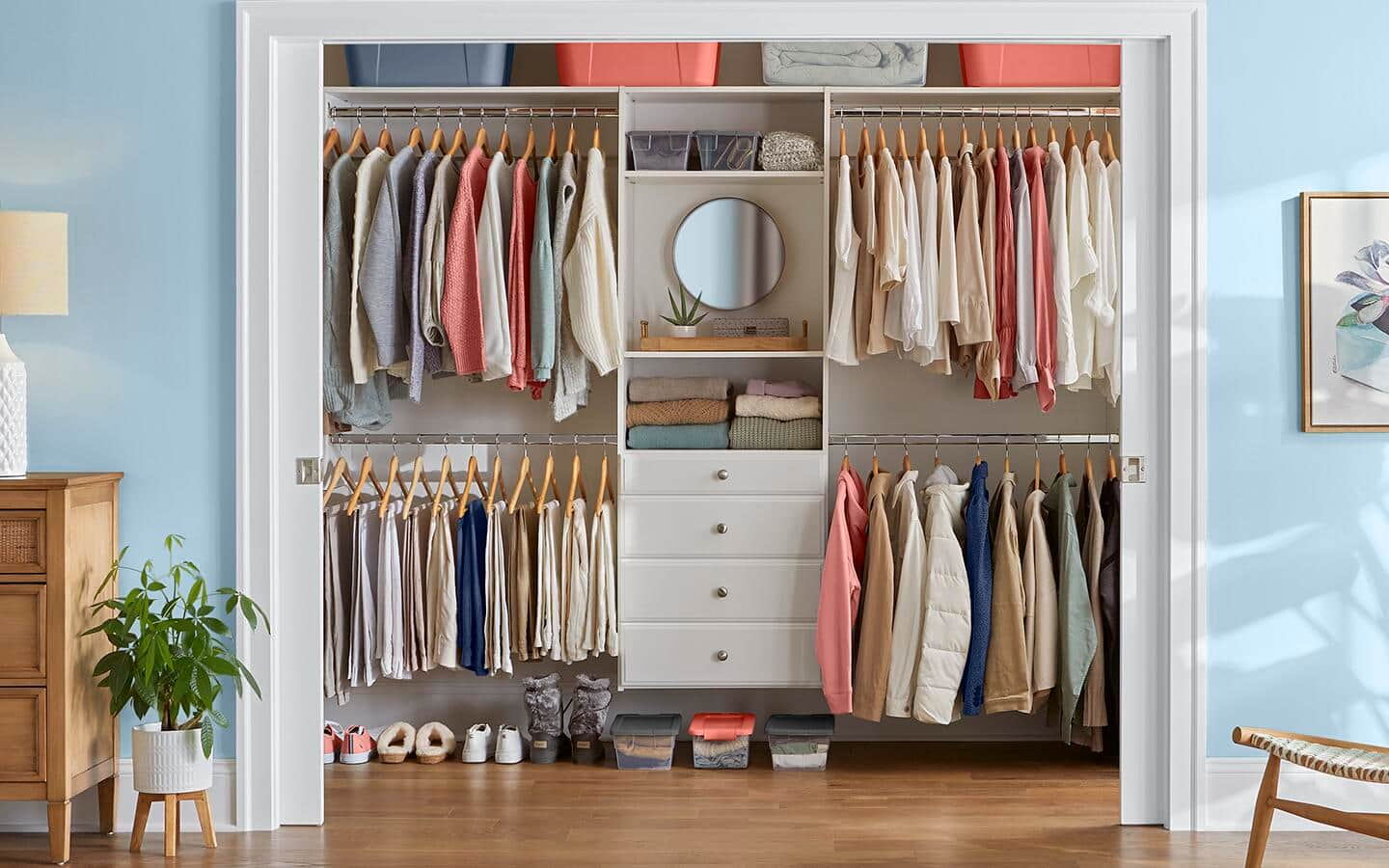
Credit: www.homedepot.com
Professional Installations
Creative storage hacks can transform a small closet into a highly organized space. Simple ideas help you fit more items neatly. These hacks make your closet functional without buying expensive systems. Using everyday materials and smart designs, you can customize your storage.
Try clever tricks to maximize every inch of your closet. These solutions keep your belongings easy to find and access. Small changes create big differences in your daily routine. Explore ideas that fit your style and needs.
Repurposed Items
Use old jars, baskets, and boxes to hold small items. Turn shoe organizers into pockets for accessories. Wooden crates can stack to form shelves. Repurposing saves money and adds character. These items fit tight spaces and keep clutter away.
Diy Drawer Inserts
Create custom drawer inserts to separate socks, ties, and jewelry. Use cardboard or thin wood to build compartments. These inserts keep items visible and prevent mess. You can adjust sizes to fit your drawers perfectly. A tidy drawer makes dressing faster and easier.
Multi-functional Solutions
Choose furniture or storage that serves more than one purpose. A bench with hidden storage holds shoes or bags. Wall hooks can hold hats and scarves together. Foldable racks save space when not in use. Multi-use items cut down clutter and increase storage.
Compare Options
Maintaining your small space DIY closet organizer keeps it functional and neat. Regular care helps avoid clutter buildup and preserves organization. Simple habits can extend the life of your closet system.
Regular Tidying
Set aside a few minutes daily to straighten your closet. Return items to their designated spots after use. Fold clothes neatly and hang garments properly. Remove items that do not belong. This practice prevents mess and saves time later.
Seasonal Reviews
Every few months, review your closet contents by season. Remove clothes that you no longer wear or need. Rotate seasonal items to make space for current clothes. Check shelves and drawers for dust or dirt. Clean and reorganize to keep the closet fresh and efficient.

Credit: www.youtube.com
Frequently Asked Questions
How Do I Organize My Closet With Little Space?
Declutter and sort clothes by use and type. Use vertical storage like shelves and hanging organizers. Choose slim, uniform hangers to save space. Store off-season items in bins under the bed or on high shelves. Label containers and use drawer dividers for small accessories.
Is It Cheaper To Build Or Buy A Closet System?
Building a closet system is usually cheaper if you have DIY skills and time. Pre-made systems save time but can cost more. Professional installations offer customization but are the most expensive option. Choose based on your budget, skills, and time availability.
How To Use Dead Space In A Closet?
Use vertical shelves, hanging organizers, and hooks to maximize dead closet space. Store shoes and accessories in bins or boxes on the floor or high shelves. Add slim hangers and drawer dividers to keep items organized and accessible.
How Can I Maximize Space In A Diy Closet?
Maximize space in a DIY closet by using vertical shelves, slim hangers, and drawer dividers. Declutter and store off-season clothes in labeled bins. Prioritize frequently used items at eye level to keep the closet organized and accessible.
Conclusion
Creating a small space DIY closet organizer saves money and fits your needs. Use shelves, drawers, and hanging organizers to increase storage. Keep items sorted by type and frequency for easy access. Slim hangers and labeled bins help maintain order.
Taking time to plan your design makes the process smoother. Small closets become more functional with simple, thoughtful solutions. Enjoy a tidier space without spending too much. Start today and see how much room you can gain.