
Struggling to keep your small living space neat and inviting? You’re not alone.
When every square foot counts, finding smart ways to organize can transform your home from cramped to comfortable. Imagine having clear surfaces, easy access to your essentials, and a cozy spot that feels open and welcoming—all without adding clutter. You’ll discover simple, practical ideas that make the most of your limited space.
From clever furniture choices to smart storage hacks and decor tips that open up your room, these small living space organization ideas will help you create a home that works for you. Ready to unlock the potential of your space? Let’s dive in!
Credit: bysophialee.com
Multifunctional Furniture
Multifunctional furniture transforms small living spaces. It saves room by combining two or more uses in one piece. This type of furniture helps keep your area tidy and efficient. It allows you to enjoy comfort and style without clutter.
Ottomans With Storage
Ottomans with storage offer a place to sit and a hidden spot for items. You can store blankets, books, or toys inside. They help reduce visible clutter while providing extra seating. Choose ottomans that match your room’s style for a seamless look.
Sofa Beds
Sofa beds serve as a couch by day and a bed by night. They are perfect for small apartments or guest rooms. Sofa beds maximize space without sacrificing comfort. Pick a model that is easy to fold and has a supportive mattress.
Convertible Coffee Tables
Convertible coffee tables change function as needed. Some lift up to become desks or dining tables. Others have built-in storage compartments. These tables save space and add functionality to your living area. They are great for working, eating, or relaxing.
Credit: www.extraspace.com
Furniture Arrangement
Arranging furniture in a small living space can greatly improve its feel and function. Thoughtful placement opens the room and creates a smooth flow. Simple changes can make a room look larger and more inviting. The right layout balances comfort and space. Focus on how furniture interacts with the room and each other.
Floating Furniture
Floating furniture means placing pieces away from walls. This creates a more open and airy space. It allows walking paths on all sides of furniture. Use rugs to define these floating areas. This style works well for seating groups and creates a cozy feel. It helps avoid a cramped and boxed-in look.
Pulling Away From Walls
Pulling furniture slightly away from walls breaks the traditional layout. It adds depth and dimension to the room. This approach encourages better traffic flow. It also invites conversation by bringing seating closer together. Leave enough space to move comfortably around the room. This small shift can refresh the entire space.
Creating A Focal Point
Choose a focal point to anchor the room. This could be a fireplace, a window, or a TV. Arrange furniture facing or around this spot. It helps organize the space visually and physically. A clear focal point guides where people sit and move. It makes the room feel purposeful and balanced.
Using Larger Pieces
Use fewer, larger furniture pieces instead of many small ones. Large pieces create a sense of calm and order. They prevent the room from feeling cluttered or busy. A big sofa or a wide coffee table works well. This choice simplifies the layout and opens up space. It keeps the room feeling spacious and neat.
Vertical Space Usage
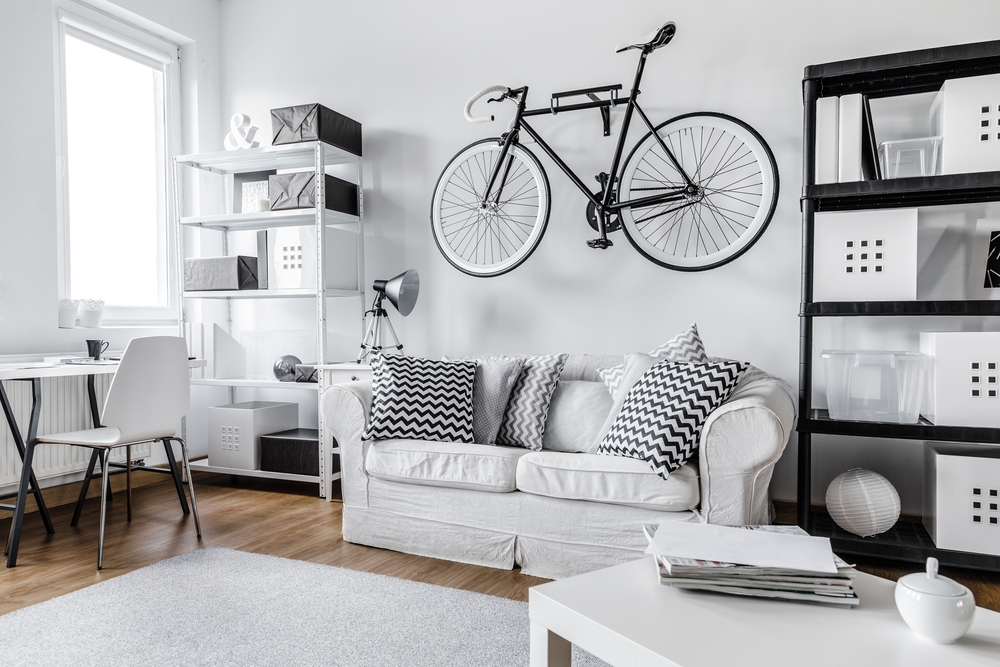
Using vertical space is a smart way to organize a small living area. It frees up floor space and keeps things tidy. You can reach higher spots easily by using walls and corners. This method makes the room feel bigger and less crowded.
Vertical storage helps in keeping important items within sight but out of the way. It also adds style and personality to your home. Here are some simple ideas to use vertical space effectively.
Tall Bookshelves
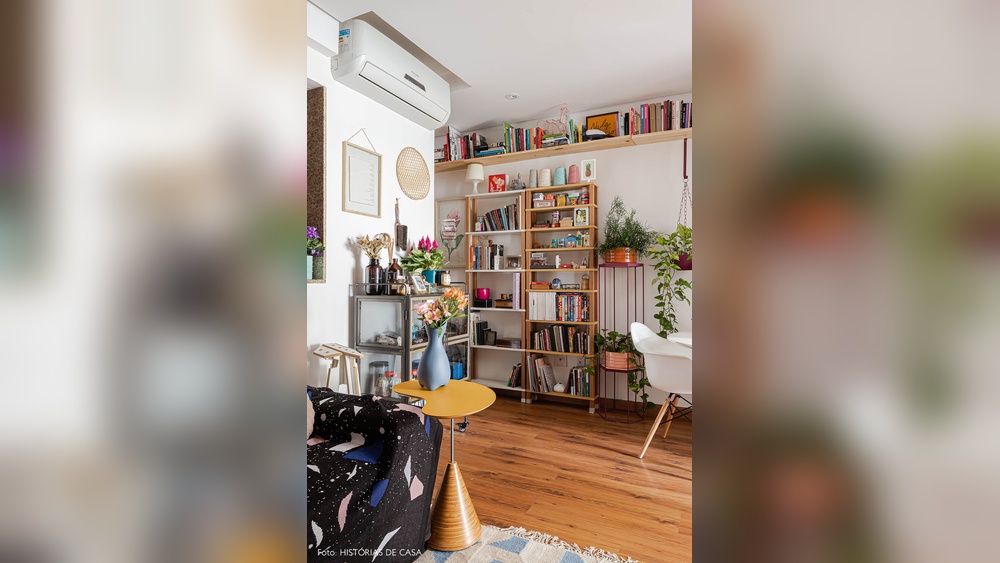
Tall bookshelves use the full height of your walls. They hold many books, decor, and storage boxes. Choose slim designs to avoid bulky furniture. Place them in corners or next to seating areas. This creates a cozy reading spot and keeps clutter off the floor.
Floating Shelves
Floating shelves are fixed directly to the wall. They do not take up floor space. Use them to display small items, photos, or plants. Arrange shelves at different heights for visual interest. They make walls functional and decorative at the same time.
Wall-mounted Planters
Wall-mounted planters bring greenery into small spaces without using floor space. Hang them in kitchens, living rooms, or near windows. Plants improve air quality and add color. Choose planters that match your style for a fresh, natural look.
Light And Color Tricks
Light and color play a key role in organizing small living spaces. They affect how spacious and inviting the room feels. Bright rooms with clever color use seem larger and less crowded. Using light and color tricks can transform a tiny space into a comfortable, airy home.
These tips help maximize natural light and create harmony in your décor. They also reduce visual clutter and highlight your best design features. Experimenting with simple changes can bring big improvements in small areas.
Using Mirrors
Mirrors reflect light and open up the room visually. Place a large mirror opposite a window to bounce daylight around. This trick doubles the light and makes the space feel wider. Choose mirrors with simple frames to avoid adding clutter. A mirror behind a sofa or near entryways enhances brightness and depth.
Light Paint Colors
Light paint colors brighten walls and ceilings. Whites, creams, and soft pastels make rooms appear bigger. Avoid dark or bold colors that shrink the space visually. Paint ceilings a shade lighter than walls to raise the room’s height. Using satin or eggshell finishes helps reflect light gently.
Tonal Color Palettes
Stick to tonal color palettes for a calm, unified look. Use different shades of the same color throughout the room. This reduces visual breaks and makes the area feel more open. For example, soft grays, blues, or beiges work well. Add texture with fabrics and rugs to keep the space interesting.
Oversized Art
Large art pieces create a strong focal point without clutter. One big painting or print makes the room feel organized and stylish. Avoid many small frames that crowd walls and confuse the eye. Hang oversized art at eye level for balance. It adds personality and draws attention away from limited square footage.
Storage Solutions
Effective storage solutions are essential in small living spaces. They help reduce clutter and keep your home neat. Smart storage makes the area more functional and inviting. Use creative ideas that blend storage with style. Maximize every corner without making the space feel crowded.
Decorative Baskets And Boxes
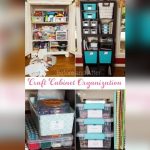
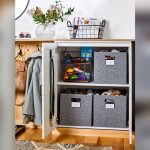
Decorative baskets and boxes store items while adding charm. Choose natural materials like wicker or fabric for warmth. Use them to hold blankets, magazines, or toys. Place baskets on shelves or under tables for easy access. Boxes with lids keep things out of sight and dust-free.
Closed Storage Options
Closed storage hides clutter and creates a clean look. Cabinets, cupboards, and storage benches work well in small rooms. They keep belongings organized and protected. Use furniture with built-in storage to save space. Closed storage helps maintain a tidy atmosphere effortlessly.
Hiding Cords
Cords create visual clutter and make small spaces look messy. Use cord covers or clips to keep wires organized. Hide cords behind furniture or inside cable management boxes. Label cables to identify them quickly. Keeping cords out of sight improves the room’s appearance and safety.
Tall Shelving Units
Tall shelving units use vertical space effectively. They provide plenty of storage without taking up floor space. Store books, plants, and decorative items on shelves. Choose slim designs to fit narrow walls or corners. Tall shelves draw the eye upward, making the room feel taller.
Decluttering Habits
Decluttering habits are essential for organizing small living spaces. They keep your home tidy and help you find things quickly. Good habits prevent mess from building up and make cleaning easier. You feel calm and relaxed in a clutter-free space. Simple routines can create lasting order and improve your daily life.
Regular Surface Clearing
Clear surfaces every day to avoid clutter buildup. Put items back in their places after use. Keep counters, tables, and desks free from unnecessary objects. This habit makes your space look neat instantly. It also helps you notice what you really need.
Organizing Essentials
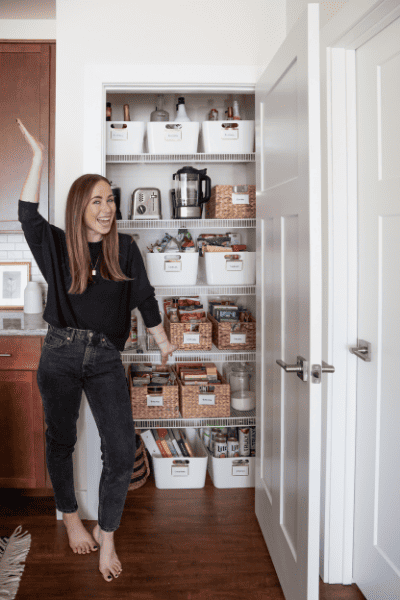
Use containers, baskets, and trays to group small items. Label boxes to find things faster. Store similar items together for easy access. Keep only essentials on display and hide extras. Organizing tools reduce chaos and save space in small rooms.
Minimizing Visual Clutter
Limit the number of items on walls and shelves. Choose simple decorations that match your style. Use closed storage like cabinets to hide mess. A clear view creates a peaceful atmosphere. Visual calm makes small spaces feel larger and more open.

Credit: www.extraspace.com
Frequently Asked Questions
What Furniture Works Best For Small Living Spaces?
Multifunctional furniture is ideal for small spaces. Choose ottomans with storage, sofa beds, or coffee tables that double as desks. These pieces save space while serving multiple purposes, making your living area more organized and functional.
How Can I Maximize Storage In A Small Room?
Use vertical space by installing tall bookshelves or floating shelves. This draws the eye upward and frees floor space. Also, use baskets and boxes to store items neatly, keeping surfaces clear and reducing clutter effectively.
Why Use Light Colors In Small Living Rooms?
Light or tonal colors reflect more light, making a room feel bigger and airier. A limited color palette prevents visual clutter and creates a cohesive, open look that enhances the feeling of spaciousness in small living areas.
How Does Furniture Placement Affect Small Room Organization?
Pull furniture away from walls and float pieces to create an open, inviting layout. Arrange seating around a focal point like a TV or fireplace to guide traffic flow and avoid a cramped, cluttered appearance.
Conclusion
Organizing a small living space takes smart choices and simple steps. Use furniture that serves more than one purpose. Make the most of vertical space with shelves and hooks. Keep colors light and add mirrors to open the room visually.
Choose a few larger pieces instead of many small ones. These ideas help create a comfortable, tidy, and inviting home. Small spaces can feel spacious with the right plan and care. Try these tips and enjoy a well-organized living area every day.