
Is your craft space feeling cramped and chaotic? You’re not alone.
When every tool, ribbon, and bead has its own place, creativity flows freely. But clutter can block your inspiration and slow you down. Imagine opening your craft supplies and instantly finding exactly what you need, without the stress or mess.
In this guide, you’ll discover simple, smart ways to organize your small craft space so it works for you—not against you. Ready to transform your creative corner into a tidy, inspiring haven? Let’s dive in and make your craft space a place you love to spend time in.
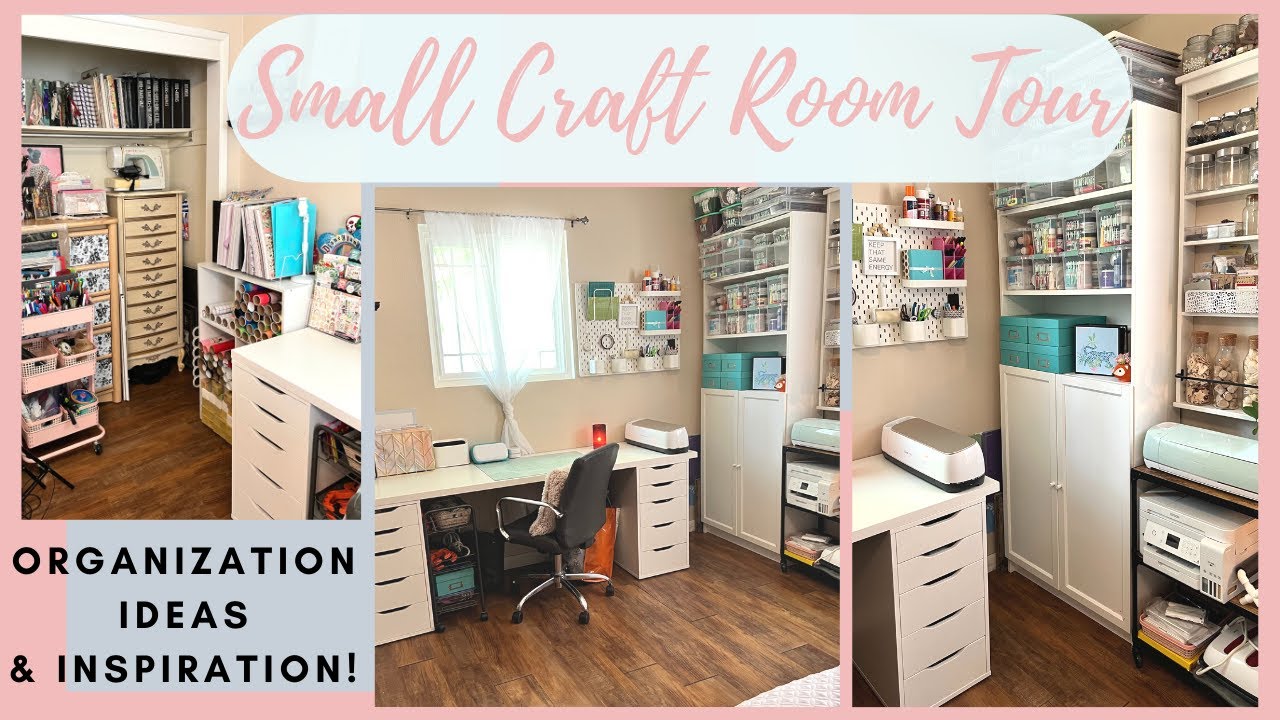
Credit: www.youtube.com
Maximize Vertical Space
Maximizing vertical space is a smart way to organize small craft areas. It frees up floor space and keeps supplies within easy reach. Using walls and ceilings helps you store more without clutter. This approach makes your craft space neat and functional.
Wall-mounted Shelves
Wall-mounted shelves provide extra storage without taking floor space. You can place bins, jars, and tools on them. Open shelves keep everything visible and easy to grab. Choose adjustable shelves to fit different items. Install shelves at various heights for better use of space.
Pegboards And Hooks
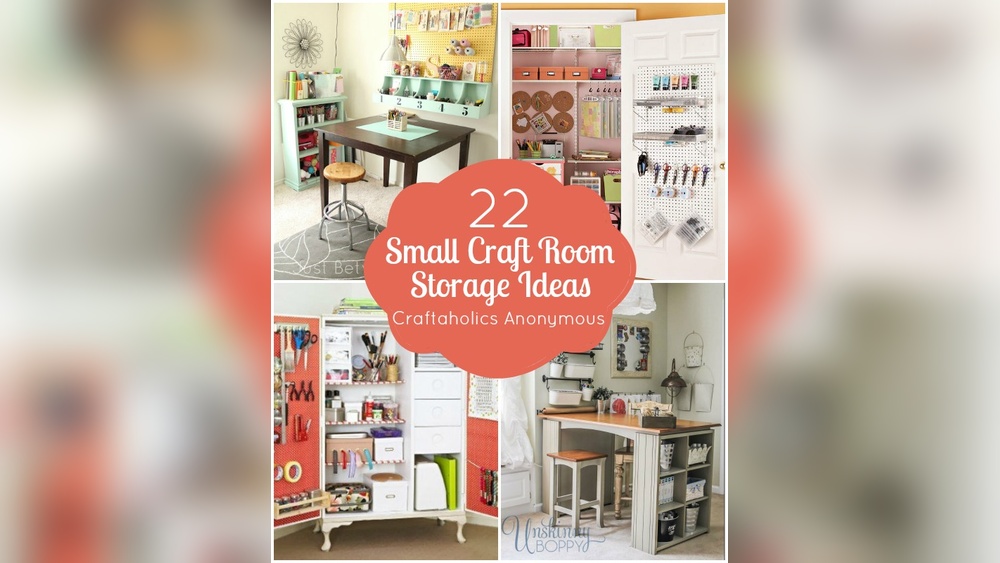
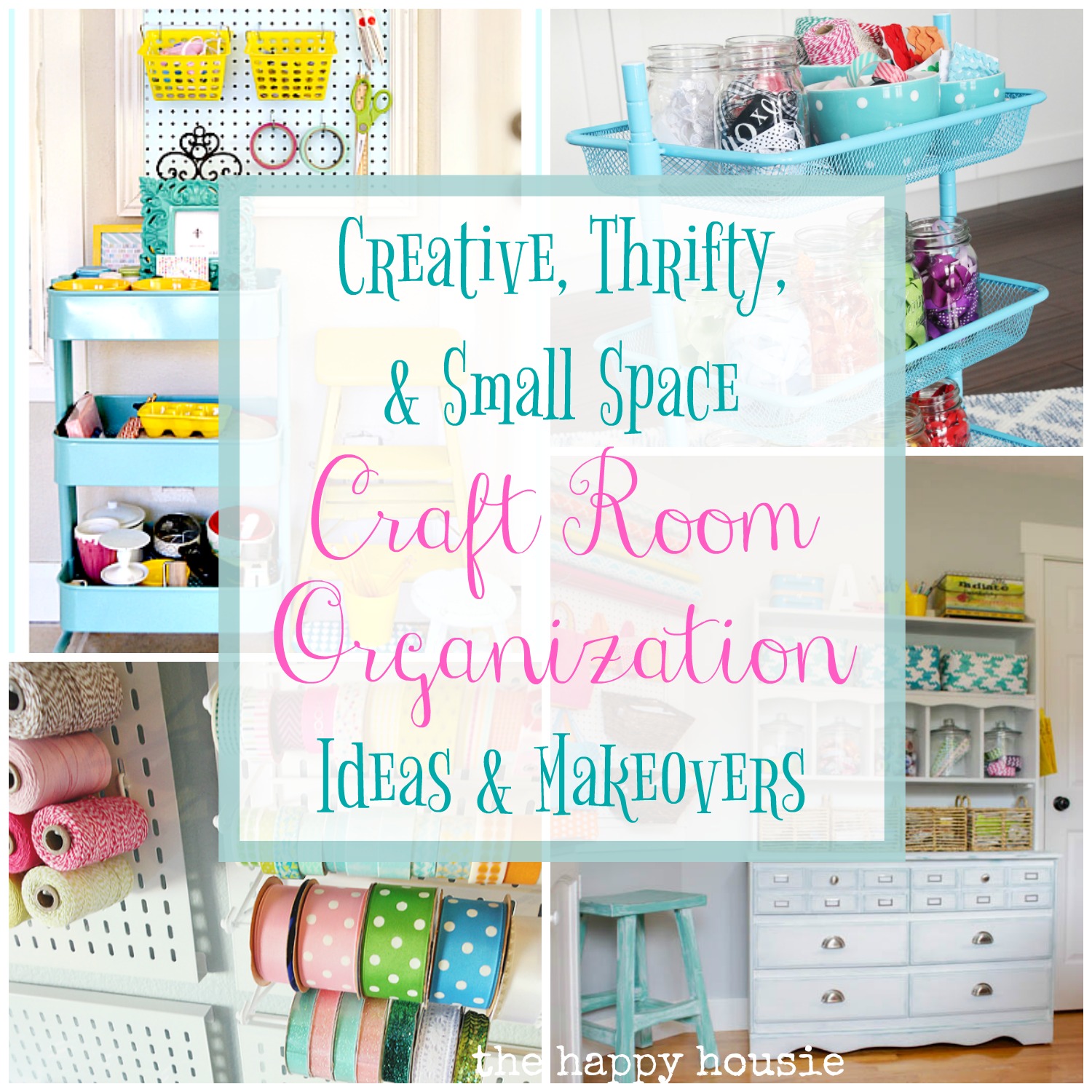
Pegboards offer flexible storage for many craft tools. Hang scissors, rulers, and brushes on hooks for quick access. Rearrange hooks anytime to fit new supplies. Pegboards also help keep your workspace clear. Paint them bright colors to add a fun touch.
Overhead Storage Solutions
Overhead storage uses ceiling space for items you use less often. Store large boxes or extra materials above your work area. Use sturdy racks or baskets attached to the ceiling. This keeps bulky items out of the way but easy to find. Overhead storage frees up desk and floor space.
Compact Storage Containers
Compact storage containers are essential for organizing small craft spaces efficiently. They help keep craft supplies neat and easy to find. Using the right containers saves space and reduces clutter. This makes crafting more enjoyable and productive.
Clear Plastic Boxes
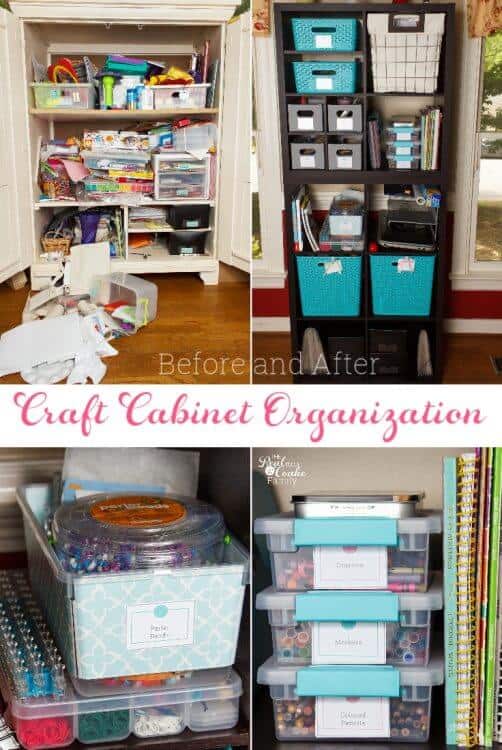
Clear plastic boxes let you see contents without opening them. They are perfect for storing beads, buttons, and small tools. These boxes come in various sizes, fitting shelves and drawers well. Their transparency helps quickly identify items, saving time during projects.
Stackable Drawers
Stackable drawers maximize vertical space in a small craft area. You can organize different supplies in separate drawers. These drawers often have labels or clear fronts for easy access. They are sturdy and keep items dust-free, making your craft space tidy.
Portable Craft Totes
Portable craft totes offer mobility for your crafting needs. They usually have multiple compartments to hold various supplies securely. These totes are great for taking projects on the go or moving supplies between rooms. Their compact design fits well in small spaces.
Smart Furniture Choices
Smart furniture choices can transform a small craft space into an efficient and enjoyable area. Selecting pieces that serve multiple purposes saves room and keeps supplies organized. These choices help you work comfortably without feeling cramped.
Rolling Carts
Rolling carts offer mobility and extra storage. You can move them close to your workstation while crafting. When not in use, tuck them away easily. Many carts have several tiers to hold different supplies. This keeps tools and materials visible and accessible.
Multi-functional Tables
Multi-functional tables serve more than one purpose. They can be a workspace and storage at the same time. Some have built-in drawers or shelves underneath. Others fold out to give you more surface area. These tables help maximize your limited craft room space.
Foldable Workstations
Foldable workstations save space when you need it most. You can set them up quickly and fold them away after use. This type of furniture is perfect for small rooms or shared spaces. It offers flexibility without sacrificing a dedicated workspace.
Zone Your Craft Space
Organizing a small craft space becomes easier with clear zones. Zoning helps you keep tools, projects, and inspiration in order. It creates a smooth workflow and saves time hunting for items. Each zone has a purpose, making your space neat and efficient.
Tool And Supply Areas
Designate a spot just for your tools and supplies. Use shelves, bins, or drawers to keep everything visible and tidy. Group similar items like scissors, glue, and paints together. Label containers to find what you need quickly. This zone prevents clutter and keeps your tools ready.
Project Work Zones
Set up a clear area for active projects. Choose a flat surface with good light. Keep only the materials for your current project here. This helps you focus and avoids mixing supplies. Clear your workspace after finishing to maintain order.
Inspiration And Display Spots
Create a space to showcase your ideas and finished crafts. Use corkboards, shelves, or small frames. Display photos, sketches, or samples that inspire you. This zone keeps your creativity alive and motivates you to start new projects. It adds a personal touch to your craft area.
Labeling And Categorizing
Labeling and categorizing are key to organizing a small craft space. They help you find supplies fast and keep everything neat. Clear labels reduce clutter and save time. When you know where each item belongs, your workspace stays tidy and inviting.
Simple systems make it easier to keep your craft area under control. Use tools and methods that suit your style and space. Consistency matters in labeling and sorting materials. It creates a smooth workflow and less frustration.
Label Makers And Tags
Label makers create clear, easy-to-read tags for your supplies. They work well on bins, shelves, and drawers. Tags can be paper, plastic, or adhesive labels. Choose labels that stick well and last long. Handwritten tags work too if neat and consistent. Use bold fonts for better visibility. Label makers save time and keep things uniform.
Color Coding Systems
Color coding helps you organize items by category or use. Assign colors to types of supplies like fabric, beads, or paper. Use colored bins, stickers, or tape for quick ID. This system speeds up finding what you need. It also makes your space look bright and fun. Keep a color key nearby to remember each code. Change colors as your collection grows.
Inventory Checklists
Inventory checklists track your craft supplies and tools. Write down what you have and update it regularly. This prevents buying duplicates and running out of essentials. Use simple spreadsheets or paper lists. Group items by category for easy reference. Checklists help plan projects and shopping trips. Keep your list near your craft area for quick updates.
Credit: realcreativerealorganized.com
Declutter Regularly
Keeping a small craft space neat requires regular decluttering. It helps you stay organized and frees up room for creativity. Taking time to sort through supplies often prevents mess build-up. A tidy area improves focus and makes crafting more enjoyable.
Purge Unused Supplies
Go through your craft materials and tools. Remove items you no longer use or need. Old glue sticks, dried paint, or broken scissors take up valuable space. Letting go of these keeps your space functional and fresh.
Donate Or Recycle Materials
Consider donating supplies in good condition to schools or community centers. Recycling scraps reduces waste and clutter. Giving unused items a new life benefits others and clears your workspace.
Maintain A Clean Workspace
Wipe surfaces after each project to avoid dirt and dust buildup. Store tools and materials in designated spots. A clean area invites creativity and keeps your craft space ready for the next project.
Creative Diy Organizers
Creative DIY organizers bring new life to small craft spaces. They help keep tools and supplies neat.
These organizers fit your needs and style perfectly. You save money and reduce clutter with clever ideas.
Repurposed Household Items
Old jars and tins work great for storing buttons and beads. Use shoe boxes for paper and fabric scraps. Turn muffin tins into holders for small craft parts. Repurposing saves money and cuts waste.
Custom Storage Solutions
Build shelves to fit your wall space exactly. Use pegboards to hang scissors and ribbons. Create drawer dividers for different craft tools. Custom solutions make your space more useful and tidy.
Budget-friendly Hacks
Use clothespins to clip papers and notes. Stack plastic cups to hold brushes and pens. Make trays from cardboard boxes to organize beads. These hacks keep costs low and order high.
Credit: www.thehappyhousie.com
Utilize Hidden Spaces
Utilizing hidden spaces can greatly improve your small craft area. These clever spots offer extra storage without cluttering your workspace. They keep tools and materials within reach yet out of sight. This method maximizes every inch of your room efficiently.
Under-table Storage
The space under your craft table is often wasted. Use shallow bins or rolling drawers to store supplies here. This keeps items organized and easy to access. Clear containers help you find things quickly without digging around. It also frees up tabletop space for your projects.
Behind-door Racks
The back of doors provides a great place for storage racks. Hang small baskets or hooks to hold scissors, ribbons, or paints. This spot is perfect for frequently used tools. It keeps them visible but out of the way. Choose slim racks to avoid blocking door movement.
Inside Cabinet Organizers
Cabinet interiors offer hidden storage for craft materials. Install adjustable shelves or pull-out trays to fit different items. Use stackable bins to separate beads, fabric, or paper. This keeps everything neat and easy to find. Organizers inside cabinets reduce clutter on counters.
Incorporate Lighting
Good lighting makes a small craft space easier and more pleasant to use. It helps you see details clearly and reduces eye strain. Proper lighting also creates a welcoming atmosphere that boosts creativity. Combine different types of lighting to meet all your crafting needs.
Task Lighting Options
Task lighting focuses bright light on your work area. Desk lamps with adjustable arms work well. Clip-on lights save space and direct light exactly where needed. LED light strips under shelves can brighten dark corners. Choose lighting that does not cast shadows on your project.
Ambient Lighting Ideas
Ambient lighting sets the overall mood in your craft space. Soft ceiling lights or wall sconces create a warm glow. Use lamps with frosted shades to diffuse light gently. String lights add charm and make the area cozy. Avoid harsh overhead lights that cause glare.
Energy-efficient Fixtures
Energy-efficient lights reduce electricity use and save money. LED bulbs use less power and last longer than traditional bulbs. They come in many brightness levels and colors to suit your space. Consider solar-powered lamps for extra savings. Energy-efficient fixtures help keep your craft room green and bright.
Frequently Asked Questions
What Are The Best Tips For Organizing Small Craft Spaces?
Maximize vertical storage using shelves and pegboards. Use clear containers to easily identify supplies. Declutter regularly and group items by type to save space.
How Can I Store Craft Supplies Efficiently In Small Areas?
Use stackable bins and drawer organizers. Label containers for quick access. Utilize under-table storage and wall-mounted racks to keep supplies off surfaces.
What Storage Solutions Work Best For Tiny Craft Rooms?
Opt for multi-functional furniture with built-in storage. Use hanging organizers for tools and small items. Invest in portable caddies to keep materials mobile and tidy.
How To Declutter And Maintain A Small Craft Space?
Set a routine to sort and discard unused items. Keep only essential tools accessible. Organize leftovers in labeled bins to prevent future clutter.
Conclusion
A small craft space can stay neat with simple organizing steps. Use containers, shelves, and labels to keep supplies in order. Clear your workspace often to avoid clutter buildup. Organizing saves time and makes crafting more enjoyable. Start small and build your system bit by bit.
With patience, your craft area becomes both useful and inspiring. Stay consistent, and your space will always feel ready for new projects.