
Do you feel like your small space is bursting at the seams but your budget just can’t stretch any further? You’re not alone.
Organizing small spaces on a budget might seem impossible, but with the right strategies, you can transform your cluttered corners into calm, functional areas without spending a fortune. Imagine opening a drawer or walking into a room and instantly feeling relaxed because everything has its place.
Ready to unlock simple, affordable hacks that work? Keep reading, and you’ll discover practical ideas that make the most of every inch—turning your small space into a big win for your home and your wallet.

Credit: justagirlandherblog.com
Maximize Vertical Space
Maximizing vertical space is a smart way to organize small rooms without spending much. Walls and ceilings offer extra storage that often goes unused. Using this space helps keep floors clear and makes the room feel larger. Many vertical storage ideas are easy to set up and budget-friendly.
Install High Shelves
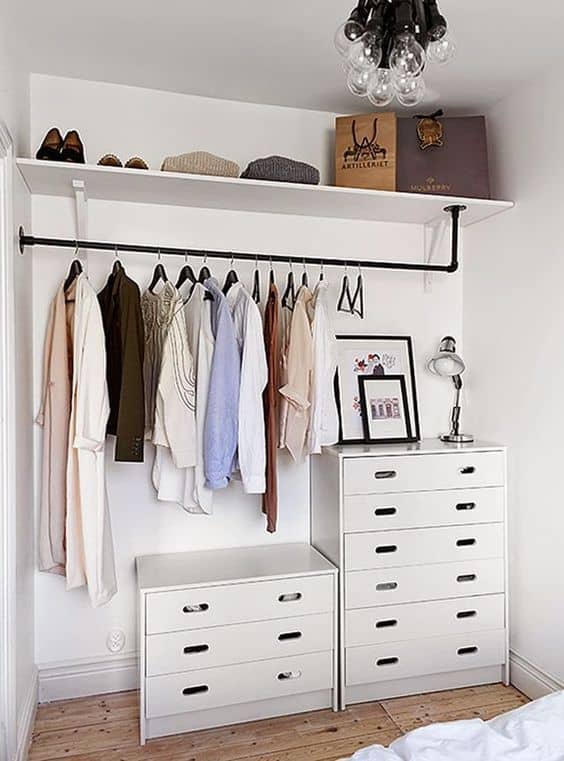
High shelves use wall space near the ceiling. They keep items off the floor and counters. Store things you do not use every day on these shelves. This frees up lower shelves for daily items. Simple brackets and wooden planks can create sturdy, low-cost shelves. Paint the shelves to match your room for a neat look.
Use Wall-mounted Organizers
Wall-mounted organizers hold small items in one place. Use hooks, baskets, or pegboards to keep things tidy. These organizers fit in kitchens, bathrooms, and offices. They save drawer space and make items easy to find. Many wall organizers are affordable and easy to install with basic tools.
Hang Items From The Ceiling
Ceiling space offers unusual storage options. Hang pots, pans, or baskets to clear counters. Use hooks or a hanging rack to suspend items safely. This method works well in kitchens and craft rooms. Hanging storage keeps things visible and accessible. It also adds character to small spaces without clutter.
Credit: www.youtube.com
Optimize Closet Storage
Optimizing closet storage transforms small spaces into neat, functional areas. It helps keep clothes, shoes, and accessories organized. Using smart storage ideas fits your budget and space.
Simple changes create more room and reduce clutter. Focus on making every inch of your closet useful. This way, you can enjoy a tidy space without spending much.
Add Extra Rods And Shelves
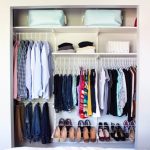
Adding extra rods doubles hanging space for clothes. Place one rod higher and another lower. This setup works well for shirts, pants, and skirts.
Install shelves above rods to store boxes and folded items. Shelves keep things visible and easy to reach. Use affordable brackets and wood for shelves.
Use Hanging Organizers
Hanging organizers save floor space and hold shoes or accessories. They fit easily on closet rods or hooks. Choose fabric or plastic types based on your needs.
These organizers have pockets or compartments. They keep small items tidy and prevent mess. Hanging organizers are budget-friendly and simple to install.
Store Seasonal Items Smartly
Store off-season clothes in labeled bins or vacuum bags. Place these containers on high shelves or under beds. This keeps your closet free for daily use.
Rotate items by season to reduce clutter and find clothes faster. Clear bins help you see what’s inside without opening them. Smart storage extends the life of your clothes.
Choose Multipurpose Furniture
Choosing multipurpose furniture helps save space and money. These pieces combine storage and function. They keep your small area neat and organized. Multipurpose furniture works well in small rooms and tight budgets.
Ottomans With Hidden Storage
Ottomans with hidden storage offer a place to sit and store items. You can keep blankets, toys, or magazines inside. This furniture hides clutter and adds extra seating. It fits well in living rooms or bedrooms without taking extra space.
Beds With Built-in Drawers
Beds with built-in drawers provide storage under the mattress. Use drawers for clothes, shoes, or linens. This furniture reduces the need for extra dressers. It helps keep your bedroom tidy and uses space efficiently.
Tables With Storage Compartments
Tables with storage compartments offer a spot to work and store things. Store books, office supplies, or small items inside. These tables save space and keep essentials close. They are great for small living rooms or home offices.
Utilize Under-bed Space
Under-bed space offers a hidden storage area in small rooms. It is often overlooked but very useful. Organizing this space can free up room and reduce clutter. You do not need to spend much money to use it well. Simple tools and smart ideas can help you make the most of it.
Use Rolling Bins
Rolling bins slide easily under the bed. They keep things neat and accessible. Choose bins with wheels for quick movement. Clear bins let you see what is inside. Use them for shoes, toys, or seasonal clothes. This method saves floor space and keeps items dust-free.
Store Flat Items
Flat items fit perfectly under the bed. Store extra blankets, pillows, or books in flat boxes. Use shallow containers or zippered bags. These keep items clean and organized. Flat storage prevents piles and makes cleaning easier. Label each container to find things fast.
Keep Frequently Used Items Accessible
Place items you use often near the bed’s edge. Avoid stacking too many things deep under the bed. Keep daily shoes, a book, or a laptop charger within reach. This saves time and avoids mess. Use small baskets or trays to group these items.
Create Zones For Organization
Creating zones in small spaces helps keep everything neat and easy to find. Zoning divides a room into clear sections based on use. It makes the space feel larger and more organized. This method works well on a budget since it uses simple tools and smart planning.
Define Areas By Function
Start by deciding what activities happen in each part of the space. For example, create a reading corner or a work desk area. Assign specific spots for storage, relaxation, or hobbies. This clear division reduces clutter and makes daily tasks smoother.
Use Bins And Labels
Bins help keep small items together and prevent messes. Choose clear or matching bins to keep the look tidy. Label each bin with its contents. Labels make it easy to find and return items quickly. This simple step saves time and frustration.
Maintain Consistent Categories
Group similar items in the same zone or container. Keep categories steady across the space to avoid confusion. For instance, store all craft supplies in one bin or shelf. Consistency helps maintain order and makes cleaning up faster.
Incorporate Moveable Storage
Incorporating moveable storage helps maximize small spaces without costing much. These storage solutions offer flexibility and easy access. They make organizing simple and keep clutter off the floor. Moveable storage fits in tight spots and adjusts as your needs change. Use these ideas to create more room and stay organized on a budget.
Use Rolling Carts
Rolling carts are great for small areas. They move easily from room to room. Use them to hold office supplies, kitchen tools, or craft items. Choose carts with multiple shelves to store many things at once. Rolling carts keep items within reach but out of the way.
Add Stackable Bins
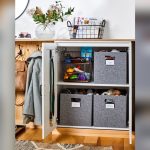
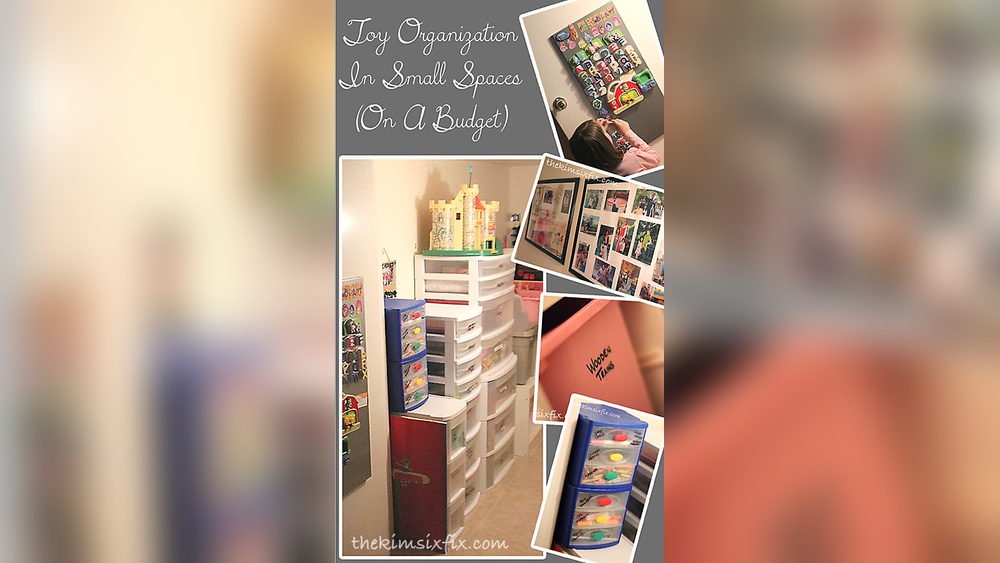
Stackable bins save floor space by going up, not out. They fit neatly in closets, under desks, or on shelves. Use clear bins to see what’s inside without opening them. Label bins for quick identification. Stackable bins keep small items tidy and easy to find.
Employ Modular Storage Units
Modular storage units adapt to your space and needs. Combine cubes or shelves in different ways to fit corners or walls. Change the layout as your storage needs grow or shrink. These units make organizing simple and efficient. They look neat and help keep clutter hidden.
Hide Storage Creatively
Hiding storage creatively helps keep small spaces tidy without clutter. Clever storage hides items while adding style. Using everyday objects in new ways saves money and space. These ideas make rooms look bigger and organized.
Use Decorative Baskets
Decorative baskets store items neatly and look good. Place baskets on shelves or under tables to hide clutter. Choose baskets that match your room’s style and colors. Woven or fabric baskets add texture and warmth. They are easy to move and affordable.
Opt For Furniture With Concealed Compartments
Furniture with hidden storage keeps spaces clean and organized. Look for ottomans, benches, or beds with built-in compartments. These pieces hide blankets, toys, or books out of sight. They save space by combining furniture and storage. Buying secondhand can reduce costs.
Install Curtain-covered Shelves
Shelves covered with curtains hide stored items from view. Curtains soften the room’s look and add color or pattern. Choose lightweight fabrics that are easy to open and close. This method hides clutter without doors or expensive cabinets. It is a simple and budget-friendly solution.
Credit: jennakateathome.com
Add Affordable Shelving
Adding affordable shelving is a smart way to organize small spaces. Shelves create extra storage without taking up floor space. They help keep rooms neat and items easy to find. Installing shelves does not have to cost much. Many budget-friendly options fit different styles and needs.
Diy Floating Shelves
DIY floating shelves save money and add style. Use simple wood planks and brackets. Paint or stain them to match your room. Floating shelves hold books, plants, or decor. They make walls useful and keep surfaces clear. Building your own shelves lets you choose size and shape. This custom approach suits any small space perfectly.
Use Inexpensive Wall Racks
Wall racks are a cheap storage solution. Find metal or plastic racks at discount stores. Mount them on walls to hold kitchen tools, shoes, or accessories. Wall racks free up cabinet and floor space. They are easy to install and move. Use them in closets, kitchens, or entryways. Inexpensive racks keep things organized and visible.
Repurpose Existing Materials
Repurposing materials cuts costs and adds charm. Old crates, wooden pallets, or drawers can become shelves. Clean and paint these items before mounting on walls. This reuse gives new life to unused objects. It creates unique storage that fits your style. Repurposed shelves help keep your small space tidy without spending much.
Leverage Door And Cabinet Space
Small spaces often lack enough storage, making organization tough. Doors and cabinet surfaces offer hidden spots to store items. Using these areas helps save space without extra furniture. Simple tools can transform these spaces into practical storage zones. It keeps your room tidy and maximizes every inch available.
Install Over-the-door Hooks
Over-the-door hooks are cheap and easy to use. Hang coats, bags, or towels on them. They fit most doors without drilling holes. Hooks keep items off the floor and within reach. Choose sturdy hooks to hold heavier items securely.
Add Cabinet Door Organizers
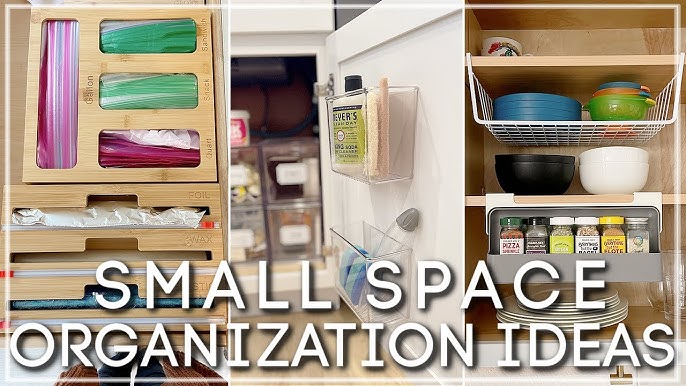
Cabinet doors often stay empty but can hold a lot. Install organizers inside to store cleaning supplies or kitchen tools. These organizers come in baskets, racks, or pockets. They make small items easy to find and save shelf space. Most attach with screws or adhesive strips.
Use Command Hooks For Flexibility
Command hooks stick firmly and remove cleanly. Use them on doors or cabinet sides. They hold keys, lightweight tools, or kitchen utensils. Command hooks let you move storage wherever needed. They avoid damage to walls or surfaces, perfect for rented homes.
Apply Smart Decluttering Habits
Applying smart decluttering habits helps keep small spaces tidy and functional. Regularly removing items you no longer use frees up valuable room. It creates a calmer and more organized environment. Good habits prevent clutter from piling up and make daily living easier. Even small efforts add up to big results over time.
Regularly Sort Items
Set aside time each week to sort your belongings. Group items into keep, toss, or donate piles. Check for things you no longer need or use. Sorting helps you see what takes up space. It also stops clutter from building up quickly.
Donate Or Sell Unused Goods
Give your unused items a second life by donating or selling them. Many local charities accept clothes, books, and household goods. Selling items online can also bring extra cash. Clearing out unused goods frees up room and helps others.
Keep Surfaces Clear
Clear surfaces make rooms feel bigger and more open. Avoid piling up papers, dishes, or random objects on tables and counters. Use storage boxes or trays to keep things organized. A clean surface reduces visual clutter and improves focus.
Frequently Asked Questions
How Can I Organize Small Spaces On A Budget?
Focus on affordable storage solutions like shelves, bins, and hooks. Use multipurpose furniture to save space and money. Maximize vertical space by adding wall-mounted organizers. Declutter regularly to keep only essential items. DIY projects can also create custom storage without high costs.
What Are The Best Budget Storage Ideas For Small Spaces?
Use under-bed storage containers and hanging organizers on doors. Invest in stackable bins and baskets for better organization. Repurpose everyday items like jars and boxes for small item storage. Choose furniture with built-in storage to reduce clutter and save space.
How Do I Maximize Vertical Space Affordably?
Install wall shelves or floating shelves using inexpensive materials. Use hooks and pegboards to hang items off the floor. Utilize the backs of doors with hanging organizers. Vertical storage helps keep floors clear and makes small spaces feel larger.
Which Multipurpose Furniture Suits Small Spaces Best?
Look for ottomans with hidden compartments or beds with built-in drawers. Coffee tables with storage or foldable desks save space and add function. These pieces reduce the need for extra furniture, helping you stay organized on a budget.
Conclusion
Organizing small spaces on a budget is simple and rewarding. Use shelves, hooks, and multipurpose furniture smartly. Keep items neat by creating zones and using hidden storage. Small changes make your space feel larger and more functional. Stay consistent and enjoy a clutter-free home without spending much.
Your space can be both cozy and well-organized with these easy tips.