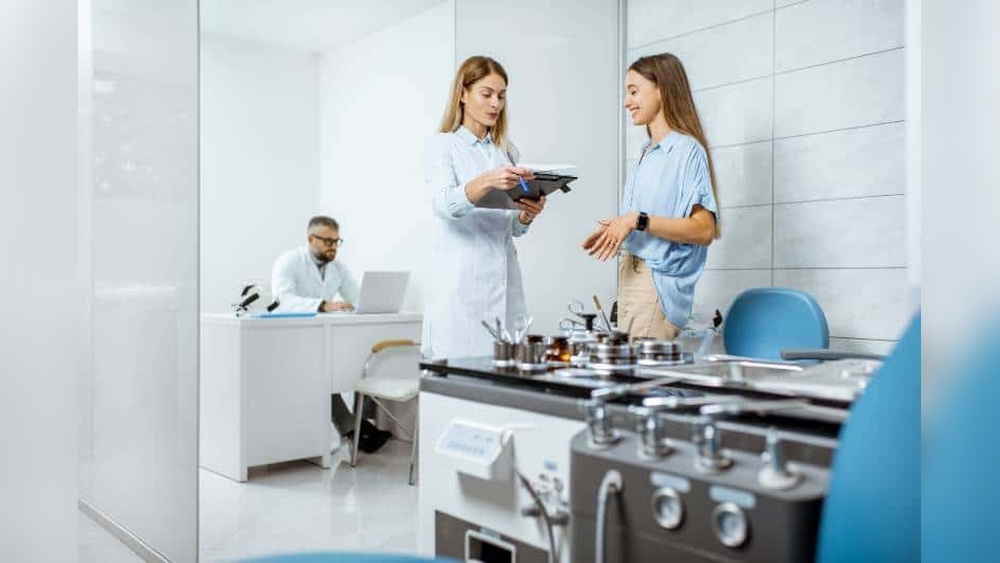

Is your small medical office feeling cramped and chaotic? You’re not alone.
When space is limited, staying organized can feel like an uphill battle. But imagine transforming your office into a streamlined, efficient workspace where everything you need is right at your fingertips. You’ll save time, reduce stress, and create a welcoming environment for your patients.
You’ll discover simple, practical strategies to organize your small medical office space effectively—so you can focus on what truly matters: providing excellent care. Ready to reclaim your workspace and boost your productivity? Let’s dive in.

Credit: toljcommercial.com
Clear Workflow Setup
Setting up a clear workflow in a small medical office is crucial. It helps everyone work smoothly and saves time. A well-planned workflow reduces confusion and errors. It also improves patient experience and staff satisfaction.
Streamline Patient Flow
Arrange the space to guide patients naturally from check-in to check-out. Keep waiting areas comfortable and close to reception. Place exam rooms near the nurse station to cut walking time. Clear signs help patients find their way easily. Efficient patient flow cuts delays and stress.
Define Staff Roles
Assign specific duties to each staff member to avoid overlap. Clear roles ensure tasks get done quickly and correctly. Everyone knows what to do and when. This clarity boosts teamwork and reduces mistakes. It also helps new staff learn faster.
Optimize Task Sequences
Order daily tasks to match the natural work rhythm. Start with patient intake, then move to exams and treatments. Finish with billing and follow-up calls. Group similar tasks to save time and effort. A smooth sequence keeps the office productive all day.

Credit: www.walmart.com
Smart Use Of Vertical Space
Using vertical space smartly maximizes every inch of a small medical office. Walls become storage zones. This approach frees up floor space and reduces clutter. It creates an organized, efficient work environment that supports daily tasks.
Install Wall Shelves
Wall shelves add storage without taking floor space. Use sturdy shelves to hold files, medical supplies, and equipment. Keep frequently used items within easy reach. Choose adjustable shelves to fit items of different sizes. Arrange shelves neatly to maintain a clean look.
Use Pegboards And Hooks
Pegboards offer flexible storage on walls. Hang tools, scissors, or small instruments on hooks. This keeps items visible and accessible. Change the layout anytime to fit new supplies. Pegboards help keep counters free from clutter.
Utilize Corner Shelves
Corners often go unused in small offices. Corner shelves use this space efficiently. Place reference books, decor, or extra supplies there. This adds storage without crowding the main area. Choose rounded or triangular shelves for safety and style.
Multi-functional Furniture
Multi-functional furniture offers smart solutions for small medical office spaces. It helps maximize limited areas without sacrificing comfort or efficiency. These pieces serve more than one purpose, reducing clutter and saving room.
Choosing furniture that fits multiple needs creates a clean, organized environment. Staff can access tools and files quickly, improving workflow and patient care.
Desks With Built-in Storage
Desks with built-in storage keep essential items close at hand. Drawers and shelves store files, supplies, and personal items neatly. This reduces the need for extra cabinets or shelves. Medical staff can focus on work without searching for needed tools.
Fold-down And Wall-mounted Options
Fold-down desks and wall-mounted tables save floor space. These options fold flat against the wall when not in use. They free up room for movement and patient care. Easy to install, they fit well in tight corners or hallways.
Mobile Storage Solutions
Mobile storage carts and cabinets add flexibility to office layouts. Staff can move supplies and equipment where needed quickly. Lockable wheels keep items secure and stable. These solutions help maintain a tidy, adaptable workspace.
Clutter Control Techniques
Clutter control is vital in a small medical office. It helps keep the workspace clean and efficient. A clutter-free environment reduces stress and saves time. Patients and staff both benefit from an organized space. Simple techniques can make a big difference. Focus on regular habits to control clutter daily.
Declutter Regularly
Set a schedule to declutter the office weekly. Remove unnecessary papers, supplies, and broken items. Keep only what is needed for daily tasks. Regular decluttering prevents piles from building up. It makes cleaning easier and improves workflow. Encourage staff to clear their desks at day’s end.
Use Drawer Dividers And Bins
Drawer dividers separate small items like pens and clips. Bins store larger supplies neatly in one place. Label each section to find items quickly. This method keeps drawers tidy and prevents lost tools. It also saves space and improves office appearance. Choose dividers that fit your drawers perfectly.
Digitize Paper Records
Scan paper documents to create digital files. Digital records reduce physical storage needs. They are easier to search and share securely. Use reliable software to organize files by date or patient. Backup data regularly to avoid loss. Digitizing cuts clutter and speeds up information access.
Efficient Appointment Scheduling
Efficient appointment scheduling is vital for small medical offices. It helps staff manage patient visits smoothly. Proper scheduling reduces stress and keeps the office organized. Patients experience less waiting and better care. This section explores ways to improve appointment scheduling in small spaces.
Implement Digital Systems
Use digital tools to schedule appointments quickly and accurately. Electronic calendars prevent double bookings and errors. Online booking systems allow patients to book anytime, easing staff workload. Digital reminders reduce no-shows and last-minute cancellations. These systems save time and improve office flow.
Manage Patient Flow
Plan appointments to avoid crowding in the waiting area. Space out visits to allow enough time for each patient. Group similar appointment types to use resources better. Staff can prepare rooms and equipment in advance. Clear patient flow keeps the office calm and efficient.
Reduce Wait Times
Short wait times improve patient satisfaction and reduce frustration. Keep appointment schedules realistic and avoid overbooking. Use buffer slots for emergencies or longer visits. Train staff to check patients in quickly and guide them efficiently. A smooth process keeps patients happy and the office running well.
Maintain Clean Workspaces
Maintaining clean workspaces in a small medical office is essential for safety and efficiency. A tidy environment helps reduce stress and prevents the spread of germs. Clear and clean areas allow staff to focus on patient care without distractions. Proper cleaning and organization also leave a positive impression on patients and visitors.
Daily Cleaning Routines
Start each day by wiping down all surfaces with disinfectant. Include desks, chairs, computer keyboards, and door handles. Empty trash bins regularly to avoid unpleasant odors. Clean floors by sweeping and mopping as needed. Keep cleaning supplies handy for quick touch-ups throughout the day. Consistent daily cleaning stops dirt and germs from building up.
Organize Supplies Neatly
Store medical supplies in labeled containers or drawers. Keep frequently used items within easy reach. Use shelves or wall-mounted organizers to save space. Avoid overcrowding work areas to maintain a clean look. Regularly check supplies for expiration dates and remove outdated items. Organized supplies help staff find what they need fast and keep the office clutter-free.
Promote Hygiene Practices
Encourage staff to wash hands often and use hand sanitizer. Provide clear instructions for proper handwashing techniques. Place sanitizing stations at entry points and patient areas. Use disposable gloves and masks when required. Remind everyone to cover coughs and sneezes properly. Good hygiene habits reduce infections and keep the office safe for all.
Compliance And Safety
Compliance and safety form the backbone of any well-organized small medical office. They protect patients, staff, and sensitive information. A safe, compliant space builds trust and ensures smooth daily operations. Meeting legal and health standards reduces risks and supports quality care.
Follow Health Regulations
Adhere strictly to local and federal health rules. Regularly update yourself on changes in laws. Clean and disinfect surfaces to prevent infections. Dispose of medical waste properly to avoid hazards. Train staff about hygiene and safety protocols. Display health certificates and licenses clearly. These steps keep your office safe and legal.
Secure Patient Data
Protect patient records with strong passwords and encryption. Limit access to authorized staff only. Use secure software for electronic health records. Store physical files in locked cabinets. Back up digital data regularly to prevent loss. Follow privacy laws like HIPAA to avoid fines. Secure data builds patient confidence and meets legal demands.
Ensure Accessible Layouts
Design your office to be easy to navigate for all. Keep hallways and exits clear of obstructions. Use ramps and wide doorways for wheelchair access. Arrange furniture to allow smooth movement. Place signs and labels at eye level. Make restrooms accessible to everyone. A layout that is accessible improves safety and comfort for all visitors.
Cable And Cord Management
Managing cables and cords in a small medical office is essential for a neat workspace. Tangled wires create clutter and can cause accidents. Proper cable management improves safety and efficiency. It also makes cleaning easier and keeps equipment accessible.
Use Cable Organizers
Cable organizers hold wires together to avoid tangles. Use clips, sleeves, or ties to bundle cords. Label cords for quick identification. Keep cables off the floor to prevent tripping. Organizers save time when unplugging or moving devices.
Hide Power Strips
Power strips often create visible messes. Hide them under desks or inside cabinets. Use mounting brackets to fix strips out of sight. This reduces clutter and protects strips from dust. It also limits accidental unplugging during busy hours.
Create Charging Stations
Designate a spot for charging devices. Use a tray or box to hold chargers and cords. Keep it near power outlets for easy access. A charging station prevents cords from spreading across the room. It keeps devices organized and ready for use.
Labeling And Categorization
Labeling and categorization bring order to a small medical office. They help staff find items quickly and reduce errors. Clear labels and organized categories save time during busy workdays.
Proper labeling improves efficiency and patient care. It prevents mix-ups and keeps supplies easy to access. Categorizing items logically makes the workspace neat and user-friendly.
Label Drawers And Bins
Label each drawer and bin with clear, simple names. Use large fonts to make labels easy to read. Group similar items in the same drawer or bin. This method cuts down on searching and confusion.
Color Code Supplies
Assign colors to different supply categories like gloves, bandages, or medications. Use colored stickers or tape on containers and shelves. Color coding speeds up identification and restocking tasks.
Maintain Inventory Lists
Keep updated lists of all medical supplies. Note quantities and reorder dates to avoid shortages. Regular inventory checks keep the office prepared and organized. Share lists with staff to ensure everyone knows stock levels.
Credit: www.resumebuilder.com
Frequently Asked Questions
How To Organize A Medical Office?
Organize a medical office by establishing clear workflows and using electronic health records. Keep the workspace clean, schedule appointments efficiently, and ensure regulatory compliance. Avoid clutter by storing supplies properly and maintaining a tidy environment for better productivity and patient care.
What Is The Ideal Layout For A Small Office?
The ideal small office layout uses an open plan with defined zones for focus and collaboration. Add plants or shelves to reduce noise. Use vertical storage and multi-functional furniture to maximize space and keep the area organized and efficient.
What Are The Three A’s Of Medical Practice?
The three A’s of medical practice are availability, affability, and ability. These ensure effective patient care and trust.
How To Organize A Small Office Space?
Declutter your office first, then use vertical shelves and wall organizers. Choose multi-functional furniture with built-in storage. Store items in bins and drawers. Use cable organizers and drawer dividers to keep the space tidy and efficient.
Conclusion
Organizing a small medical office space improves efficiency and patient care. Keep only essential items on hand to avoid clutter. Use shelves and wall organizers to save floor space. Arrange furniture for easy movement and clear workflows. Store supplies in labeled bins or drawers for quick access.
Maintain cleanliness daily to create a welcoming environment. Small changes lead to big improvements in your office’s function. Consistency matters—regularly review and adjust your setup as needed. A tidy space supports staff focus and patient satisfaction.