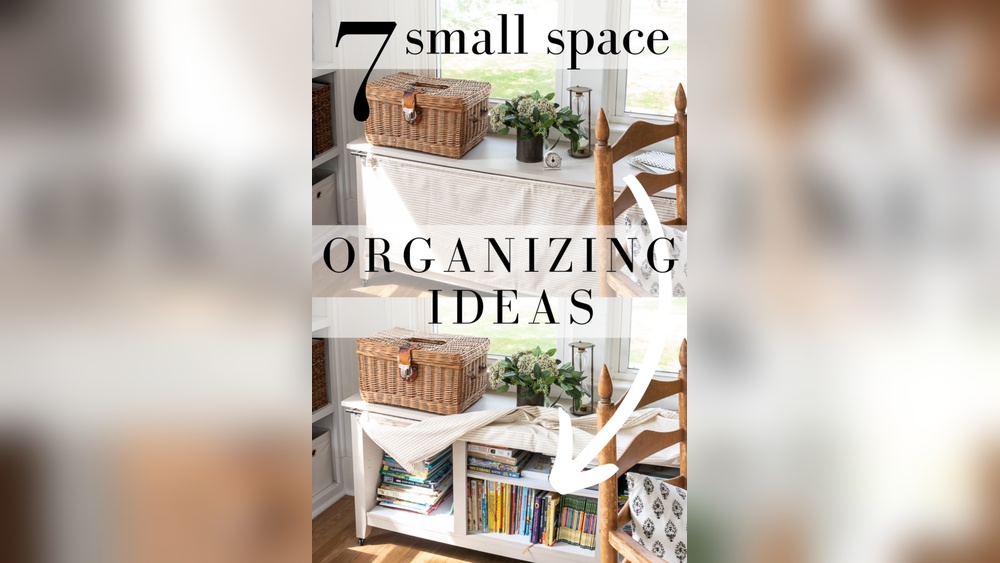

Is your small space feeling cramped and cluttered? You’re not alone, and the good news is, you don’t have to live in chaos.
Imagine walking into your room and instantly feeling calm because everything has its place. That’s exactly what you can achieve with the right organization strategies. You’ll discover simple and effective ways to transform your small space into a neat, functional area that works perfectly for your lifestyle.
Ready to unlock the secrets of smart storage and clever design? Keep reading and take the first step toward a more organized, stress-free home.
Declutter First
Decluttering is the first step to organizing any small space. Clearing out unnecessary items creates room to arrange what truly matters. It helps reduce stress and makes your space feel larger and more inviting.
Start by focusing on one small area. This makes the task less overwhelming and more manageable. After decluttering, organizing becomes simpler and more effective.
Focus On Small Areas
Pick a small, manageable spot like a drawer, shelf, or corner. Work on one area at a time to avoid feeling overwhelmed. Small wins build motivation to continue decluttering.
Remove Broken And Expired Items
Check for things that are broken or no longer work. Toss expired products from your kitchen, bathroom, or pantry. Removing these frees up valuable space and keeps your home safe.
Donate Or Discard Unused Items
Sort items you don’t use but are still in good shape. Donate clothes, toys, or books to local charities. Throw away things that are worn out or damaged beyond repair.
Return Misplaced Belongings
Find items out of place and return them to their proper homes. This keeps your space tidy and prevents clutter from building up again. A place for everything makes organizing easier.

Credit: justagirlandherblog.com
Create Zones
Creating zones helps make small spaces feel larger and more organized. It breaks your area into clear sections. Each zone serves a specific purpose. This method reduces clutter and improves function.
Zones guide where items belong. They make daily routines easier. You know exactly where to work, relax, or store things. This approach creates order without needing more space.
Define Areas By Purpose
Start by deciding what activities happen in your space. Assign a spot for each activity. For example, a desk for work, a chair for reading, and shelves for storage. Clear boundaries help keep things tidy and focused.
Separate Work, Relaxation, And Storage Spaces
Keep your work area apart from relaxation spots. This separation helps your mind switch between tasks and rest. Store supplies and tools near your workspace. Use comfy seating away from clutter to unwind.
Limit Items To Zone-specific Use
Only keep items related to a zone in that area. Avoid mixing work tools in relaxation zones. This habit keeps each space clean and purposeful. It also cuts down on distractions and clutter buildup.
Maximize Vertical Space
Using vertical space is a smart way to organize small areas. It frees up floor space and keeps things tidy. Walls offer great storage options without crowding your room.
Think up, not out. This mindset helps maximize every inch of your small space. Vertical solutions can hold books, tools, decor, and more. They keep essentials within reach and off surfaces.
Install Wall Shelves
Wall shelves create storage without taking floor space. You can place them at any height. Use them for books, plants, or kitchen items. Floating shelves add style and function. Choose sturdy shelves to hold heavier items safely.
Use Hooks And Pegboards
Hooks and pegboards keep things visible and organized. Hang bags, keys, or kitchen utensils on hooks. Pegboards let you rearrange storage as needed. They work well for craft supplies or tools. This method saves drawer space and reduces clutter.
Utilize Tall Bookcases
Tall bookcases use wall height efficiently. They offer many shelves in a small footprint. Store books, baskets, or decorative boxes. Choose slim designs to fit narrow spaces. Add baskets to hide smaller items and keep shelves neat.
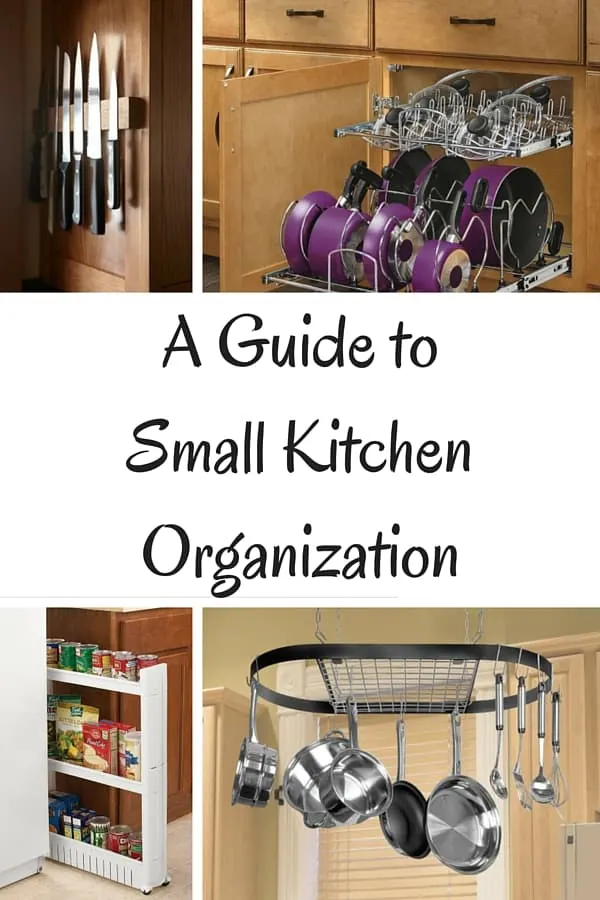
Credit: cookcraftlove.com
Use Door And Under-bed Storage
Using door and under-bed storage maximizes hidden spaces in small rooms. These areas often go unused but offer great potential for extra storage. Cleverly using these spots helps keep your space tidy and organized without crowding. You can store many items without needing extra furniture. This strategy works well in bedrooms, kitchens, and bathrooms.
Over-the-door Organizers
Over-the-door organizers hang on the back of doors to save floor space. They come with pockets, hooks, or shelves for storing shoes, accessories, or cleaning supplies. These organizers keep items visible and easy to reach. They help clear counters and closets by providing extra storage. Lightweight and easy to install, they fit most doors.
Back-of-cabinet Storage
Use the back of cabinet doors for additional storage space. Attach small racks or hooks to hold spices, cleaning sprays, or kitchen tools. This keeps counters free and items neatly arranged. It also makes hard-to-reach spaces useful. Back-of-cabinet storage is perfect for small kitchens and bathrooms.
Bins And Bags Under The Bed
The space under the bed is ideal for storing items in bins or bags. Choose clear or labeled containers for easy access and visibility. Store seasonal clothes, shoes, or extra linens here. Using wheels on bins can make pulling them out simple. This method keeps your room clutter-free and uses a large hidden space effectively.
Choose Multifunctional Furniture
Choosing multifunctional furniture is a smart way to make the most of a small space. Such furniture offers more than one use, saving room and adding convenience. It helps reduce clutter by combining storage and functionality. This approach keeps your space neat and efficient without feeling crowded.
Storage Ottomans And Sofa Beds
Storage ottomans provide a place to sit and hide items inside. Use them to store blankets, books, or toys. Sofa beds serve as seating during the day and a bed at night. They are perfect for small living rooms or guest rooms. Both options save space and keep your room tidy.
Foldable Tables And Chairs
Foldable tables and chairs can be put away when not in use. They free up floor space and make the room feel larger. Use them for dining, working, or hobbies. These pieces offer flexibility for small apartments or rooms. Easy to move and store, they adapt to your needs.
Desks With Extra Storage
Desks with built-in drawers or shelves add storage without extra furniture. Keep office supplies, books, or gadgets organized and close. This type of desk helps maintain a clean workspace in tight areas. It blends work and storage in one compact design. Ideal for home offices or study corners.
Organize With Containers
Containers help make the most of small spaces. They keep items neat and easy to find. Using containers reduces clutter and creates order.
Choose containers that fit your space and needs. Transparent and labeled containers simplify daily routines. Organize items by type and frequency of use for better efficiency.
Clear Storage Bins
Clear storage bins show what is inside without opening them. They save time and reduce mess. Stack bins to use vertical space well. Use bins for toys, clothes, or craft supplies to keep them tidy.
Drawer Dividers And Organizers
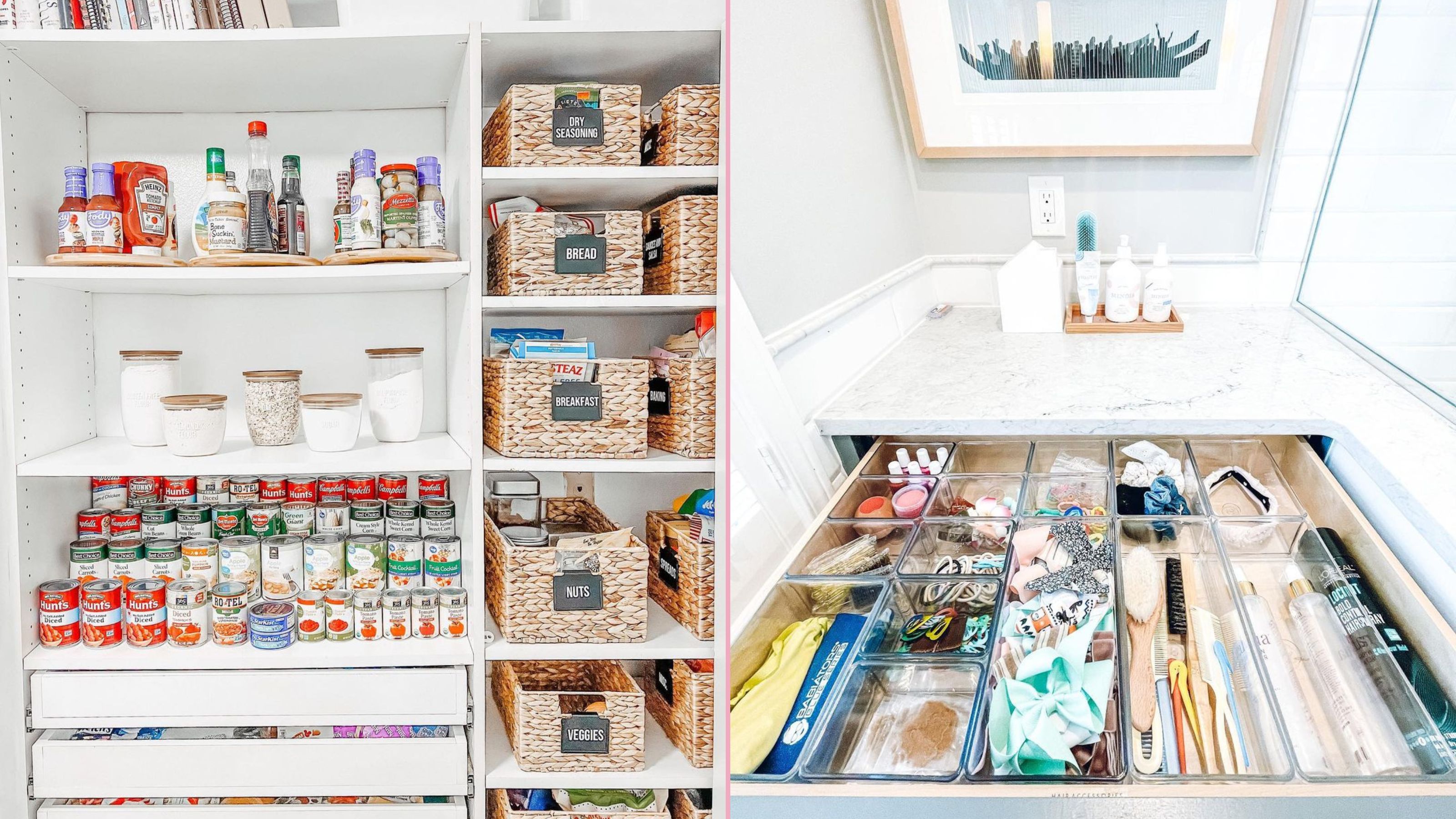
Drawer dividers separate items in drawers. They prevent clutter and make small things easy to find. Use organizers for socks, utensils, or office supplies. This keeps everything in place and saves drawer space.
Label And Group Similar Items
Label containers clearly for quick identification. Group similar items together to avoid mixing. This method helps maintain organization and speeds up cleanup. Labels can be simple tags or printed stickers.
Maintain Clutter-free Habits
Maintaining clutter-free habits is key to keeping a small space organized. Small areas can quickly feel crowded without simple routines. Good habits help prevent mess from building up over time. They make your space feel calm and easy to use. Practice these habits daily to enjoy a neat and tidy home.
Put Items Back Immediately
Always return items to their proper place after use. This stops clutter from piling up on surfaces. When everything has a home, it is easier to find and keep clean. Make it a rule to put things away right away. This small step saves time and effort later.
Regularly Reassess Belongings
Check your belongings often to decide what to keep or remove. Some items lose their value or use over time. Removing things you no longer need frees up space. Set a reminder to reassess every few months. This habit helps keep your space clear and organized.
Be Selective With New Items
Think carefully before bringing new items into your space. Each new object should have a clear purpose and place. Avoid buying things that add clutter or serve no real need. Being selective helps maintain order and reduces clutter buildup. This habit supports long-term organization.
Credit: www.realhomes.com
Use Smart Lighting And Mirrors
Using smart lighting and mirrors can transform a small space effectively. They improve brightness, depth, and highlight key areas. These elements make rooms feel larger and more inviting.
Brighten Small Spaces
Good lighting brightens dark corners and opens up the room. Use LED strips or adjustable lamps to light hard-to-reach areas. Natural light bulbs mimic sunlight, making spaces feel fresh and airy.
Create Illusion Of Space
Mirrors reflect light and images, doubling the room visually. Place mirrors opposite windows to maximize natural light reflection. Large mirrors or multiple small ones create a sense of depth and openness.
Highlight Organized Areas
Smart lighting draws attention to neat shelves or display spots. Use spotlights or under-cabinet lights to showcase tidy zones. Highlighting organized areas encourages maintaining order and enhances room aesthetics.
Frequently Asked Questions
What Is The 50% Rule For Clutter?
The 50% rule for clutter means keeping only half of your belongings. It helps reduce excess and simplifies organizing.
What Is The 12 12 12 Rule For Decluttering?
The 12 12 12 rule declutters by finding 12 items to throw away, donate, and relocate. Repeat for quick organization.
What Is The 1/3/5 Decluttering Rule?
The 1/3/5 decluttering rule guides you to remove 1 item today, 3 items this week, and 5 items this month. It simplifies decluttering by breaking tasks into manageable steps. This method helps maintain a clutter-free space without feeling overwhelmed.
What Are The 4 C’s Of Decluttering?
The 4 C’s of decluttering are: Categorize, Cull, Contain, and Clean. These steps help organize and simplify spaces effectively.
Conclusion
Organizing a small space takes patience and smart choices. Focus on keeping only what you need. Use shelves and hooks to save floor space. Choose furniture that can store items inside. Create zones for different activities to stay tidy. Regularly declutter to prevent mess from building up.
Small changes can make your space feel larger and more welcoming. Keep these tips in mind and enjoy a neat, comfortable home every day.