
Are toys taking over your small space? You’re not alone.
When every inch counts, finding smart ways to organize toys can feel impossible. But what if you could turn your cluttered corners into neat, accessible play zones? Imagine easy-to-use storage that keeps toys off the floor and your child’s favorites right at their fingertips.
You’ll discover 26 simple, creative ways to organize toys in small spaces—solutions that save space, reduce stress, and even make clean-up fun. Ready to reclaim your home and bring order to the toy chaos? Let’s dive in!

Credit: www.cuidabien.org
Sort And Declutter
Sorting and decluttering toys is the first step to organizing small spaces. It reduces mess and makes tidying easier. Removing unwanted toys creates more room and helps keep toys neat. A well-sorted toy collection also encourages children to play more with what they have.
Letting your child join this process teaches responsibility. Clearing duplicates and focusing on versatile toys keeps things simple. Setting clear rules about new toys helps maintain order long-term.
Involve Your Child
Talk with your child about sorting toys. Ask them to pick favorites and ones they no longer use. Explain that some toys will be given to other kids. This helps them feel part of the decision. Involving kids makes decluttering less stressful.
Eliminate Duplicates
Check for multiple copies of similar toys. Keep only one or two of the best. Extra stuffed animals or building sets can add clutter. Removing duplicates frees up space for new or special toys. It also makes cleanup faster and easier.
Prioritize Open-ended Toys
Choose toys that encourage creativity and imagination. Blocks, dolls, and art supplies work well. Avoid many battery-operated or noisy toys. Open-ended toys offer more play options and last longer. They help children explore and invent their own games.
Adopt One-in One-out Rule
For every new toy added, remove an old one. This rule keeps toy numbers stable. It teaches kids to think before accepting new toys. Following this habit prevents future toy piles from growing too large. It supports a tidy and organized play area.

Credit: help.naijadomains.com
Use Vertical Space
Using vertical space is a smart way to organize toys in small rooms. It frees up floor area and keeps toys easy to reach. Vertical storage keeps the play area neat and helps kids learn to tidy up. Small spaces benefit from shelves and hooks that go up, not out. This method creates more room for play and storage.
Install Wall Shelves
Wall shelves hold toys without taking floor space. Choose sturdy shelves at your child’s height. Use them for books, puzzles, and small toys. Open shelves let kids see all their toys clearly. This visibility encourages them to put toys back. Floating shelves create a clean, modern look. They also keep toys off the ground and organized.
Hang Pegboards
Pegboards offer flexible storage options for toys. Hang baskets and hooks on the board to hold items. Toys like art supplies, small cars, and dress-up accessories fit well here. You can move hooks to change the layout anytime. Pegboards keep toys visible and easy to grab. They turn a blank wall into a useful storage zone.
Utilize Over-the-door Organizers
Over-the-door organizers save space by using door backs. They have pockets or shelves for small toys and crafts. This keeps toys off floors and tables. Use clear pockets to see toys at a glance. These organizers fit on closet or bedroom doors. They make use of often ignored space for neat storage.
Smart Storage Solutions
Creating zones helps keep toys organized and spaces neat. It breaks up a small area into clear sections. Each zone has a specific purpose. This method reduces clutter and makes playtime easier.
Zoning also teaches kids to put toys back in the right place. It saves time and keeps the room tidy. Zones can be simple or detailed depending on space and needs.
Designate Play Areas
Set specific spots for different activities. For example, a corner for building blocks and another for puzzles. This guides children to use toys in one place. It lowers the chance of toys spreading all over.
Use shelves, bins, or tables to mark these areas. Clear boundaries make cleaning up faster and simpler. Kids understand where each toy belongs.
Separate By Toy Type
Group toys by kind to avoid mixing. Keep dolls in one box and cars in another. Sorting by type helps find toys quickly. It also stops toys from getting lost under others.
Label boxes or bins with pictures or words. This helps children remember where things go. It supports independent clean-up and organization skills.
Use Rugs And Mats
Place rugs or mats to define play zones visually. Rugs create a cozy spot for toys and play. They also protect floors and make cleaning easier.
Choose rugs with bright colors or patterns. They catch kids’ attention and encourage use of that space. Mats can be moved as needed for flexible play areas.
Create Zones
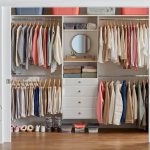
Closets offer hidden potential to store and organize toys in small rooms. Using closet space wisely frees up floor area for play. Clever arrangements inside closets keep toys neat and easy to find. Small closets can hold a lot with the right tools and ideas.
Add Extra Shelves
Installing more shelves creates layers for toy storage. Use adjustable shelves to fit different toy sizes. Shelf dividers keep items from toppling over. Place smaller toys on higher shelves and bigger ones below. This system makes use of vertical space efficiently.
Use Hanging Organizers
Hanging organizers save floor space inside closets. Choose fabric or plastic pockets to hold small toys. Hang these on the closet rod or door. This method keeps toys visible and accessible. It also helps sort toys by type or size.
Store Toys In Closet Bottoms
The bottom of the closet is perfect for bins or baskets. Use clear containers to see contents easily. Label each bin by toy category for quick access. Rolling bins on wheels add convenience. This area works well for larger or less-used toys.
Maximize Closet Space
Rotating toys regularly is a simple way to keep your small space organized and your child interested. Instead of having all toys out at once, select a few to play with and store the rest. This keeps clutter down and makes playtime feel fresh. It also helps toys last longer and reduces mess.
Store Extras Out Of Sight
Keep the toys not in use in bins or boxes. Store them in a closet or under the bed. This frees up space and reduces visual clutter. When toys are out of sight, children focus better on what they have. It also makes cleaning up easier for everyone.
Introduce New Toys Periodically
Swap the stored toys with the ones in use every few weeks. This keeps the play area interesting without adding more stuff. Children get excited by “new” toys again. It helps prevent boredom and encourages creativity. Rotating toys this way saves space and keeps playtime fun.
Encourage Focused Play
With fewer toys out, children can concentrate on one or two at a time. This builds better skills and imagination. It also reduces distractions and mess. Focused play helps children enjoy their toys more. It teaches them how to take care of their things.
Rotate Toys Regularly
Using furniture wisely can save space and keep toys organized in small rooms. Choose pieces that serve more than one purpose. This way, furniture holds toys and helps maintain a tidy space. Smart furniture choices make playtime and cleanup easier for kids and parents alike.
Toy Storage Benches
Toy storage benches offer seating and storage in one. Kids can sit while playing or putting on shoes. The bench lifts up to reveal a hidden storage area. This keeps toys out of sight but easy to reach. Place these benches in entryways, bedrooms, or playrooms.
Under-bed Storage
The space under the bed is often wasted. Use flat bins or drawers to store toys there. This keeps toys out of the way but still accessible. Clear containers help kids see what’s inside without opening. Under-bed storage works well for larger toys or extra sets.
Convertible Tables
Convertible tables change from play tables to storage units. Some have tops that lift to reveal toy compartments. Others fold out to create extra play space. These tables save room by combining play and storage areas. They fit well in small spaces where every inch counts.
Use Furniture Wisely
Finding space for toys in small rooms can feel tricky. Using unusual spots helps keep toys tidy without cluttering the main areas. These hidden places offer smart storage that saves space and looks neat. They turn often forgotten areas into useful spots for toy organization.
Behind Doors
The space behind doors is a perfect place for slim storage. Add hanging organizers or hooks to hold small toys and art supplies. This keeps items off the floor and easy to reach. It uses space that usually goes wasted.
Install pocket shelves or racks to fit behind closet or room doors. These can store books, puzzles, or stuffed animals. It keeps toys out of sight but still accessible. A simple change with big storage benefits.
Under Stairs
Under the stairs often has empty space that works well for storage. Build small shelves or drawers in this area to hold toys. It creates a hidden play zone or storage nook.
This spot is great for larger toys or bins. Label boxes to keep things organized. It helps keep toys contained and the room tidy. Use the space wisely to add extra storage without extra clutter.
Window Seats
Window seats can double as toy storage with built-in compartments. Lift the seat to store toys inside. This keeps them out of sight but easy to grab during playtime.
Add cushions on top for a comfy spot to sit and play. It makes the room feel cozy and organized. This clever use of space combines seating and storage perfectly.
Incorporate Baskets And Bins
Encouraging clean-up habits helps keep small spaces tidy and organized. Teaching children to clean up after playtime creates order and reduces clutter. It also builds responsibility and respect for their belongings. Simple strategies make clean-up easy and even fun. Consistent habits form quickly when parents guide and support children.
Make Storage Accessible
Place toy storage at your child’s height. Use low shelves, bins, or baskets they can reach easily. This helps kids put toys away without help. Clear containers show what’s inside. It saves time searching and makes clean-up faster. Accessibility encourages children to clean up by themselves.
Use Visual Cues
Label bins and shelves with pictures or words. Visual cues help children know where toys belong. Use bright stickers or photos of toys on containers. Kids learn to match toys with their storage spots. This reduces confusion and makes clean-up a simple task. Visual aids support memory and independence.
Set Clean-up Routines
Create a daily clean-up schedule. Set specific times for tidying toys, like before meals or bedtime. Keep routines consistent to build habits. Use a timer or a clean-up song to make it fun. Praise children for helping and finishing on time. Routines teach responsibility and keep small spaces neat.
Utilize Unconventional Spaces
Focusing on experiences helps reduce toy clutter in small spaces. Toys are fun, but memories last longer. Children value time spent together more than many toys. Experiences enrich their growth and creativity. This approach shifts attention from quantity to quality. It also encourages active play and exploration outside the home.
Limit Toy Quantity
Keep only a few favorite toys accessible. Store others in bins or closets. This prevents overwhelming clutter in small rooms. Fewer toys encourage children to use imagination more. Rotate toys periodically to keep playtime fresh. Ask children to help decide which toys to keep. This teaches them to appreciate what they have. Avoid buying many new toys at once. Focus on toys that offer open-ended play options.
Plan Outdoor Activities
Use outdoor spaces for play and learning. Parks, playgrounds, and nature trails offer endless fun. Outdoor play reduces the need for indoor toys. Physical activity helps children use energy in healthy ways. Plan regular visits to places like zoos or aquariums. These trips create new experiences beyond toys. Encourage kids to explore and discover nature. Outdoor adventures foster curiosity and social skills.
Create Lasting Memories
Share quality time through games, stories, and crafts. Experiences build emotional bonds stronger than material items. Take photos or keep journals of special outings. Celebrate achievements and milestones with simple rituals. Involve children in planning fun family activities. These moments become treasured memories over time. Focus on joy and connection, not possessions. Memories enrich childhood far beyond toys.

Credit: mandabio.net
Frequently Asked Questions
How To Organize A Lot Of Toys In A Small Space?
Use stackable bins and clear containers to maximize vertical space. Sort toys by type and label each storage unit. Rotate toys regularly to keep the area tidy and engaging. Utilize under-bed storage and wall-mounted shelves for extra room. Involve children to maintain organization easily.
What Is The 20 Toy Rule?
The 20 toy rule limits a child’s toys to twenty to reduce clutter and encourage imaginative play. Parents rotate extras to keep playtime fresh.
What Is The 10 Toy Rule?
The 10 toy rule limits children to 10 toys at a time, promoting focus, less clutter, and easier organization. Rotate toys regularly for variety and to keep playtime fresh.
What Is The Montessori Approach To Toy Storage?
The Montessori approach to toy storage uses low shelves and open bins to promote child independence and easy access. Toys stay organized and visible, encouraging responsibility and self-directed play. This method supports simplicity and order, helping children choose and return toys independently.
Conclusion
Organizing toys in small spaces can feel challenging but very doable. Use simple storage ideas that fit your home and lifestyle. Sort toys by size, type, or how often they are used. Keep only what your child truly enjoys. Rotate toys to keep playtime fresh without extra clutter.
Involve your child to make tidying up easier and fun. Small spaces do not mean giving up on fun or creativity. With patience and smart solutions, every toy can have its place. A tidy space helps children focus and enjoy their playtime more.